E-mail us: [email protected]
Tel: +86-15239857375
 English
 中文简体
中文简体

 Home / News / Industry News / Why Your Bronze Bushing Wears Out Early: 5 Powder Metallurgy Causes to Know
 Why Your Bronze Bushing Wears Out Early: 5 Powder Metallurgy Causes to Know
 2026.10.12
 Industry News
Content
- 1 Why Powder Metallurgy Defines Bushing Life
- 2 1. Excessive Residual Porosity and Insufficient Density
- 3 2. Incorrect Alloy Composition and Powder Quality
- 4 3. Poor Sintering Process Control
- 5 4. Inadequate Oil Impregnation
- 6 5. Weak Sizing, Burnishing, and Surface Finish
- 7 How the Five Causes Compare
- 8 How to Avoid Premature Bronze Bushing Wear
- 9 Working with a Powder Metallurgy Manufacturer That Controls the Details
Bronze bushings are the quiet workhorses of industrial machinery. They support rotating shafts, absorb loads, and provide a low-friction interface that keeps equipment running smoothly. When a bushing wears out far ahead of its expected service life, the result is downtime, vibration, scoring, and an expensive replacement cycle. As a powder metallurgy manufacturer with more than twenty years in sintered components, we see a common thread in these premature failures: the root cause is usually in how the bushing was made, not just how it was used.
Why Powder Metallurgy Defines Bushing Life
Most industrial bronze bushings are produced by powder metallurgy, or PM. Unlike parts machined from solid cast bar, a PM bushing starts as fine metal powder that is compacted in a die and then sintered under controlled heat. This process creates a deliberately porous structure that can hold lubricating oil.
That interconnected pore network is exactly what makes self-lubricating bronze bushings so valuable: they can run for long periods without external re-lubrication. But the same microstructure also makes them sensitive to material selection and process control. When formulation, compaction, sintering, or impregnation is out of specification, the bushing may look correct and still fail rapidly in service. Here are the five powder metallurgy causes we encounter most often in failed bronze bushings.
1. Excessive Residual Porosity and Insufficient Density
Porosity is not a defect in a sintered bronze bushing. Controlled porosity is what allows the bushing to store oil and release it gradually during operation. However, the acceptable density window is narrow. When total porosity is too high, or when the pores are too large and interconnected, the load-bearing matrix becomes weak. Under normal contact pressure, the walls between adjacent pores collapse, the bushing deforms, and wear accelerates quickly.
Density is therefore one of the most reliable quality indicators in a powder metallurgy bronze bushing. A properly made SAE 841-type bushing typically reaches a density between 6.4 and 7.0 g/cm³, depending on the grade and application. Parts that fall below this range may meet the drawing dimensions, but their internal structure cannot carry the load for long. This is the first place we look when a customer brings us a bushing that has worn out early.
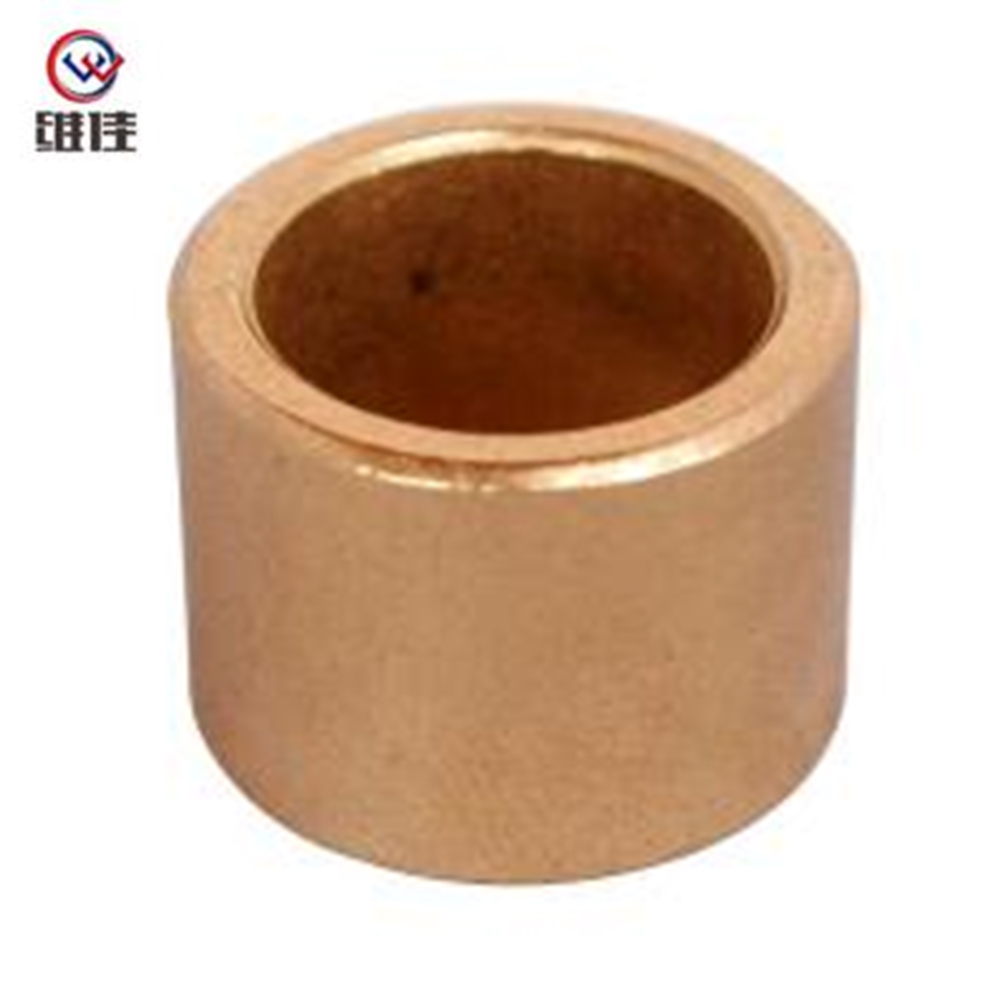 Powder Metallurgy Bronze Bushing (A0667)This copper-based powder metallurgy bushing is manufactured through an integrated process of compaction, sintering, sizing, and oil impregnation. It features excellent...View Product →
2. Incorrect Alloy Composition and Powder Quality
The standard alloy for oil-impregnated bronze bushings is approximately 90% copper and 10% tin. Tin strengthens the copper matrix, while residual porosity holds the oil. If the tin content drifts too low, the matrix is soft and wears quickly. If it drifts too high, brittle intermetallic phases can form and shorten fatigue life. Trace elements, oxide content, and powder particle size distribution also influence how well the particles fuse during sintering.
A responsible manufacturer verifies the chemistry of every powder lot and keeps clear records of its sources. We test alloy composition on incoming material and again on finished samples, because a small shift in chemistry can reduce bushing life by a surprisingly large margin.
3. Poor Sintering Process Control
Sintering is the stage where loose powder particles are transformed into a cohesive metallic structure. Temperature, time, and atmosphere must all remain within tight limits. Under-sintering leaves weak metallurgical bonds between particles; these bonds break down under load and cause surface flaking and severe wear. Over-sintering can shrink or close the pore structure, reducing the oil reserve that the bushing depends on.
The furnace atmosphere is just as important. Most bronze PM parts are sintered in a reducing atmosphere to prevent oxidation of powder surfaces. If oxidation occurs, thin oxide films become weak boundaries between particles. The bushing may appear sound until its first hour of operation, then shed material rapidly. Consistent furnace control and batch-to-batch monitoring are essential to avoid this hidden defect.
4. Inadequate Oil Impregnation
Oil impregnation is what turns a sintered bronze bushing into a self-lubricating component. During the process, parts are placed in a vacuum chamber, air is evacuated from the pore network, and lubricating oil is introduced so that it is pulled deep into the structure. If the vacuum hold time is too short, or if the oil viscosity does not match the intended service temperature, the bushing leaves the factory with only a partial oil charge.
The result is predictable. A bushing with an insufficient oil reserve runs normally for a while, then reaches a point where the oil film breaks down. Metal-to-metal contact follows, friction climbs, and wear accelerates sharply. Proper oil fill level and correct oil selection are not optional; both are as critical as the metal structure itself.
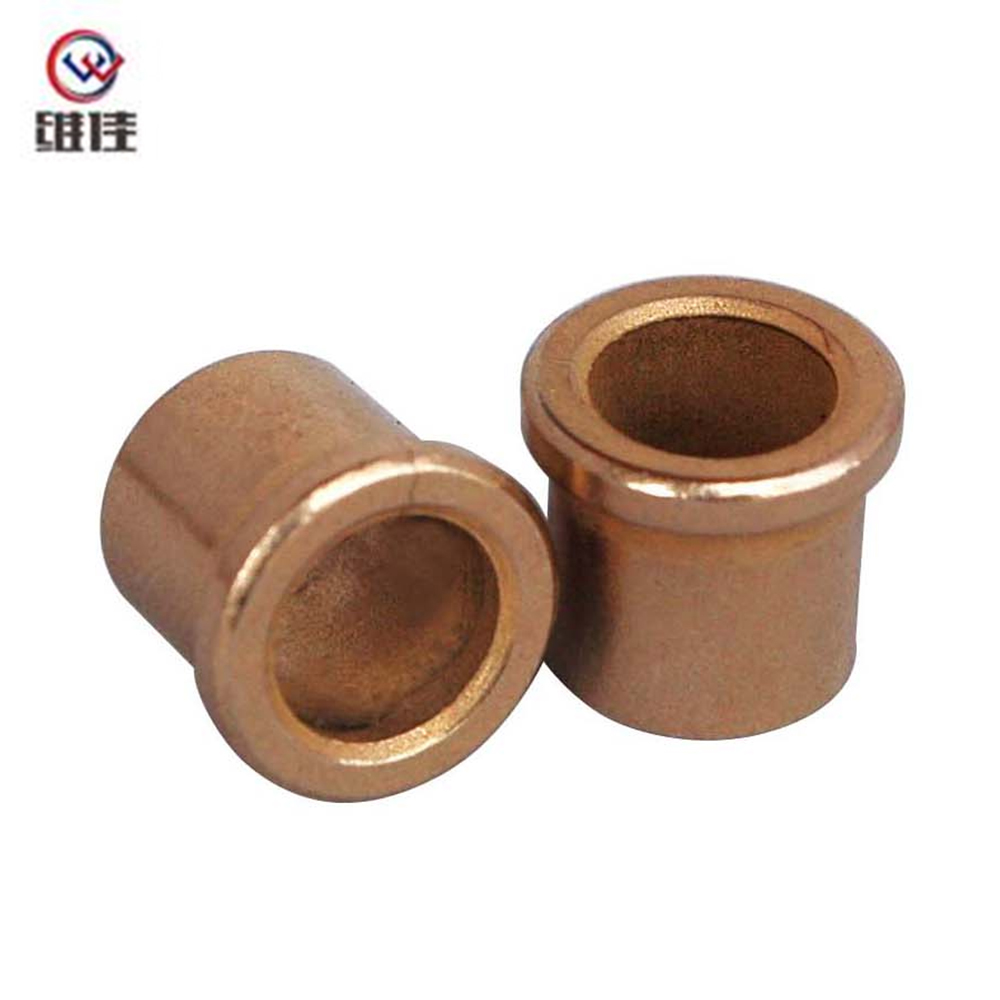 Sint B50 Powdered Metallurgy Oil-Impregnated Bronze Flange BushingPremium Material: Our flange bushing is crafted from Sint B50 oil-impregnated bronze, featuring an 18% oil content. The high-quality tin bronze material ensures except...View Product →
5. Weak Sizing, Burnishing, and Surface Finish
After sintering and impregnation, most PM bronze bushings pass through a sizing operation. Sizing is a coining or repressing step that brings the bore and outside diameter to final tolerance and densifies the surface layer. It is often combined with burnishing, which smooths the bore and closes surface pores.
If sizing is poorly controlled, the bushing may meet print dimensions at the mouth but show taper or ovality along its length. More importantly, incomplete surface densification leaves the part vulnerable to wear during break-in. A properly burnished bore establishes a stable hydrodynamic oil film from the moment the shaft starts turning. Rough surfaces create high local contact pressure and remove material quickly, especially in the first hours of operation.
How the Five Causes Compare
Each manufacturing variable leaves a distinct fingerprint. The table below summarizes the typical symptoms and the inspection points that help identify the source of premature wear.
| PM factor | Typical symptom | Key indicator to verify |
|---|---|---|
| Porosity / density | Deformation, collapse under load | Density measurement, microstructure |
| Alloy composition | Soft wear or brittle fracture | Chemistry certificate, powder source |
| Sintering control | Surface flaking, weak bonding | Process records, cross-section analysis |
| Oil impregnation | Dry running, squealing, rapid wear | Oil fill percentage, vacuum cycle log |
| Sizing / finish | Break-in wear, bore taper | Surface roughness, dimensional report |
How to Avoid Premature Bronze Bushing Wear
Prevention starts with clear specifications and ends with a manufacturer that understands how the part will be used. Here are five practical steps we recommend to our customers.
- Define the actual operating conditions: load, speed, temperature, shaft hardness, and whether periodic re-lubrication is possible.
- Select the material grade and oil type based on those conditions, not simply on the original drawing.
- Agree on measurable acceptance criteria, such as minimum density, oil content, and surface finish, instead of dimensional checks alone.
- Ask your supplier for process traceability, including powder chemistry records and sintering parameters, on every lot.
- Run a break-in procedure suited to the bushing design and verify oil film formation before full service.
Understanding these variables also helps when comparing suppliers. Our guide on oil-impregnated bronze bushing selection and sourcing covers material grades, specification limits, and supplier qualification in more depth. Engineers who want to extend bushing life usually start with the application conditions and work backward to the material and process.
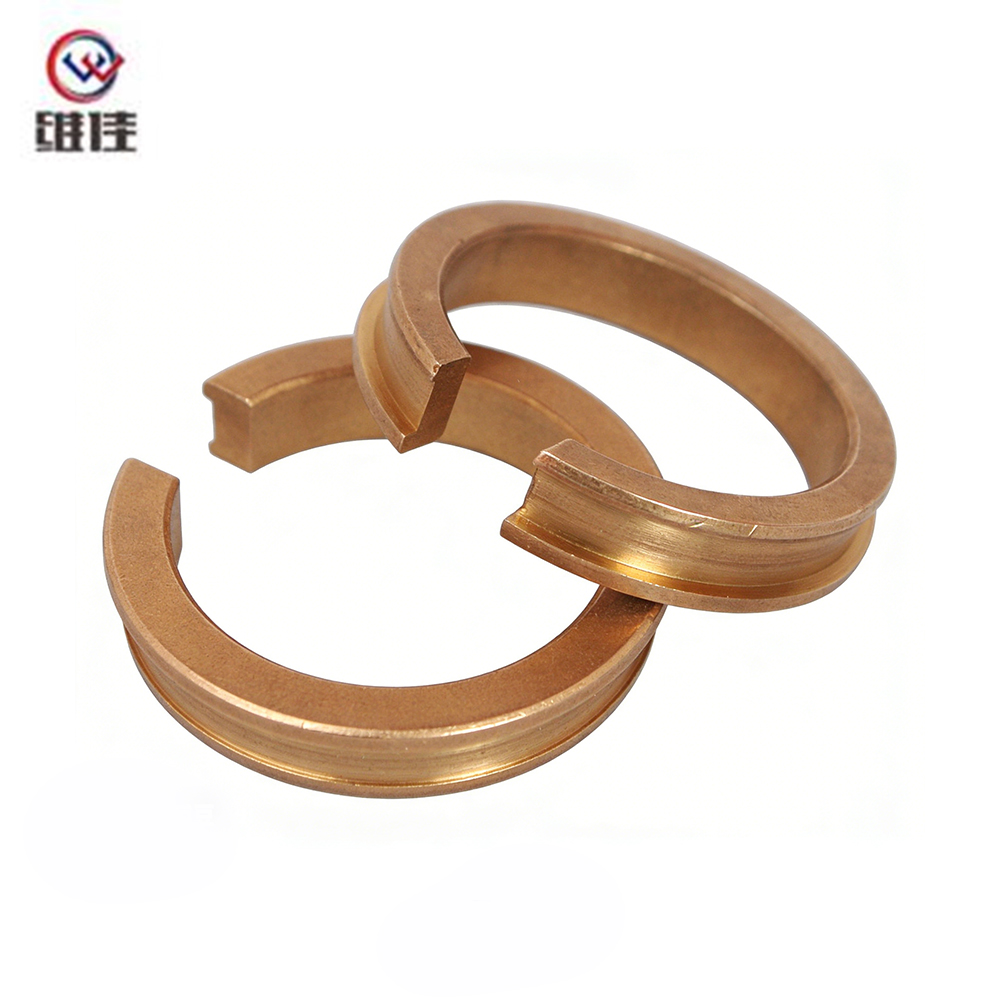 SAE841 Tin Bronze Bushing Open-Type ComponentThis product is an open-type structural component made of SAE841 Tin Bronze powder metallurgy material, professionally designed for vegetable greenhouse top applicatio...View Product →
Working with a Powder Metallurgy Manufacturer That Controls the Details
At Welfine, we have spent more than twenty years manufacturing powder metallurgy bushings and sintered structural parts for automotive, industrial, and appliance applications. Our 13,039-square-meter facility and our quality management system, certified to ISO 9001:2015 and IATF 16949:2016, are built around the idea that consistency is the foundation of bushing reliability. We validate powder chemistry, monitor sintering parameters, and verify oil content on finished parts because these are exactly the variables that decide whether a bushing lasts ten thousand hours or fails in its first month.
If your bronze bushings are not reaching their expected service life, one of the five powder metallurgy factors above is a good place to start. We can review the application, assess the failed part, and recommend a sintered material system that matches the real workload. Contact our engineering team with your drawings or failed samples, and we will help you find the root cause and return your equipment to reliable operation.
Related products
-
-
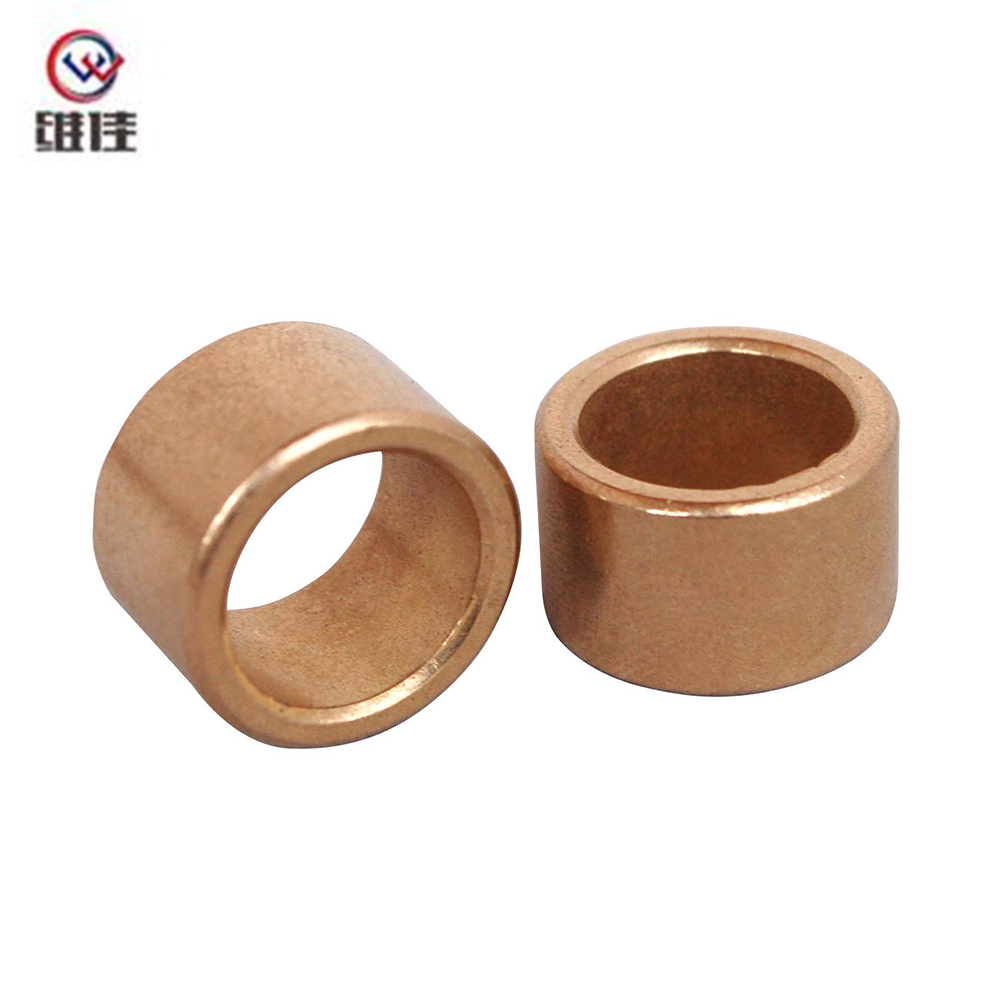
This copper-based powder metallurgy bushing is manufactured through an integrated process of compaction, sintering, sizing, and oil impregnation. It features excellent wear resistance and self-lubrica...
See Details -
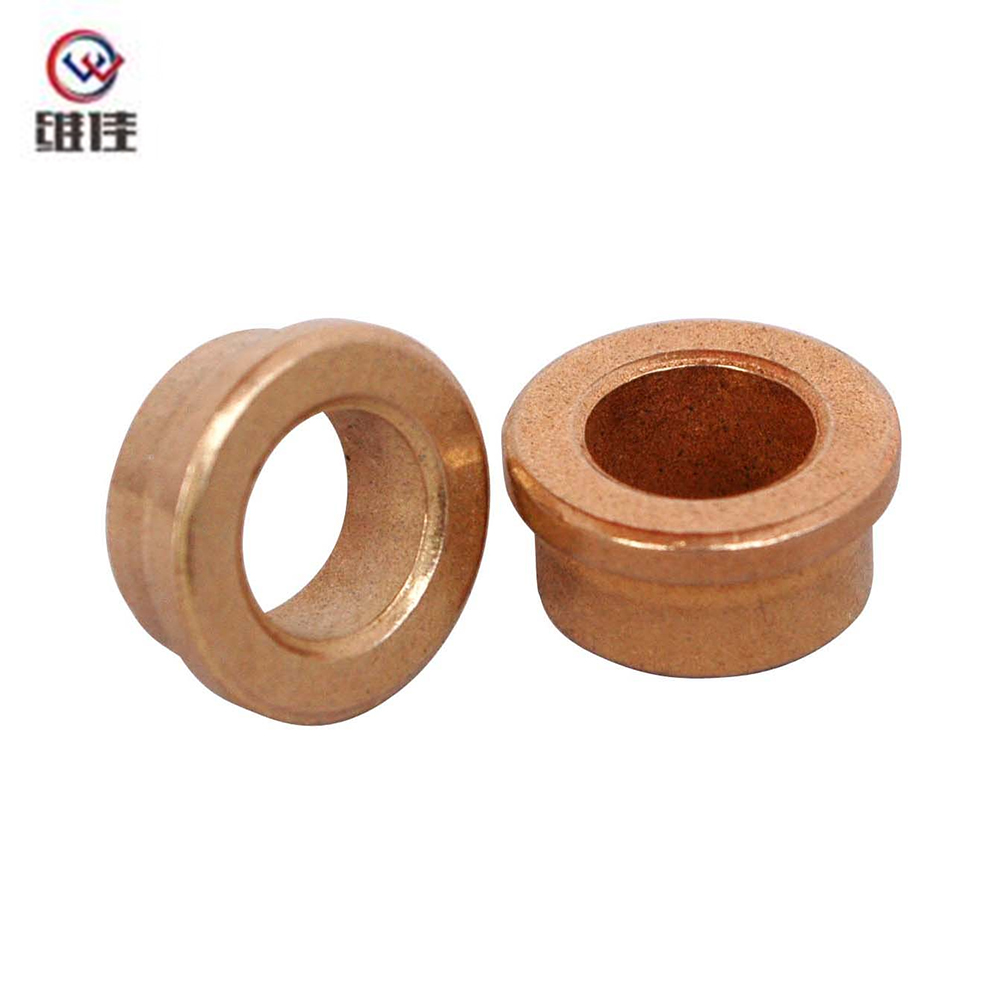
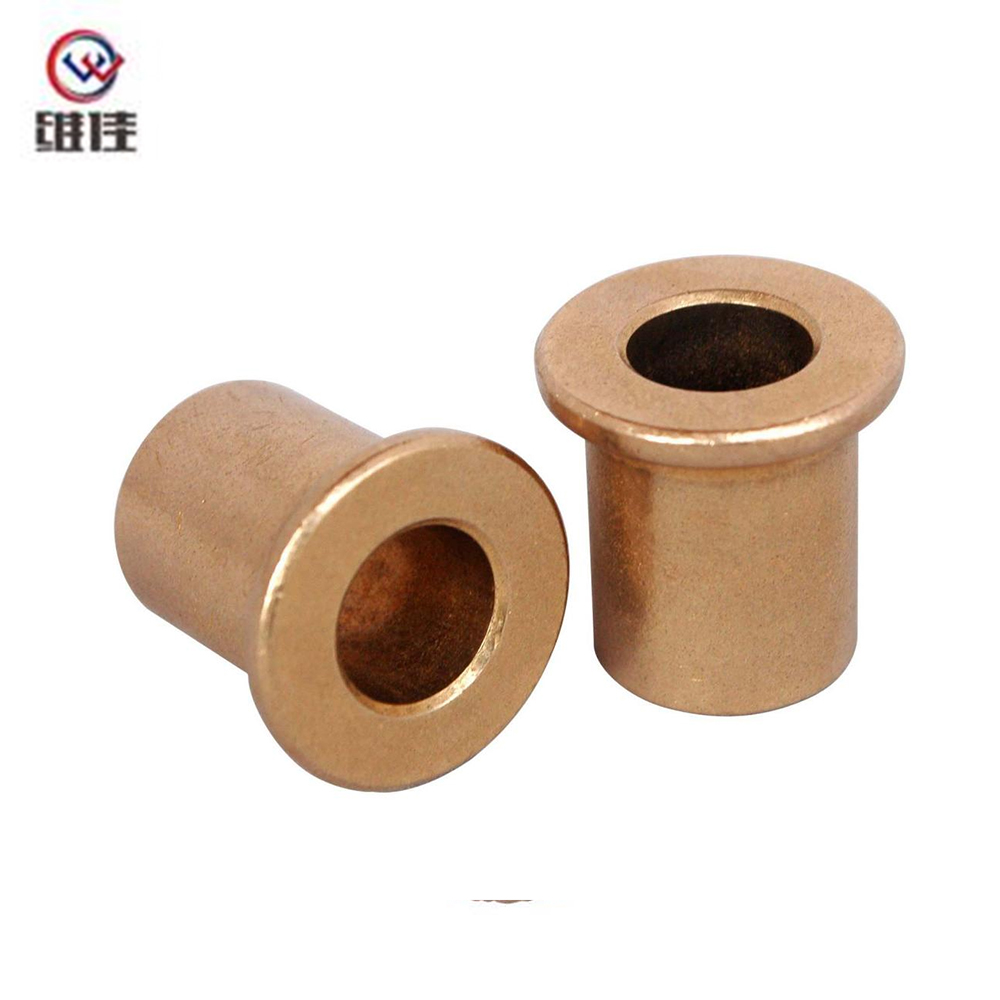
Premium Material: Our flange bushing is crafted from Sint B50 oil-impregnated bronze, featuring an 18% oil content. The high-quality tin bronze material ensures exceptional hardness, wear resistance, ...
See Details -
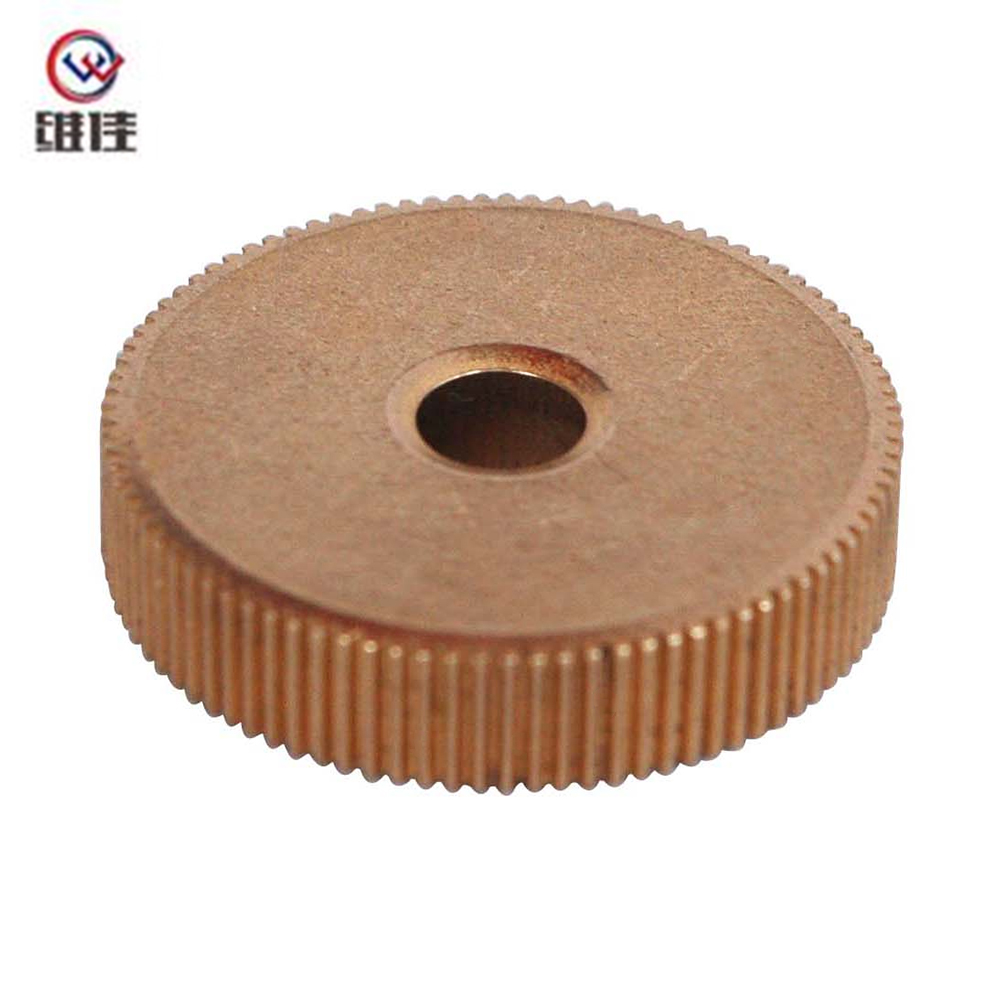
This 4×11.5×5.2mm powder metallurgy gear is manufactured through a precise press-sinter-through hole-oil impregnation process, with strict control of press density (6.7–6.8g/cm³) and sintering tempera...
See Details -
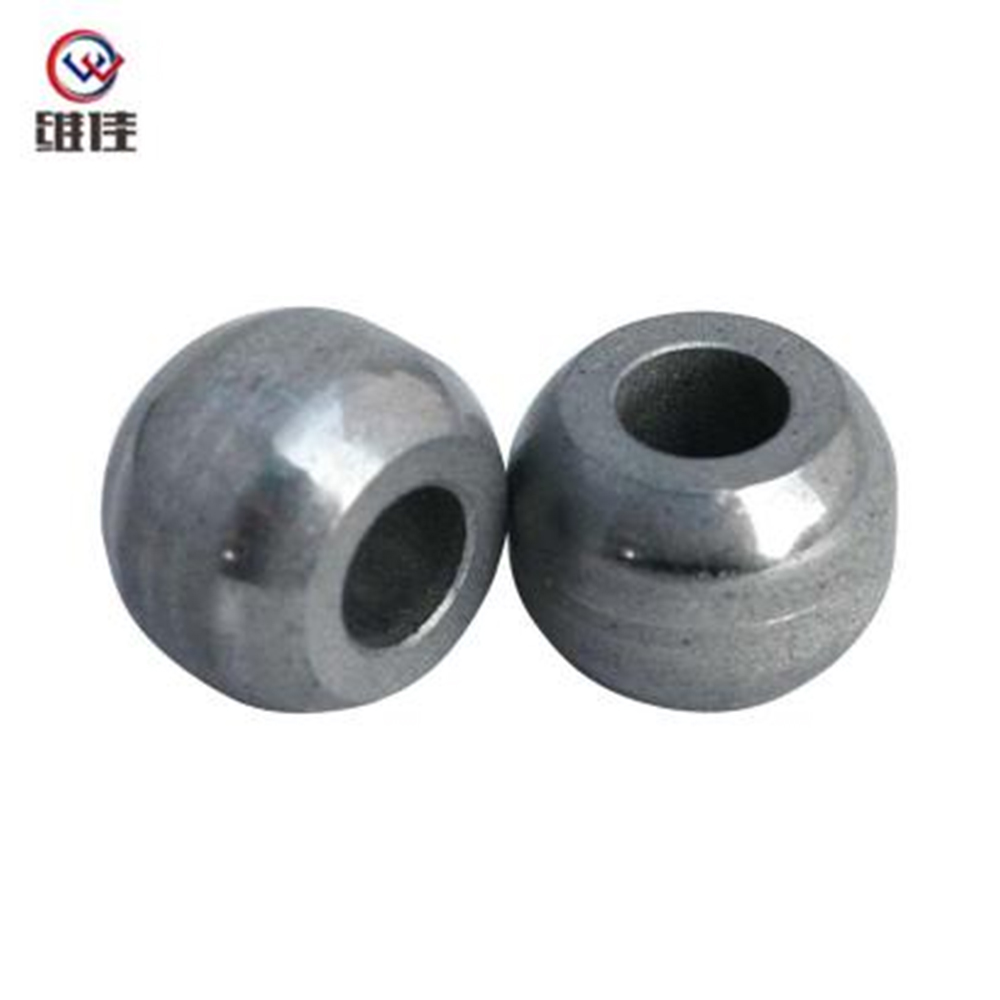
Product Description: High-precision powder metallurgy part (S14*7*10) made of iron material from Jiande Wefine, customized PM components with strict tolerance control.
See Details -
Description: Custom powder metallurgy planetary gear with high precision, wear resistance for automotive, industrial machinery & home appliances. OEM/ODM supported.
See Details
Copyright © Jiande Welfine Technology Co., Ltd. All Rights Reserved. Privacy Custom Self-lubricating Sintered Bushing Manufacturers
