How Can Powder Metallurgy Parts Enhance Durability and Wear Resistance?
As industrial equipment continues to operate under higher loads, faster speeds, and more demanding environmental conditions, manufacturers increasingly seek components that offer excellent wear resistance, dimensional stability, and long-term reliability. Among the various manufacturing technologies available today, powder metallurgy parts have become a preferred solution for producing precision components that combine mechanical strength with cost efficiency.
Through controlled powder compaction and sintering processes, powder metallurgy sintered components can achieve optimized material structures, self-lubricating properties, and superior wear performance. These advantages make them widely used in automotive systems, industrial machinery, power tools, household appliances, agricultural equipment, and many other sectors where durability is critical.
What Are Powder Metallurgy Parts?
Powder metallurgy (PM) is a manufacturing process that produces components by compacting metal powders into specific shapes and then sintering them at elevated temperatures below the melting point of the primary metal.
Unlike conventional machining methods that remove material, powder metallurgy forms near-net-shape components directly from metal powders. This approach minimizes waste while enabling precise control over material composition, porosity, and mechanical properties.
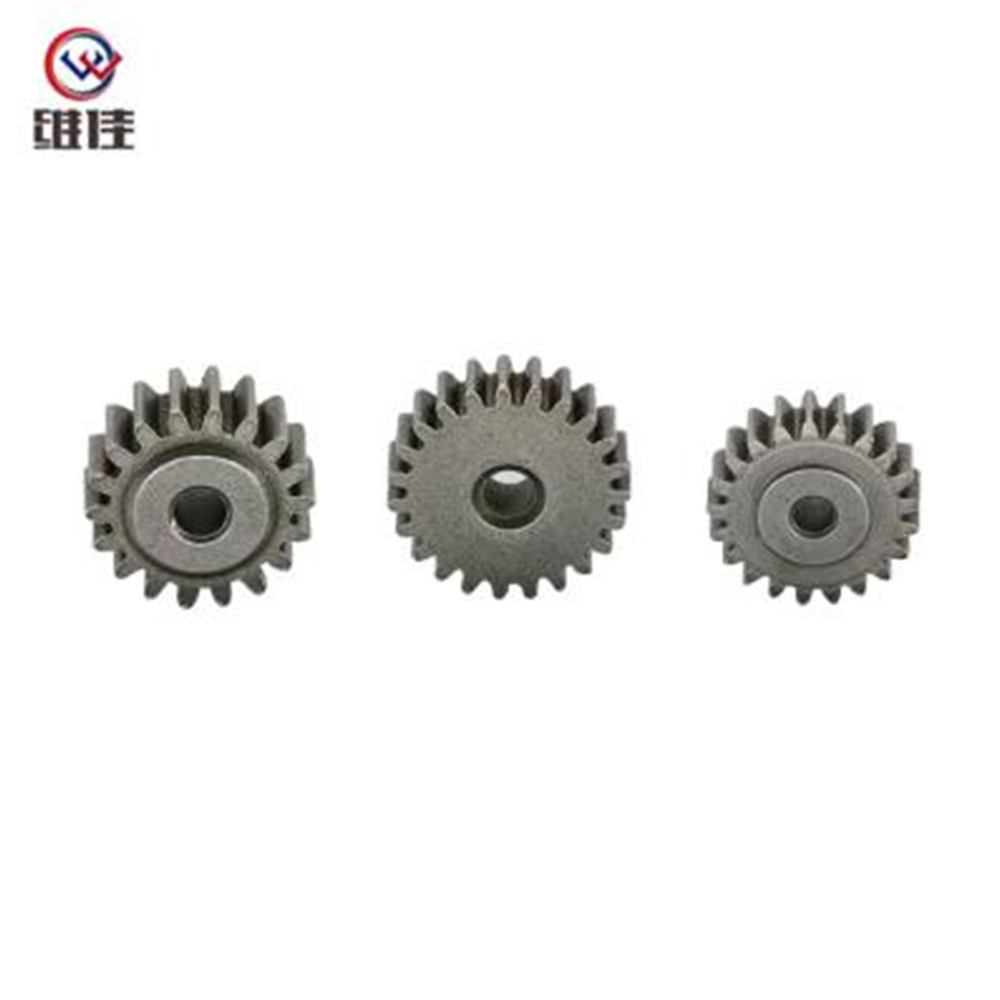
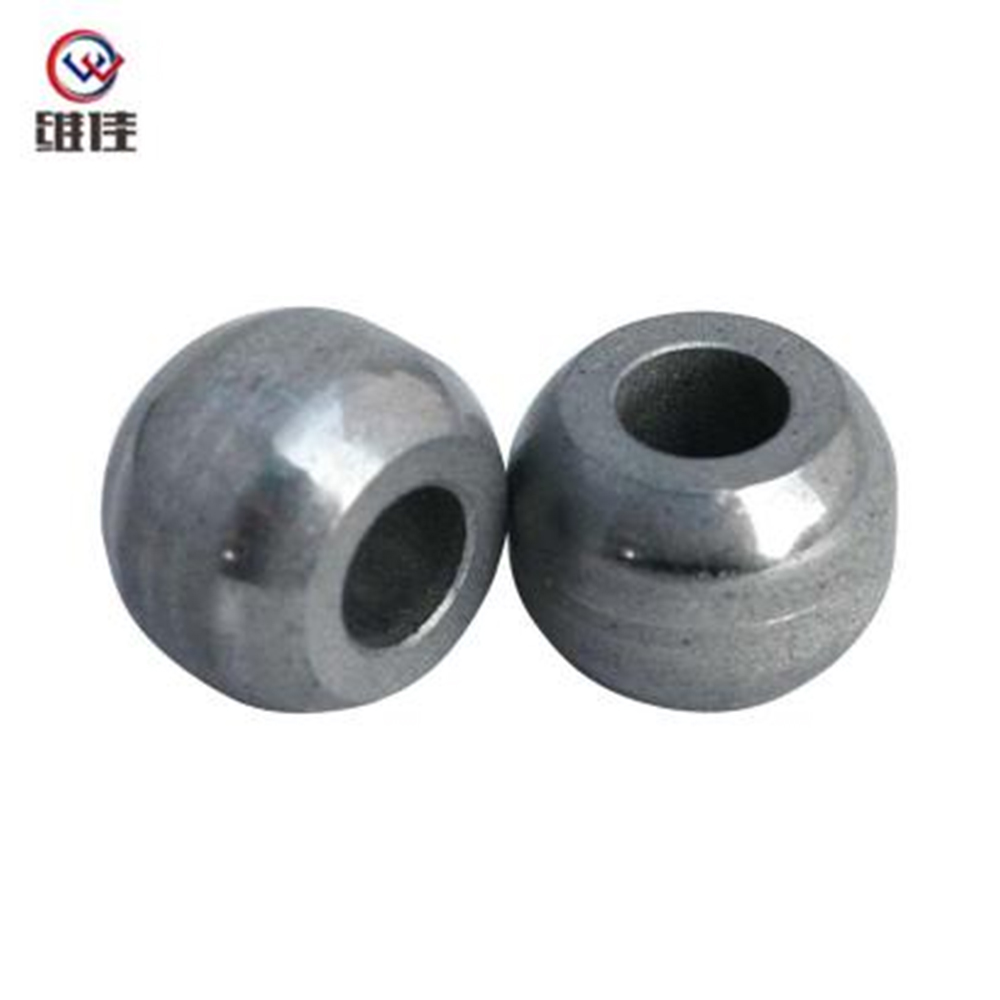
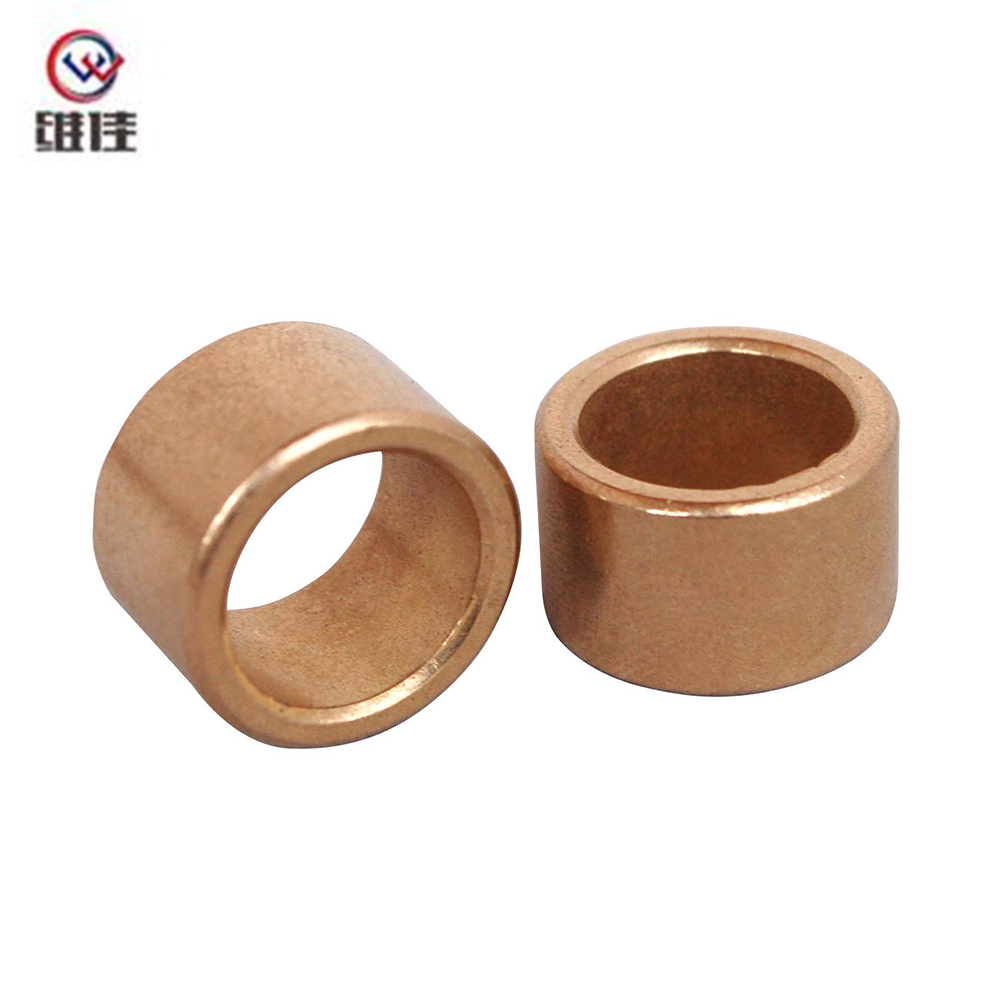
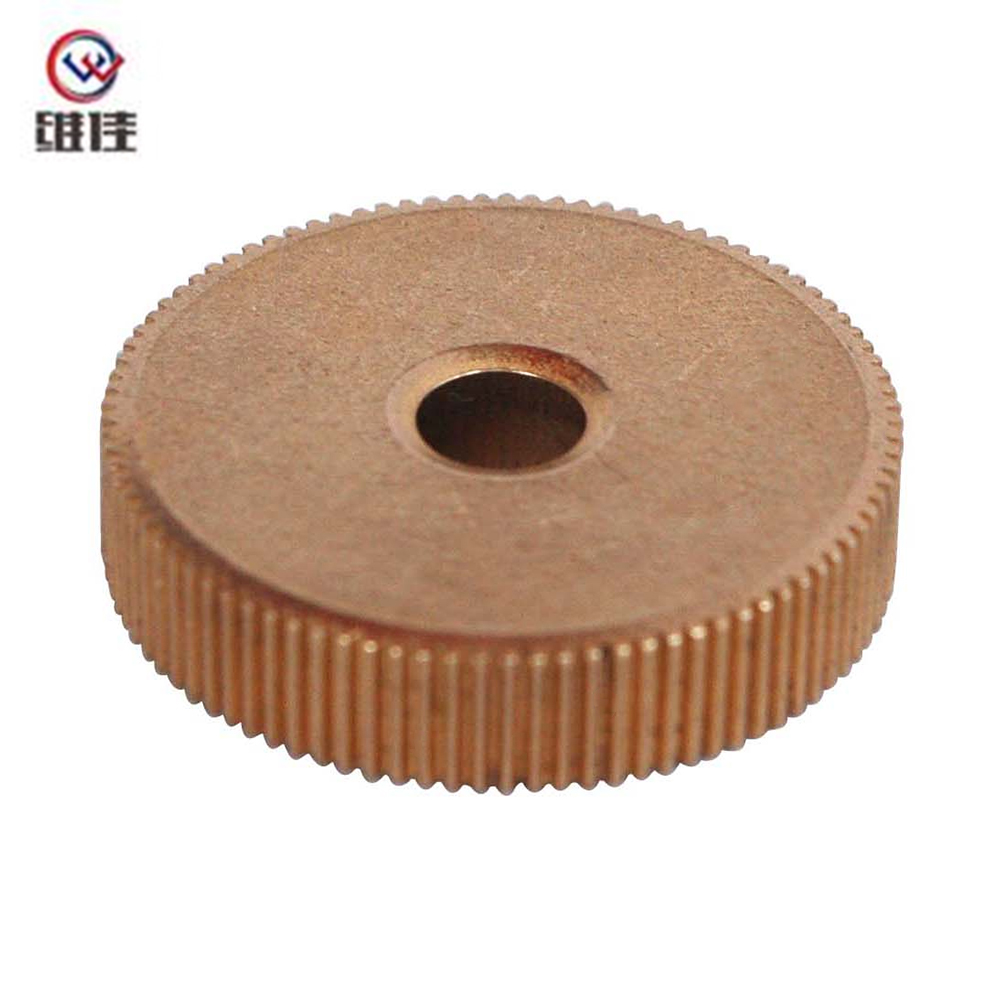
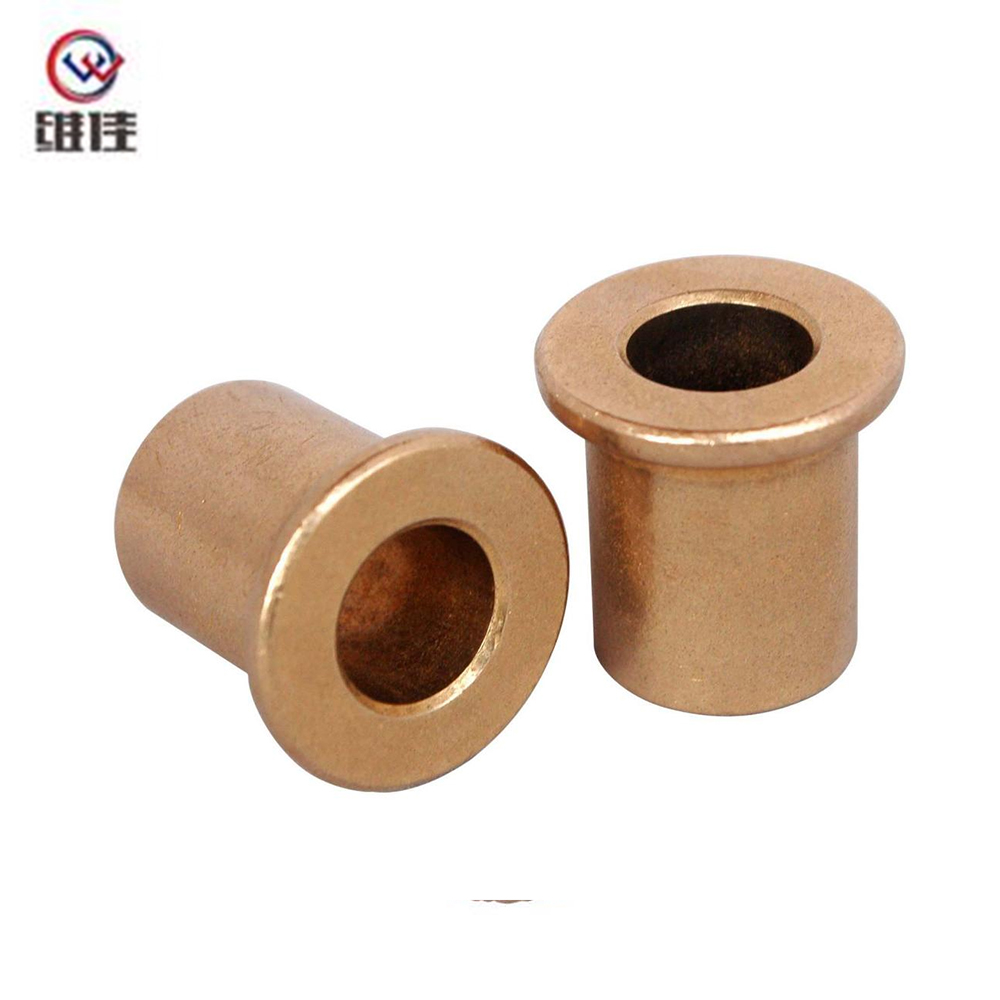
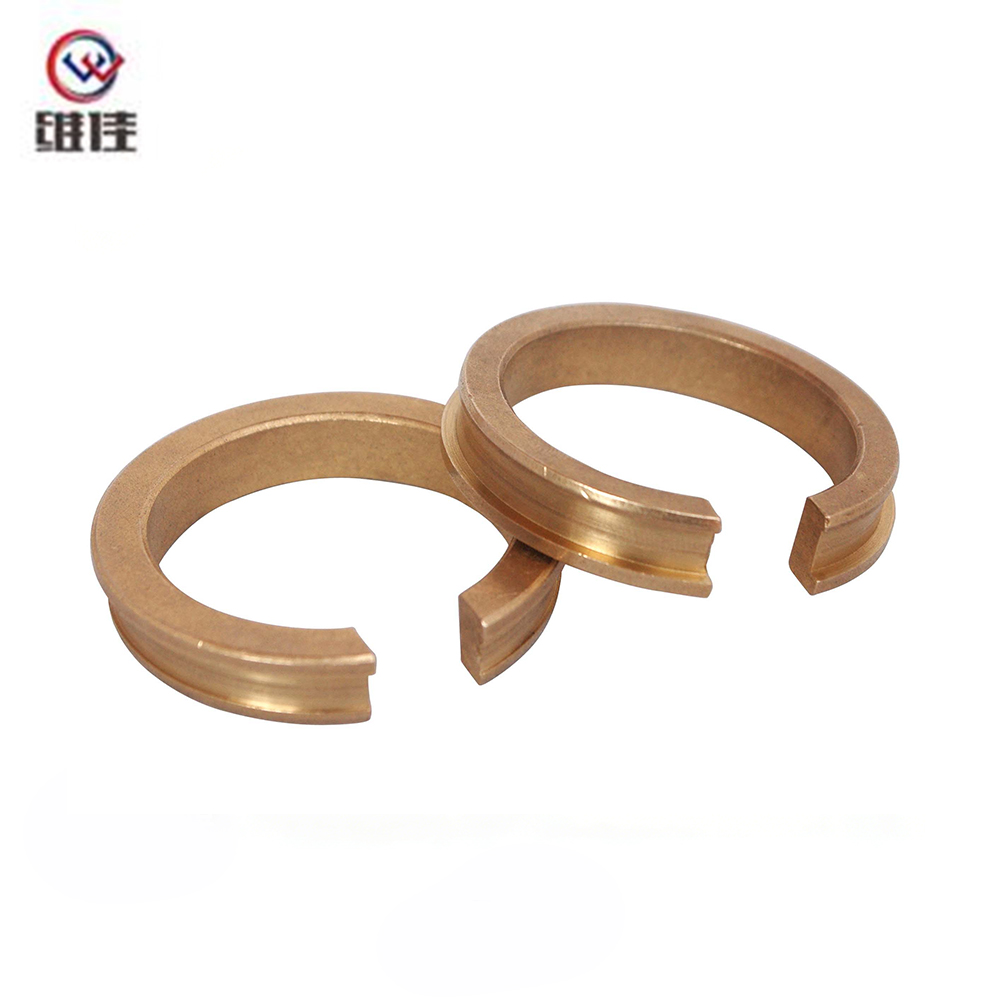
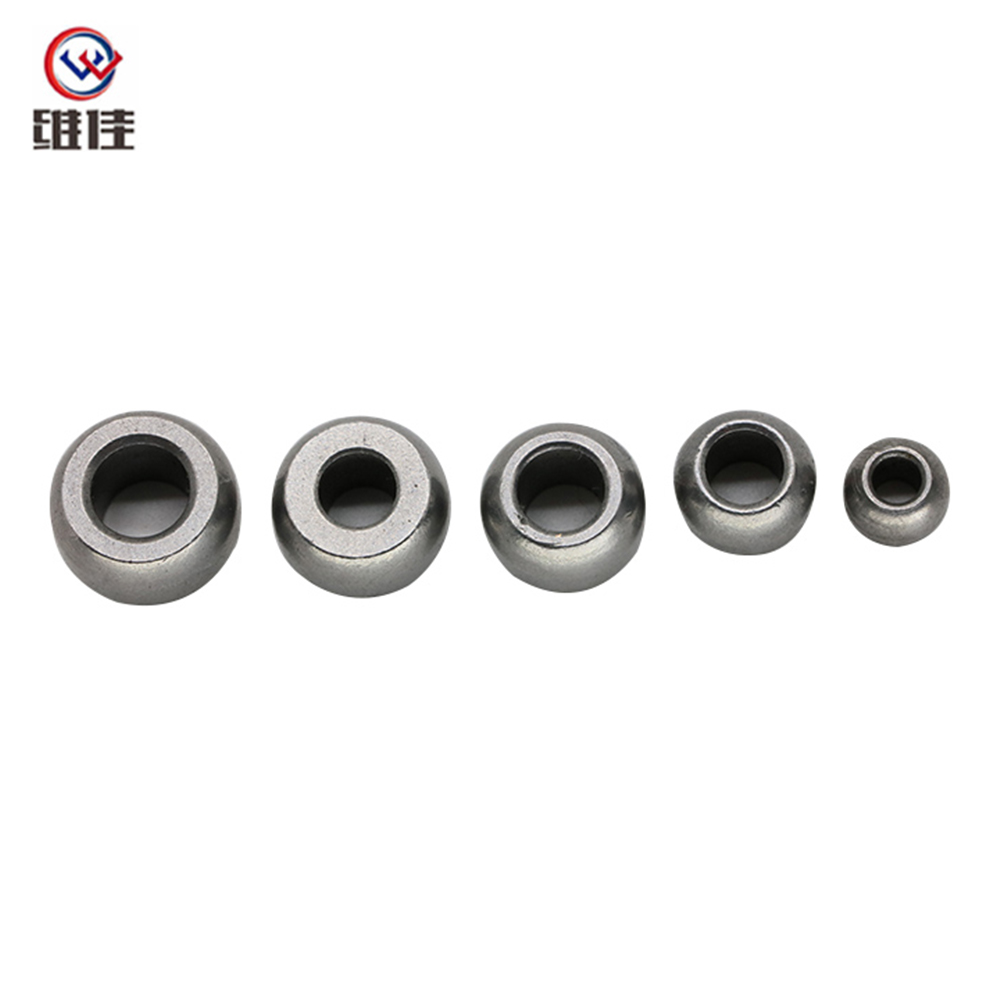
Common powder metallurgy products include:
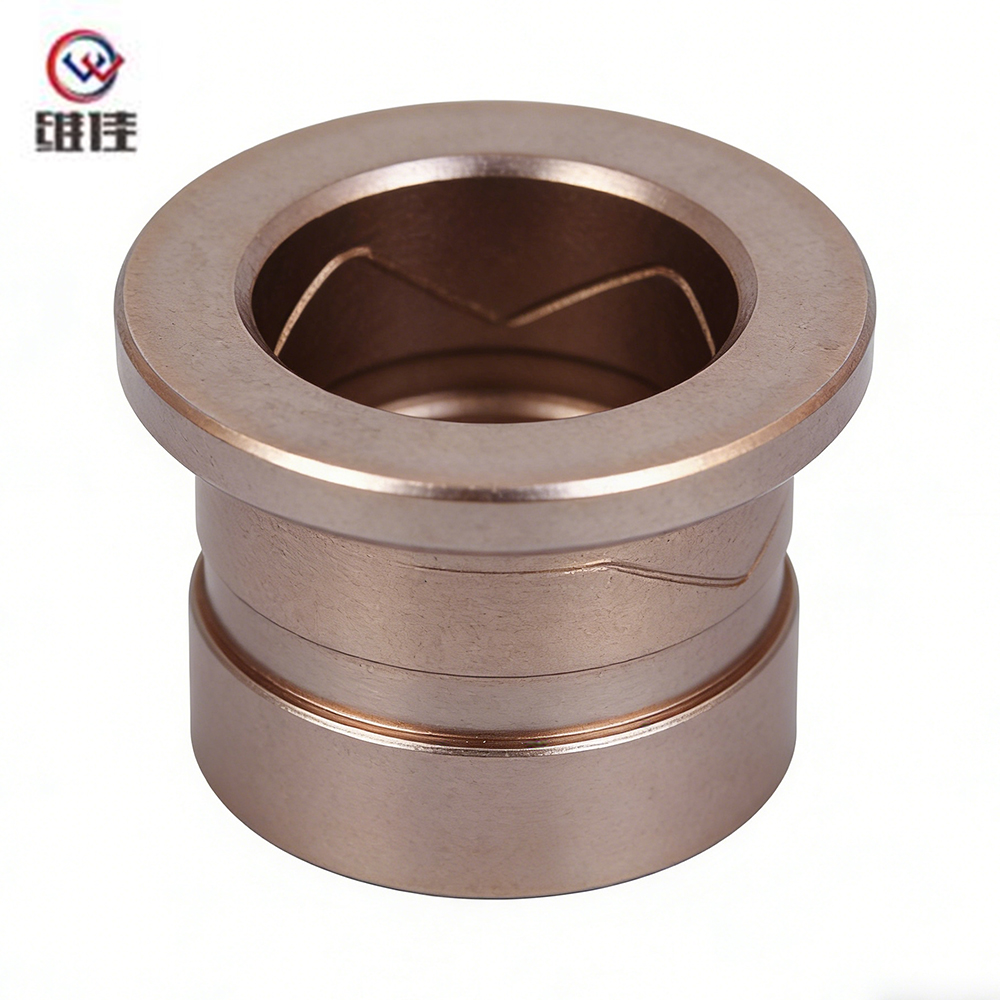
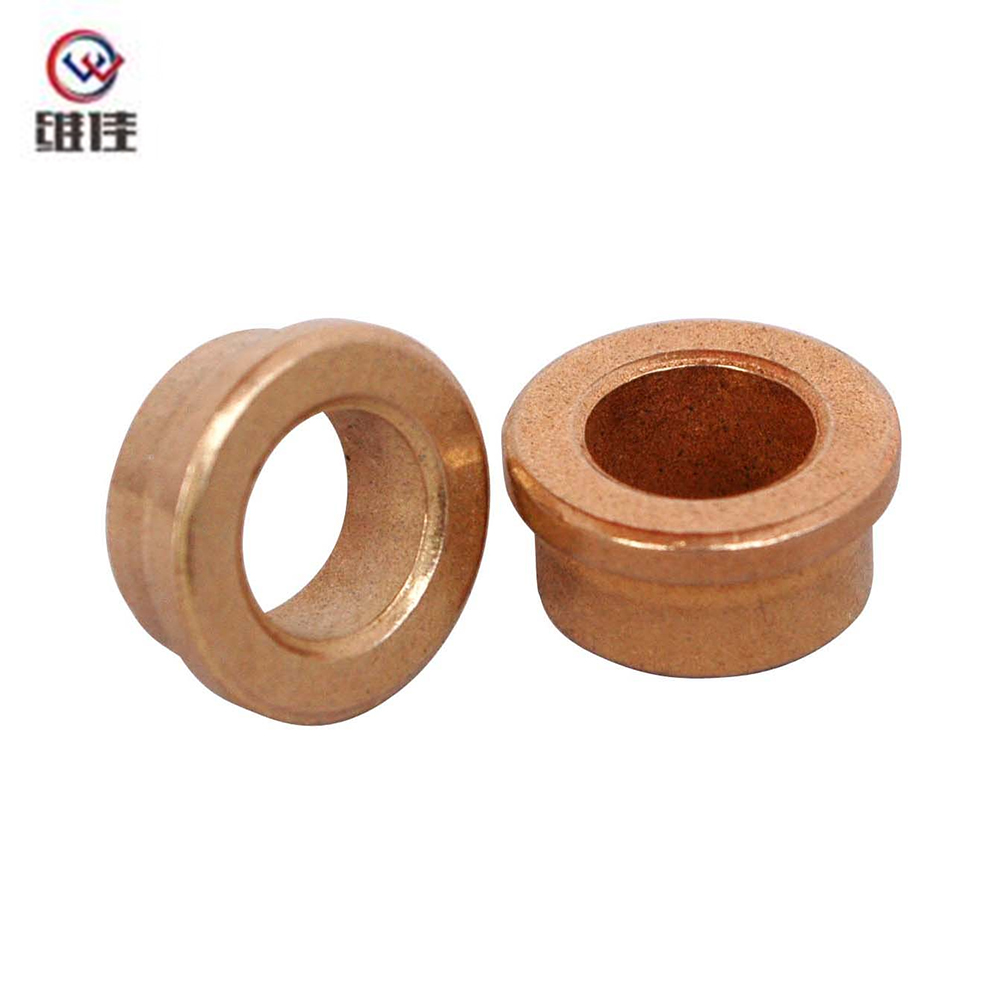
- Bushings
- Bearings
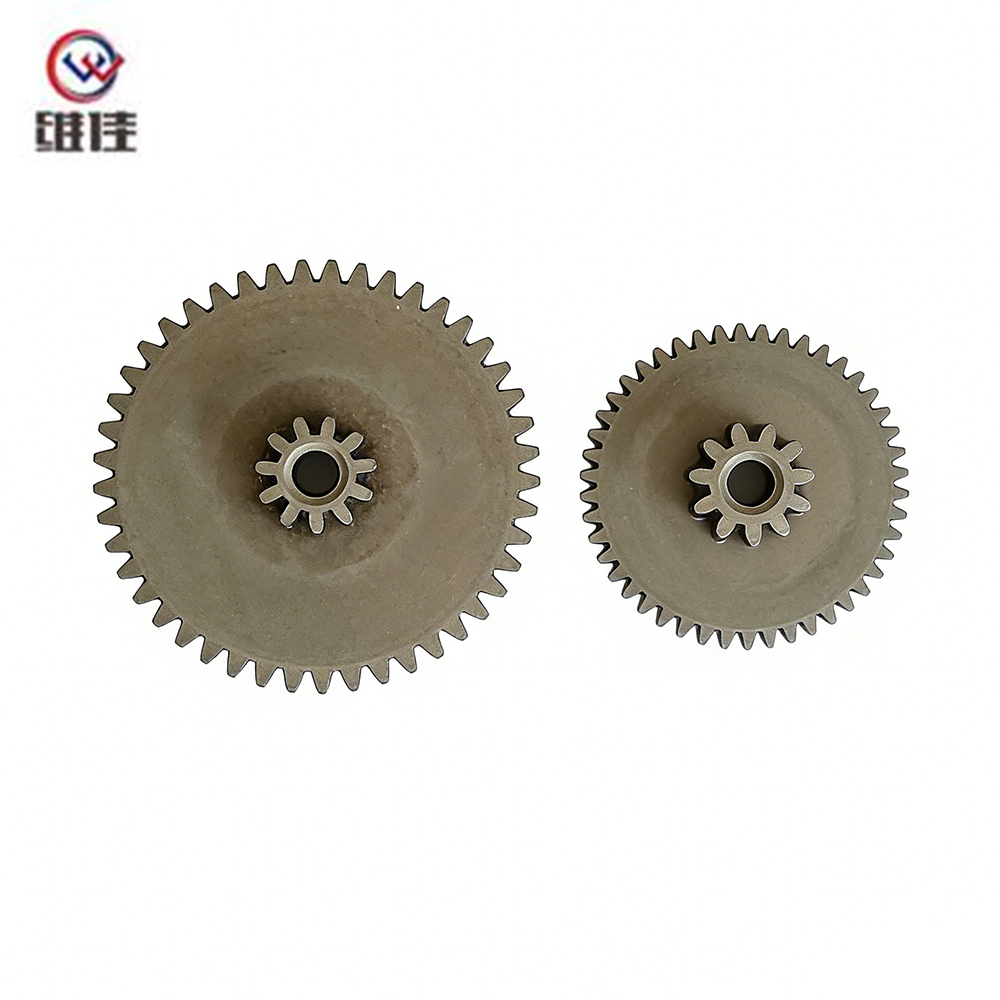
- Gears
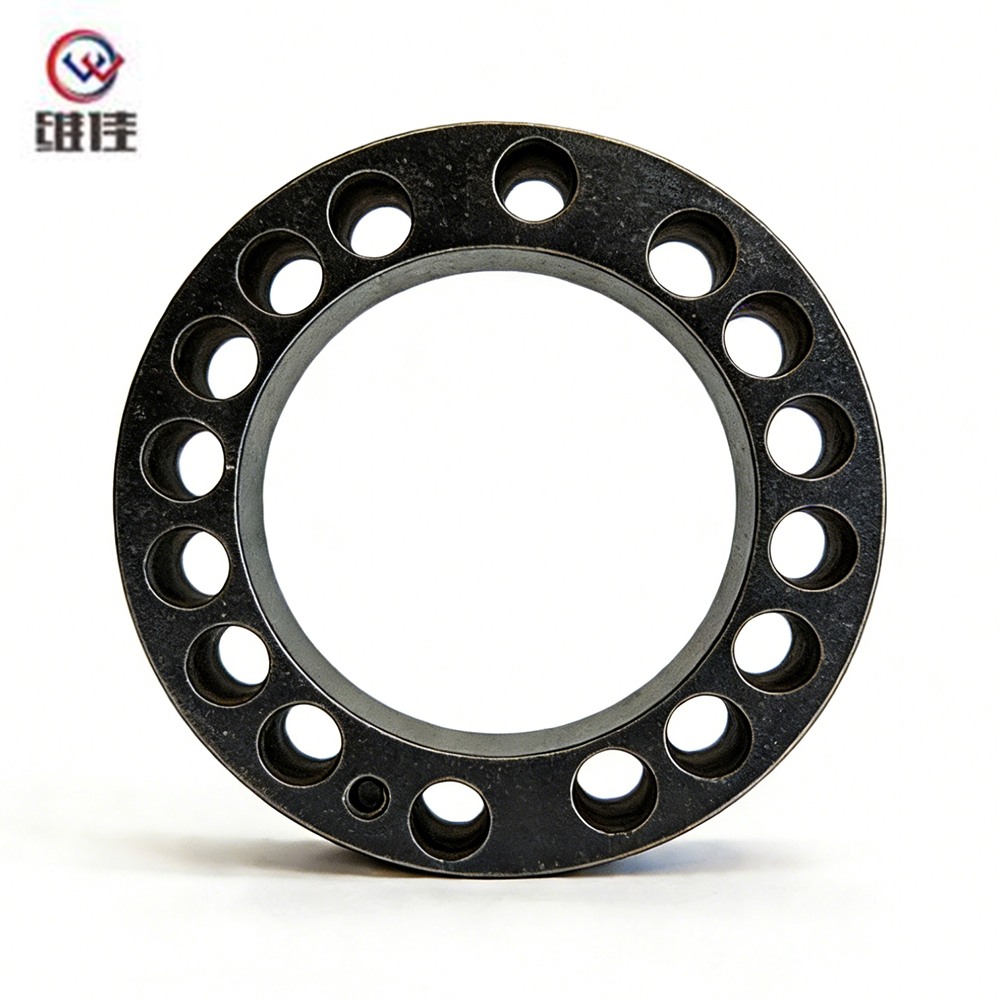
- Structural components
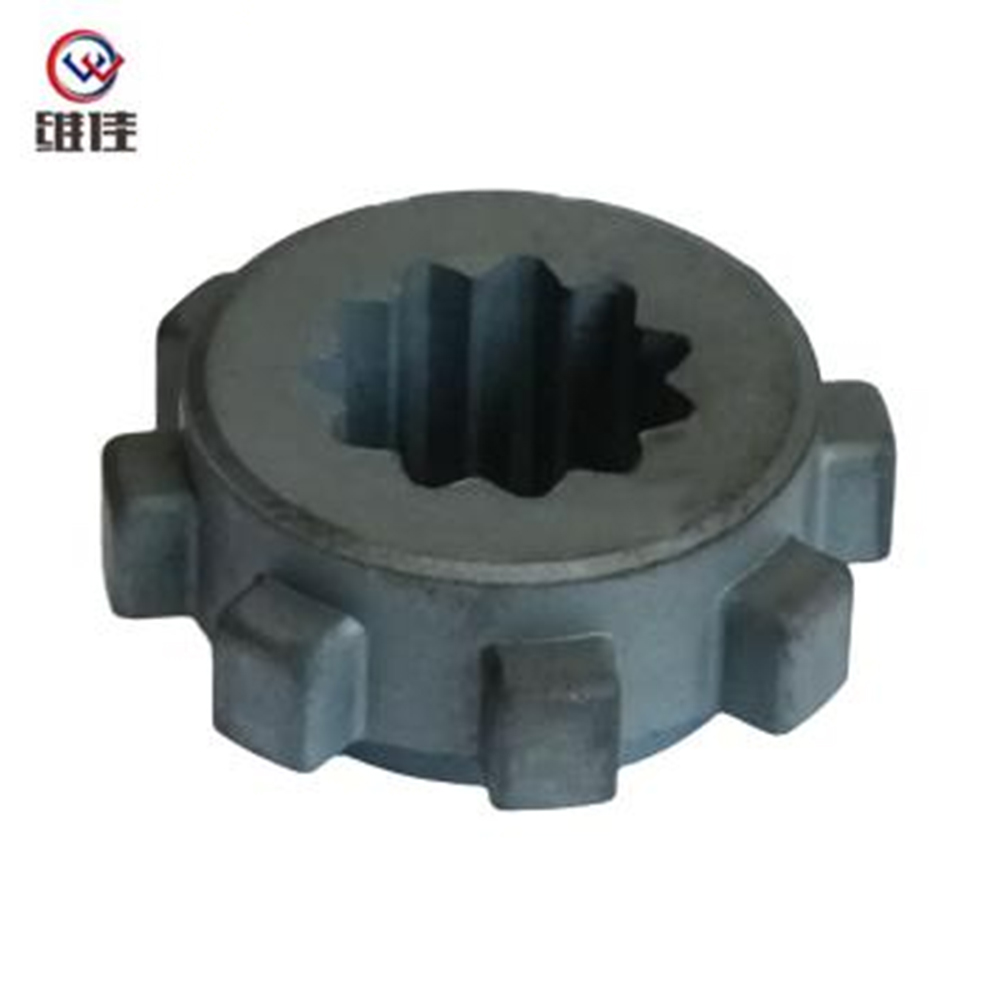
- Sprockets
- Locking parts
- Sensor components
- Precision mechanical assemblies
Because of their engineered microstructure, powder metallurgy parts can be specifically designed to withstand friction, load, and repetitive motion, significantly improving operational lifespan.
Why Is Durability Important in Industrial Components?
Durability directly influences equipment reliability, maintenance costs, and operational efficiency. Components exposed to continuous movement often experience:
- Surface abrasion
- Metal-to-metal friction
- Impact loading
- Corrosion
- Fatigue stress
- Thermal cycling
If a component wears prematurely, it can lead to:
| Challenge |
Impact on Equipment |
| Excessive wear |
Reduced accuracy and performance |
| Component deformation |
Increased vibration and noise |
| Lubrication failure |
Accelerated damage |
| Frequent replacement |
Higher maintenance costs |
| Unexpected downtime |
Production interruptions |
Manufacturers therefore require components that can maintain dimensional integrity and performance throughout extended service cycles.
How Do Powder Metallurgy Parts Improve Wear Resistance?
Optimized Material Structure
One of the most significant advantages of powder metallurgy is the ability to engineer material composition precisely.
During production, alloying elements can be uniformly distributed throughout the component. This creates a consistent microstructure that improves:
- Hardness
- Strength
- Surface durability
- Fatigue resistance
Compared with many conventionally processed materials, powder metallurgy materials provide better control over performance characteristics, resulting in enhanced wear resistance under demanding operating conditions.
Self-Lubricating Properties
Many powder metallurgy sintered components, especially bushings and bearings, contain controlled porosity.
These microscopic interconnected pores can be impregnated with lubricating oil, creating a self-lubricating structure.
Benefits include:
- Reduced friction coefficients
- Lower operating temperatures
- Less lubrication maintenance
- Reduced surface wear
- Extended service life
Self-lubricating bushings are particularly valuable in applications where regular maintenance is difficult or where continuous lubrication cannot be guaranteed.
Uniform Hardness Distribution
Traditional manufacturing methods sometimes create uneven hardness profiles due to machining or heat treatment variations.
Powder metallurgy offers:
- Consistent density distribution
- Uniform alloy composition
- Stable hardness throughout the component
This uniformity reduces localized wear and helps maintain dimensional accuracy over extended periods.
Material Selection and Wear Performance
The wear resistance of powder metallurgy products can be further enhanced through material selection.
| Material Type |
Key Characteristics |
Typical Applications |
| Iron-Based PM Materials |
High strength and wear resistance |
Gears, sprockets, structural parts |
| Copper-Based Materials |
Good thermal conductivity and self-lubrication |
Bearings and bushings |
| Stainless Steel PM Materials |
Corrosion resistance and durability |
Industrial equipment |
| Alloy Steel PM Materials |
Enhanced hardness and fatigue resistance |
High-load components |
| Composite PM Materials |
Tailored performance characteristics |
Specialized engineering parts |
Material flexibility allows engineers to match component properties precisely with operating requirements.
How Does Controlled Porosity Contribute to Durability?
Porosity is often viewed negatively in traditional manufacturing, but in powder metallurgy it can be strategically utilized.
Controlled porosity offers several advantages:
Lubricant Retention
The pore network stores lubricant internally and gradually releases it during operation.
Reduced Friction
Continuous lubrication minimizes direct metal contact.
Improved Heat Management
Reduced friction lowers heat generation, helping maintain component stability.
Longer Service Life
Lower wear rates contribute to extended operating cycles and reduced maintenance requirements.
This unique characteristic is one reason why powder metallurgy bushings are widely used in rotating and sliding applications.
The Role of Precision Manufacturing in Wear Resistance
Wear resistance is not determined solely by material properties. Dimensional accuracy also plays an important role.
Accurate component geometry contributes to:
- Better load distribution
- Reduced stress concentration
- Improved alignment
- Lower vibration
- More stable operation
Modern powder metallurgy production technologies enable the manufacture of highly precise components with tight dimensional tolerances.
This precision reduces abnormal wear patterns and contributes to overall equipment reliability.
Why Are Powder Metallurgy Parts Widely Used in Automotive Applications?
Automotive systems require components that can withstand continuous operation while maintaining high efficiency.
Typical automotive applications include:
| Component Type |
Function |
| Engine components |
Motion transmission and support |
| Transmission gears |
Power transfer |
| Oil pump parts |
Fluid management |
| Sensor components |
Precision positioning |
| Bushings and bearings |
Friction reduction |
For automotive manufacturers, durability and consistency are essential. This is why many buyers seek suppliers capable of producing IATF16949 certified powder metallurgy products.
The IATF 16949 quality management framework emphasizes process control, product consistency, traceability, and continuous improvement, helping ensure reliable component performance in demanding automotive environments.
How Can Advanced Powder Metallurgy Processes Improve Component Life?
Modern powder metallurgy technology incorporates several advanced manufacturing techniques:
High-Precision Powder Blending
Ensures uniform material composition.
Optimized Compaction
Produces consistent density throughout the component.
Controlled Sintering
Enhances metallurgical bonding and mechanical properties.
Secondary Processing
Includes sizing, machining, impregnation, and surface treatment to improve final performance.
These processes collectively enhance:
- Wear resistance
- Fatigue strength
- Dimensional stability
- Load-bearing capacity
- Corrosion resistance
Customized Powder Metallurgy Solutions for Different Industries
Different industries require different performance characteristics.
Examples include:
| Industry |
Performance Focus |
| Automotive |
Durability and precision |
| Industrial Machinery |
Load capacity and wear resistance |
| Agricultural Equipment |
Impact resistance |
| Power Tools |
High-speed operation |
| Household Appliances |
Low noise and long life |
Customized engineering solutions allow manufacturers to optimize component design according to specific operational requirements.
Manufacturing Excellence and Quality Assurance
Quality control is fundamental to producing reliable powder metallurgy parts.
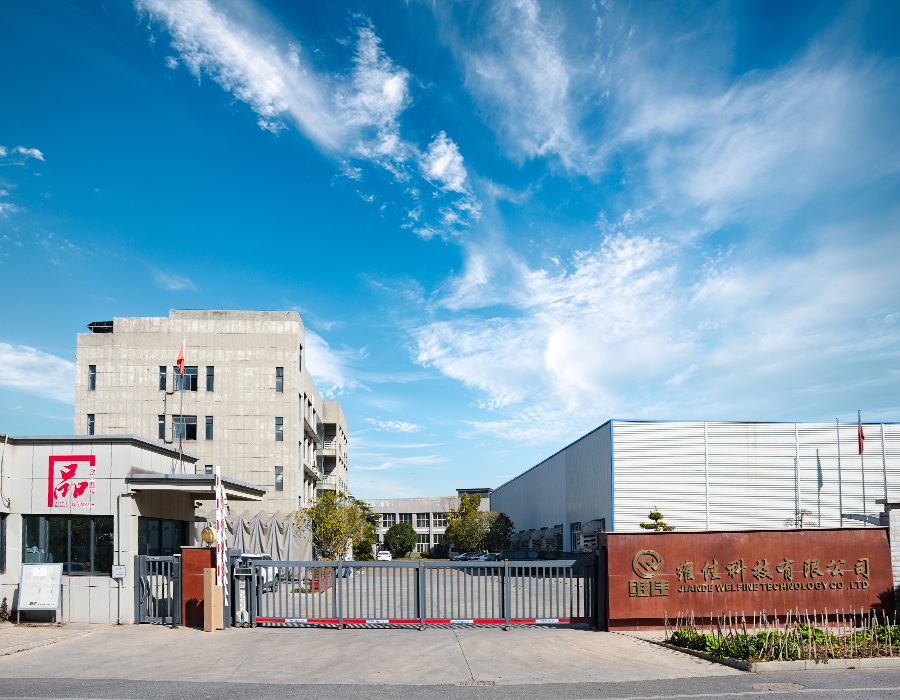
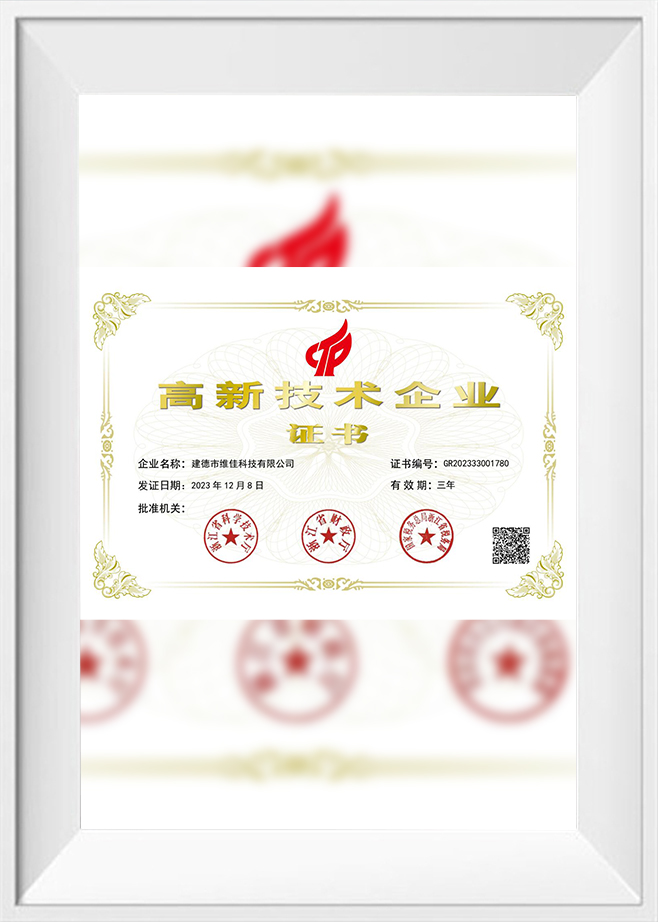
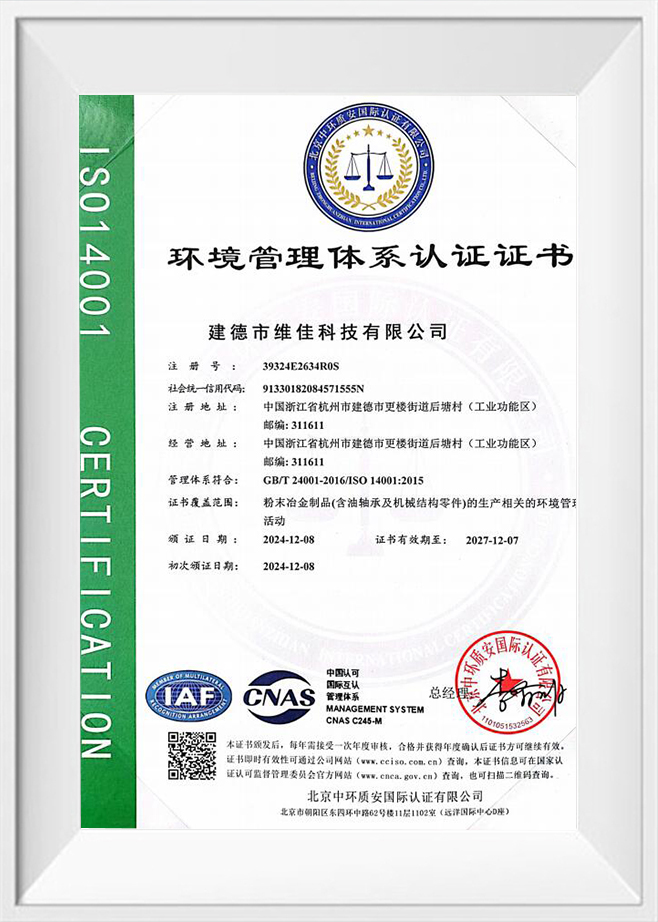
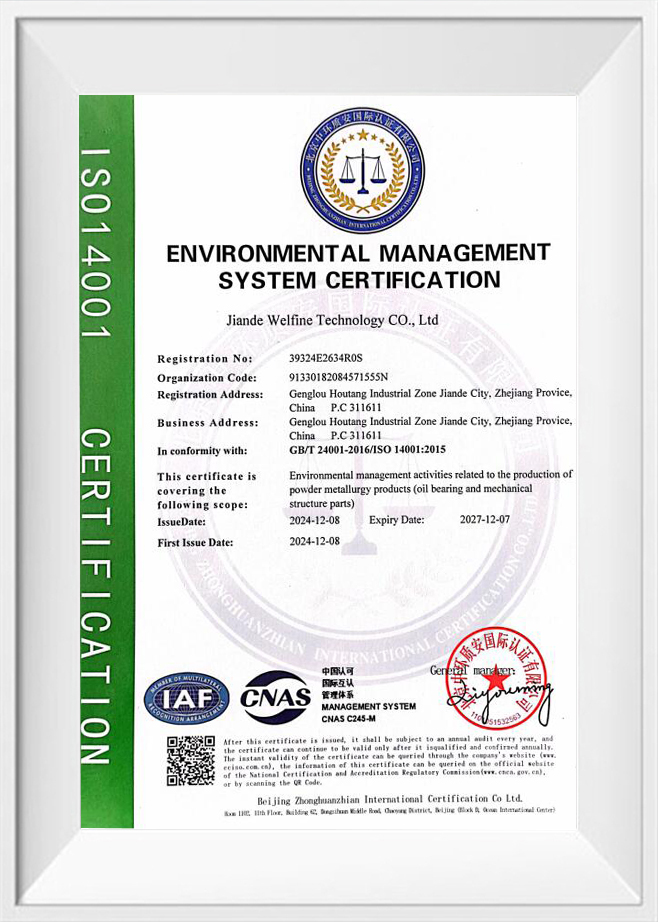
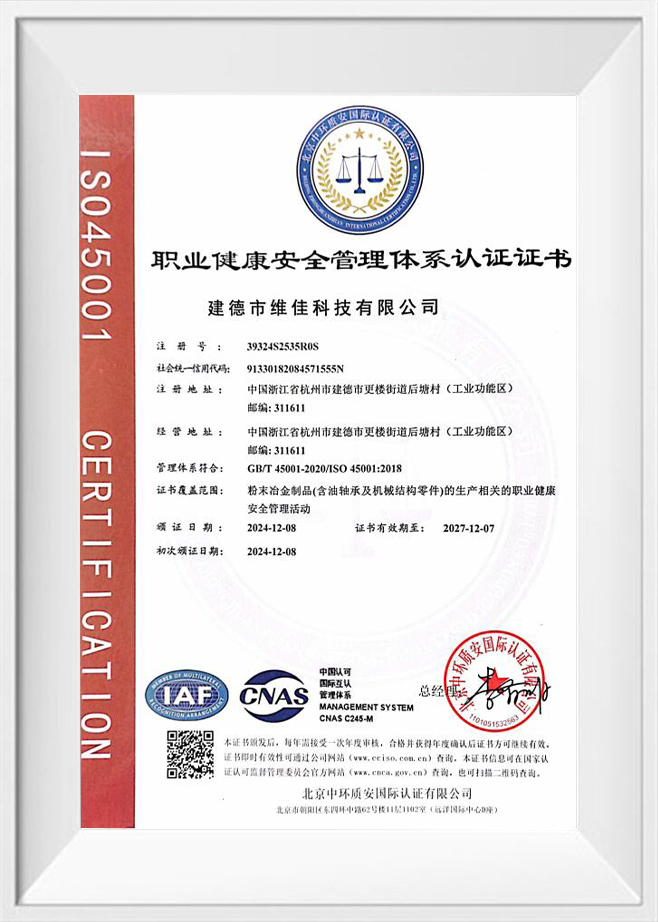
Jiande Welfine Technology Co., Ltd. is a high-tech enterprise integrating research and development, manufacturing, and sales, specializing in powder metallurgy sintering and precision machining technologies.
The company focuses on:
- Powder metallurgy bushings
- Self-lubricating bushings
- Precision sintered components
- Customized OEM/ODM solutions
With extensive industry experience, Jiande Welfine continuously improves production processes to enhance:
- Dimensional accuracy
- Production efficiency
- Mechanical performance
- Product consistency
Supported by experienced engineers, production specialists, and quality management professionals, the company provides customized solutions based on customer drawings or samples while maintaining flexible production capabilities and stable delivery schedules.
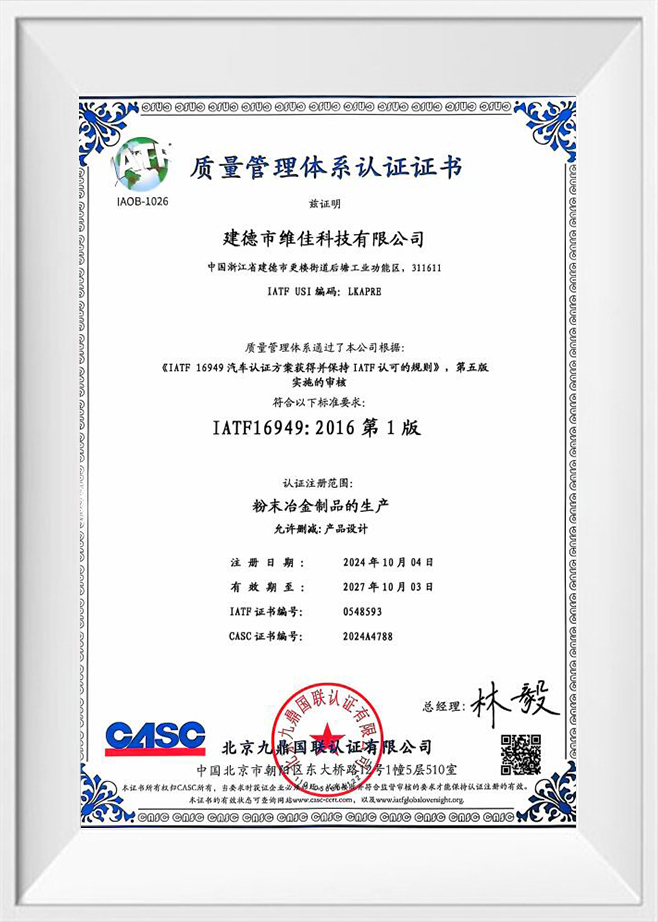
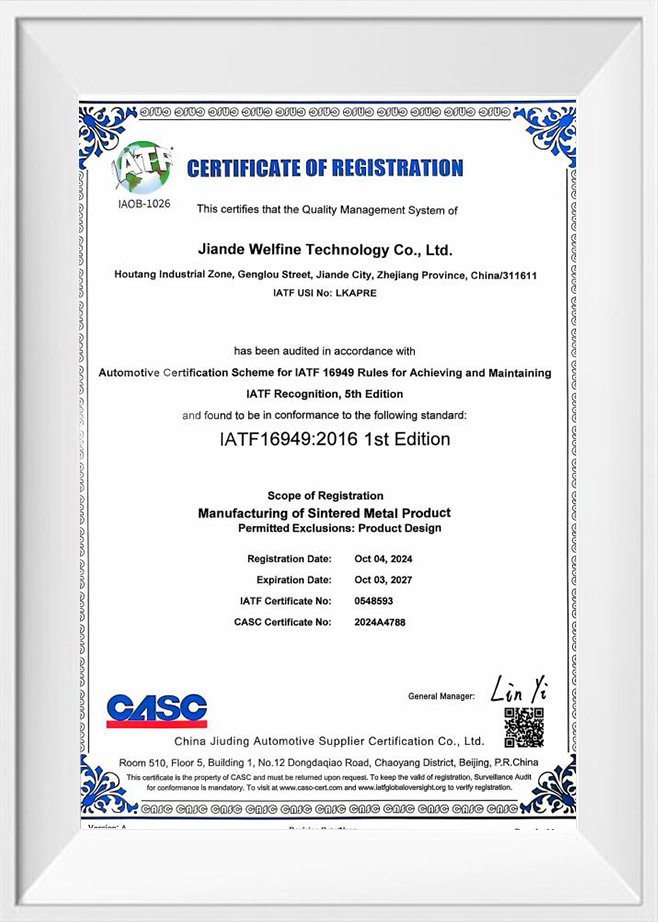
To ensure product reliability and consistency, Jiande Welfine strictly implements quality management systems and has obtained:
- ISO 9001:2015 Certification
- IATF 16949:2016 Certification
These certifications support the company’s commitment to delivering high-quality powder metallurgy sintered components that meet demanding industrial and automotive standards.
Conclusion
The growing demand for reliable, high-performance industrial components has accelerated the adoption of powder metallurgy parts across numerous industries. By combining engineered material structures, controlled porosity, self-lubricating capabilities, precise dimensional control, and advanced manufacturing processes, powder metallurgy technology significantly enhances both durability and wear resistance.
Whether used in automotive systems, industrial machinery, power tools, or household equipment, powder metallurgy sintered components provide an effective solution for reducing friction, minimizing maintenance requirements, and extending service life.
FAQ
1. What makes powder metallurgy parts more wear-resistant than conventional components?
Powder metallurgy parts can incorporate optimized alloy compositions, controlled porosity, and self-lubricating properties, which help reduce friction and improve resistance to wear.
2. What are powder metallurgy sintered components commonly used for?
They are commonly used in bushings, bearings, gears, sprockets, automotive parts, industrial machinery, household appliances, and power tools.
3. How do self-lubricating powder metallurgy bushings work?
Their porous structure stores lubricating oil internally and gradually releases it during operation, reducing friction and extending component life.
4. Why is IATF16949 certification important for powder metallurgy suppliers?
IATF 16949 certification demonstrates that a manufacturer follows rigorous quality management standards, particularly for automotive applications requiring high consistency and reliability.
5. Can powder metallurgy parts be customized?
Yes. Powder metallurgy components can be customized in terms of material composition, density, dimensions, mechanical properties, and surface treatments to meet specific application requirements.
 English
 中文简体
中文简体