E-mail us: [email protected]
Tel: +86-15239857375
 English
 中文简体
中文简体


Why are sintered parts essential for modern power tool durability?
 2026.07.01
 Industry News
In the competitive landscape of power tool manufacturing, the choice of components is a decisive factor in product quality. Sintered structural parts have emerged as the superior choice for critical mechanisms, offering a unique combination of high strength, complex geometry capability, and significant cost efficiency. Unlike traditional machining or casting, the powder metallurgy process allows for the creation of intricate shapes with tight tolerances without wasting material. This technology not only reduces production costs but also enhances the performance characteristics of power tools, such as reducing vibration and noise, thereby extending the tool's service life and improving user comfort.
Fundamental Principles of Sintered Manufacturing
Understanding the value of these components requires a look into the manufacturing process. Sintering is a branch of powder metallurgy where metal powders are compacted in a die at high pressure and then heated to a temperature below the melting point. This process bonds the particles together, creating a solid, dense structure.
The Process of Material Consolidation
The process begins with the precise blending of elemental or pre-alloyed powders. This mixture is then fed into a die and compacted. The compaction process is responsible for the near-net-shape capability of the part, meaning very little secondary machining is required. Following compaction, the "green" part is sintered in a controlled atmosphere furnace. During sintering, the particles diffuse, reducing porosity and increasing strength.
Material Versatility
One of the significant advantages of sintering is the ability to tailor materials. Manufacturers can create specific alloy compositions that would be difficult or impossible to achieve with casting. Common materials for power tool parts include iron-carbon alloys, nickel steels, and copper-infiltrated steels, chosen for their specific hardness and wear properties.
Key Performance Benefits for Power Tools
Power tools operate under high stress, vibration, and varying loads. Sintered parts are specifically engineered to withstand these harsh conditions while offering distinct advantages over wrought materials.
Superior Wear Resistance and Durability
The operational life of a power tool is often dictated by the longevity of its internal gears and structural components. Through processes like infiltration and surface densification, sintered parts achieve exceptional wear resistance. The porous nature of sintered materials can also be utilized to hold lubricant, providing a self-lubricating effect that significantly reduces friction and prevents catastrophic failure in high-speed applications.
Reduction of Noise and Vibration
User comfort is a priority in power tool design. The inherent damping properties of sintered materials are superior to those of solid steel. The micro-porosity within the structure acts as a dampener for vibrational energy. This characteristic is crucial for reducing the overall noise output of power tools, making them safer and more comfortable for prolonged use.
High Strength-to-Weight Ratio
Modern power tools are trending towards lighter, more ergonomic designs. Sintering allows for the production of parts that maintain high structural integrity while potentially reducing overall weight compared to solid machined alternatives. This contributes to a lighter tool without sacrificing power or torque capacity.
Complex Geometries and Design Flexibility
The design freedom offered by sintering is a game-changer for mechanical engineers. Traditional machining processes often struggle with complex features like radial holes, multiple levels, or intricate spline profiles.
Integration of Multiple Features
Sintered structural parts can be designed with complex shapes, including flutes, splines, and gear teeth, directly pressed into the form. This eliminates the need for secondary machining operations, which can be costly and time-consuming. For example, a single sintered gear can integrate a cam or a ratchet mechanism as part of the initial pressing, streamlining the assembly process.
Precision and Tolerance Control
Dimensional stability is critical in power tool components where gears must mesh perfectly. The compaction process ensures repeatable precision, with tolerances that can often be held to within a few hundredths of a millimeter. This high degree of accuracy ensures smooth operation and reduces the need for shimming or adjustments during assembly.
Economic Efficiency and Sustainability
Beyond performance, the economic argument for sintered structural parts is compelling. Manufacturers are constantly seeking ways to optimize production lines and reduce overhead.
Material Utilization and Waste Reduction
Traditional machining is a subtractive process that generates significant scrap metal. In contrast, powder metallurgy uses over 97% of the raw material in the final product. The small amount of material lost is usually negligible. This high material utilization rate makes sintering an environmentally friendly and cost-effective solution, especially when working with expensive alloy steels.
| Manufacturing Process | Material Utilization Rate | Scrap Generation |
|---|---|---|
| Conventional Machining | Low to Moderate | High (Chips and turnings) |
| Casting | Moderate | Moderate (Sprues and risers) |
| Sintering (Powder Metallurgy) | High (Up to 97%+) | Minimal |
High-Volume Production Consistency
For power tool manufacturers producing thousands of units per day, consistency is key. Once the tooling dies are created, the sintering process allows for the rapid production of identical parts. The automation potential of the compaction press means that production speeds are significantly higher than machining, leading to a lower cost per unit for high-volume runs.
Applications in Power Tool Mechanisms
Sintered parts are ubiquitous in the internal architecture of power tools. They serve as the backbone of the mechanical transmission systems.
Planetary Gears and Transmission Systems
In cordless drills and impact wrenches, planetary gear systems are essential for transmitting high torque in a compact space. Sintered planetary gears are preferred because of their ability to be manufactured with precise tooth profiles and surface finishes. The porosity of the sintered steel retains lubricant, ensuring smooth meshing and reducing heat generation during intense operation.
Structural Housings and Spindles
Beyond gears, sintering is used to create structural components like ratchets, pawls, and spindles. These parts must withstand high impact forces. The mechanical properties of high-density sintered parts, particularly those that have undergone forging, are comparable to wrought steel, making them suitable for load-bearing applications.
Specific Component Examples
- Bevel gears for angle grinders requiring precise angular contact.
- Clutch components in rotary hammers for impact energy transfer.
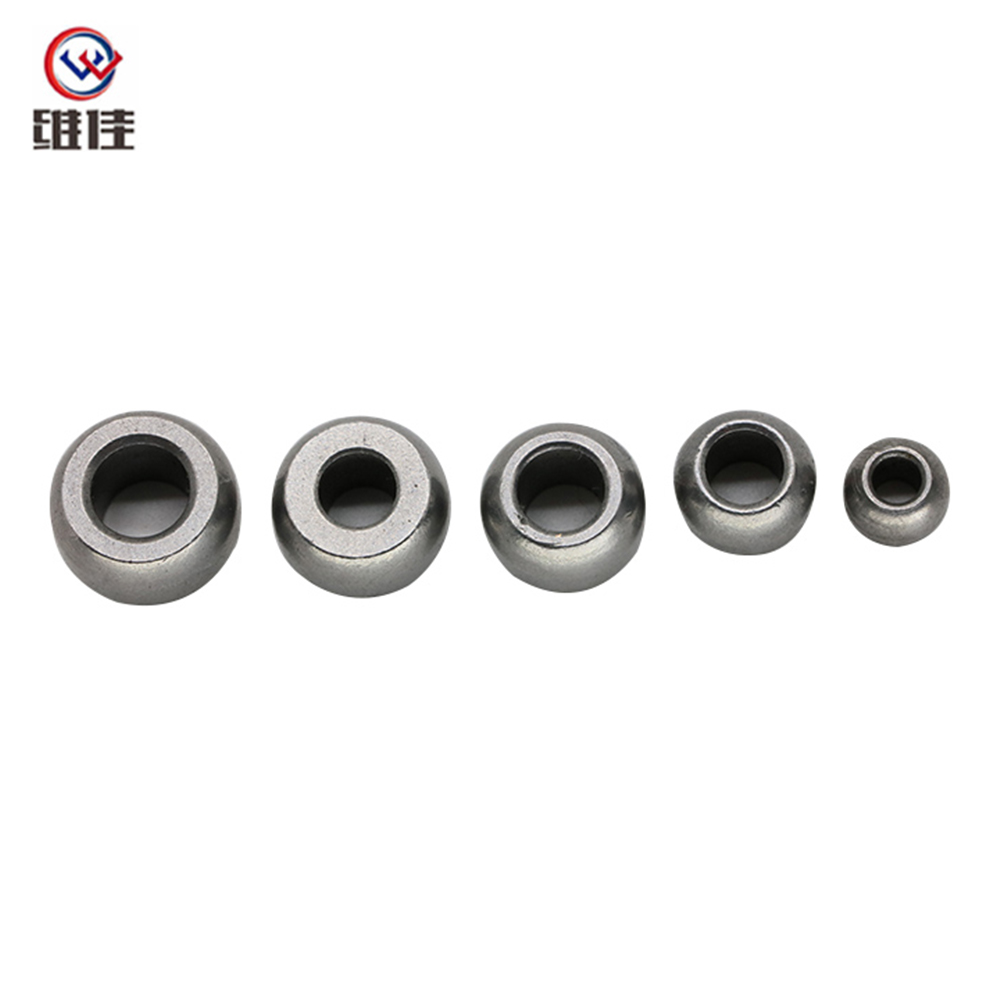
- Sintered bushings and bearings providing low-friction pivot points.
- Complex gear clusters combining multiple gear ratios in one component.
Enhancing Performance Through Secondary Operations
While sintered parts are functional directly after the sintering furnace, secondary operations can be applied to enhance their performance for demanding power tool applications.
Infiltration and Impregnation
To further increase density and strength, parts can be infiltrated with copper or other metals. This process fills the interconnected porosity, resulting in a part that is essentially 100% dense and exhibits excellent tensile strength. Alternatively, parts can be impregnated with oil or resin to provide lifetime lubrication or seal against corrosion.
Surface Treatments
Heat treatment processes such as carburizing or carbonitriding are frequently applied to sintered power tool gears. These treatments create a hard, wear-resistant surface layer while maintaining a tough, ductile core. This combination is ideal for components that must endure surface wear without fracturing under shock loads. Steam treating is another common process that oxidizes the surface to improve wear resistance and corrosion protection.
Related products
-
-
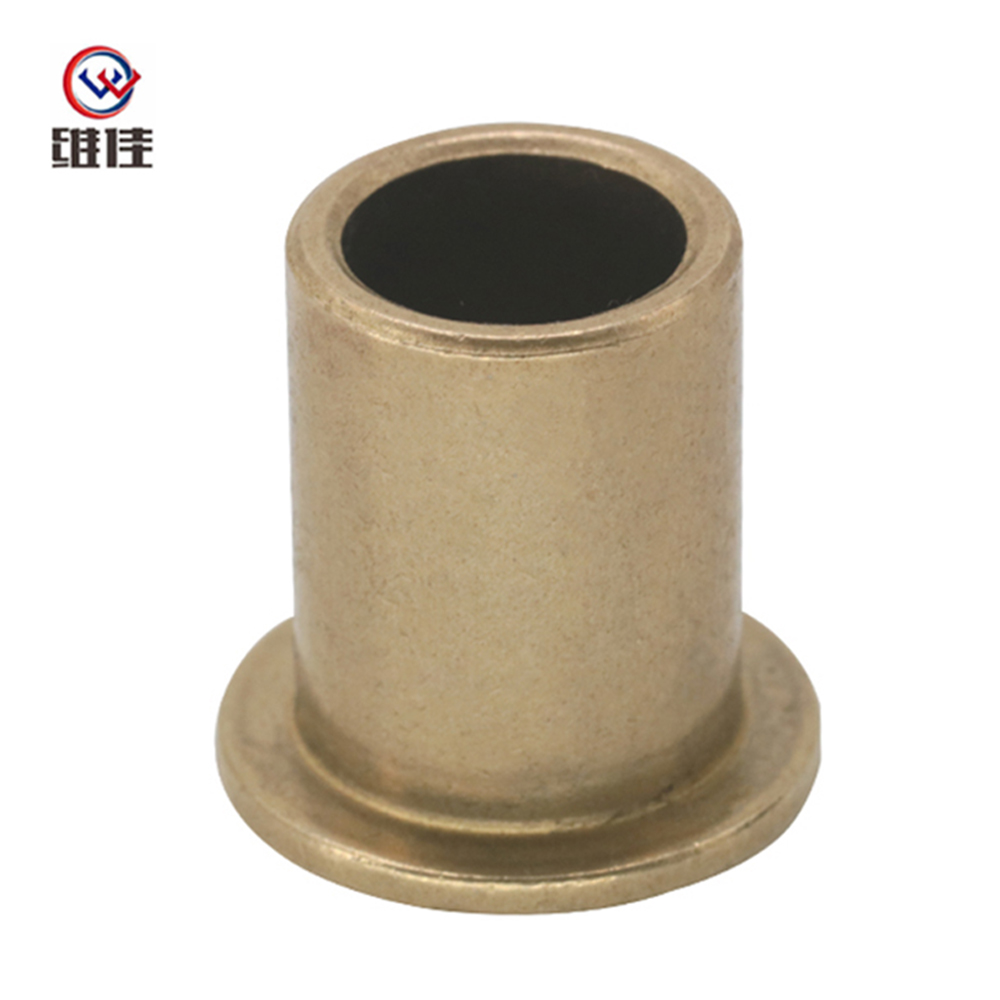
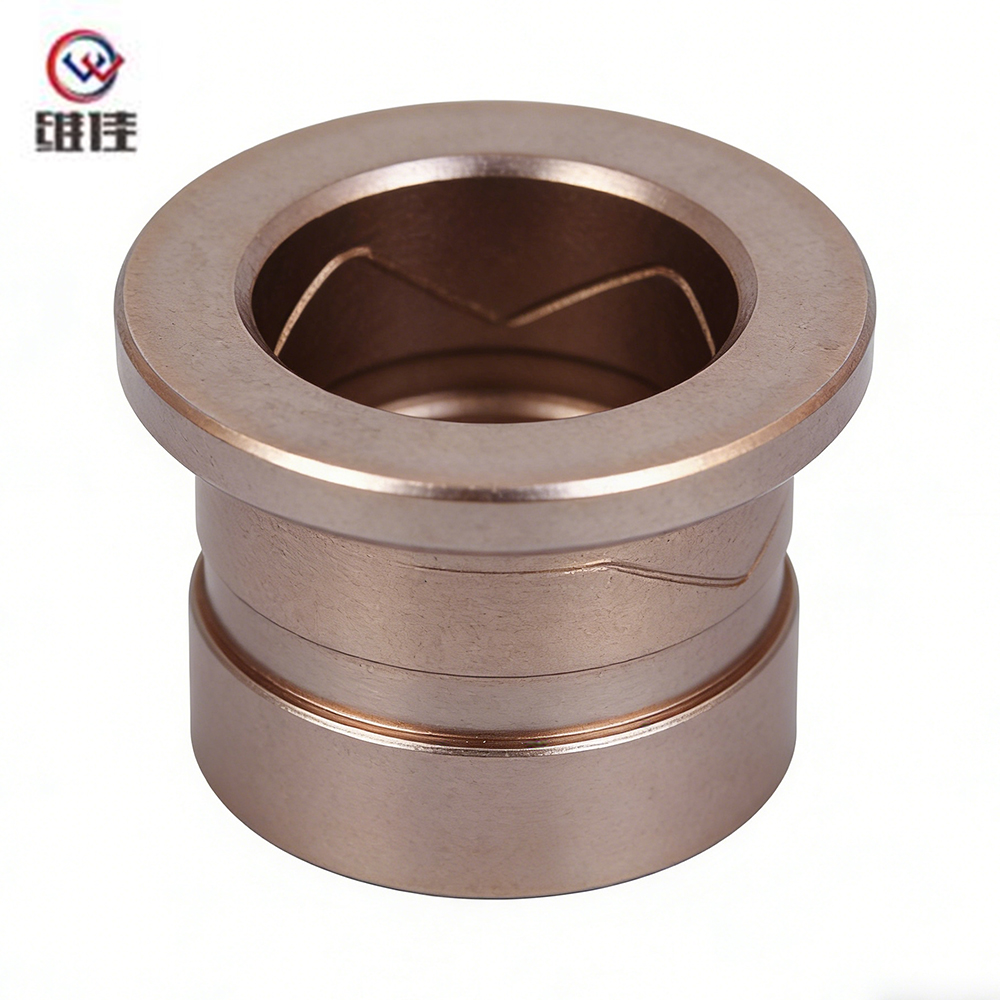
Our sintered bronze self-lubricating bearings are engineered for demanding industrial applications where traditional lubrication is impractical. Designed with advanced powder metallurgy technology, th...
See Details
Copyright © Jiande Welfine Technology Co., Ltd. All Rights Reserved. Privacy Custom Self-lubricating Sintered Bushing Manufacturers
