Why do iron-based sintered bearings suffer from corrosion and how to prevent it?
Corrosion is one of the most critical challenges in powder metallurgy components, especially in iron-based systems used in humid or chemically active environments. Among these materials, iron-based self-lubricating sintered bearing plays a key role in low-speed, high-load mechanical assemblies, where both wear resistance and long-term stability are required. However, due to the inherent porosity of sintered structures and the chemical nature of iron, corrosion can still occur if proper material design and protection strategies are not implemented. In modern industrial applications, manufacturers such as Jiande Welfine Technology Co., Ltd. continuously optimize porosity control, oil impregnation processes, and surface densification to mitigate corrosion risks while maintaining cost efficiency. This article explores the causes of corrosion and introduces engineering-based prevention methods through different product classifications.
1. Iron-based oil impregnated porous bushings and corrosion resistance design
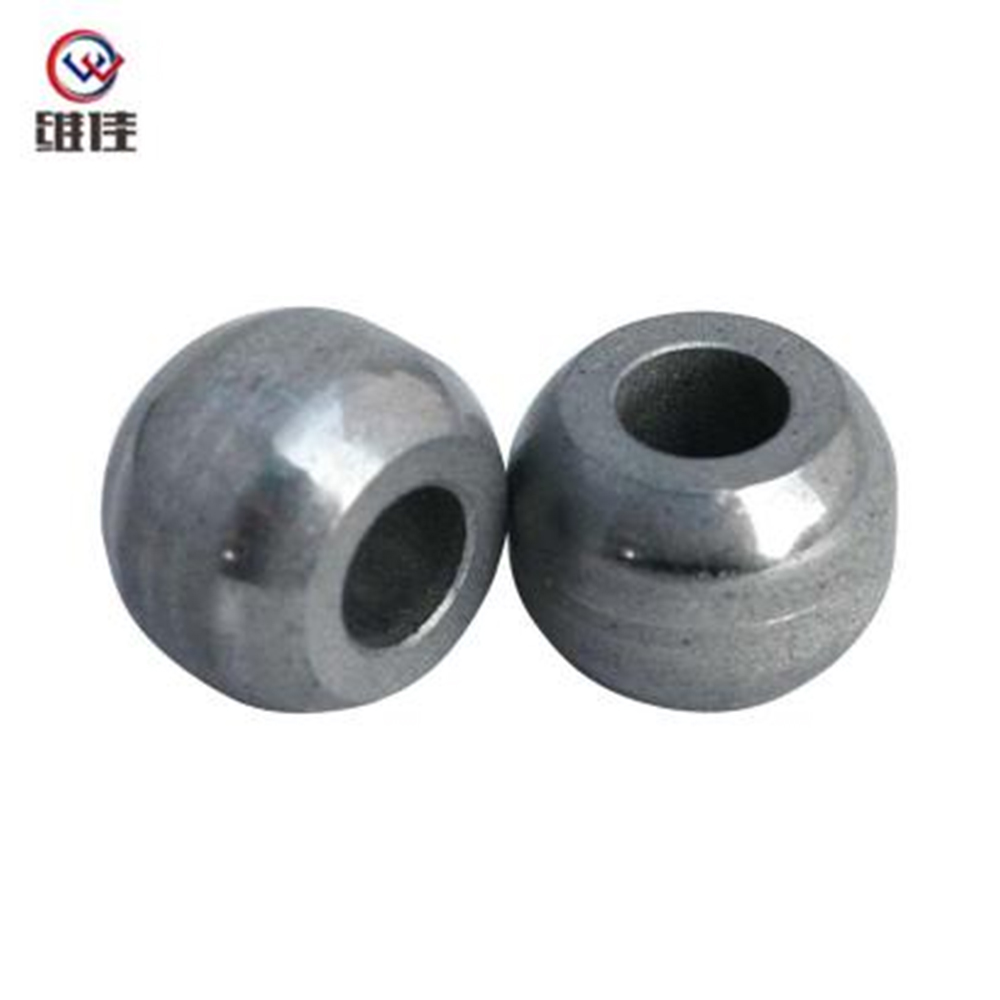
The first major category involves oil-impregnated porous bushings, which are widely used in household appliances and light industrial machinery. In this structure, the iron-based self-lubricating sintered bearing is designed with interconnected pores that store lubricating oil, enabling continuous lubrication during operation. However, these same pores can also absorb moisture or corrosive media if sealing is insufficient, leading to oxidation of iron particles inside the matrix. This is why corrosion often begins internally rather than on the surface, making detection difficult in early stages. Jiande Welfine Technology Co., Ltd. addresses this issue by optimizing sintering density and applying controlled oil impregnation techniques that reduce exposed pore channels.
From a functional perspective, this category is primarily used in applications such as washing machines, fans, and small motors, where medium load and low speed dominate operating conditions. The advantages include stable self-lubrication, low noise, and cost efficiency. However, compared with fully dense bushings, their corrosion resistance is inherently lower unless treated. To improve durability, surface sealing technologies and anti-oxidation additives are often introduced during production. Jiande Welfine Technology Co., Ltd. integrates advanced atmosphere control during sintering to minimize residual oxygen, which significantly enhances corrosion resistance.
- Continuous oil film reduces direct metal exposure
- Porosity enables self-lubrication but increases corrosion risk
- Surface sealing improves moisture resistance
- Suitable for low-maintenance rotating systems
A key innovation in this category is the use of hybrid material systems. By combining iron powder with alloying elements, manufacturers can significantly improve oxidation resistance while maintaining structural porosity. Jiande Welfine Technology Co., Ltd. has developed customized solutions for clients requiring enhanced durability in humid environments. These improvements make oil-impregnated porous bearings a balanced choice between performance and cost.
For more advanced configurations, the product line can be explored through this integrated solution: iron-based self-lubricating sintered bearing.
2. Iron-based heavy-load self-lubricating bearings for industrial machinery
The second category focuses on heavy-duty applications where corrosion resistance and mechanical strength must be balanced. In this context, iron-based self-lubricating sintered bearing is engineered with higher density and reinforced grain boundaries to withstand continuous load cycles. Unlike porous lightweight bushings, these components are designed for machinery such as lawn mowers, agricultural equipment, and industrial transmission systems. The reduced porosity significantly lowers corrosion pathways, but requires precise manufacturing control to maintain lubrication efficiency.
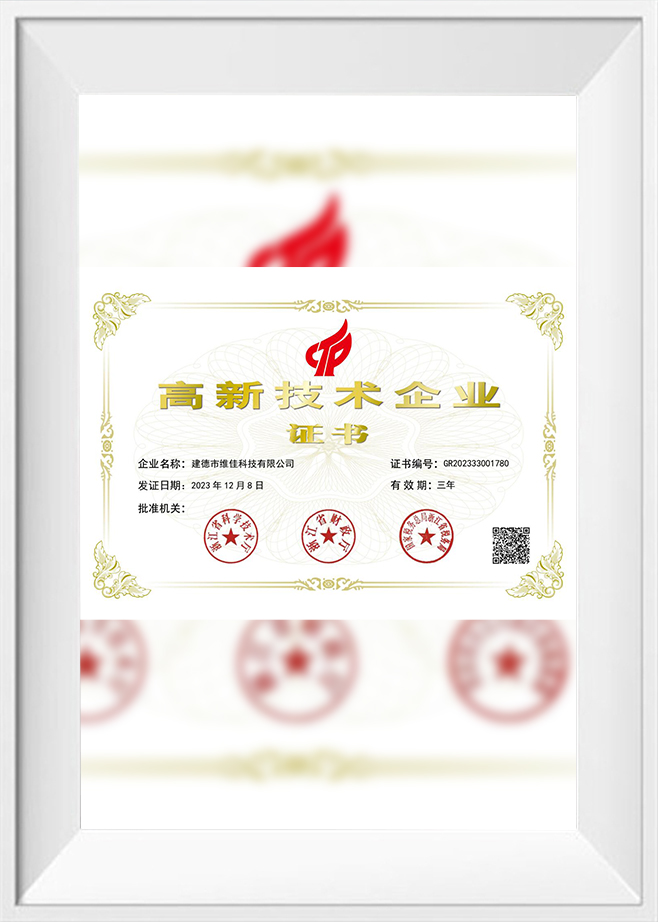
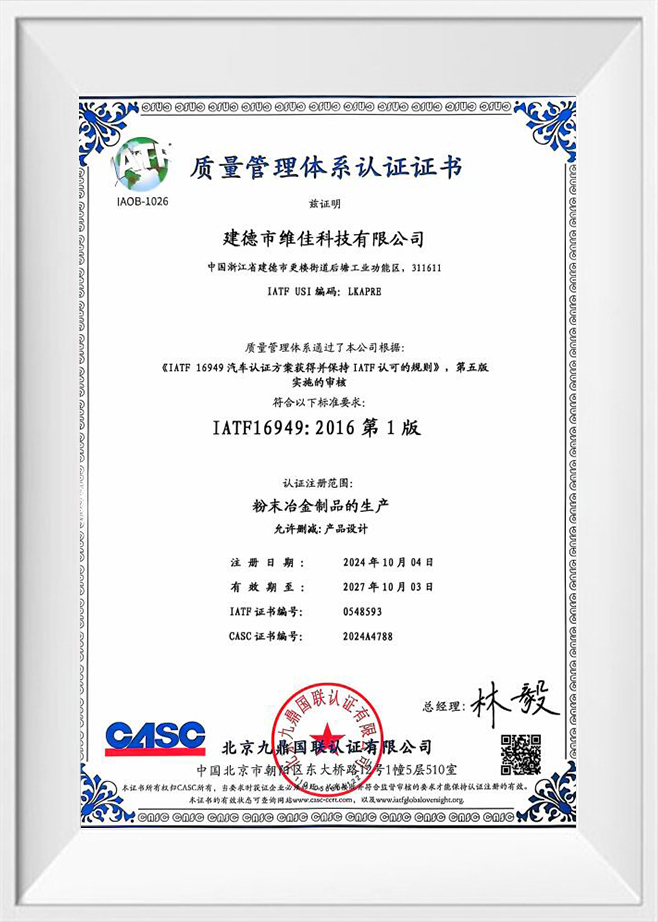
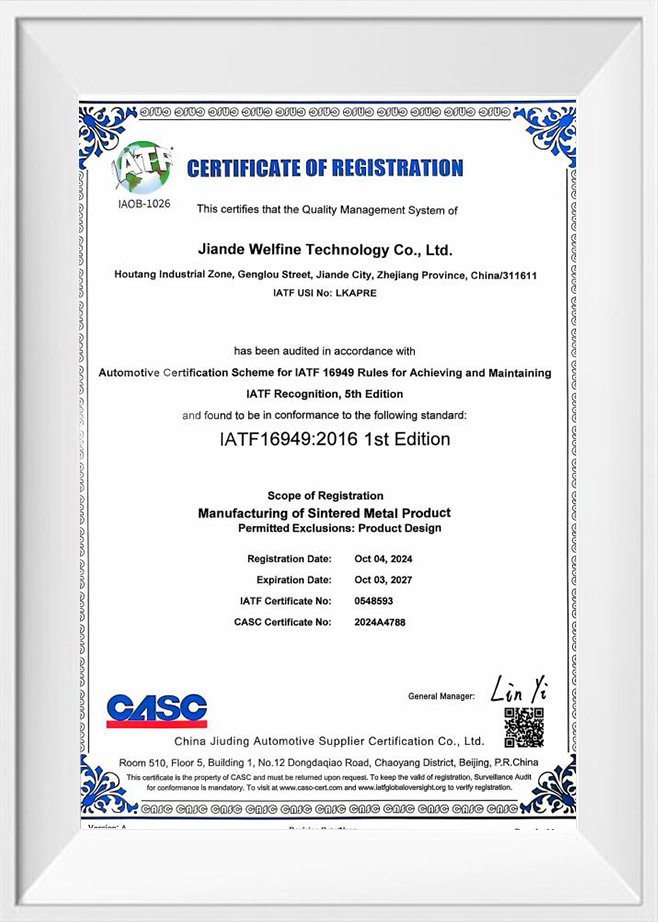
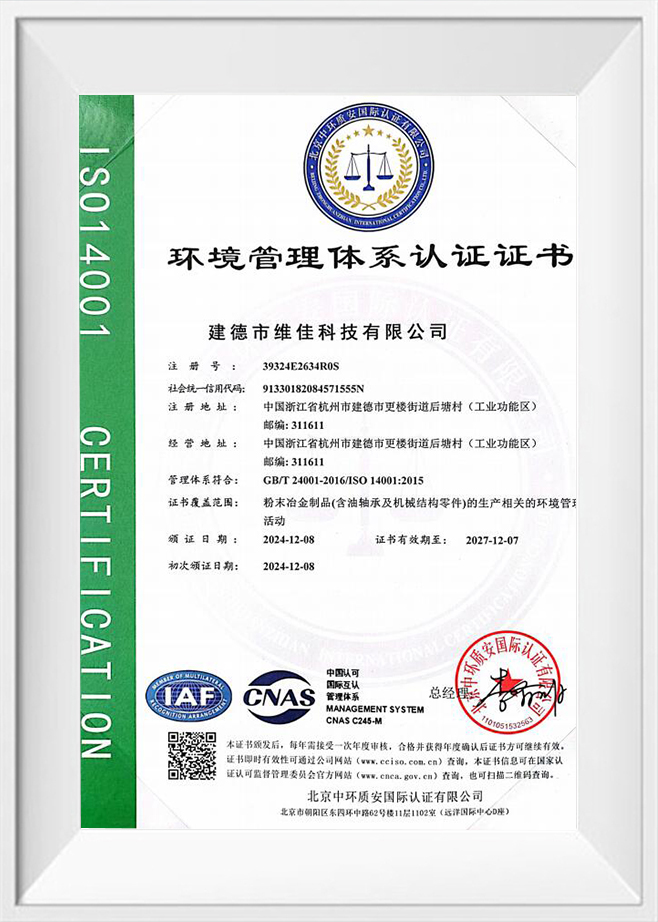
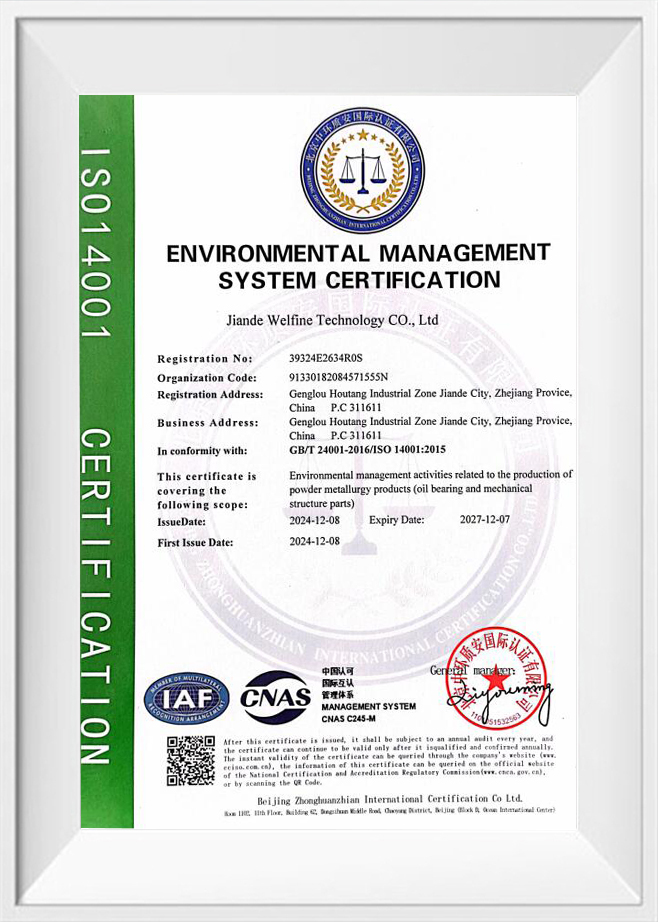
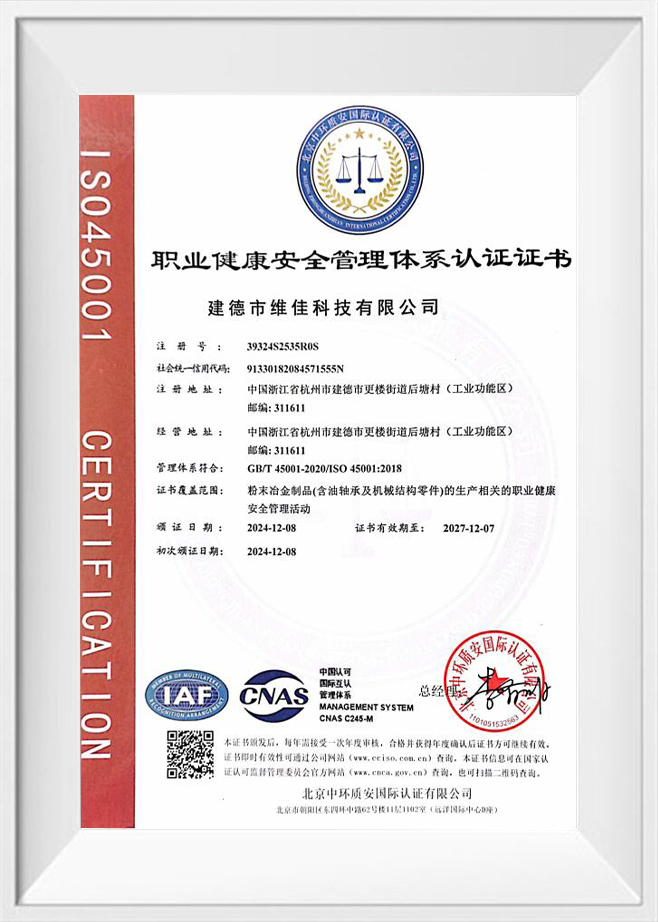
Jiande Welfine Technology Co., Ltd. applies strict quality management systems certified under ISO 9001:2015 and IATF 16949:2016 to ensure consistency in production. With advanced pressing equipment and high-temperature sintering furnaces, the company achieves uniform density distribution, which is essential for reducing localized corrosion. In heavy-load environments, corrosion often occurs due to micro-cracks formed under stress, allowing environmental agents to penetrate the material. Therefore, structural integrity is as important as surface protection.
| Feature |
Heavy-load iron-based bearing |
Standard porous bearing |
| Density level |
High |
Medium to low |
| Corrosion resistance |
Strong |
Moderate |
| Load capacity |
High |
Medium |
| Application |
Industrial machinery |
Home appliances |
A distinguishing advantage of this category is its ability to operate under harsh mechanical stress while maintaining dimensional stability. Jiande Welfine Technology Co., Ltd. enhances performance through controlled alloy composition and secondary densification processes. These improvements reduce internal voids, limiting corrosion initiation points. As a result, these bearings are widely adopted in environments where both durability and reliability are essential.
Additionally, surface treatments such as anti-oxidation coatings and thermal stabilization further extend service life. In comparison with conventional bushings, this category offers a more robust solution for long-term industrial use.
3. Composite iron-based sintered bearings with secondary machining capability
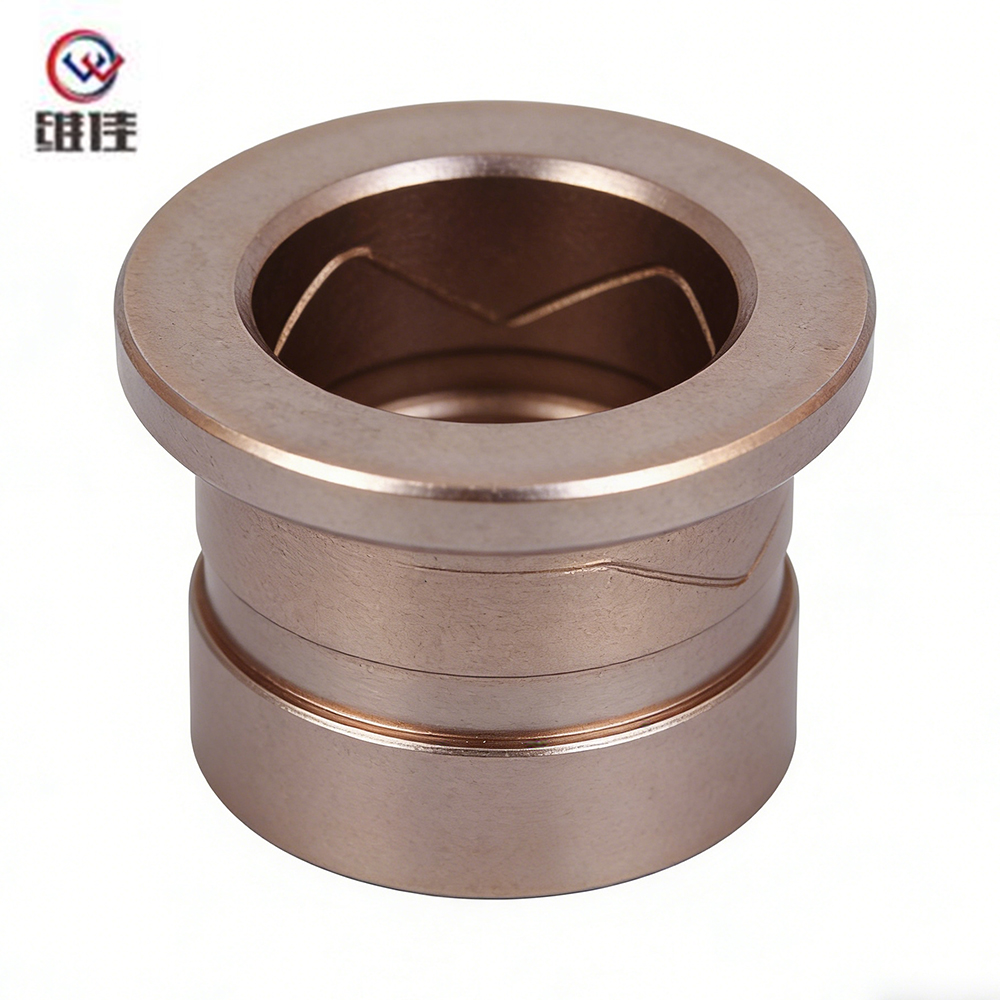
The third category includes composite structures that combine iron-based materials with additional processing such as CNC machining, drilling, and grooving. In this configuration, the iron-based self-lubricating sintered bearing is not only a functional component but also a precision-engineered part designed for complex assemblies. Corrosion prevention in this category is achieved through both material selection and post-sintering treatments that seal exposed surfaces created during machining.
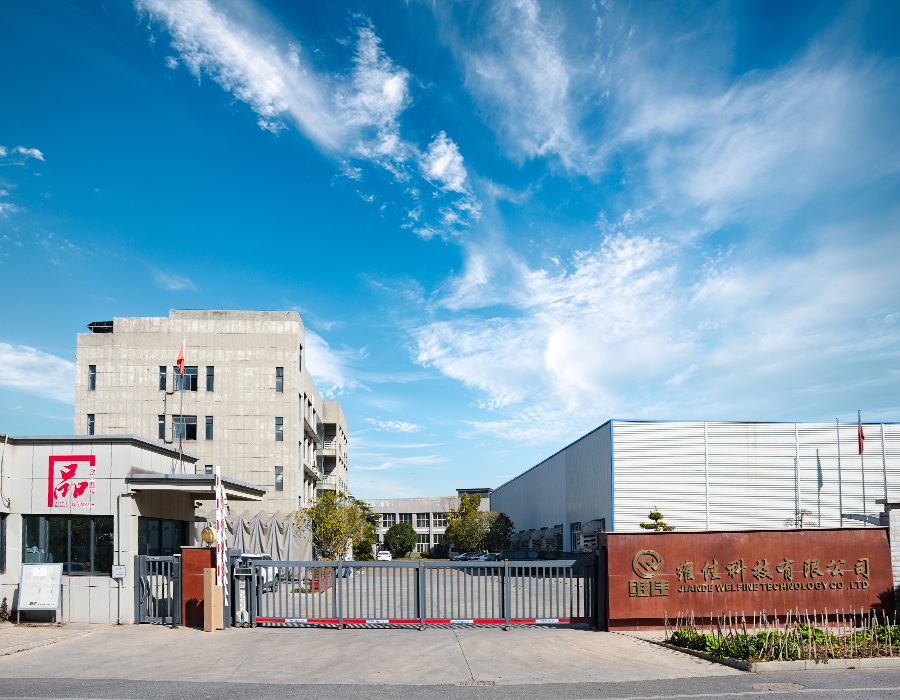
Jiande Welfine Technology Co., Ltd. specializes in providing OEM and ODM customized solutions for such components. With a modern 13,039-square-meter production base, the company supports flexible manufacturing processes that allow precise control over tolerance, surface finish, and structural reinforcement. Secondary machining, while improving functionality, can expose fresh metal surfaces, which must be protected immediately to prevent oxidation. Therefore, post-processing anti-corrosion treatments are essential.
- Material selection based on corrosion environment
- Precision machining to minimize surface damage
- Immediate sealing or coating after processing
- Quality inspection for pore exposure and oxidation risk
This category is particularly suitable for high-precision transmission systems and customized mechanical assemblies. Compared to standard bushings, composite designs provide greater flexibility but require stricter corrosion control. Jiande Welfine Technology Co., Ltd. leverages advanced testing equipment to ensure that each component meets strict reliability standards before shipment.
Through continuous innovation, the company integrates material science and machining expertise to reduce corrosion risks while enhancing functional adaptability. This makes composite sintered bearings a preferred choice for complex industrial environments.
Corrosion prevention strategies and engineering solutions
Across all categories, corrosion in iron-based materials is primarily caused by moisture ingress, oxygen exposure, and structural porosity. To address these issues, iron-based self-lubricating sintered bearing systems must be engineered with a combination of material optimization and process control. Common strategies include densification, surface sealing, and controlled atmosphere sintering. Jiande Welfine Technology Co., Ltd. applies integrated production systems that ensure consistent quality and improved corrosion resistance across different product lines.
By adjusting powder composition and controlling sintering parameters, it is possible to significantly reduce internal oxidation risks. Additionally, self-lubricating oil systems provide a protective barrier that limits direct contact between iron and environmental moisture. These combined approaches ensure stable long-term performance even under demanding conditions.
Frequently Asked Questions
Q1: Why do iron-based sintered bearings corrode easily?
Corrosion occurs mainly due to the porous structure of iron-based materials, which allows moisture and oxygen to penetrate internal surfaces. Without proper sealing or densification, oxidation can develop from within the component.
Q2: How does self-lubrication help reduce corrosion?
Self-lubricating oil forms a protective film inside the pores, reducing direct exposure of iron to corrosive elements. This slows down oxidation and extends service life in moderate environments.
Q3: What makes Jiande Welfine Technology Co., Ltd. solutions reliable?
The company combines advanced sintering technology, strict quality control systems, and customizable production capabilities to ensure consistent performance and improved corrosion resistance in all product categories.
Q4: Can machining processes increase corrosion risk?
Yes, secondary machining can expose fresh metal surfaces, increasing corrosion risk. However, immediate surface treatment and sealing processes effectively mitigate this issue.
Q5: What is the best way to improve long-term durability?
Combining optimized material composition, controlled porosity, and protective surface treatments is the most effective approach to enhancing durability in iron-based sintered components.
 English
 中文简体
中文简体