What Manufacturing Factors Determine the Accuracy and Durability of a High Precision PM Component Iron Bearing S14x7x10?
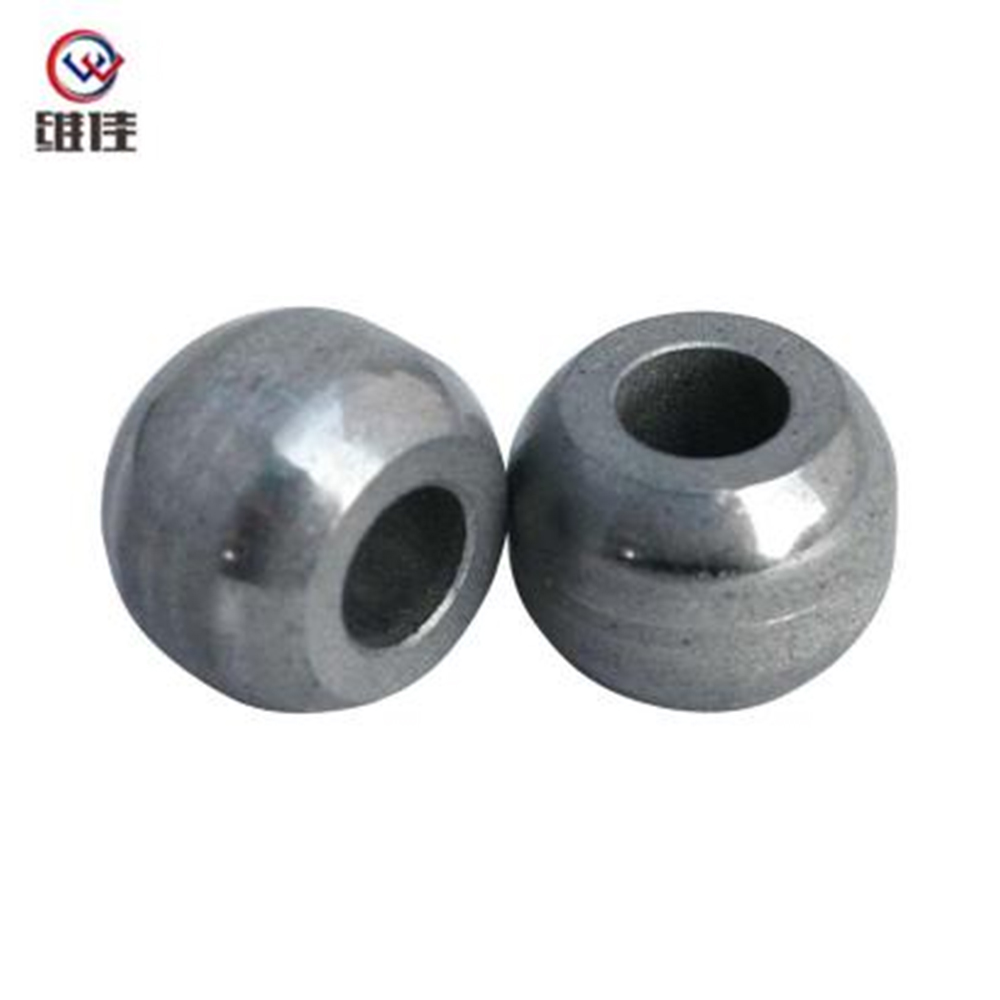
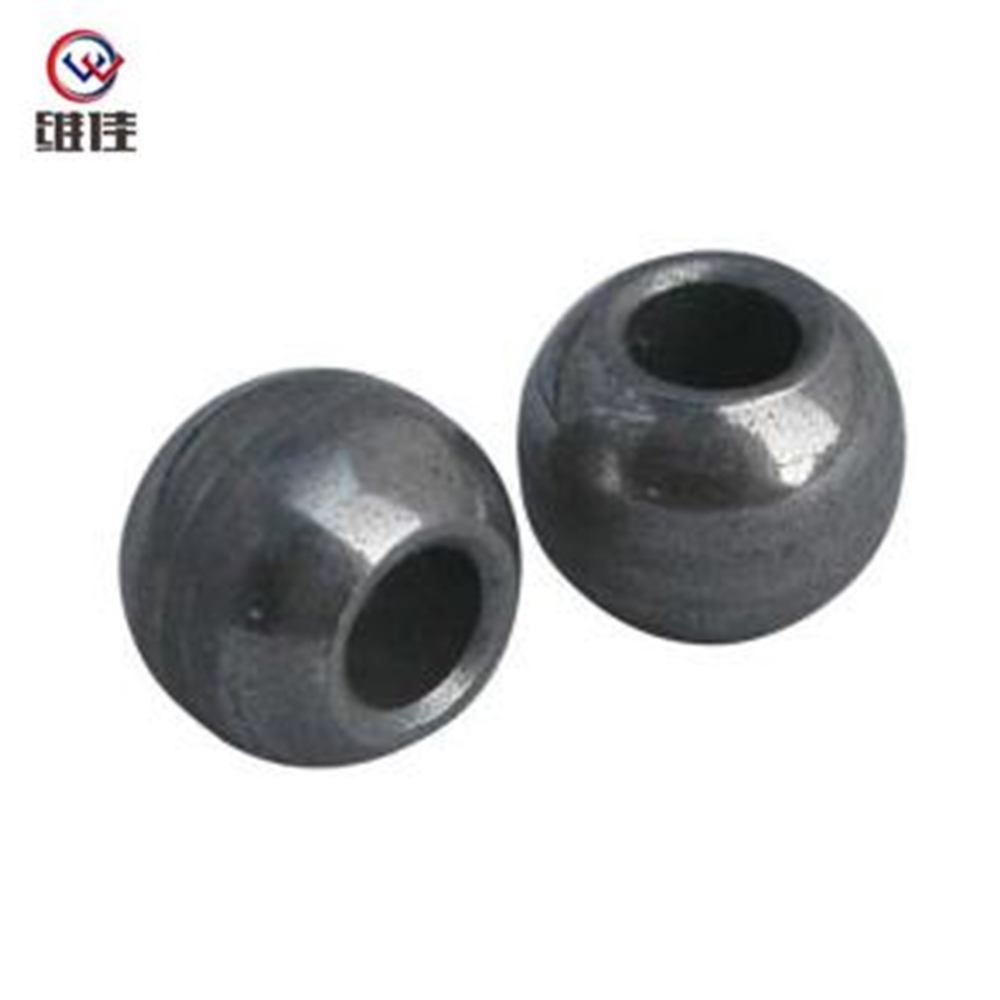
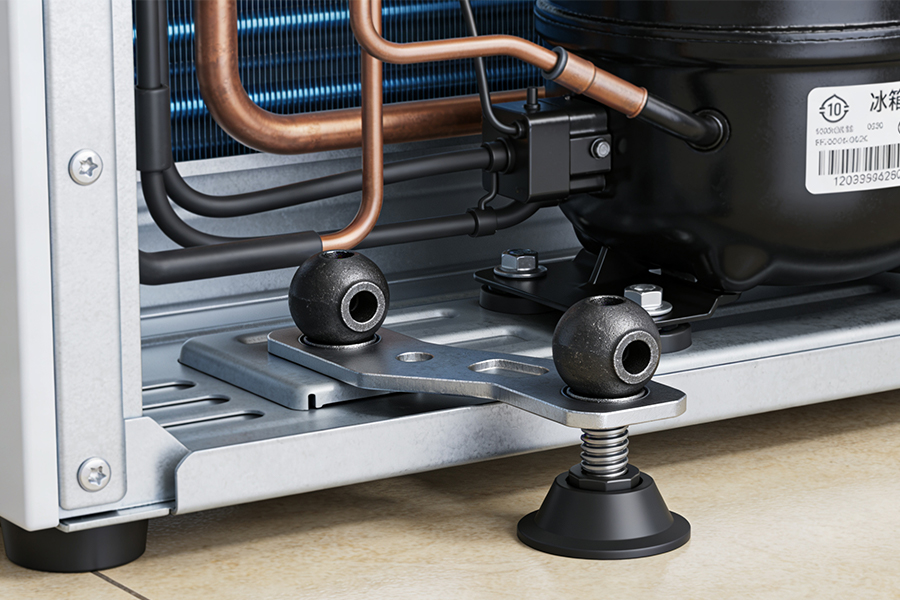
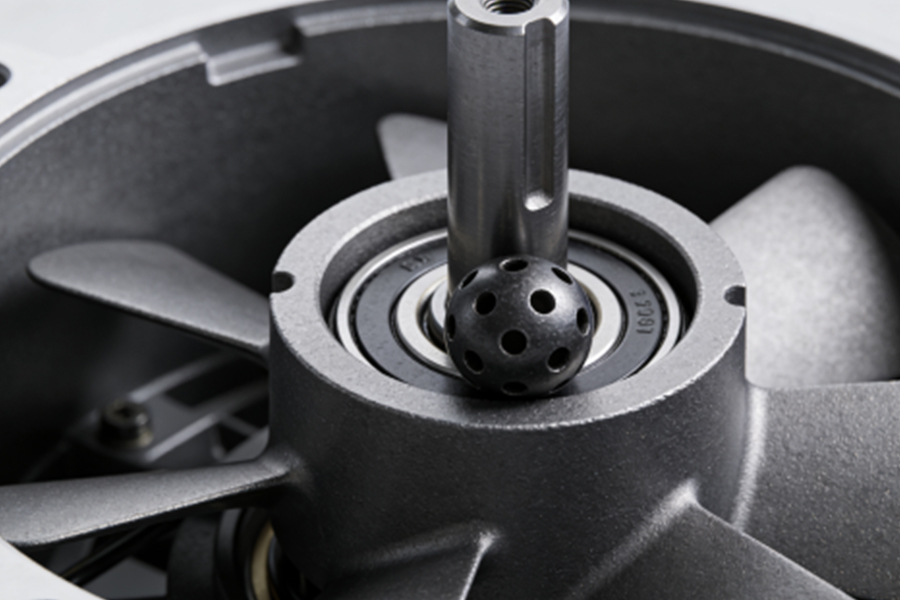
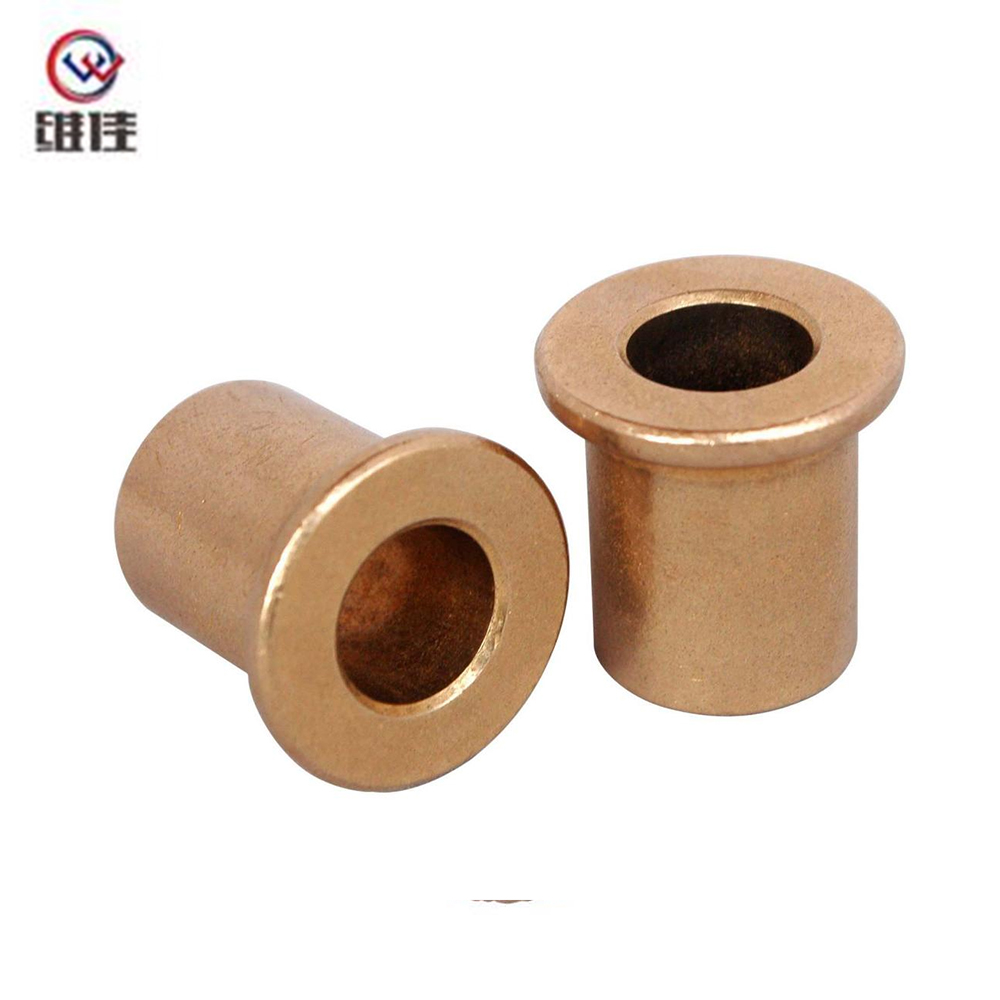
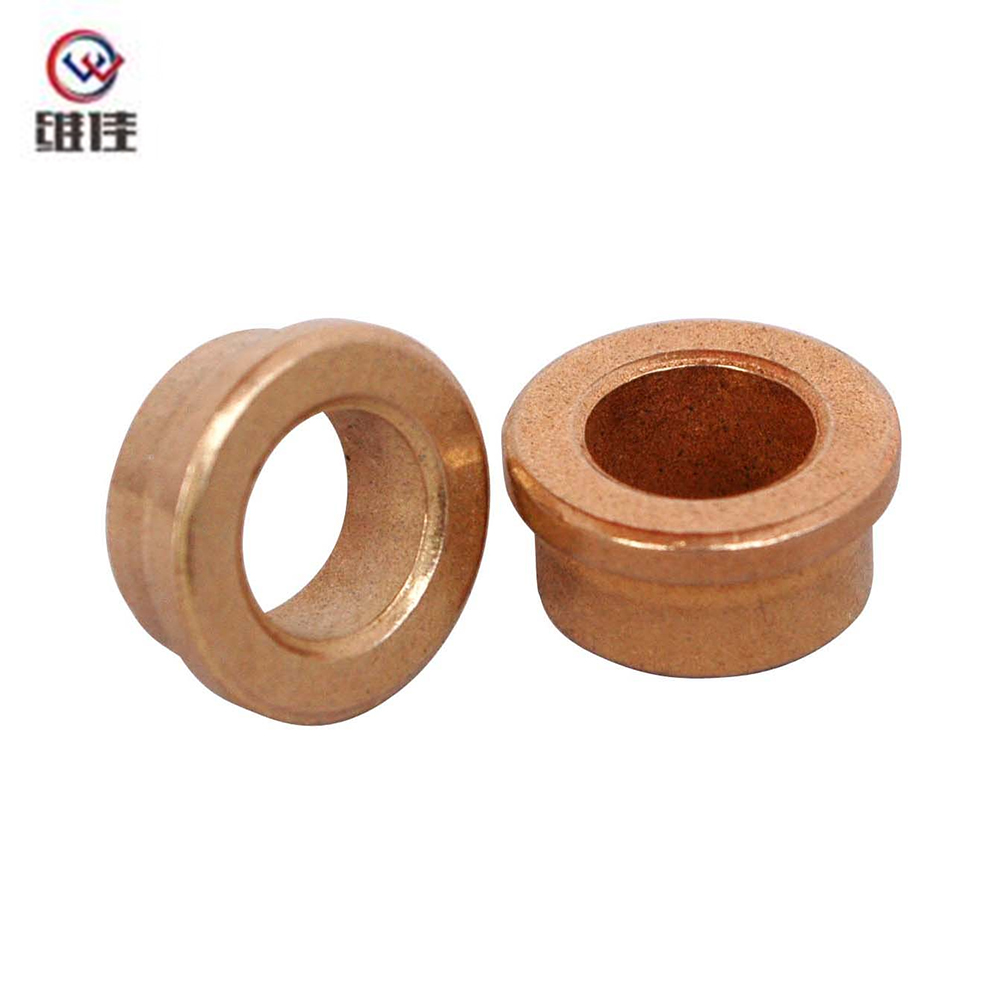
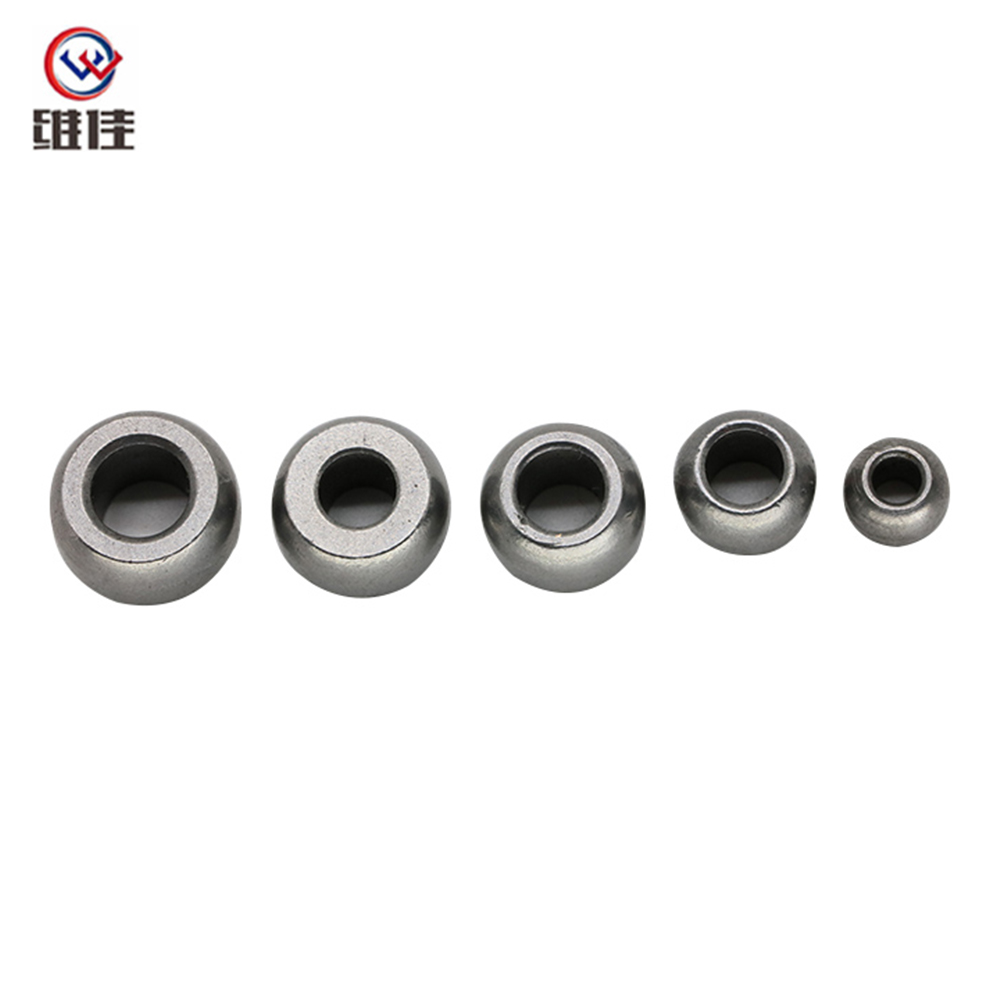
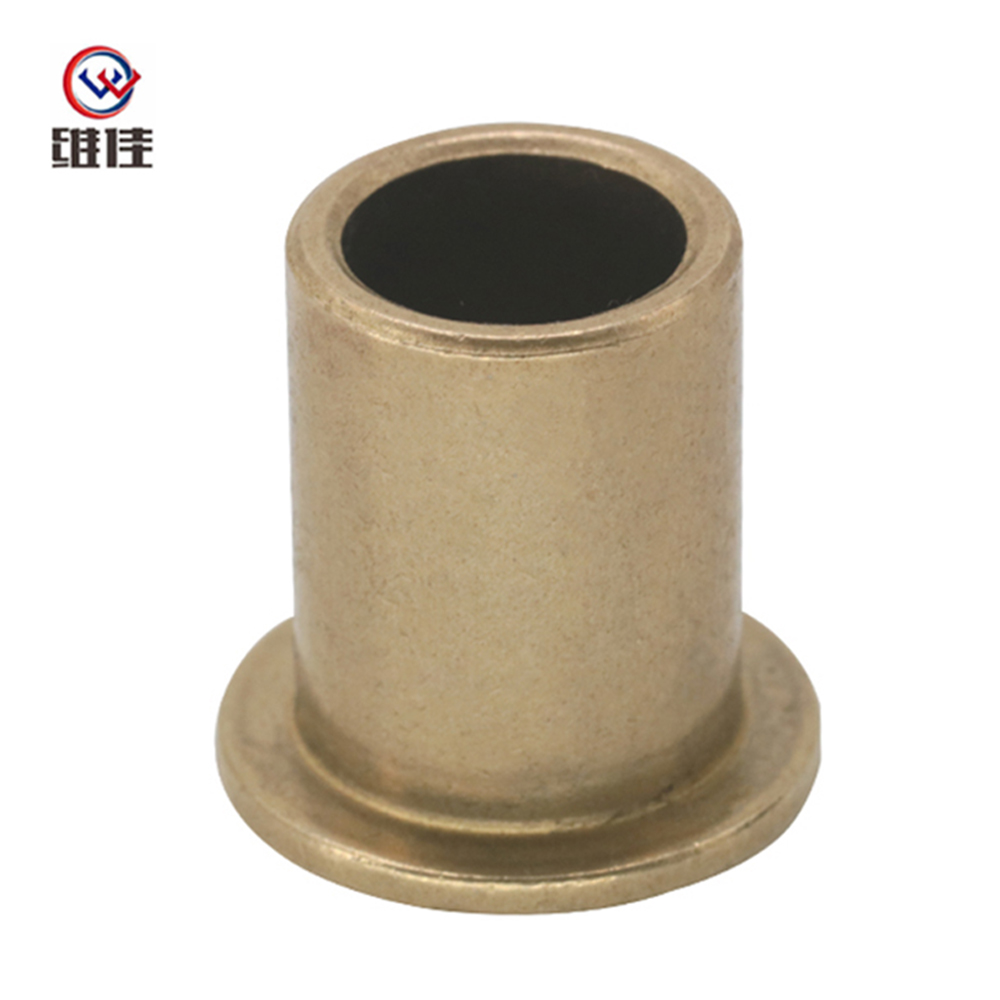
As industrial equipment continues to demand higher efficiency, longer service life, and tighter dimensional tolerances, powder metallurgy bearings have become a preferred solution for many rotating and motion-control applications. Among them, the High Precision PM Component Iron Bearing S14x7x10 is widely used in electric motors, gear systems, pumps, household appliances, and automation equipment due to its excellent wear resistance, dimensional consistency, and self-lubricating capability.
However, the final performance of a powder metallurgy iron bearing is not determined solely by its design. Manufacturing quality plays a decisive role in ensuring both accuracy and durability. From raw material selection to sintering and post-processing, each production stage directly influences the bearing's operational reliability and lifespan.
Why Is Manufacturing Precision Important for PM Iron Bearings?
High-precision bearings must maintain stable dimensions, proper shaft fit, and consistent lubrication characteristics throughout their service life. Even minor variations in density, porosity, or dimensional tolerance can affect rotational accuracy, increase wear rates, and reduce operational efficiency.
Well-controlled manufacturing processes help achieve:
- Accurate dimensional tolerances
- Stable concentricity and roundness
- Consistent oil retention capability
- Improved load-bearing performance
- Extended service life
- Reduced maintenance requirements
How Does Raw Material Quality Affect Bearing Accuracy?
The manufacturing process begins with iron powder selection. Powder particle size distribution, purity, and chemical composition significantly impact compaction behavior and sintering results.
High-quality powder materials provide several advantages:
- Uniform density distribution
- Reduced internal defects
- Improved dimensional consistency
- Higher mechanical strength
- Better wear resistance
Inconsistent powder quality can create density variations that may lead to uneven wear, vibration, and premature failure during operation.
Why Is Compaction Pressure Critical?
Compaction is the process of pressing metal powder into a predetermined shape before sintering. The pressure applied during this stage directly affects density and dimensional stability.
Proper compaction pressure ensures:
- Consistent internal structure
- Improved mechanical strength
- Reduced dimensional deviation
- Better fatigue resistance
- Enhanced bearing durability
If compaction pressure is too low, structural weaknesses may occur. Excessive pressure, however, may reduce the porosity necessary for self-lubrication.
How Does Sintering Influence Durability?
Sintering is one of the most important stages in powder metallurgy manufacturing. During this process, compacted powder particles are heated below their melting point in a controlled atmosphere, causing them to bond together.
Key sintering parameters include:
- Sintering temperature
- Holding time
- Atmosphere control
- Cooling rate
Properly controlled sintering can significantly improve:
- Mechanical strength
- Wear resistance
- Dimensional stability
- Fatigue performance
- Load capacity
Poor sintering control may result in distortion, cracking, inadequate bonding, and reduced service life.
What Role Does Porosity Play in Bearing Performance?
One of the major advantages of powder metallurgy bearings is their controlled porous structure. These interconnected pores can store lubricating oil and release it gradually during operation.
Optimized porosity contributes to:
- Continuous self-lubrication
- Reduced friction
- Lower operating temperatures
- Extended wear life
- Reduced maintenance costs
Finding the right balance is essential. Excessive porosity may weaken the bearing structure, while insufficient porosity can reduce lubrication efficiency.
How Does Oil Impregnation Improve Service Life?
After sintering, many PM iron bearings undergo oil impregnation. The porous structure absorbs lubricating oil, creating a self-lubricating bearing capable of operating for extended periods without external lubrication.
Benefits include:
- Lower friction coefficients
- Reduced shaft wear
- Improved reliability
- Longer maintenance intervals
- Stable performance under continuous operation
Why Are Secondary Machining and Sizing Processes Necessary?
Although powder metallurgy is a near-net-shape manufacturing process, high-precision applications often require additional machining or sizing operations.
These processes improve:
- Dimensional tolerances
- Surface roughness
- Concentricity
- Roundness
- Assembly accuracy
Precision sizing is particularly important for bearings used in motors, gearboxes, and pump systems where alignment accuracy directly affects performance.
Manufacturing Factors Comparison
| Manufacturing Factor |
Optimized Process Result |
Poor Process Control Result |
| Powder Quality |
Uniform density and strength |
Internal defects and inconsistency |
| Compaction Pressure |
Stable dimensions |
Density variation |
| Sintering Control |
High strength and durability |
Distortion and weak bonding |
| Porosity Design |
Balanced lubrication and strength |
Poor lubrication or weak structure |
| Oil Impregnation |
Long-term self-lubrication |
Increased friction and wear |
| Sizing & Machining |
High dimensional accuracy |
Assembly and fitment issues |
| Surface Finish |
Reduced friction |
Accelerated wear |
How Does Advanced Manufacturing Technology Support Quality?
The production of high-precision PM bearings requires advanced equipment, process control systems, and technical expertise.
Ningbo Mingyi Powder Metallurgy Co., Ltd. was founded in 2001 and is a high-tech enterprise integrating R&D, production, and sales, focusing on powder metallurgy sintering molding and related machining. As a China Custom OEM/ODM Industrial Powder Metallurgy Parts Manufacturer and Supplier, the company specializes in producing high-quality powder metallurgy components for various industrial sectors.
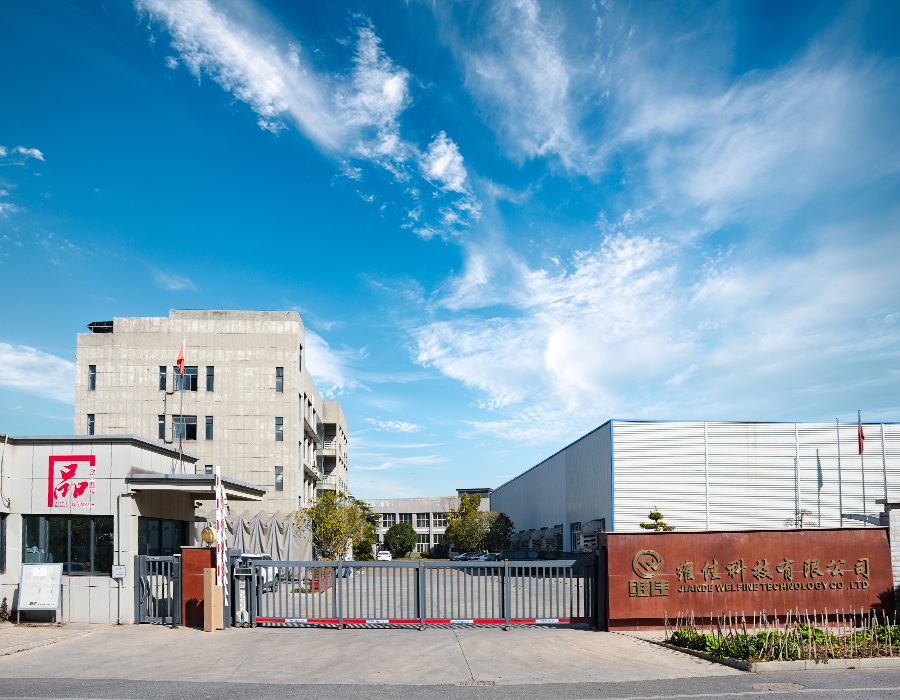
The company covers an area of 13,039 square meters. Its scientifically planned production facility is equipped with advanced manufacturing equipment, providing a solid foundation for efficient production, precise quality control, and continuous technological innovation.
Through strict process management and advanced powder metallurgy technologies, precision iron bearings can achieve excellent dimensional stability, wear resistance, and long-term operational reliability.
Typical Applications of High Precision PM Component Iron Bearing S14x7x10
- Electric motors
- Gear reduction systems
- Industrial pumps
- Automation equipment
- Agricultural machinery
- Household appliances
- Automotive actuator systems
- Power transmission equipment
FAQ
What Is the Most Important Factor Affecting the Accuracy of a High Precision PM Component Iron Bearing S14x7x10?
Dimensional accuracy is influenced by multiple factors, including powder quality, compaction pressure, sintering control, and sizing operations. Among these, consistent density distribution and precision sizing are often the most critical for achieving tight tolerances and reliable assembly performance.
Can Ningbo Mingyi Powder Metallurgy Co., Ltd. Provide Customized PM Iron Bearing Solutions?
Yes. Ningbo Mingyi Powder Metallurgy Co., Ltd., founded in 2001, specializes in powder metallurgy sintering molding and related machining. As a China Custom OEM/ODM Industrial Powder Metallurgy Parts Manufacturer and Supplier, the company can develop customized PM iron bearings based on customer requirements for dimensions, materials, load capacity, and operating environments.
Why Do Powder Metallurgy Bearings Offer Longer Service Life?
Powder metallurgy bearings can incorporate a controlled porous structure that stores lubricating oil, enabling continuous self-lubrication during operation. Supported by advanced production facilities covering 13,039 square meters, Ningbo Mingyi Powder Metallurgy Co., Ltd. manufactures PM bearings with excellent wear resistance, stable lubrication performance, and long-term reliability for demanding industrial applications.
 English
 中文简体
中文简体