What Makes Powder Metallurgy Structural Parts More Wear-Resistant Than Conventional Components?
Powder metallurgy (PM) has become a cornerstone technology for manufacturing high-performance structural parts, especially in applications demanding durability, precision, and consistent mechanical properties. Unlike traditional subtractive manufacturing methods, PM involves the compaction of metal powders into desired shapes followed by sintering, resulting in components with controlled porosity, uniform microstructure, and enhanced mechanical performance. These intrinsic features contribute directly to improved wear resistance, which is crucial in high-load or high-friction environments.
Microstructural Advantages of Sintered Components
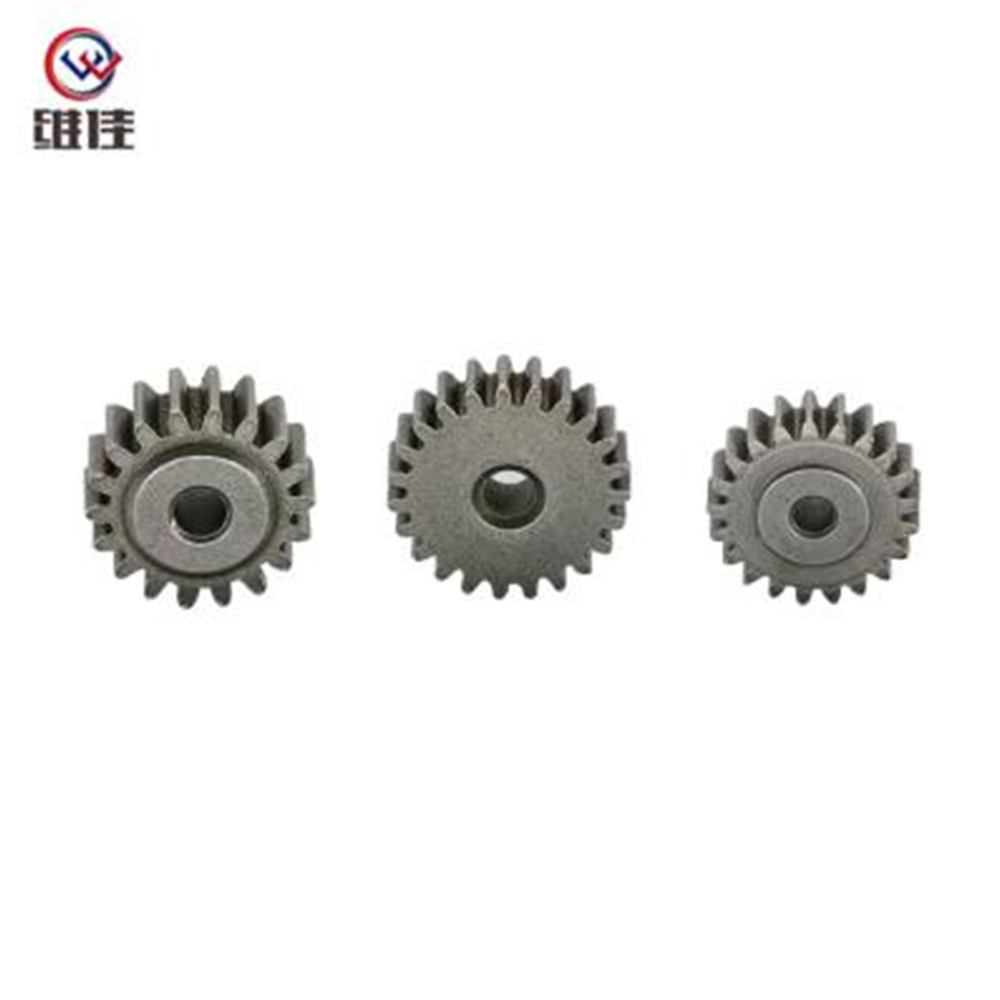
Sintered iron structural components benefit from a homogeneous distribution of alloying elements and fine-grained microstructures, which reduces localized stress concentrations that typically accelerate wear. The uniformity in microstructure ensures consistent hardness across the component, which enhances surface durability and extends service life.
| Feature |
Powder Metallurgy Structural Parts |
Conventional Components |
| Microstructure |
Uniform, fine-grained |
Often uneven, larger grain size |
| Porosity |
Controlled, beneficial for lubrication |
Minimal or uncontrolled |
| Hardness Distribution |
Consistent throughout |
Variable, potential weak points |
| Wear Resistance |
High, stable under load |
Moderate, prone to surface fatigue |
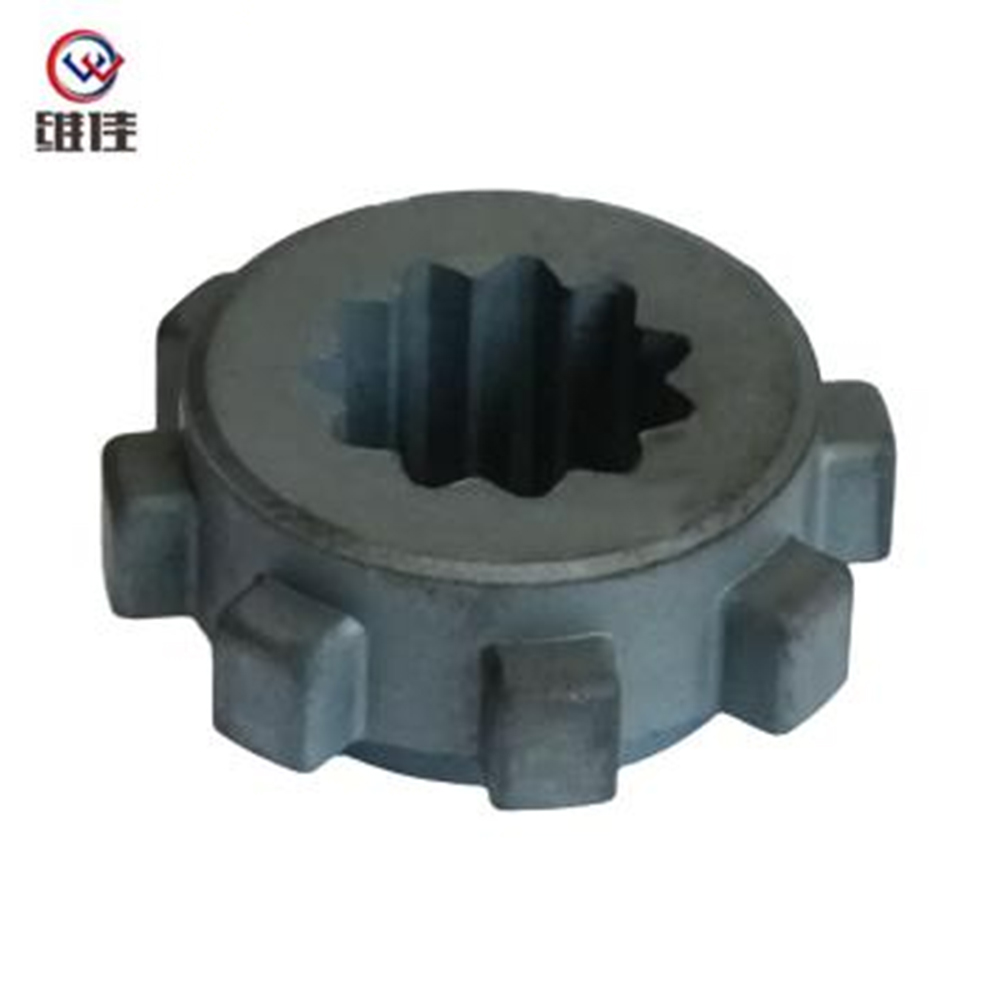
In sintered structural parts for power tools, these characteristics are particularly critical. Tools operate under repetitive high-stress conditions, and conventional components often fail due to uneven wear or microcrack propagation. The inherent properties of PM parts, such as controlled density and optimized alloy composition, mitigate these issues, offering longer operational life and reduced maintenance frequency.
Functional Benefits Across Industries
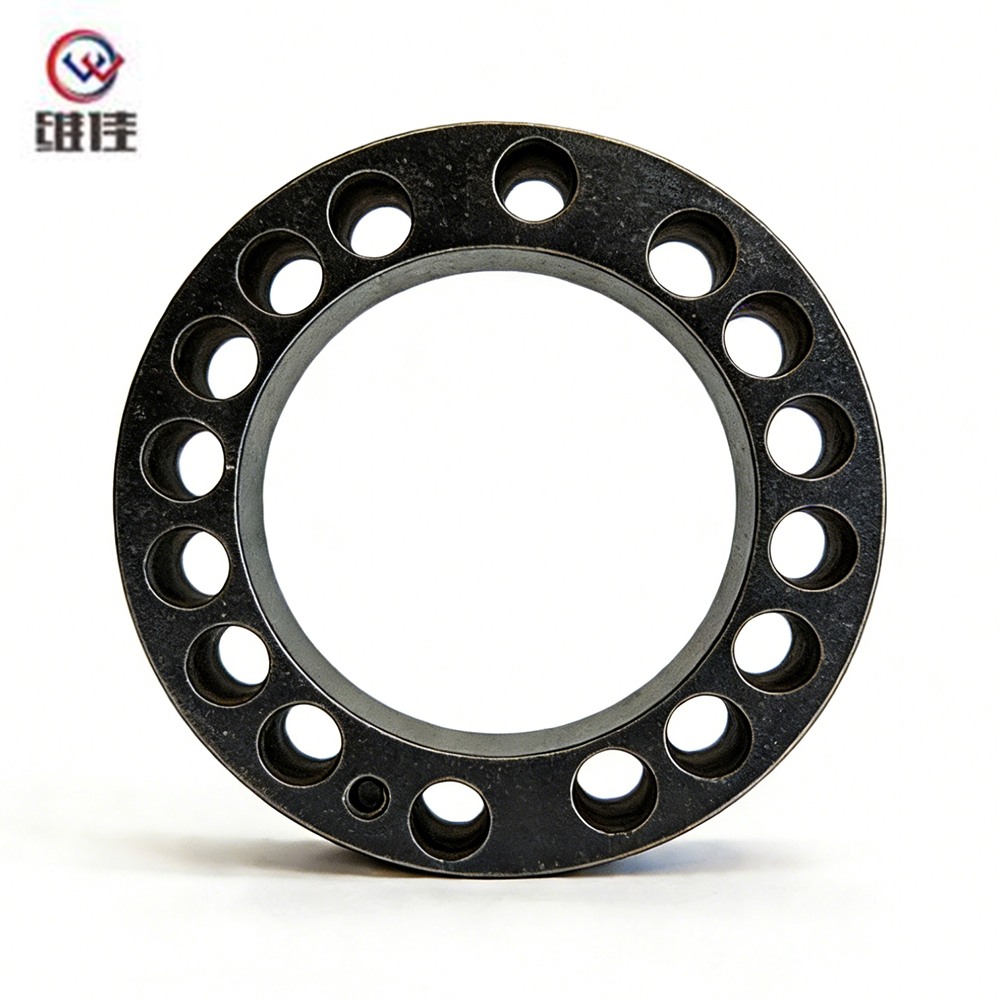
The versatility of near-net-shape powder metallurgy components allows for precise dimensional control, minimizing post-machining requirements and enabling the integration of complex features such as self-lubricating channels or reinforced load-bearing surfaces. These functional advantages translate into improved wear resistance in demanding applications, including automotive, industrial machinery, and power tool assemblies.
| Component Type |
Primary Function |
Material Benefits |
Typical Applications |
| Powder Metallurgy Bushing |
Reduce friction and wear |
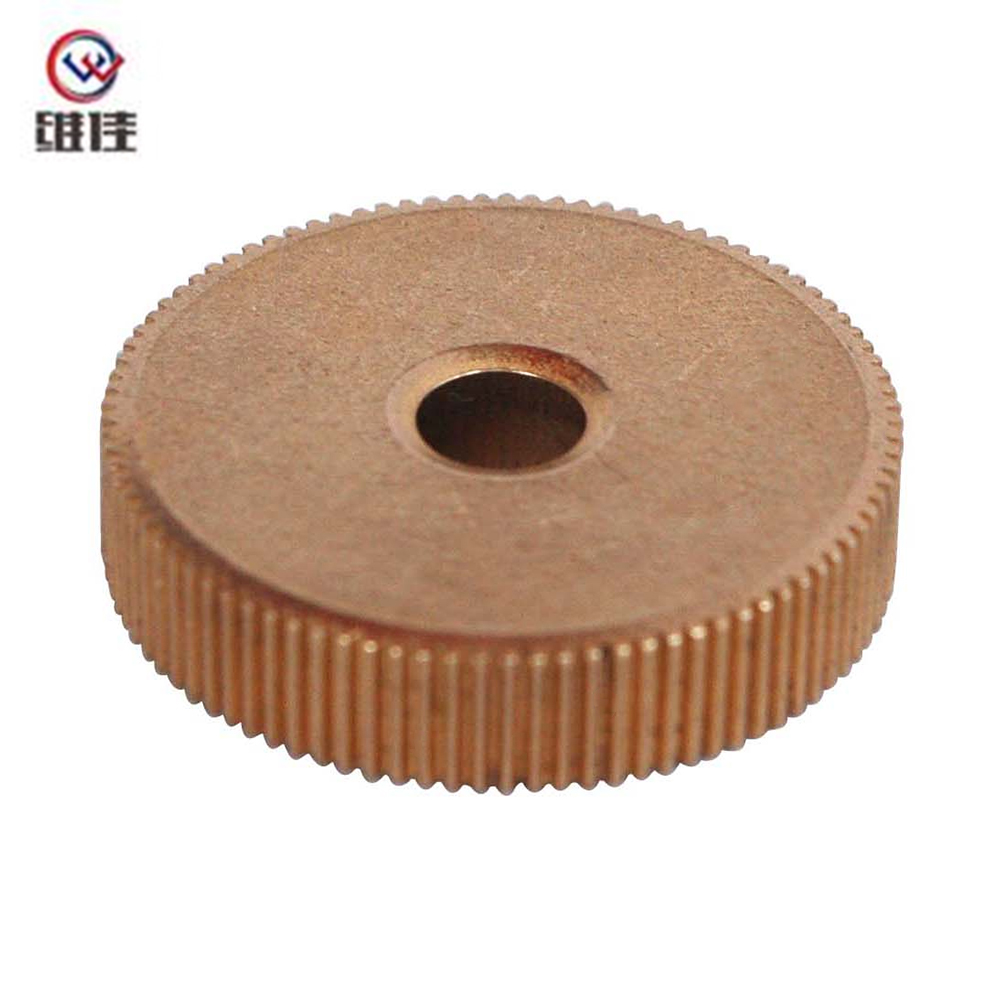
Self-lubricating pores, uniform hardness |
Motors, industrial machinery, conveyors |
| Sintered Structural Parts for Power Tools |
Withstand high cyclic loads |
High wear resistance, dimensional stability |
Drills, grinders, saws |
| Near-Net-Shape Components |
Simplify assembly, reduce machining |
High precision, controlled density |
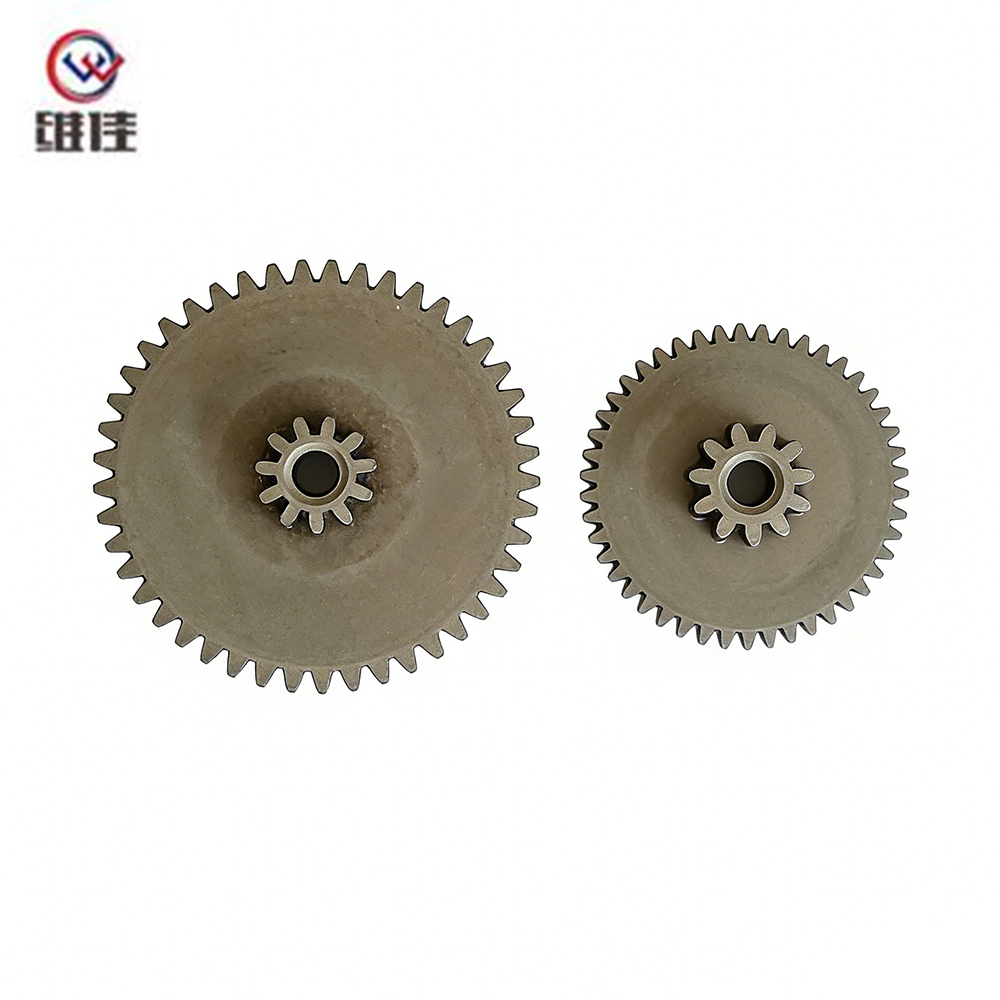
Automotive engines, hydraulic systems, gear components |
About JIANDE WELFINE
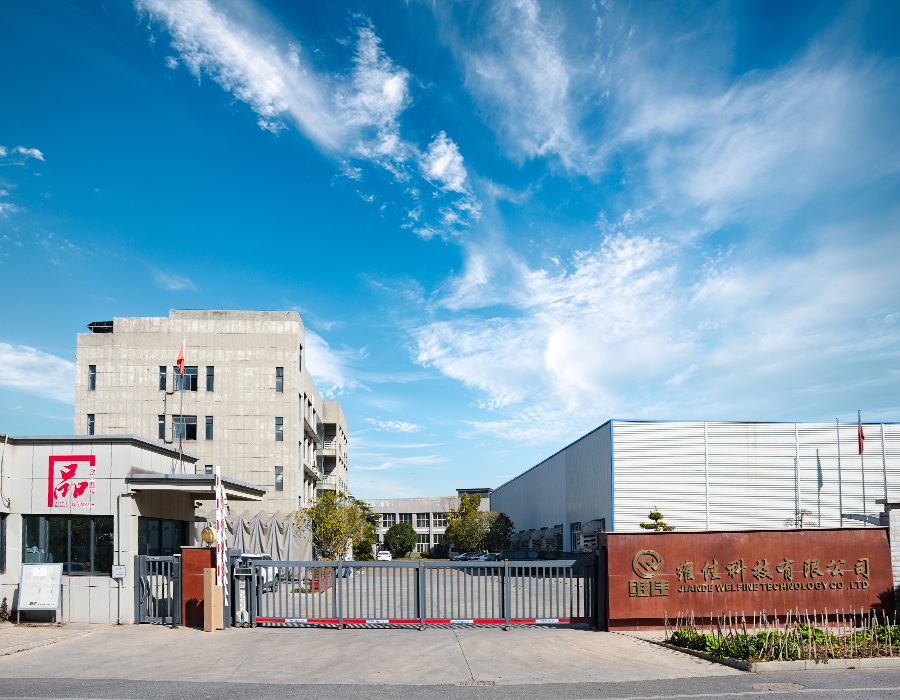
Jiande Welfine Technology Co., Ltd. emphasizes optimized production processes to enhance wear resistance in PM parts. By fine-tuning compaction pressure, sintering temperature, and alloy selection, Welfine achieves parts with superior density uniformity and tailored hardness profiles. Such precision ensures that powder metallurgy bushings and other structural components deliver stable performance even in extreme operating conditions.
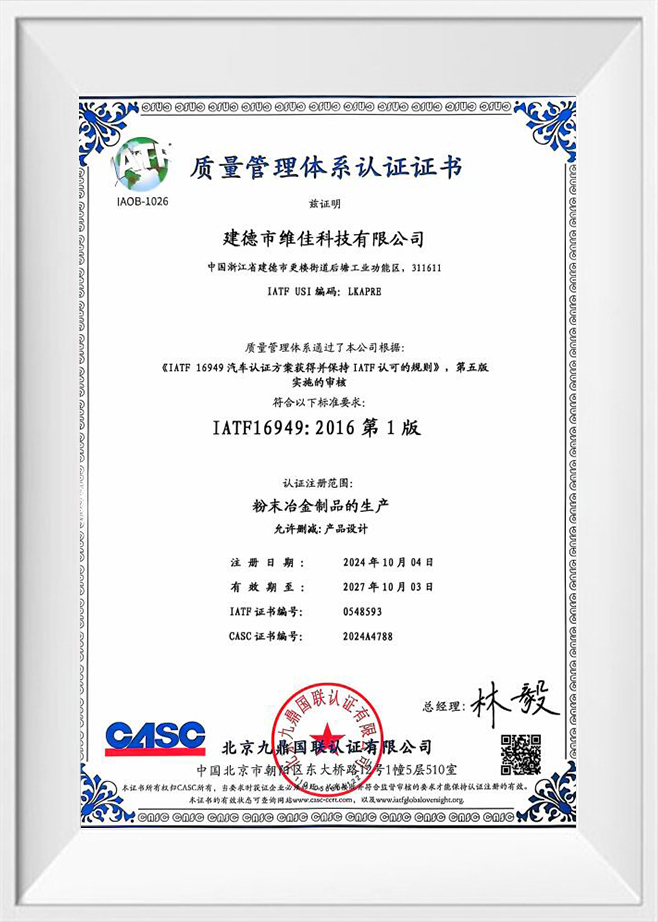
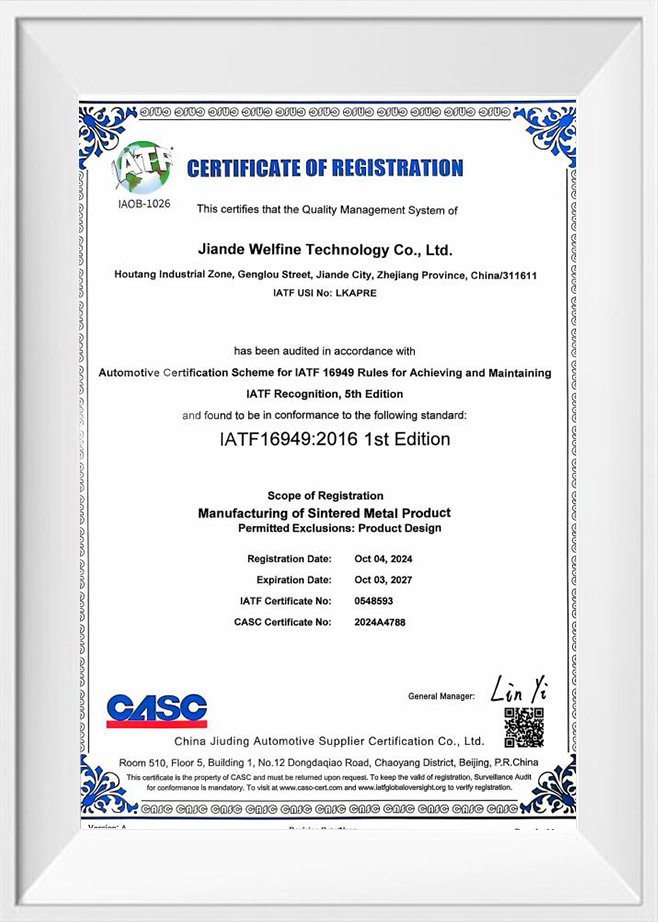
With ISO 9001:2015 and IATF 16949:2016 certifications, Welfine guarantees consistency and reliability in each batch of components. The company’s experienced R&D and technical teams continuously refine processes, offering OEM/ODM solutions for customized bushings and sintered parts, ensuring that wear-resistant performance aligns with client-specific industrial requirements.
Comparative Material Insights
Compared with traditional wrought or cast components, powder metallurgy parts demonstrate significant advantages in both wear resistance and maintenance efficiency. The controlled porosity can retain lubricants, reducing friction-induced wear, while near-net-shape production minimizes stress risers and machining marks, which are common initiation points for wear and fatigue in conventional components.
| Material Type |
Wear Performance |
Machining Requirement |
Cost Efficiency |
| Sintered Iron |
Excellent |
Minimal |
High for performance |
| Conventional Steel |
Moderate |
Extensive |
Moderate |
| Powder Metallurgy Alloy |
Superior |
Low |
High in long-term durability |
In practical industrial applications, these attributes lead to reduced downtime, lower total cost of ownership, and enhanced component reliability. Companies relying on high-performance PM components benefit from both operational efficiency and long-term durability.
Conclusion
Powder metallurgy structural parts exhibit excellent wear resistance, thanks to their uniform microstructure, controllable porosity, and precision manufacturing processes. By leveraging these advantages, manufacturers can achieve higher durability, lower maintenance costs, and improved operational reliability across various industrial sectors.
FAQ
Q1: What are the main advantages of powder metallurgy structural parts over conventional components?
A1: They provide uniform microstructure, controlled porosity for lubrication, high wear resistance, and reduced post-machining requirements.
Q2: How do sintered iron structural components enhance wear resistance?
A2: Through fine-grained uniform microstructures and consistent hardness, reducing stress concentration points and surface fatigue.
Q3: What industries benefit most from near-net-shape powder metallurgy components?
A3: Automotive, power tools, industrial machinery, and hydraulic systems where precision and wear resistance are critical.
Q4: Can powder metallurgy bushings be customized for specific applications?
A4: Yes, companies like Jiande Welfine provide OEM/ODM solutions based on customer drawings or samples.
Q5: How does controlled porosity improve component performance?
A5: It retains lubricants, reduces friction, and mitigates wear, enhancing component durability under high-load conditions.
 English
 中文简体
中文简体