What Advantages Do Powder Metallurgy Gears Offer in Precision Motion Systems?
As precision motion systems continue to evolve toward higher efficiency, compact designs, and improved operational stability, component manufacturers are increasingly seeking solutions that combine dimensional accuracy, mechanical reliability, and cost-effective production. Among various transmission components, powder metallurgy gears have emerged as an important option due to their ability to deliver precise gear geometries, consistent material properties, and scalable manufacturing advantages.
Widely used in automotive systems, industrial automation equipment, electric motors, power tools, robotics, and intelligent machinery, powder metallurgy gears provide a balance between performance and manufacturing efficiency. When combined with complementary components such as powder metallurgy hubs, they help optimize torque transmission, reduce assembly complexity, and improve overall system reliability.
Understanding Powder Metallurgy Gears
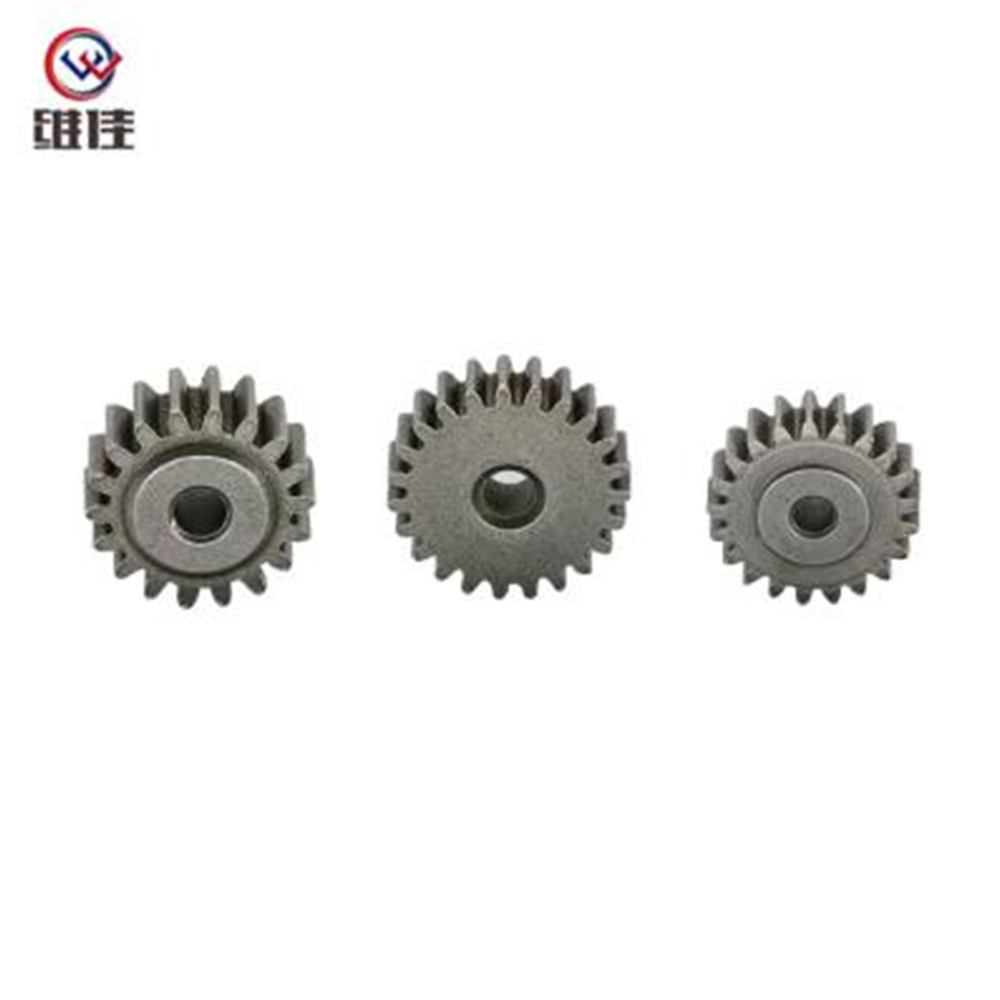
Powder metallurgy gears are produced through a manufacturing process that involves blending metal powders, compacting them in precision molds, and sintering them at high temperatures to create dense, structurally stable components.
Unlike traditional machining methods that remove material from solid metal stock, powder metallurgy technology forms near-net-shape parts directly from metal powders. This approach enables manufacturers to achieve complex geometries while minimizing material waste.
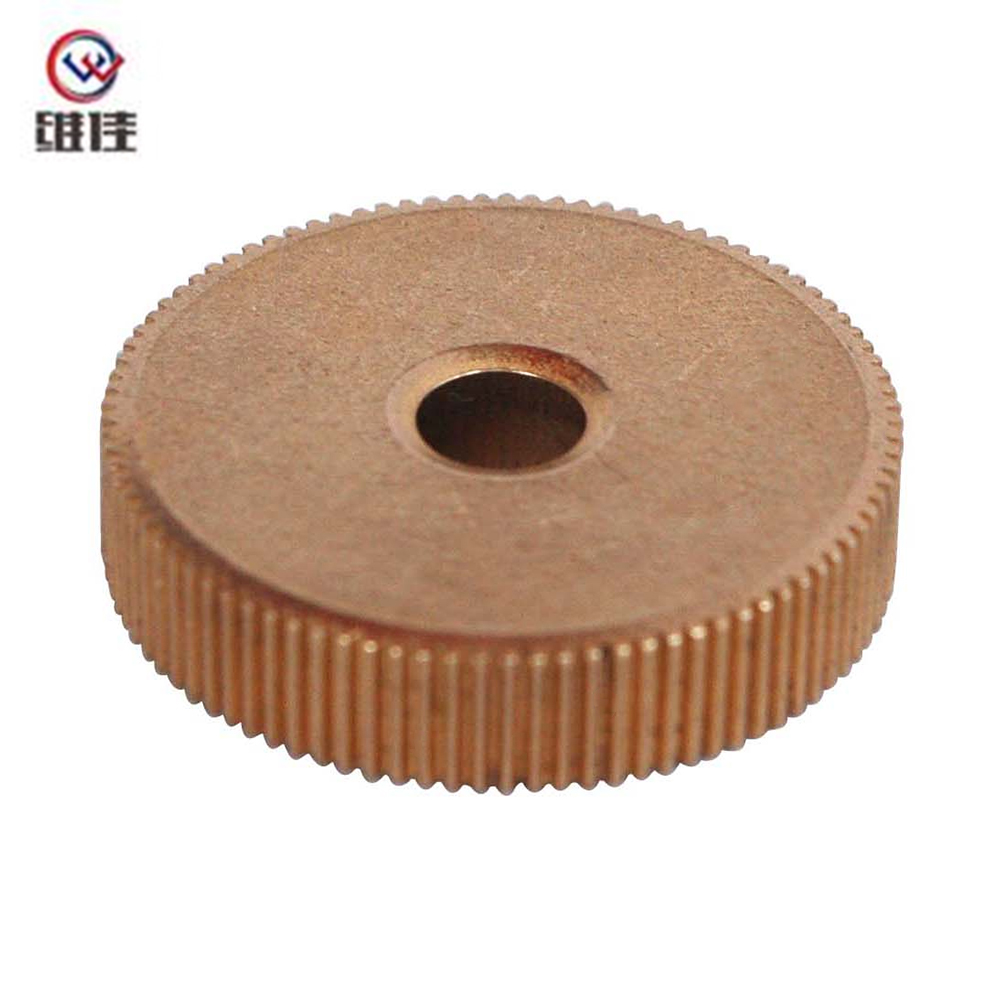
Common materials used for powder metallurgy gears include:
| Material Type |
Main Characteristics |
Typical Applications |
| Iron-Based Alloys |
High strength and wear resistance |
Industrial gears, automotive components |
| Copper-Based Alloys |
Good thermal conductivity and corrosion resistance |
Specialized transmission systems |
| Stainless Steel Powders |
Corrosion resistance and durability |
Precision equipment and medical devices |
| Alloyed Steel Powders |
Enhanced mechanical properties |
High-load gear systems |
The ability to tailor material composition allows engineers to optimize gears for specific operating conditions.
High Dimensional Accuracy and Consistency
One of the most significant advantages of powder metallurgy gears is their exceptional dimensional consistency.
Precision motion systems depend heavily on accurate gear tooth profiles and tight tolerances. Variations in gear geometry can lead to vibration, noise, inefficient power transmission, and premature wear.
The powder metallurgy process offers:
- Consistent tooth geometry
- Excellent repeatability between production batches
- Reduced dimensional variation
- Stable center distances during assembly
Because the gear shape is formed directly in precision tooling, minimal secondary machining is often required. This helps maintain uniform quality across large production volumes.
For industries that require reliable positioning accuracy, such as robotics and automation equipment, this consistency is particularly valuable.
Superior Material Utilization
Traditional gear manufacturing often involves extensive machining operations, which remove large amounts of raw material.
Powder metallurgy manufacturing significantly improves material utilization because components are formed close to their final dimensions.
Benefits of Near-Net-Shape Production
| Advantage |
Impact on Manufacturing |
| Reduced Material Waste |
Improved resource efficiency |
| Fewer Machining Operations |
Lower production complexity |
| Consistent Part Geometry |
Better product uniformity |
| Faster Production Cycles |
Improved manufacturing efficiency |
This efficient production method is one reason why powder metallurgy gears are frequently selected for medium- to high-volume manufacturing programs.
Excellent Wear Resistance
Precision motion systems often operate continuously under cyclic loading conditions. Gear durability directly affects system reliability and maintenance requirements.
Powder metallurgy gears can be engineered with specific alloy compositions and heat treatment processes to achieve excellent wear resistance.
Key wear-related advantages include:
- Improved surface durability
- Enhanced resistance to frictional damage
- Longer service life
- Stable performance under repeated loading
In many applications, self-lubricating design features can also be incorporated through the powder metallurgy process, helping reduce friction and extending component lifespan.
Noise and Vibration Reduction
Noise control has become increasingly important in modern machinery, particularly in electric drive systems, office equipment, robotics, and consumer devices.
The unique microstructure of sintered materials can help absorb vibration energy more effectively than some conventionally manufactured components.
As a result, powder metallurgy gears can contribute to:
- Smoother gear meshing
- Reduced operational noise
- Lower vibration levels
- Improved user experience
These characteristics are especially beneficial in systems where quiet operation is a critical design requirement.
Complex Geometry Capability
Modern motion systems often require compact and multifunctional components.
One of the greatest strengths of powder metallurgy manufacturing is the ability to create complex geometries that would be difficult or costly to achieve through traditional machining.
Examples include:
- Internal splines
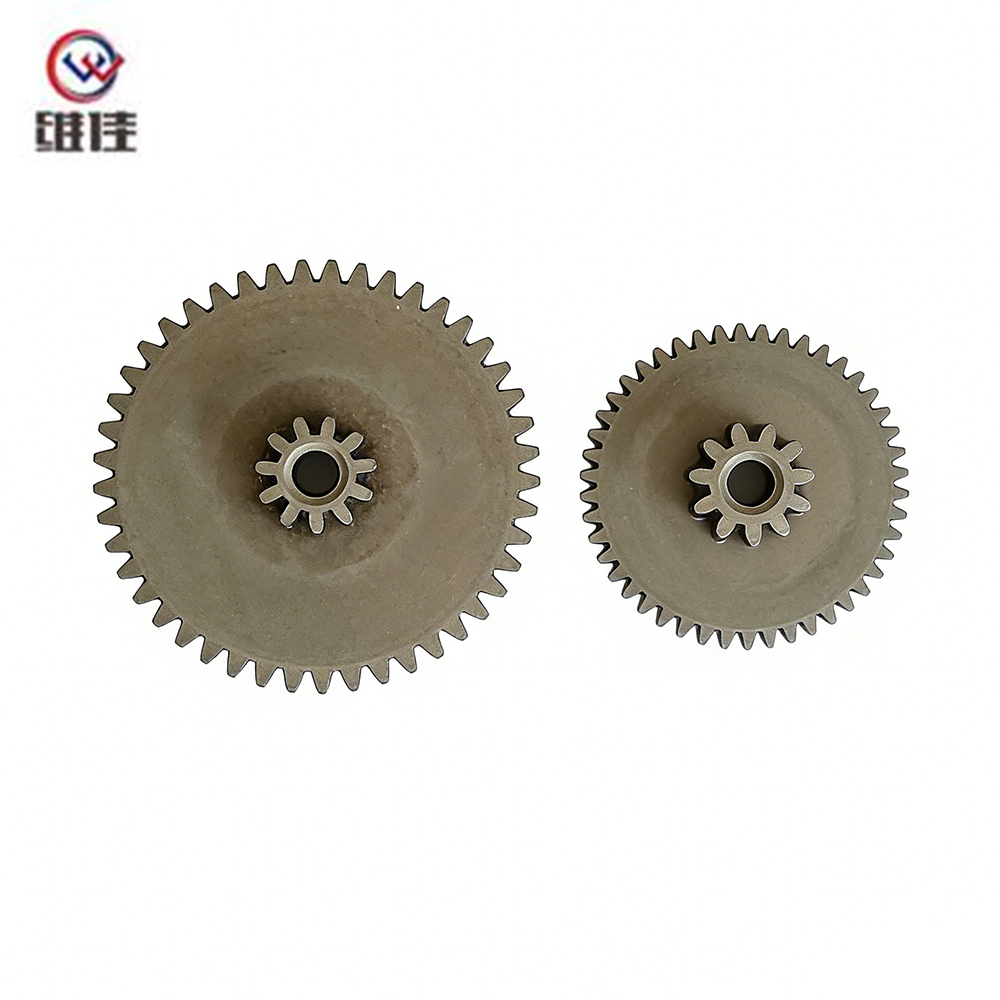
- Multi-level gear structures
- Integrated hubs
- Oil-retention features
- Lightweight structural designs
By integrating multiple features into a single component, manufacturers can reduce assembly steps and improve overall system efficiency.
Enhanced Integration with Powder Metallurgy Hubs
In many power transmission assemblies, powder metallurgy hubs are used alongside gears to create compact and reliable mechanical connections.
The combination of powder metallurgy gears and powder metallurgy hubs offers several engineering advantages:
| Functional Benefit |
System Advantage |
| Precise Component Matching |
Improved assembly accuracy |
| Integrated Structural Design |
Reduced part count |
| Consistent Material Properties |
Better reliability |
| Optimized Torque Transfer |
Higher transmission efficiency |
| Reduced Assembly Complexity |
Faster production processes |
This integrated approach helps designers create more compact and efficient motion systems.
Design Flexibility for Precision Engineering
Modern engineering projects often require customized gear solutions.
Powder metallurgy technology supports a wide range of design possibilities, including:
- Customized tooth profiles
- Variable density structures
- Specialized alloy formulations
- Lightweight component designs
- Integrated mechanical features
This flexibility allows engineers to optimize gears according to application-specific requirements without significantly increasing production complexity.
Reliable Performance in High-Volume Production
For manufacturers producing large quantities of motion control equipment, consistency is critical.
Powder metallurgy gears provide:
- Repeatable production quality
- Stable mechanical properties
- Predictable dimensional accuracy
- Efficient scalability
These characteristics make them suitable for applications requiring long-term production stability and dependable product performance.
Why Choose JIANDE WELFINE?
The performance of powder metallurgy gears depends heavily on manufacturing expertise, process control, and quality management systems.
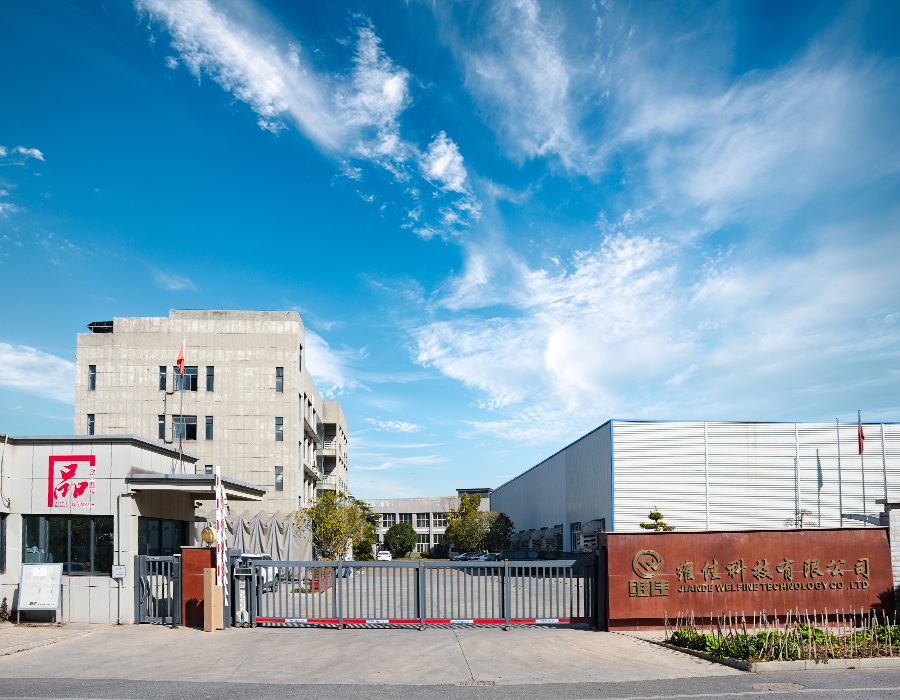
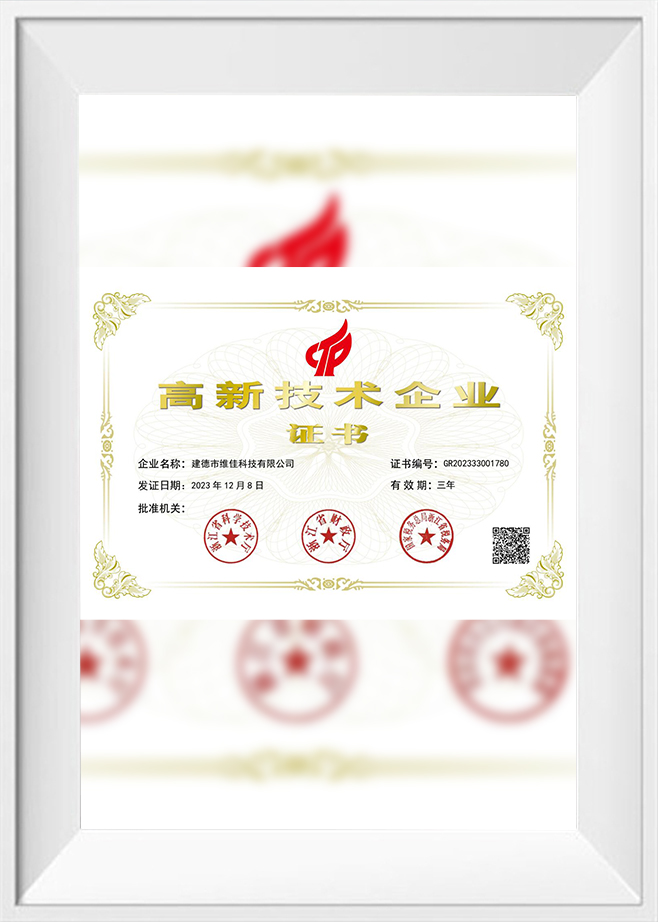
Jiande Welfine Technology Co., Ltd. is a high-tech enterprise integrating research and development, production, and sales, specializing in powder metallurgy sintering and precision machining technologies. The company produces powder metallurgy bushings, self-lubricating bushings, powder metallurgy gears, powder metallurgy hubs, and various precision sintered components used across multiple industrial sectors.
Drawing on extensive industry experience, Jiande Welfine continuously optimizes manufacturing processes to improve dimensional accuracy, production efficiency, and component performance. The company provides OEM and ODM solutions based on customer drawings or samples, supporting flexible production requirements and stable delivery capabilities.
To ensure consistent product quality, the company operates advanced manufacturing facilities equipped with:
- 20 high-efficiency presses
- 4 high-temperature sintering furnaces
- 15 precision forming machines
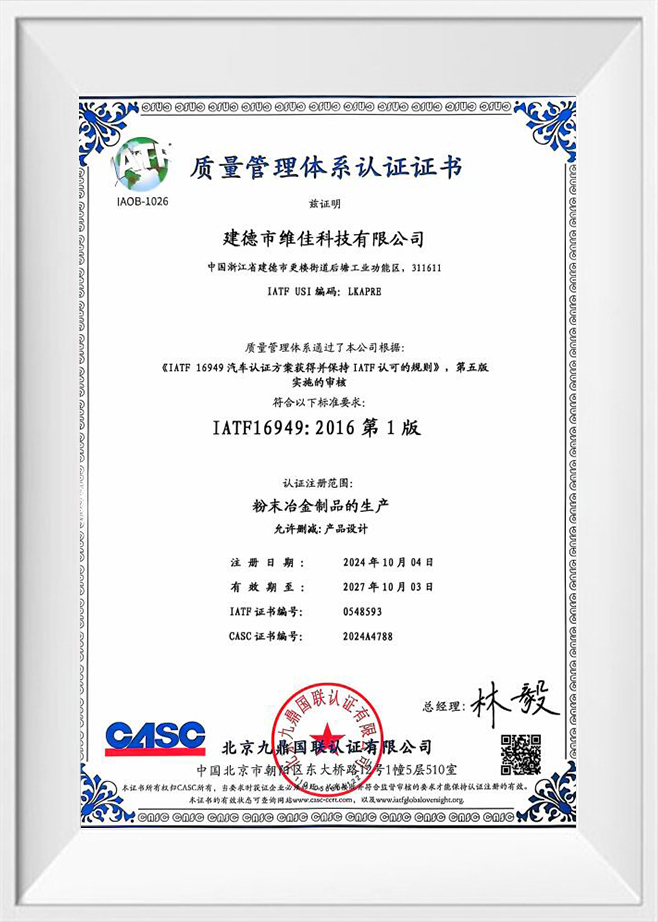
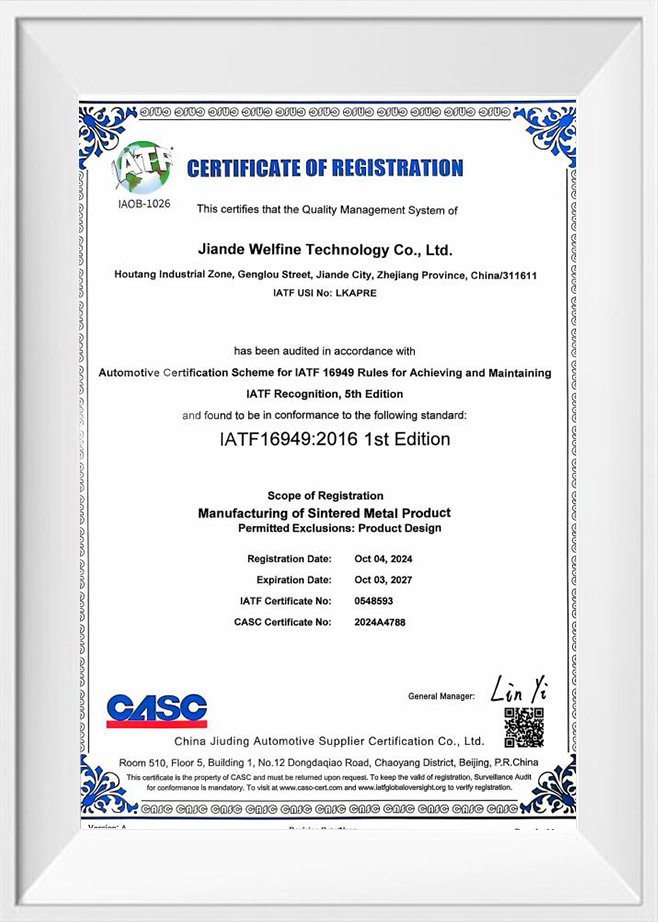
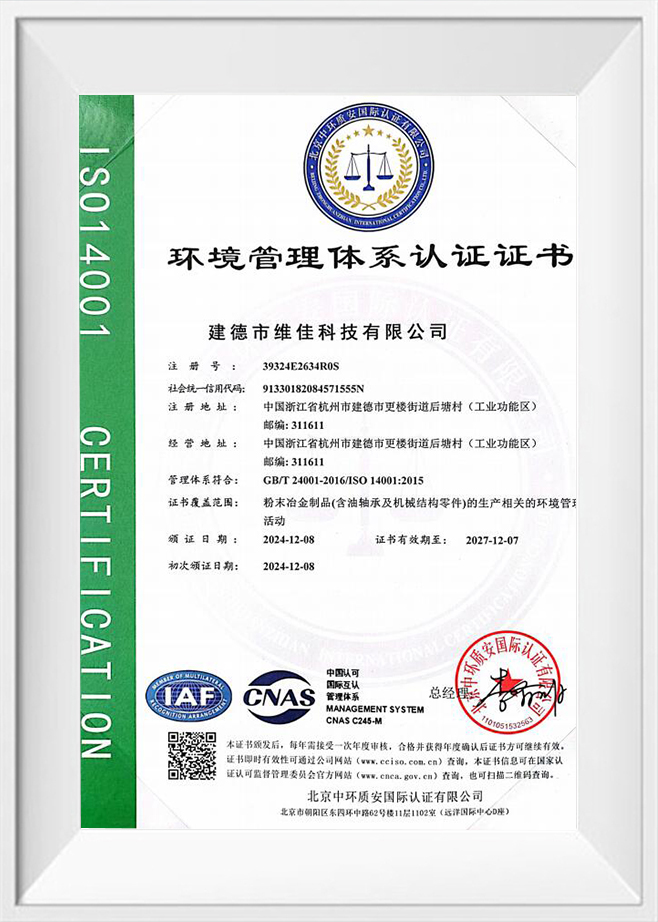
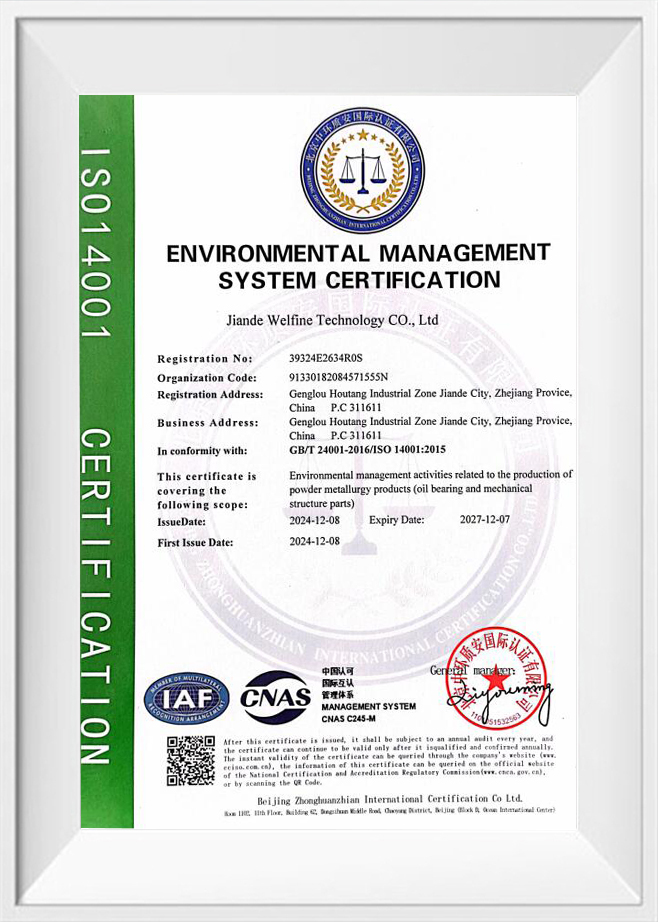
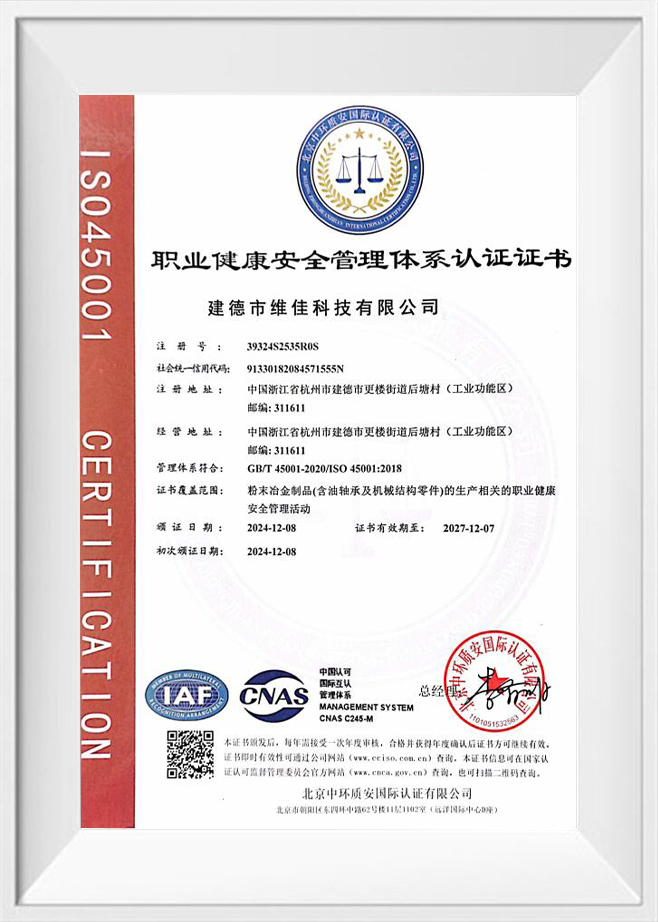
Furthermore, Jiande Welfine strictly implements quality management standards and has obtained:
- ISO 9001:2015 Certification
- IATF 16949:2016 Certification
These systems help ensure the reliability, consistency, and durability of powder metallurgy components supplied to global customers.
Conclusion
Powder metallurgy gears offer a unique combination of precision, efficiency, durability, and design flexibility that makes them highly suitable for modern precision motion systems. Their near-net-shape manufacturing process enables excellent dimensional consistency, efficient material utilization, and the production of complex geometries that support advanced engineering requirements.
When combined with powder metallurgy hubs and other sintered components, these gears contribute to improved transmission performance, reduced assembly complexity, and enhanced system reliability.
FAQ
1. What are powder metallurgy gears primarily used for?
Powder metallurgy gears are commonly used in automotive systems, electric motors, industrial automation equipment, robotics, power tools, and various precision motion systems.
2. How do powder metallurgy gears improve manufacturing efficiency?
Their near-net-shape production process reduces material waste, minimizes machining operations, and enables consistent high-volume manufacturing.
3. Are powder metallurgy gears suitable for precision applications?
Yes. They provide excellent dimensional accuracy, consistent tooth geometry, and reliable repeatability, making them suitable for precision motion systems.
4. What advantages do powder metallurgy hubs provide when used with gears?
Powder metallurgy hubs help improve assembly accuracy, optimize torque transmission, reduce component count, and support compact mechanical designs.
5. Can powder metallurgy gears be customized?
Yes. Manufacturers can customize materials, dimensions, tooth profiles, structural features, and performance characteristics according to specific application requirements.
 English
 中文简体
中文简体