E-mail us: [email protected]
Tel: +86-15239857375
 English
 中文简体
中文简体

 Home / News / Industry News / How Can Custom Powder Metallurgy Parts Optimize Industrial Applications?
 How Can Custom Powder Metallurgy Parts Optimize Industrial Applications?
 2026.06.10
 Industry News
Content
- 1 What Are Powder Metallurgy Structural Parts
- 2 Powder Metal Manufacturing Process
- 3 Core Advantages of Powder Metallurgy Structural Parts
- 4 Performance Characteristics of Sintered Metal Parts
- 5 Powder Metallurgy Applications in Various Industries
- 6 Custom Powder Metallurgy Parts
- 7 Quality Control and Inspection
- 8 Conclusion
In the context of modern manufacturing increasingly pursuing higher efficiency, precision, and lower cost, industrial equipment requires components with ever-improving performance. While traditional casting, forging, and machining processes still hold an important place, they face new challenges in material utilization, complex shape forming, and mass production efficiency. Against this backdrop, Powder Metallurgy Structural Parts have emerged as a preferred solution across multiple industries due to their unique manufacturing advantages.
Powder metallurgy is an advanced forming technology that uses metal powders as raw materials to produce components through pressing and sintering processes. After decades of development, this technology has found wide applications in the automotive, industrial machinery, agricultural machinery, power tools, renewable energy, and automation industries. By enabling near-net-shape production, powder metallurgy structural parts not only reduce material waste but also minimize secondary machining processes, helping companies effectively control production costs.
As global manufacturing moves toward intelligent and sustainable development, the importance of Powder Metallurgy Structural Parts continues to increase. This article provides a comprehensive overview of these components, covering definitions, manufacturing processes, performance characteristics, industry applications, and quality control considerations.
What Are Powder Metallurgy Structural Parts
Powder Metallurgy Structural Parts are metallic components manufactured using powder metallurgy technology, designed to perform structural functions in machinery. These components often need to withstand loads, impacts, or friction, requiring high strength, hardness, dimensional precision, and durability.
Compared with traditional machining, powder metallurgy structural parts can be formed to near-final dimensions directly through mold pressing, reducing material waste and shortening production cycles while improving manufacturing efficiency.
Structurally, these parts are a major category of Powder Metallurgy Components. Depending on the application, powder metallurgy products also include bearings, filters, friction materials, and magnetic elements, but structural parts remain the most widely used category.
Material selection is a key factor for powder metallurgy structural parts, as different applications have varying performance requirements. Common materials include:
| Material Type | Main Characteristics | Typical Applications |
|---|---|---|
| Iron-based powder | Low cost, high strength | Gears, sprockets, brackets |
| Stainless steel powder | Excellent corrosion resistance | Medical equipment, food machinery |
| Copper-based powder | Good thermal and electrical conductivity | Electrical components |
| Alloy steel powder | High strength and wear resistance | Engineering machinery |
| Special composite powders | Meet special operating requirements | High-end equipment manufacturing |
With advancements in material science, high-performance powders are increasingly used, enabling structural parts to meet more complex and demanding conditions.
Powder Metal Manufacturing Process
The advantages of powder metallurgy structural parts largely stem from the mature Powder Metal Manufacturing Process, which consists of multiple critical steps. Each step directly affects the quality and performance of the final component.
Metal Powder Preparation
The production starts with high-quality metal powders. Particle size, shape, purity, and flowability influence both forming and sintering results. Common industrial powder production methods include atomization, reduction, electrolysis, and mechanical grinding.
High-quality powders with uniform particle size and good flowability ensure even mold filling, producing stable density and dimensional accuracy. Consistent chemical composition is also key to achieving reliable mechanical properties in the final product.
Blending and Mixing
To meet different performance requirements, powders are precisely blended with additional elements such as graphite, copper, nickel, or specialized lubricants. These additions enhance the final component’s performance. Graphite improves hardness and wear resistance, while copper and nickel increase mechanical strength and fatigue resistance. Uniform blending ensures powders are evenly distributed, laying a stable foundation for pressing and sintering.
Pressing and Forming
Pressing is the core process of powder metallurgy. Mixed powders are filled into molds and compacted under high pressure to form green compacts with sufficient mechanical integrity. This step determines the final shape and density distribution of the component. Modern equipment can provide extremely high pressing pressures, producing compact parts with excellent mechanical properties, suitable for high-precision and complex components in mass production.
Sintering Process
Sintering is the most characteristic step in powder metallurgy. In a controlled atmosphere, compacts are heated to temperatures below the melting point, allowing diffusion and bonding between particles to form a solid component with the desired mechanical properties.
| Material Type | Sintering Temperature Range |
|---|---|
| Iron-based materials | 1120℃-1150℃ |
| Copper-based materials | 800℃-950℃ |
| Stainless steel materials | 1200℃-1350℃ |
| High-alloy materials | Above 1250℃ |
The sintering process affects component strength, dimensional stability, hardness, and wear resistance, making precise temperature control and atmosphere management crucial.
Post-processing
While many components meet functional requirements after sintering, additional post-processing is sometimes necessary. Techniques such as sizing, heat treatment, steam treatment, oil impregnation, or precision machining can further improve dimensional accuracy, mechanical properties, and surface quality. For high-precision parts, post-processing ensures final performance standards are met.
Core Advantages of Powder Metallurgy Structural Parts
Powder Metallurgy Structural Parts offer multiple advantages that make them highly competitive in industrial applications. First, material utilization is extremely high. Unlike traditional machining, which produces significant waste through cutting, powder metallurgy enables near-net-shape production, minimizing material loss. Utilization rates often reach 95% or more, lowering costs and conserving resources.
Second, powder metallurgy is well-suited for mass production. Once molds are developed, the process can be highly automated, maintaining consistent production cycles. Automated production reduces variability caused by manual operations and ensures high product uniformity. For industries such as automotive, home appliances, and industrial equipment, this production efficiency is a significant advantage.
Third, powder metallurgy structural parts exhibit excellent dimensional accuracy. Many products can be used in assembly directly after sintering, reducing the need for secondary machining. This shortens production cycles and reduces equipment and labor costs.
Finally, powder metallurgy provides greater design flexibility. Complex internal features, multi-step profiles, and irregular shapes can be formed in a single step. Structures that previously required assembly from multiple parts can now be formed as one piece, simplifying design and improving overall reliability.
Performance Characteristics of Sintered Metal Parts
Sintered Metal Parts are a key subset of powder metallurgy structural parts and play an important role in modern industry. High-temperature sintering bonds metal particles together, resulting in excellent mechanical performance. With high-density sintering technology, modern powder metallurgy structural parts can achieve strength levels comparable to forged components.
Wear resistance is another important advantage. By selecting appropriate materials and optimizing sintering, surface wear resistance is significantly improved. Components such as gears, sprockets, cams, and guide parts, which operate under continuous friction, maintain performance over extended periods, reducing maintenance intervals.
Under repeated load cycles, fatigue resistance is critical. Proper heat treatment and density optimization allow powder metallurgy components to withstand long-term continuous operation, making them suitable for industrial machinery. Additionally, the uniform microstructure created during sintering ensures dimensional stability, even under complex operating conditions.
Powder Metallurgy Applications in Various Industries
Powder metallurgy structural parts have found applications across numerous industrial sectors. The automotive industry remains the largest market, with components used in engines, transmissions, steering systems, and chassis. The growth of electric vehicles has also driven demand for high-precision structural parts in electric drive systems.
| Industry | Typical Applications |
|---|---|
| Automotive | Gears, synchronizers, sprockets |
| Industrial machinery | Bushings, couplings, pump and valve parts |
| Agricultural machinery | Drive components, wear-resistant parts |
| Power tools | Precision gears and structural components |
| Renewable energy equipment | Electric drive systems and automation components |
In industrial machinery, powder metallurgy components are widely used in transmission and control systems due to their high precision and wear resistance. Agricultural machinery, operating in dusty, high-impact, and high-wear environments, benefits from durable structural parts produced through powder metallurgy.
Automation equipment, industrial robots, and renewable energy systems increasingly rely on high-precision, high-performance powder metallurgy components.
Custom Powder Metallurgy Parts
As competition intensifies, many companies seek Custom Powder Metallurgy Parts to meet specialized application requirements. Customization allows optimization for specific operating conditions, such as high-temperature endurance, corrosion resistance, or high-load tolerance. By tailoring material formulations and structural designs, components are better suited to their intended applications.
During product development, engineers consider structure, pressing direction, wall thickness, and tolerance requirements. Proper design improves performance while reducing production costs and mold complexity. High-precision molds ensure dimensional consistency and stable mass production. Though mold development requires investment, the economic benefits are significant for medium and large-scale projects.
Before full-scale production, sample validation is essential. Manufacturers conduct comprehensive testing, including dimensional inspection, density analysis, mechanical strength evaluation, and wear performance assessment, ensuring that products meet design goals and customer requirements.
Quality Control and Inspection
High-quality Powder Metallurgy Structural Parts rely on strict quality management systems. From incoming material inspection to process control during pressing and sintering, every stage is monitored to maintain component quality.
| Inspection Item | Purpose |
|---|---|
| Density testing | Verify internal structure quality |
| Hardness testing | Assess mechanical performance |
| Dimensional inspection | Ensure assembly precision |
| Metallographic analysis | Examine microstructure |
| Fatigue testing | Evaluate service life |
Systematic quality control ensures each batch meets technical standards, enhancing customer trust and market competitiveness.
Conclusion
As an advanced manufacturing technology, Powder Metallurgy Structural Parts offer high material utilization, excellent dimensional accuracy, strong mechanical performance, and scalable mass production. From the basic Powder Metal Manufacturing Process to high-performance Sintered Metal Parts and customized solutions, powder metallurgy continues to drive manufacturing toward higher efficiency, better quality, and lower cost.
With applications in automotive, industrial machinery, agricultural equipment, automation, and renewable energy, Powder Metallurgy Structural Parts are becoming increasingly vital. They represent a key enabler for industrial innovation and remain a cornerstone technology in modern manufacturing.
Related products
-
-
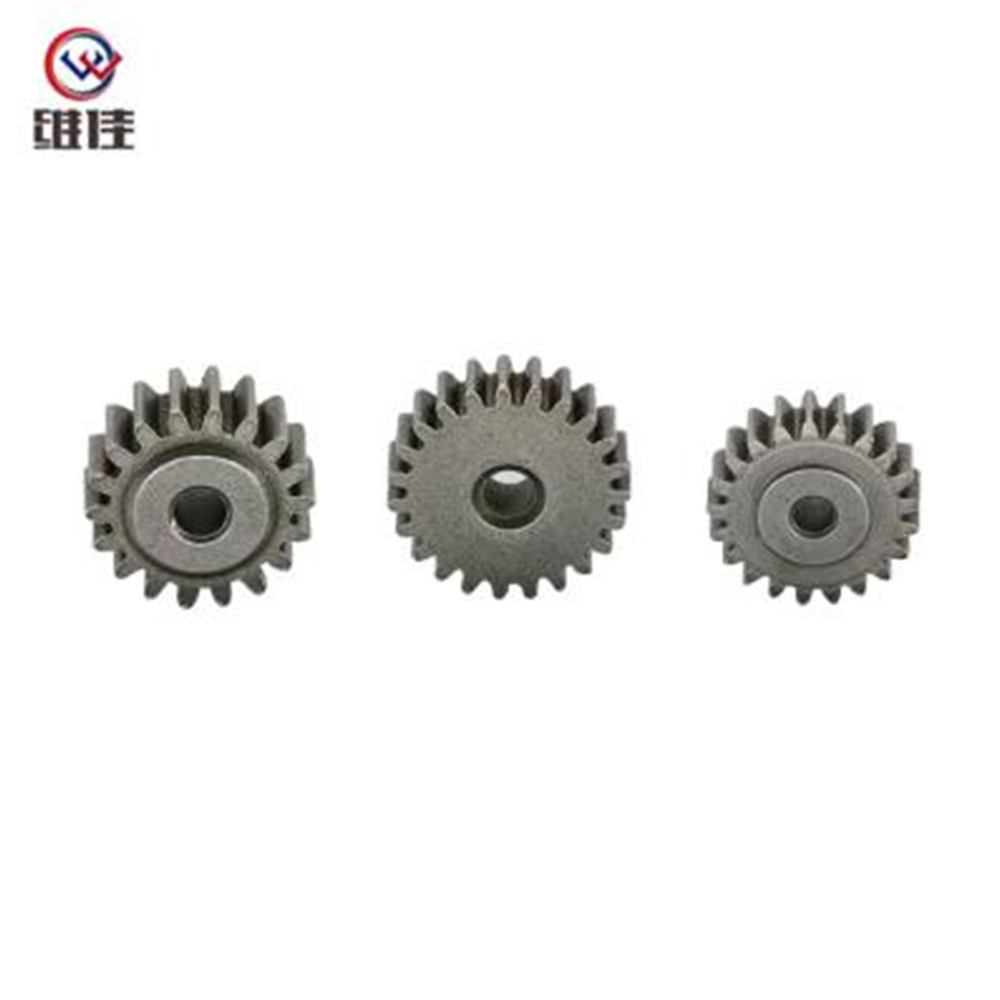
Description: Custom powder metallurgy planetary gear with high precision, wear resistance for automotive, industrial machinery & home appliances. OEM/ODM supported.
See Details -
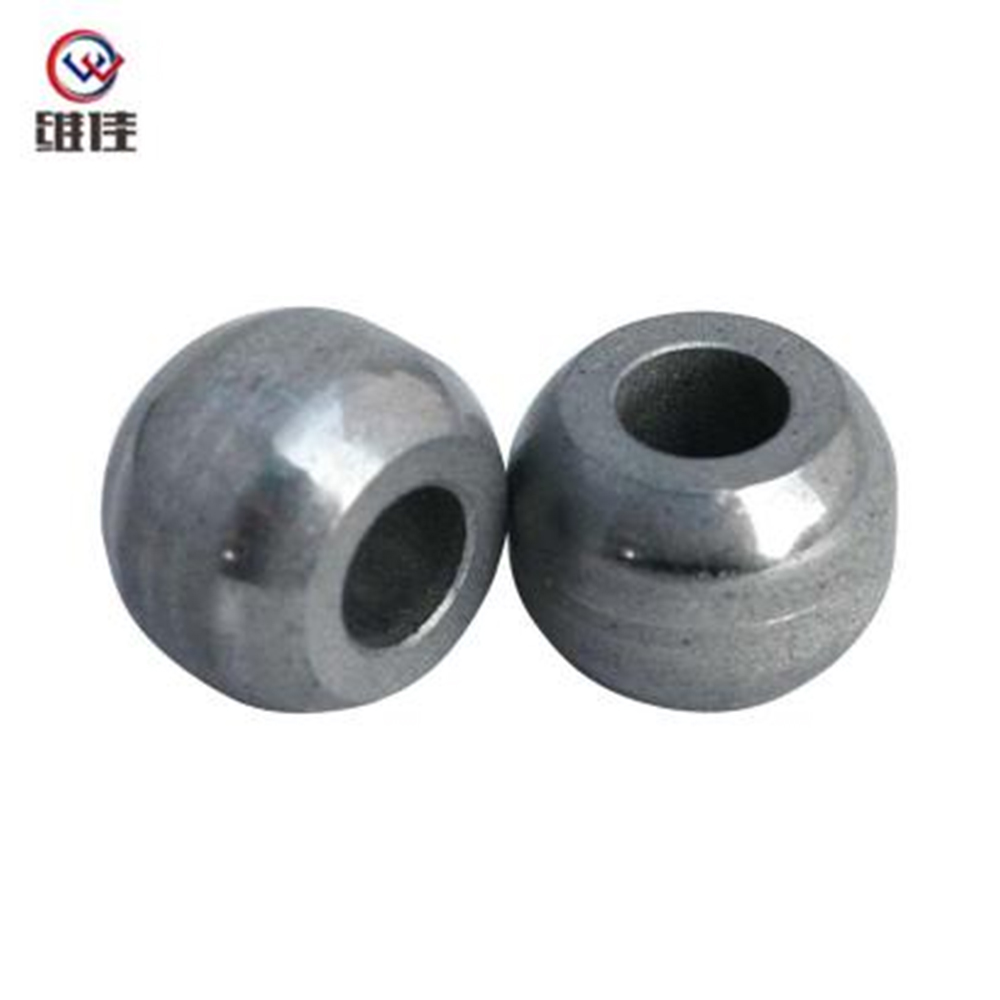
Product Description: High-precision powder metallurgy part (S14*7*10) made of iron material from Jiande Wefine, customized PM components with strict tolerance control.
See Details -
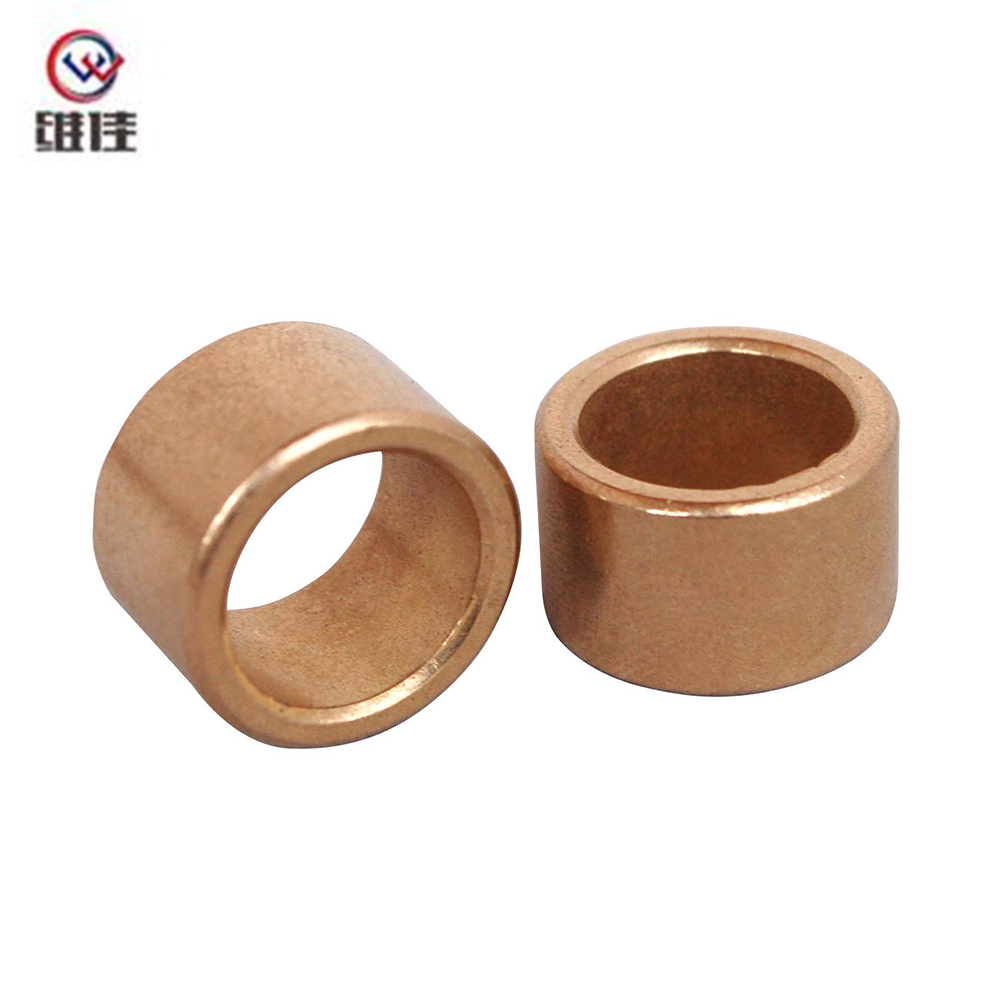
This copper-based powder metallurgy bushing is manufactured through an integrated process of compaction, sintering, sizing, and oil impregnation. It features excellent wear resistance and self-lubrica...
See Details -
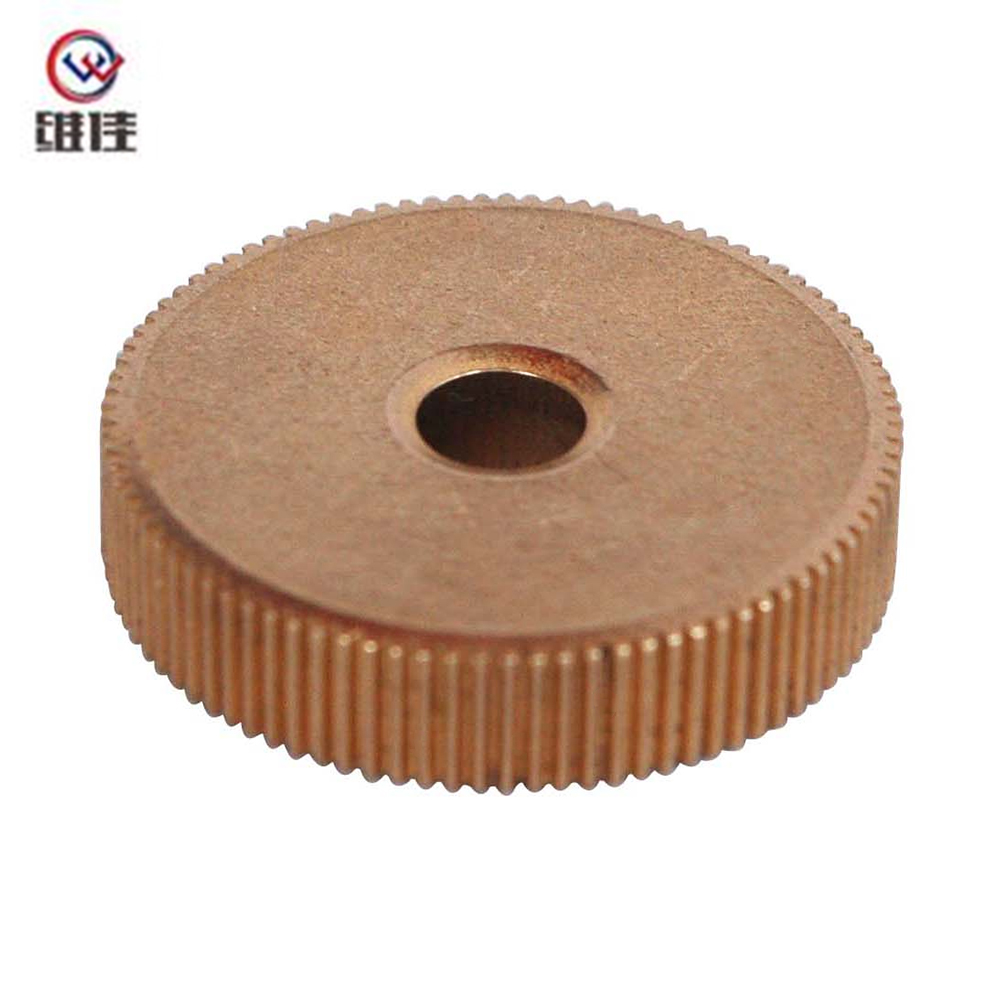
This 4×11.5×5.2mm powder metallurgy gear is manufactured through a precise press-sinter-through hole-oil impregnation process, with strict control of press density (6.7–6.8g/cm³) and sintering tempera...
See Details
Copyright © Jiande Welfine Technology Co., Ltd. All Rights Reserved. Privacy Custom Self-lubricating Sintered Bushing Manufacturers
