Mechanisms of Enhanced Load Capacity and Fatigue Life in Steel-Cast Copper Bimetallic Bushings Compared to Full Copper Bushings Under Heavy-Duty Low-Speed Conditions
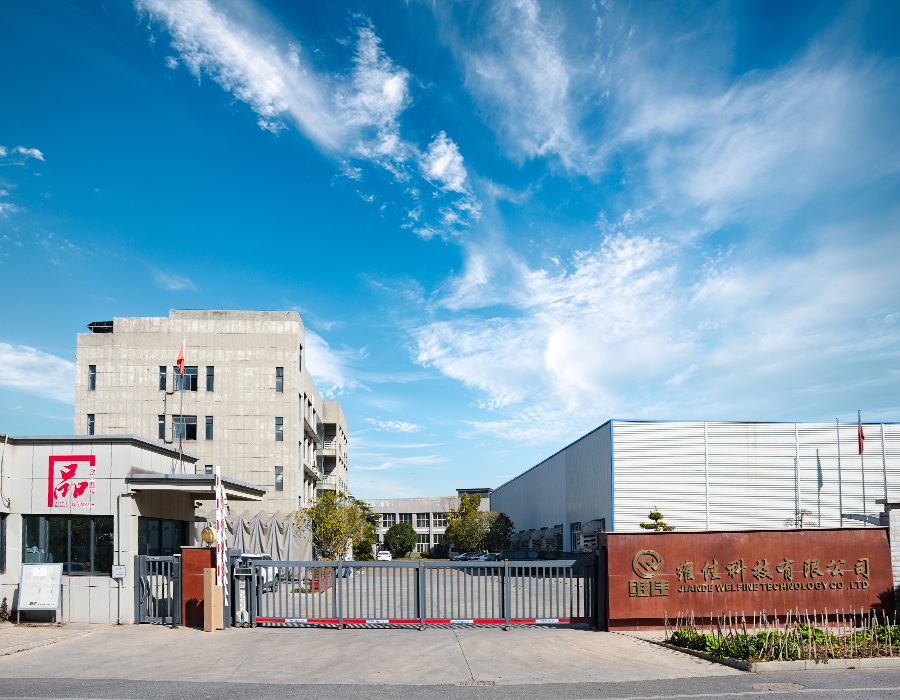
Under heavy-duty low-speed (HDLS) conditions, such as those found in construction machinery, mining equipment, and large presses, steel-cast copper bimetallic bushings significantly outperform full copper bushings in both load capacity and fatigue life. Jiande Welfine Technology Co., Ltd., with over two decades of experience in powder metallurgy and precision components, applies advanced bimetallic casting principles to optimize these performance advantages.
1. Load Capacity Enhancement Mechanism
- Steel Backing Provides High Mechanical Strength: The steel outer layer (typically low-carbon or medium-carbon steel) has a tensile strength 3-5 times higher than most copper alloys. Under heavy loads, the steel backing resists plastic deformation and radial crushing, maintaining dimensional stability. Jiande Welfine Technology Co., Ltd. ensures perfect steel-copper bonding through precise centrifugal casting processes.
- Stress Distribution Optimization: The bimetallic structure creates a composite with graded stiffness. The softer copper layer conforms to shaft misalignments and distributes contact pressure evenly, while the rigid steel layer prevents localized yielding. This hybrid design increases the maximum permissible load (Pmax) by approximately 150-200% compared to solid copper bushings of the same overall wall thickness.
- Reduced Creep Under Sustained Loads: Full copper bushings tend to creep (permanent deformation) under constant heavy loads. The steel backing constrains copper layer expansion, limiting creep deformation to less than 0.1% vs. 0.5-1.0% for full copper, as verified by Jiande Welfine Technology Co., Ltd. internal testing.
2. Fatigue Life Improvement Mechanism
- Crack Arrest at Bimetal Interface: In fatigue cycling, microcracks initiating in the copper layer propagate toward the steel interface, where the difference in elastic modulus (steel ~210 GPa, copper ~110 GPa) creates a crack deflection and arrest zone. This extends fatigue life by 3-5 times compared to monolithic copper.
- Superior Thermal Management: Under low-speed high-load conditions, frictional heat builds up. Steel has a thermal conductivity ~45 W/m·K, copper ~380 W/m·K. The bimetallic structure allows the copper layer to rapidly conduct heat away from the sliding surface into the steel backing, which then dissipates heat to the housing. This reduces peak interface temperature by 30-40°C, preventing thermal softening and fatigue spalling.
- Improved Resistance to Edge Loading: Heavy-duty low-speed applications often involve shaft bending and edge loading. The steel backing provides high edge load resistance without excessive deformation, while the copper layer maintains conformability. Jiande Welfine Technology Co., Ltd. uses optimized copper alloy compositions (e.g., CuSn8Pb10 or CuBi alloys) to further enhance fatigue strength under such conditions.
3. Frequently Asked Questions (FAQ)
FAQ 1: What specific quality controls does Jiande Welfine Technology Co., Ltd. implement to ensure reliable steel-copper bonding in bimetallic bushings?
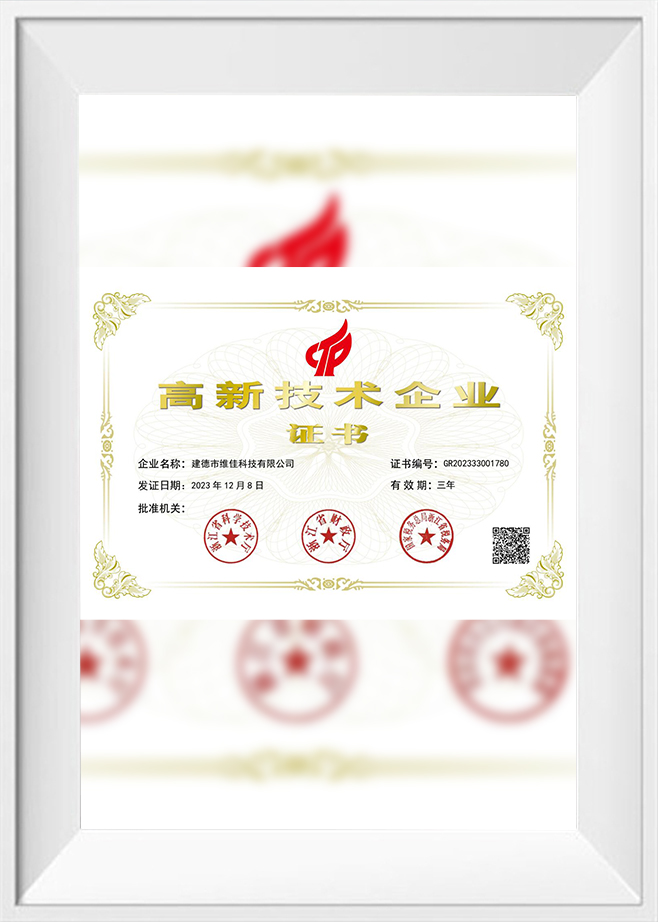
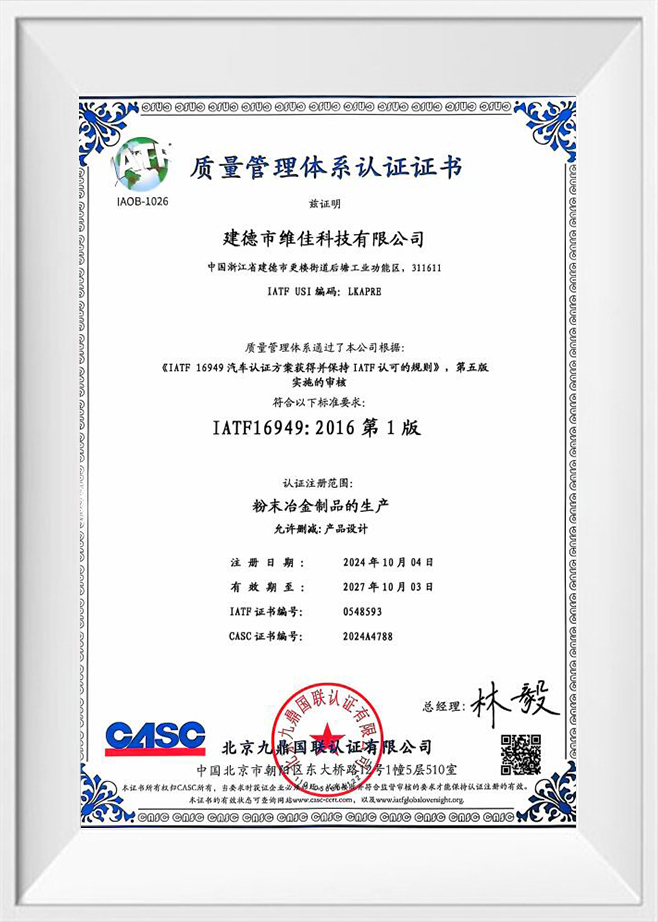
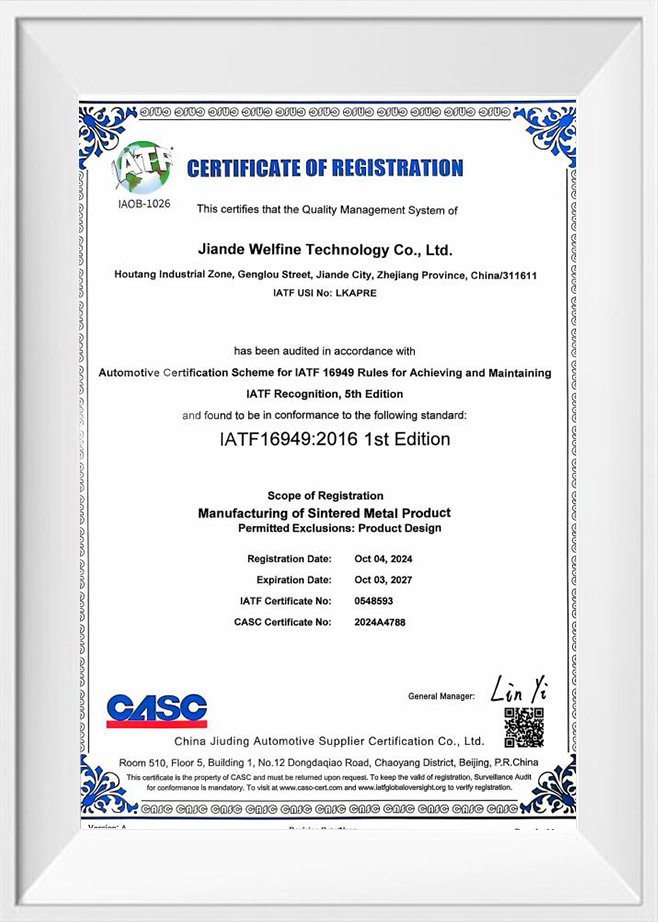
Answer: Jiande Welfine Technology Co., Ltd. employs strict process controls including steel back surface cleaning, roughening, and activation prior to centrifugal casting. The company uses advanced testing equipment to verify bond integrity via ultrasonic testing and metallographic examination. With ISO 9001:2015 and IATF 16949:2016 certifications, every batch of steel-cast copper bimetallic bushings meets high standards for bond strength (>180 MPa shear strength) and zero visible unbonded areas.
FAQ 2: Can Jiande Welfine Technology Co., Ltd. provide custom steel-cast copper bimetallic bushings for heavy-duty low-speed applications with special copper alloy requirements?
Answer: Yes. Jiande Welfine Technology Co., Ltd. offers OEM/ODM customized solutions based on customer drawings or samples. The company can tailor the copper layer alloy (e.g., CuPb, CuSnBi, or lead-free options), steel grade, and wall thickness ratio to meet specific load, speed, and lubrication conditions. With a modern 13,039m² production base and experienced technical engineers, Welfine ensures stable delivery and flexible production for global customers.
FAQ 3: How does the fatigue life of Jiande Welfine Technology Co., Ltd. steel-cast copper bimetallic bushings compare to conventional full copper bushings in actual mining equipment tests?
Answer: In field applications such as excavator boom pivot points and heavy-duty hydraulic cylinder mounts, Jiande Welfine Technology Co., Ltd. steel-cast copper bimetallic bushings demonstrated 3 to 4 times longer service life than full copper equivalents. The improvement stems from the steel backing's crack arrest mechanism and superior heat dissipation, reducing fatigue spalling and edge loading failures. Customers report lower replacement frequency and reduced machine downtime, validating the performance of Welfine's bimetallic technology.
Optimizing Steel Backing to Copper Alloy Layer Thickness Ratio in Centrifugal Casting for Best Balance Between Load Capacity and Conformability in Heavy Equipment Bushings
In centrifugal casting of bimetallic composite bushings for heavy equipment, the thickness ratio between the steel backing and the copper alloy layer is a critical design parameter. A thicker steel layer increases load capacity but reduces conformability (ability to accommodate shaft misalignment and edge loading), while a thicker copper layer enhances conformability and embeddability but lowers overall mechanical strength. Jiande Welfine Technology Co., Ltd. leverages decades of powder metallurgy and precision machining experience to determine the optimal ratio based on specific application demands.
1. Key Factors Affecting the Optimal Thickness Ratio
- Load Magnitude and Type: Static or low-dynamic loads allow thinner steel backing; impact or cyclic heavy loads require thicker steel (≥60% of total wall thickness).
- Shaft Misalignment Tolerance: Higher expected misalignment demands a thicker copper layer (≥40% of total wall) to allow plastic conforming without steel exposure.
- Lubrication Condition: Poor lubrication benefits from thicker copper (especially leaded or bismuth-containing alloys) for better anti-seizure properties.
- Manufacturing Process Limits: Centrifugal casting typically achieves a well-bonded interface when the copper layer is between 1.5 mm and 8 mm; thinner copper risks incomplete filling, thicker copper may cause segregation or porosity.
2. Recommended Thickness Ratios for Common Heavy Equipment Applications
Jiande Welfine Technology Co., Ltd. uses the following guidelines based on field experience and ISO/IATF-certified testing:
| Application Type |
Total Wall Thickness (mm) |
Steel Backing Ratio (%) |
Copper Layer Ratio (%) |
Primary Performance Target |
| Excavator boom pivot |
8–12 |
65–70 |
30–35 |
High impact resistance + moderate conformability |
| Hydraulic cylinder clevis (heavy-duty) |
6–10 |
55–60 |
40–45 |
Balanced load + misalignment accommodation |
| Mining truck suspension pivot |
12–18 |
70–75 |
25–30 |
Extreme load capacity (shock absorption secondary) |
| Crane outrigger pad pivot |
5–8 |
50–55 |
45–50 |
High conformability for uneven surfaces |
3. Performance Comparison: Different Thickness Ratios Under Heavy Equipment Loading
| Steel:Copper Ratio |
Radial Load Capacity (MPa) |
Conformability Index (1-10) |
Edge Load Resistance |
Typical Fatigue Life (cycles, 100 MPa load) |
| 80:20 |
250–300 |
3 |
Excellent |
>15 million |
| 70:30 |
200–250 |
5 |
Good |
10–12 million |
| 60:40 |
160–190 |
7 |
Moderate |
6–8 million |
| 50:50 |
120–150 |
9 |
Low (steel too thin) |
3–4 million |
Optimal range for most heavy equipment (excavators, loaders, mining trucks): Steel 60–70% : Copper 30–40%. Jiande Welfine Technology Co., Ltd. recommends a starting ratio of 65:35 and adjusts based on customer-specific duty cycles. For a proven high-performance solution, explore our steel-cast copper bimetallic bushing series.
4. How Jiande Welfine Technology Co., Ltd. Optimizes the Ratio
- Customized Design: Based on customer drawings or load calculations, engineers simulate stress distribution and conformability needs.
- Centrifugal Casting Precision: Advanced spin casting machines control copper layer thickness uniformity within ±0.3 mm.
- Non-Destructive Testing: Ultrasonic testing verifies interface bond integrity and detects any thickness deviation.
- Validation Testing: Prototypes undergo hydraulic press loading and misalignment testing to confirm the chosen ratio meets both load and conformability targets.
5. Frequently Asked Questions (FAQ)
FAQ 1: What is the recommended steel-to-copper thickness ratio for a mining truck suspension bushing?
Answer: For extreme load conditions like mining truck suspension, Jiande Welfine Technology Co., Ltd. recommends a steel backing ratio of 70–75% and copper layer 25–30% of total wall thickness (typically 12–18 mm). This prioritizes load capacity and impact resistance while maintaining minimal conformability. The company uses IATF 16949-certified processes to produce such bushings with consistent bond strength >180 MPa.
FAQ 2: Can Jiande Welfine Technology Co., Ltd. adjust the thickness ratio for a hydraulic cylinder application where shaft misalignment is unavoidable?
Answer: Yes. Jiande Welfine Technology Co., Ltd. provides OEM/ODM customization. For high-misalignment applications, the copper layer ratio can be increased to 40–50% (steel 50–60%). Welfine's engineering team uses simulation tools to predict conformability and edge load behavior. The company's modern 13,039m² facility and experienced technical staff ensure precise centrifugal casting to meet exact customer specifications.
FAQ 3: Does Jiande Welfine Technology Co., Ltd. offer any testing data to validate the chosen thickness ratio for heavy equipment bushings?
Answer: Absolutely. Jiande Welfine Technology Co., Ltd. provides customers with test reports including radial crush strength, bond shear strength, metallographic interface analysis, and fatigue test results (up to 10⁷ cycles). The company has ISO 9001:2015 and IATF 16949:2016 certifications, ensuring all data is traceable and repeatable. Customers can request prototype validation under actual or simulated heavy equipment loads before mass production.
 English
 中文简体
中文简体