How Do Iron-Based Sintered Structural Components Improve Motor Performance?
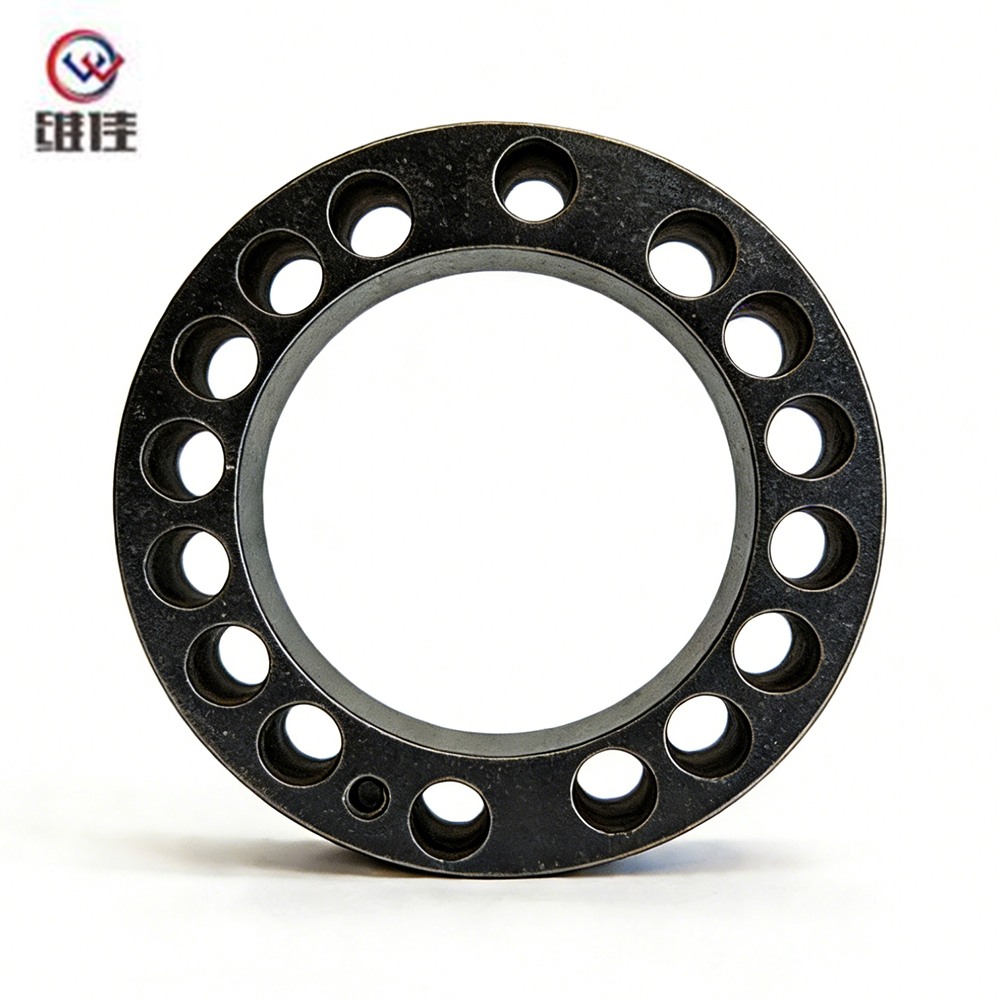
Iron-based sintered components are primarily manufactured through powder metallurgy, a process that compacts fine iron powders, often alloyed with lubricants and reinforcing materials, followed by high-temperature sintering. This method produces parts with controlled porosity, uniform microstructure, and precise dimensions that traditional casting or machining methods cannot achieve efficiently. Jiande Welfine Technology Co., Ltd. has developed advanced manufacturing processes designed to optimize the mechanical and tribological properties of bushings, self-lubricating components, and other structural parts used in electric motors.
Advantages of Iron-Based Sintered Structural Components
Iron-based sintered parts provide several performance benefits in motor applications:
- Enhanced Wear Resistance: The uniform microstructure and embedded self-lubricating materials reduce friction between moving parts, prolonging motor lifespan.
- Dimensional Precision: Sintered components can be manufactured to tight tolerances, ensuring consistent assembly and smooth motor operation.
- High Load-Bearing Capacity: Controlled porosity allows for oil impregnation, improving load-bearing capacity under dynamic conditions.
- Energy Efficiency: Reduced friction and precise geometry minimize energy loss during motor operation.
- Cost-Effective Production: Powder metallurgy enables near-net-shape manufacturing, reducing material waste and post-processing requirements.
These advantages are particularly noticeable in powder metallurgy parts for washing machine motors, where components must endure frequent start-stop cycles and variable load conditions without compromising performance.
Comparison Table: Key Properties of Iron-Based Sintered Components
| Feature |
Iron-Based Sintered Components |
Conventional Machined Steel |
Advantages of Sintered Parts |
| Wear Resistance |
High |
Moderate |
Longer service life, less maintenance |
| Dimensional Accuracy |
±0.02 mm |
±0.05 mm |
Better assembly fit and operational smoothness |
| Load-Bearing Capacity |
High (oil impregnated) |
Medium |
Can sustain higher dynamic loads |
| Surface Lubrication |
Self-lubricating possible |
Requires external lubrication |
Reduces friction and energy loss |
| Production Efficiency |
High (near-net-shape) |
Low |
Less material waste and lower cost |
Material and Application Considerations
The choice of iron-based powders, alloying elements, and sintering parameters significantly impacts motor performance. By adjusting powder composition, Jiande Welfine Technology Co., Ltd. continuously optimizes powder metallurgy processes to ensure that components operating under demanding conditions maintain structural integrity, dimensional stability, and reliable lubrication performance. For washing machine applications, precise control of pore size and density ensures that bushings and gears operate silently while enduring millions of rotational cycles.
Functional Applications
| Component Type |
Primary Function |
Typical Motor Applications |
| Powder metallurgy bushings |
Reduce friction, self-lubricating |
Washing machines, small household motors |
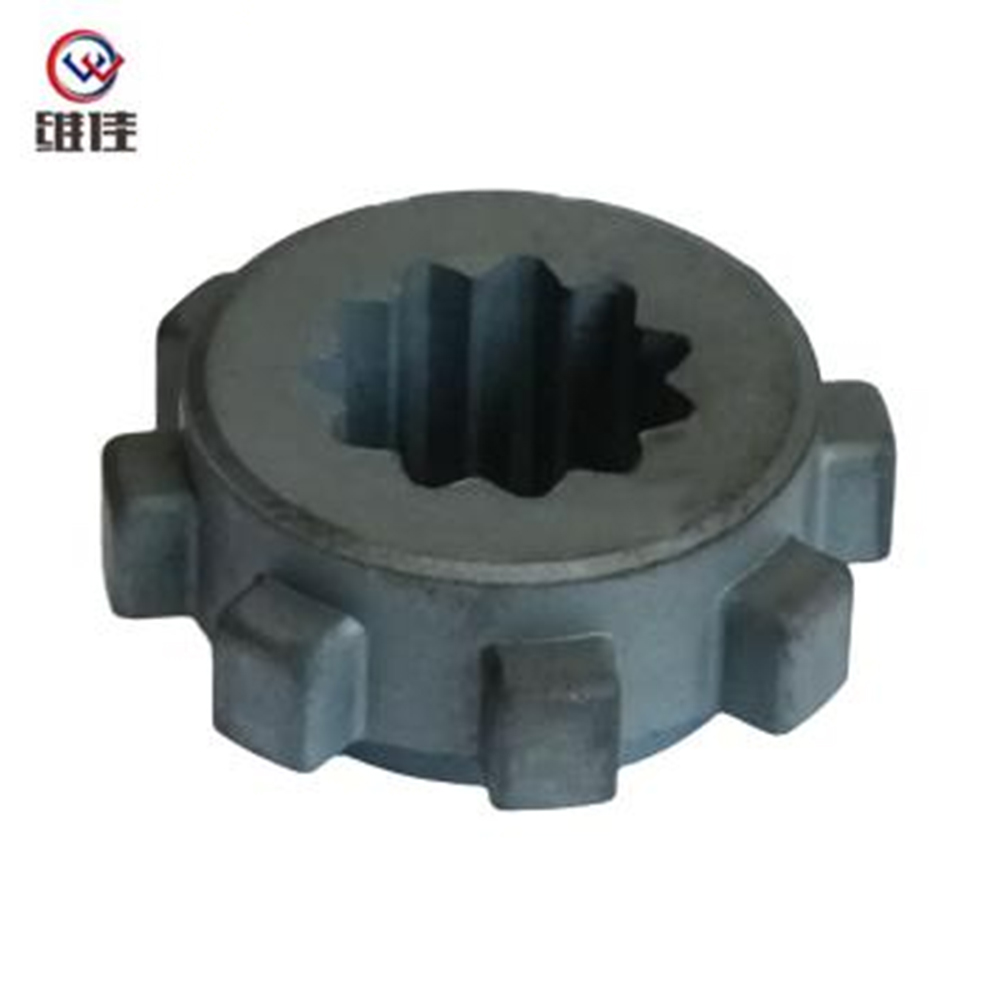
| Sintered gears |
Torque transmission |
HVAC motors, automotive actuators |
| Structural brackets |
Support and alignment |
Industrial motor assemblies |
| Shaft supports |
Load-bearing, minimize vibration |
High-speed motors |
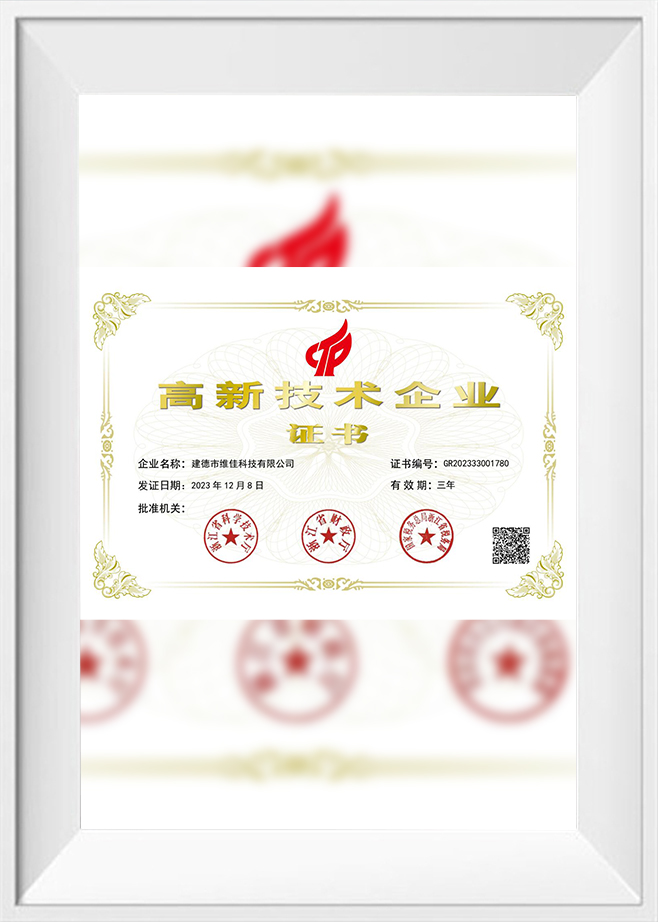
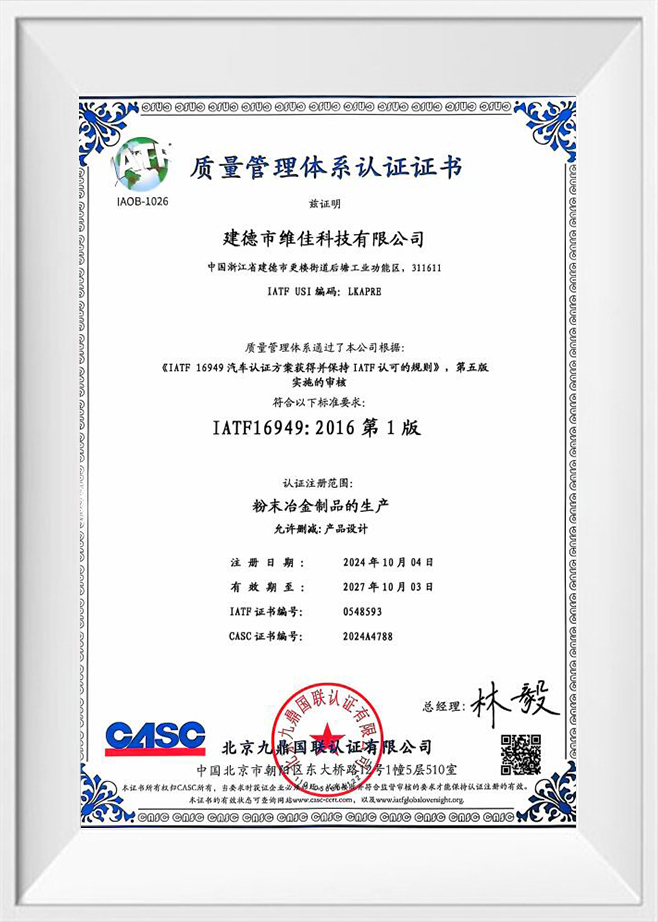
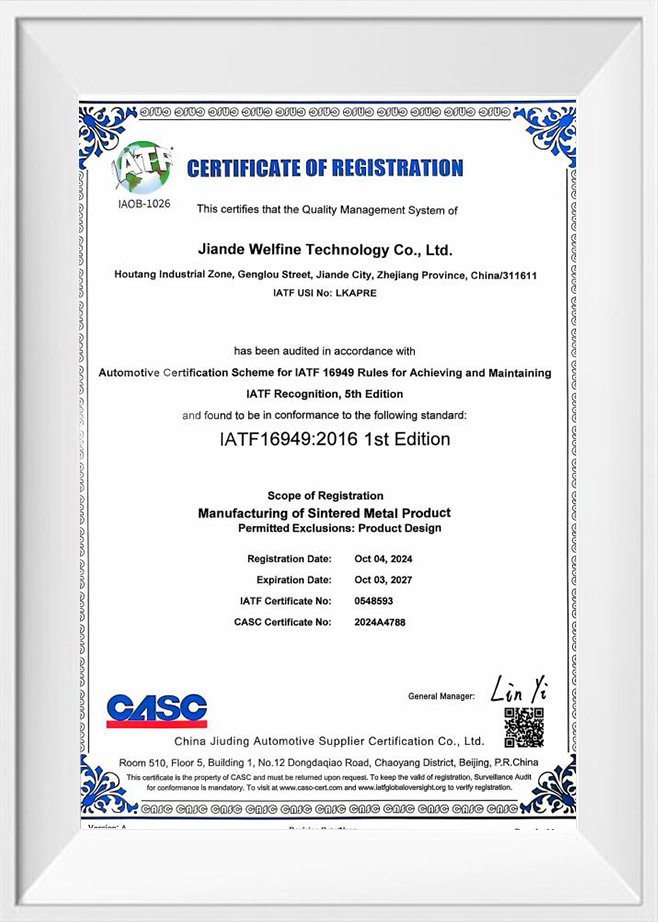
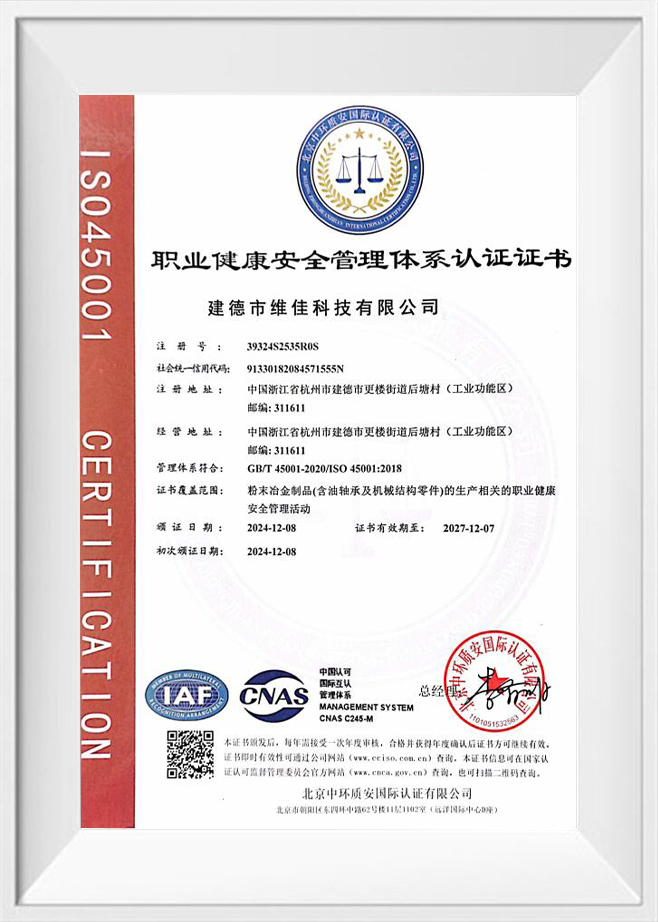
In addition to mechanical performance, iron-based sintered structural components allow for consistent production scaling. Jiande Welfine Technology Co., Ltd. emphasizes ISO 9001:2015 and IATF 16949:2016-certified quality management, ensuring that every batch of powder metallurgy parts meets global standards for reliability and durability. OEM and ODM solutions further allow customization according to specific motor designs or operational requirements.
Conclusion
Iron-based sintered structural components for motors combine precision, wear resistance, and energy efficiency in a cost-effective, scalable form. Their performance advantages make them indispensable in modern motor design, especially in high-cycle applications such as washing machines, automotive actuators, and industrial machinery.
FAQ
Q1: Why are iron-based sintered components preferred over traditional machined steel parts?
A1: They offer higher wear resistance, better dimensional accuracy, self-lubrication options, and lower production costs due to near-net-shape manufacturing.
Q2: Can powder metallurgy parts be customized for specific motor applications?
A2: Yes, companies like Jiande Welfine Technology Co., Ltd. provide OEM/ODM solutions based on customer drawings or samples.
Q3: How does porosity affect the performance of sintered bushings?
A3: Controlled porosity allows oil impregnation for self-lubrication, enhancing load-bearing capacity and reducing friction.
Q4: Are iron-based sintered components suitable for high-speed motors?
A4: Yes, their precision, uniform microstructure, and low friction make them ideal for high-speed, high-cycle motor applications.
Q5: What certifications ensure the quality of these sintered parts?
A5: ISO 9001:2015 and IATF 16949:2016 certifications confirm compliance with global quality and durability standards.
 English
 中文简体
中文简体