 English
 中文简体
中文简体Description: Custom powder metallurgy planetary gear with high precision, wear resistance for automotive, industrial machinery & home appliances. OEM/ODM supported.
See DetailsE-mail us: [email protected]
Tel: +86-15239857375


 Home / News / Industry News / IATF 16949 vs ISO 9001 Powder Metallurgy Suppliers: Why Certification Matters
 IATF 16949 vs ISO 9001 Powder Metallurgy Suppliers: Why Certification Matters
 2026.10.19
 Industry News
Content
- 1 Understanding ISO 9001 and IATF 16949
- 2 Key Differences at a Glance
- 3 Why IATF 16949 Matters for Sintered Component Suppliers
- 4 Why ISO 9001 Remains Important
- 5 What Certification Means for Powder Metallurgy Quality
- 6 How to Evaluate a Certified Powder Metallurgy Supplier
- 7 Why Certification Matters at Welfine
Choosing a powder metallurgy supplier often comes down to more than price and lead time. In a market where sintered components must meet tight tolerances, consistent material properties, and demanding delivery schedules, certifications provide an early signal about how a factory manages quality. For procurement and engineering teams comparing IATF 16949 vs. ISO 9001 powder metallurgy suppliers, the question is not simply which certificate is better. It is about what each certification tells you about the supplier’s ability to deliver reliable parts. At Welfine, we hold both, and we have seen how they support different customer needs.
Understanding ISO 9001 and IATF 16949
ISO 9001:2015 is the international standard for quality management systems. It provides a framework for process control, customer focus, documentation, corrective action, and continuous improvement. Because it is not tied to one industry, it works as a practical baseline for powder metallurgy manufacturers, machined component suppliers, and other industrial operations.
IATF 16949:2016 is a global quality standard developed for the automotive supply chain. It incorporates the structure of ISO 9001 and adds automotive-specific requirements such as advanced product quality planning (APQP), production part approval process (PPAP), failure mode and effects analysis (FMEA), measurement systems analysis (MSA), statistical process control (SPC), and special attention to product safety, traceability, and customer-specific requirements. For a supplier making sintered bearings, gears, or structural parts for vehicles, this standard is frequently a condition for becoming an approved supplier.
Key Differences at a Glance
To help you compare the two standards, here is a simplified view of the main differences.
| Aspect | ISO 9001 | IATF 16949 |
|---|---|---|
| Scope | General quality management | Automotive supply chain quality management |
| Primary focus | Customer satisfaction and continuous improvement | Defect prevention, risk management, and product integrity |
| Industry reach | Any sector | Automotive and suppliers serving that market |
| Planning tools | Not mandated in detail | APQP, FMEA, MSA, SPC, and PPAP required |
| Customer requirements | General expectations | Customer-specific requirements documented and tracked |
| Audit approach | System effectiveness focus | Includes process audits, special characteristics, and layered process audits |
The table shows that IATF 16949 is not a replacement for ISO 9001. It is an extension that adds automotive expectations on top of a quality management system. For powder metallurgy suppliers, the practical consequence is that an IATF-certified supplier normally has a stronger framework for advanced quality planning, error prevention, and supplier audits.
Why IATF 16949 Matters for Sintered Component Suppliers
Powder metallurgy is a process with many critical inputs: powder grade, lubricant content, compacting pressure, sintering temperature, furnace atmosphere, and secondary operations such as sizing, oil impregnation, or steam treatment. Small changes in any of these variables can affect density, porosity, dimensional stability, and final mechanical performance. IATF 16949 pushes suppliers to identify these variables, define control plans, and prove that the process is capable.
For automotive applications, the demand for evidence goes even further. A customer may require PPAP Level 3 documentation, capability indexes for key dimensions, material traceability, and a clear plan for special characteristics. Without IATF 16949, many OEMs will not begin the qualification process. For a powder metallurgy supplier that wants to serve the automotive market, the absence of this certification usually means losing access to an entire segment of potential programs.
Parts such as sintered bronze bushings, oil pump gears, planetary gears, and brake pad materials need both dimensional precision and stable tribological behavior. These requirements align well with IATF 16949’s emphasis on risk assessment and continuous verification. Some non-automotive customers also see IATF 16949 as a useful signal. They know that an IATF-certified supplier has been audited against a stricter standard, which can reduce their own supplier audit work.
Why ISO 9001 Remains Important
Despite the stronger automotive focus, ISO 9001 remains important. Many appliance, power tool, industrial machinery, and fluid power customers use ISO 9001 as a qualification baseline. They need a supplier with a disciplined quality system, not necessarily the full automotive tool set. ISO 9001 is also the foundation on which IATF 16949 is built. It requires effective document control, internal audits, management review, and corrective action. Without those elements, the advanced automotive quality tools would be difficult to operate sustainably.
ISO 9001 also supports international trade. When a powder metallurgy supplier exports to a new market, a current ISO 9001 certificate is often one of the simplest ways to demonstrate a credible quality system. Many distributors and original equipment manufacturers request it before adding a new source to their vendor list.
At Welfine, we treat ISO 9001 as the everyday quality framework and apply IATF 16949 where customers expect deeper evidence of process control and automotive-grade documentation.
What Certification Means for Powder Metallurgy Quality
Certification is not a guarantee that every part is perfect, but it creates the conditions for consistent quality. A certified powder metallurgy supplier should be able to demonstrate the following:
- Process control: documented procedures for powder mixing, compaction, sintering, and secondary operations.
- Equipment reliability: calibrated compaction presses, furnaces, gauges, and testing instruments.
- Traceability: batch records that link incoming powder lots to finished shipments.
- Nonconformance handling: clear containment, disposition, and corrective-action procedures.
- Change management: engineering or process changes are reviewed and approved before implementation.
These elements matter because sintered components are often produced in high volumes. A small deviation in powder composition or sintering temperature can affect thousands of parts before it is noticed. A robust quality system reduces that risk.
At Welfine, these principles are applied across our product range. For example, our high-performance sintered self-lubricating bushings are made with controlled porosity and oil impregnation, and each lot is reviewed against the same quality discipline.
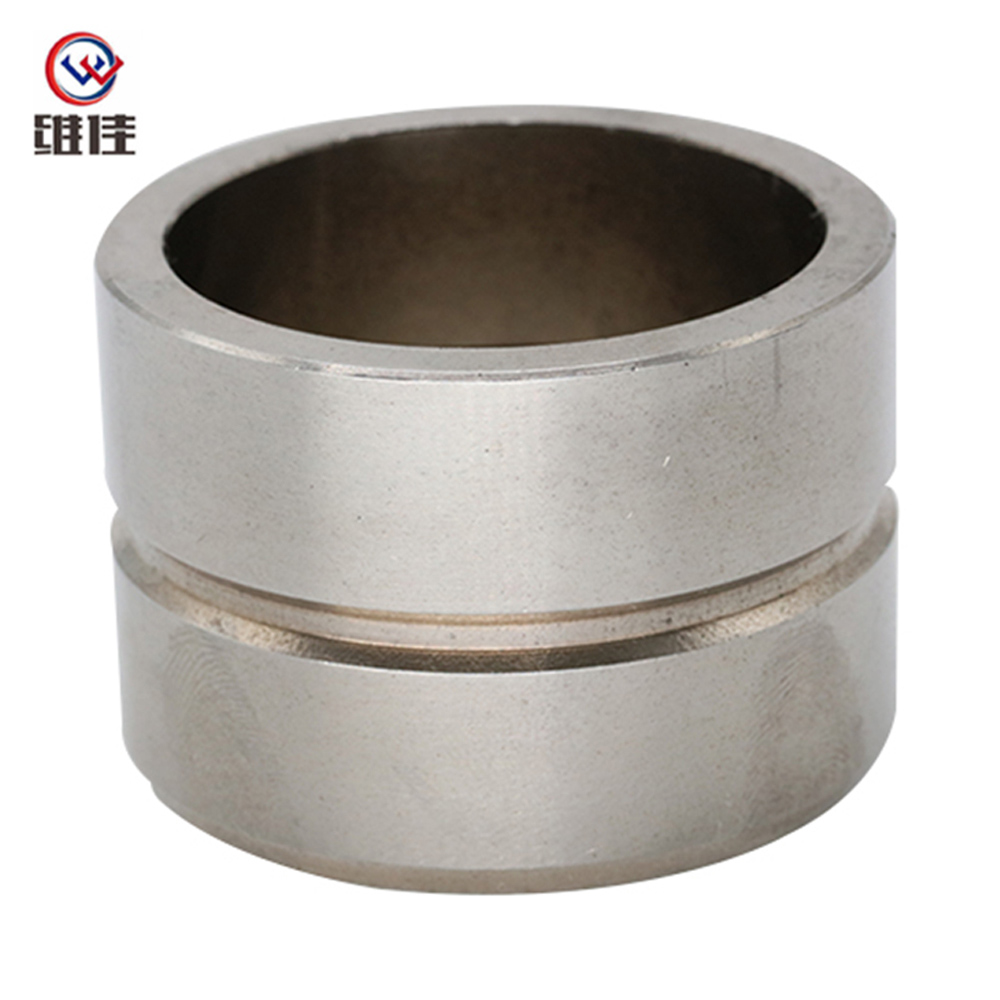 High Performance Sintered Self-lubricating BushingsOur High Performance Sintered Self-lubricating Bearings are manufactured using advanced powder sintering technology, designed for high-speed, high-load, and high-tempe...View Product →
How to Evaluate a Certified Powder Metallurgy Supplier
Certificates can look similar at first glance, but the real difference appears during an evaluation. When you compare certified suppliers, focus on practical questions:
- Is the certificate scope specific to powder metallurgy or another process?
- Does the supplier have documented experience with your application, such as bronze bearings, iron-based structural parts, or soft magnetic components?
- How does the supplier manage customer-specific requirements and keep them updated?
- Can the supplier show examples of PPAP submissions, capability studies, or process FMEAs?
- What is the process for containing and correcting a nonconforming batch?
The best answer to these questions is not a quality manual alone; it is evidence from real components. A controlled bronze bushing program can reveal how a supplier handles dimensional validation, material certification, and lot traceability.
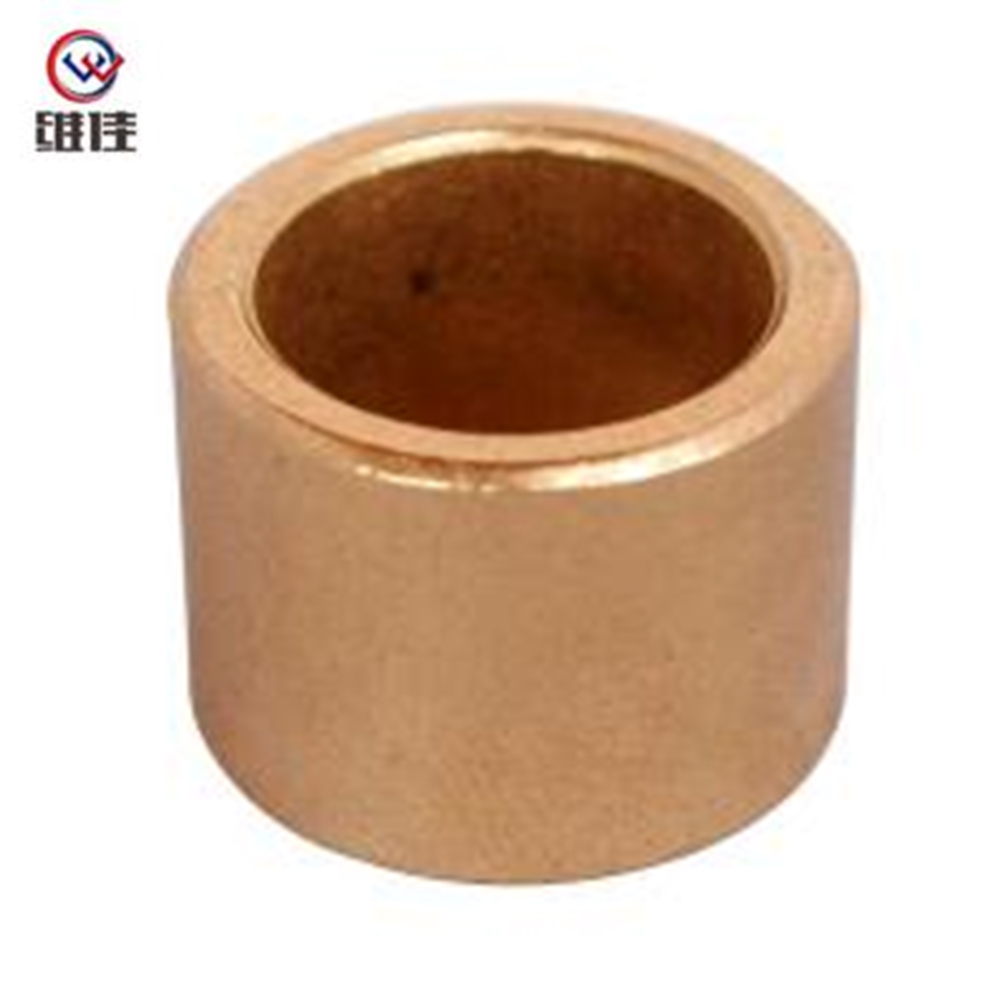 Powder Metallurgy Bronze Bushing (A0667)This copper-based powder metallurgy bushing is manufactured through an integrated process of compaction, sintering, sizing, and oil impregnation. It features excellent...View Product →
Look for evidence that the certification is part of daily operations. Check whether operators are involved in standard work, whether inspection records are easy to follow, and whether the quality department has the authority to stop shipments. A certificate only has value if it is embedded in the factory culture.
Why Certification Matters at Welfine
Welfine has been manufacturing powder metallurgy components since 2001. We are certified to ISO 9001:2015 and IATF 16949:2016, and our team of more than 150 people operates from a modern factory covering over 13,000 square meters. Our product lines include oil-impregnated bearings, bronze and iron-based bushings, sintered gears, structural parts, friction materials, and soft magnetic components. The common thread is process control.
Our IATF 16949 certificate is supported by real activities: control plans are reviewed for new projects, PPAP files are prepared for customers, gauges are calibrated on a defined schedule, and internal audits are followed by meaningful corrective actions. This is the difference between a certificate that hangs on the wall and a quality system that works.
Certification matters to us because our customers use our parts in applications where noise, wear, downtime, or dimensional failure can have a direct impact on their equipment. Whether we are making a custom sintered component or a standard bushing, the same quality system applies.
If you want to understand the material side of the equation, our guide to sintered metal materials for custom parts is a useful starting point. And if you are ready to talk quality requirements, contact our team directly.
Choosing between ISO 9001 and IATF 16949 is not always straightforward. For a powder metallurgy supplier, ISO 9001 is the baseline that shows basic quality discipline, while IATF 16949 demonstrates the additional rigor needed for automotive and highly engineered applications. For a buyer, the most important step is not to stop at a certificate. Look at how the supplier uses the system to protect your parts. That is where certification truly matters.
Related products
-
-
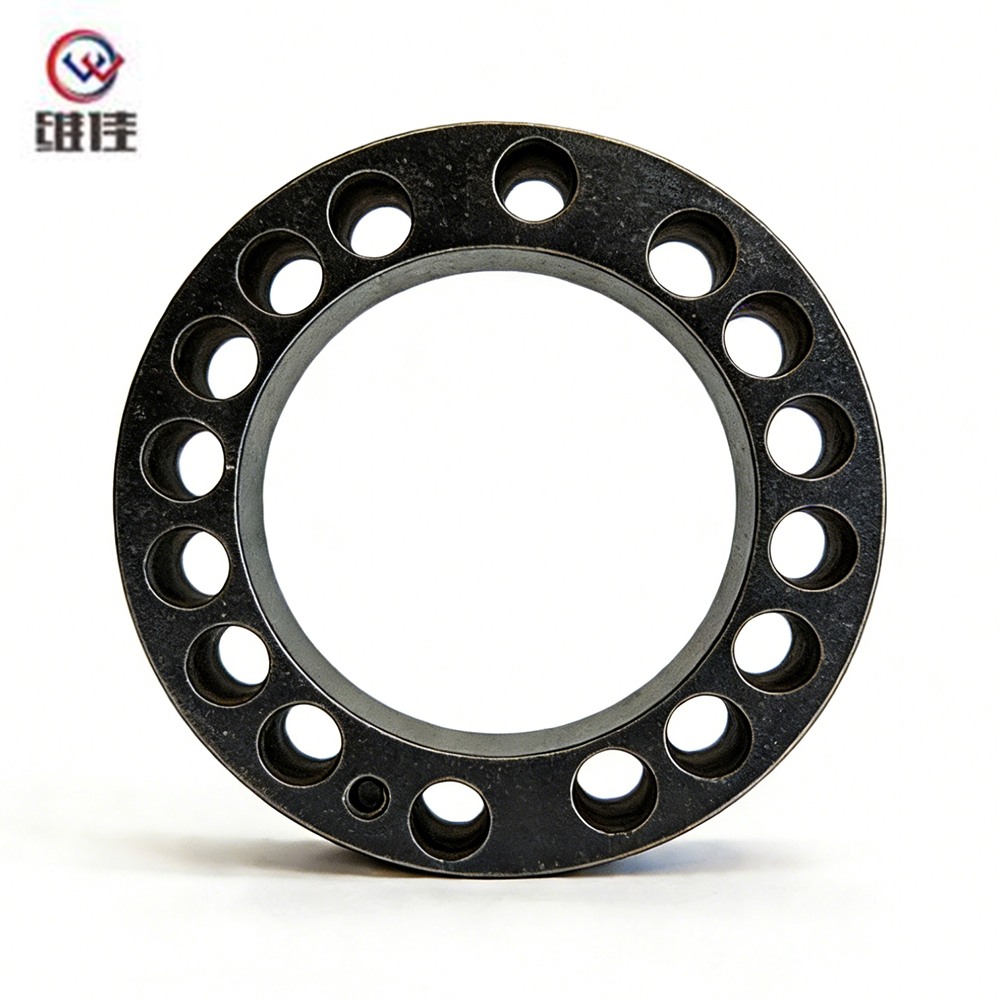
Product Description: High-precision powder metallurgy part (S14*7*10) made of iron material from Jiande Wefine, customized PM components with strict tolerance control.
See Details -
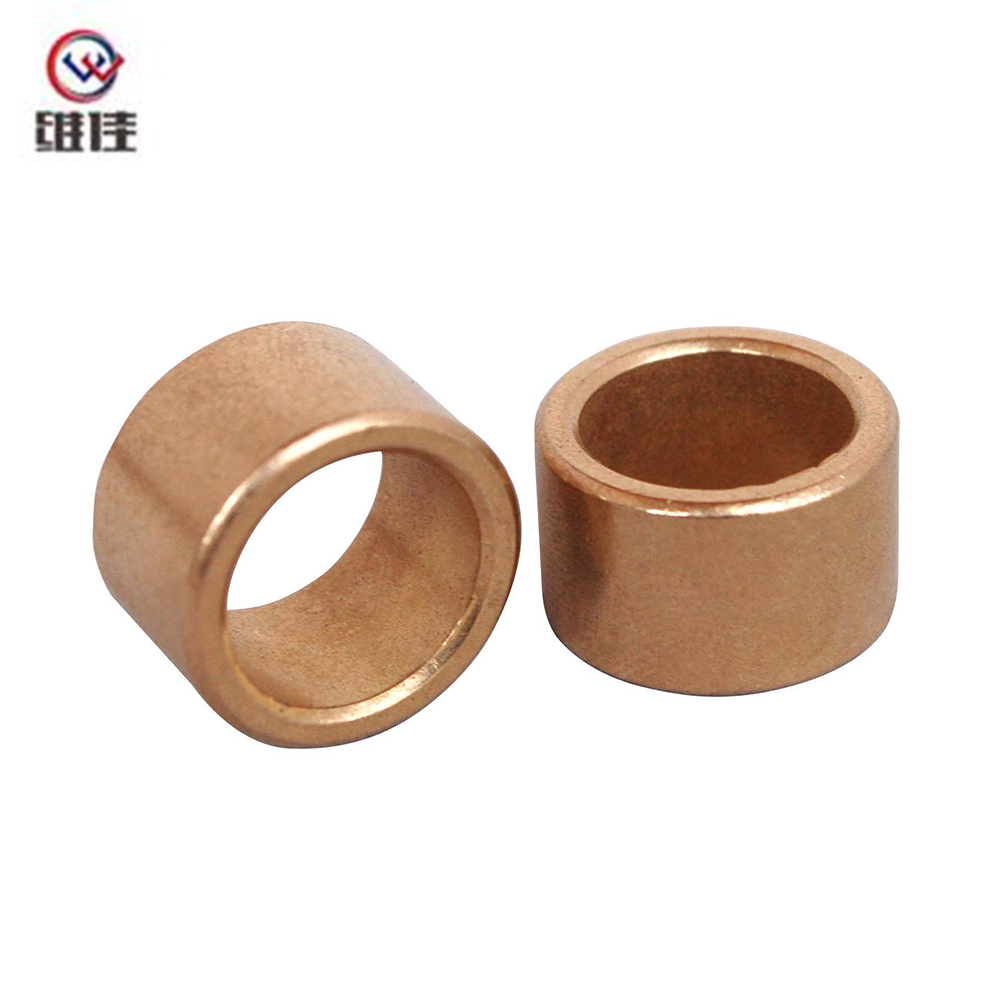
This copper-based powder metallurgy bushing is manufactured through an integrated process of compaction, sintering, sizing, and oil impregnation. It features excellent wear resistance and self-lubrica...
See Details -
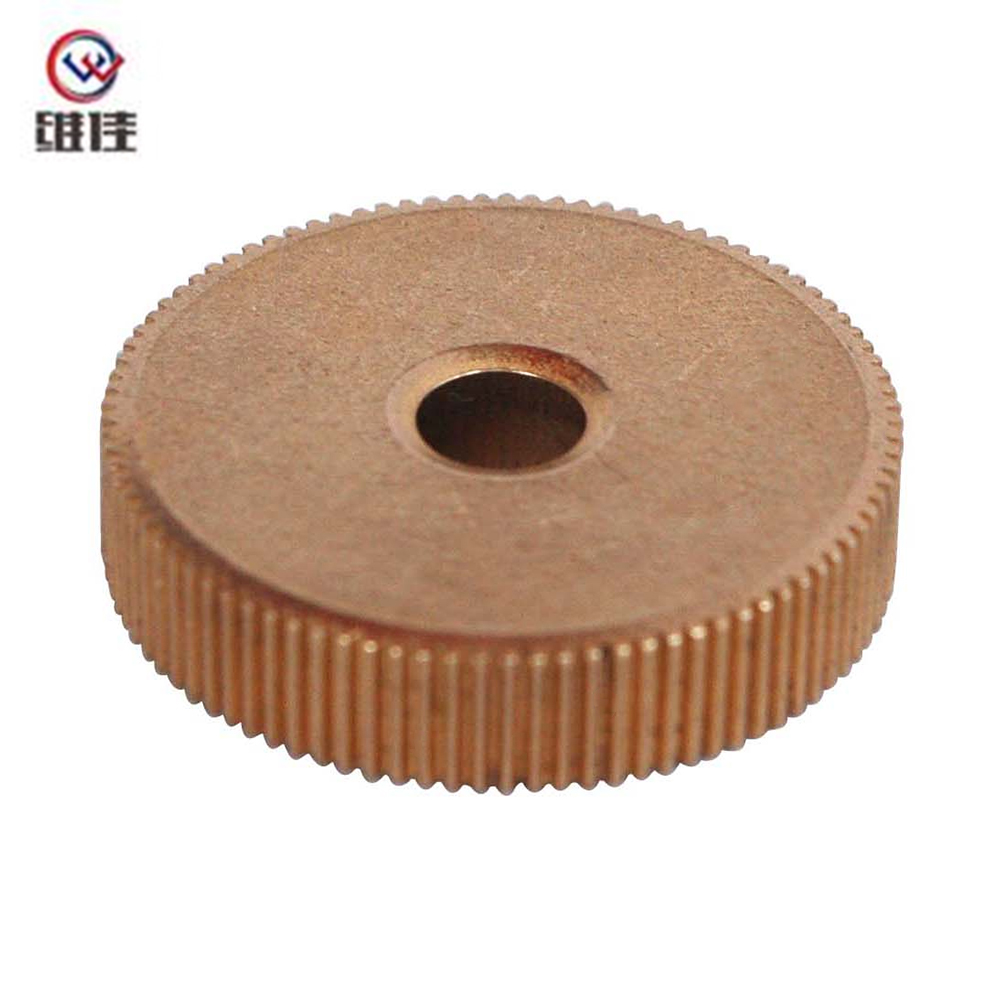
This 4×11.5×5.2mm powder metallurgy gear is manufactured through a precise press-sinter-through hole-oil impregnation process, with strict control of press density (6.7–6.8g/cm³) and sintering tempera...
See Details
Copyright © Jiande Welfine Technology Co., Ltd. All Rights Reserved. Privacy Custom Self-lubricating Sintered Bushing Manufacturers
