English
 中文简体
中文简体


Custom sintered metal parts represent one of the most versatile and cost-effective manufacturing solutions available for producing precision metal components. Through the powder metallurgy process, manufacturers can create complex geometries with exceptional dimensional accuracy while achieving material utilization rates exceeding 95 percent. This technology eliminates much of the waste associated with traditional machining operations and enables production of components that would be impractical or impossible to manufacture through conventional methods. The ability to engineer specific material properties—such as controlled porosity for filtration applications or enhanced wear resistance through alloy blending—makes sintering an indispensable technology across automotive, medical, aerospace, and industrial sectors. For any organization seeking to optimize production costs while maintaining stringent quality standards, custom sintered metal parts offer a compelling strategic advantage.
Understanding the Fundamental Sintering Process
The manufacturing of custom sintered metal parts follows a systematic sequence that transforms metal powders into solid, functional components. This process has been refined over decades and continues to evolve with advances in materials science and automation technology.
Stage One: Powder Production and Selection
The foundation of any sintered component lies in the selection of appropriate metal powders. These powders are produced through various methods including atomization, reduction, and electrolysis. Particle size distribution typically ranges from 20 to 200 micrometers, with finer powders yielding higher density in the final product. Manufacturers can blend different metal powders to create custom alloys tailored to specific application requirements, offering a level of material customization that traditional manufacturing cannot match.
Stage Two: Compacting and Forming
Selected powders are mixed with lubricants and binders, then fed into precision dies where they are compacted under pressures ranging from 200 to 800 megapascals. This compaction process creates a "green" part that retains sufficient strength for handling while containing approximately 15 to 25 percent porosity. The tooling used in this stage determines the final geometry of the component, and modern multi-level tooling enables production of features such as holes, grooves, and multiple levels in a single operation.
Stage Three: Sintering and Post-Processing
The green parts undergo controlled heating in protective atmosphere furnaces at temperatures approaching but remaining below the melting point of the primary constituent metal. During sintering, diffusion bonds form between powder particles, increasing density and developing the final mechanical properties. Additional operations such as sizing, heat treatment, machining, or surface finishing may follow to achieve precise tolerances or enhanced performance characteristics.
Key Advantages of Custom Sintered Metal Parts
The powder metallurgy approach delivers numerous benefits that make it attractive for both prototype development and high-volume production scenarios.
| Benefit Category | Specific Advantage | Production Impact |
|---|---|---|
| Material Efficiency | Up to 95 percent material utilization | Reduced raw material costs |
| Production Speed | Hundreds of parts per hour possible | Lower per-unit costs at scale |
| Design Flexibility | Complex geometries in single operation | Reduced assembly requirements |
| Consistency | Automated process control | Tight tolerances maintained |
| Material Options | Custom alloy development possible | Application-specific properties |
Materials Available for Sintered Components
One of the most compelling aspects of powder metallurgy is the extensive range of materials that can be processed into custom sintered metal parts. Material selection depends on the intended application, required mechanical properties, environmental conditions, and cost considerations.
Iron-Based Materials
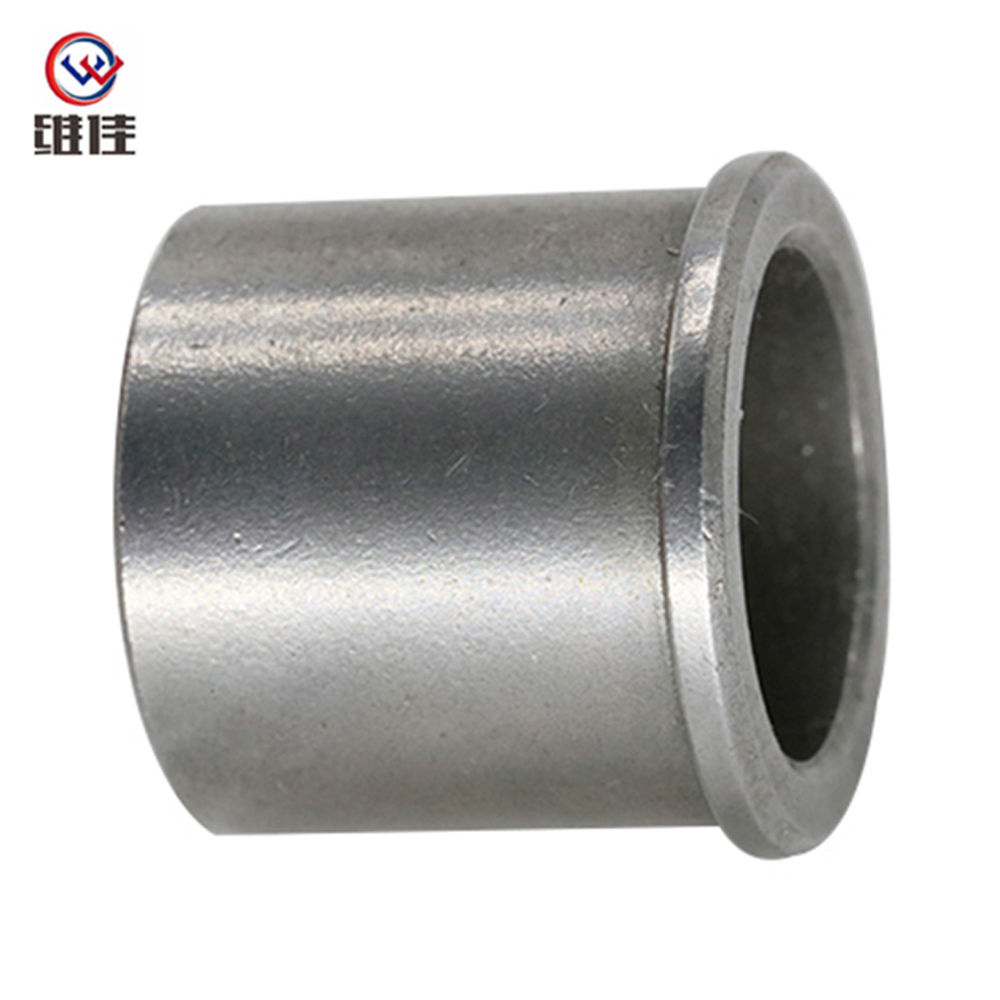
Iron and steel powders form the foundation of the majority of sintered components produced globally. These materials offer excellent strength-to-cost ratios and can be alloyed with copper, nickel, and other elements to enhance specific properties. Carbon steel variants provide improved hardness and wear resistance, while stainless steel powders deliver corrosion resistance for demanding environments. Iron-based sintered parts commonly find application in automotive components, household appliances, and general industrial machinery.
Copper and Bronze Alloys
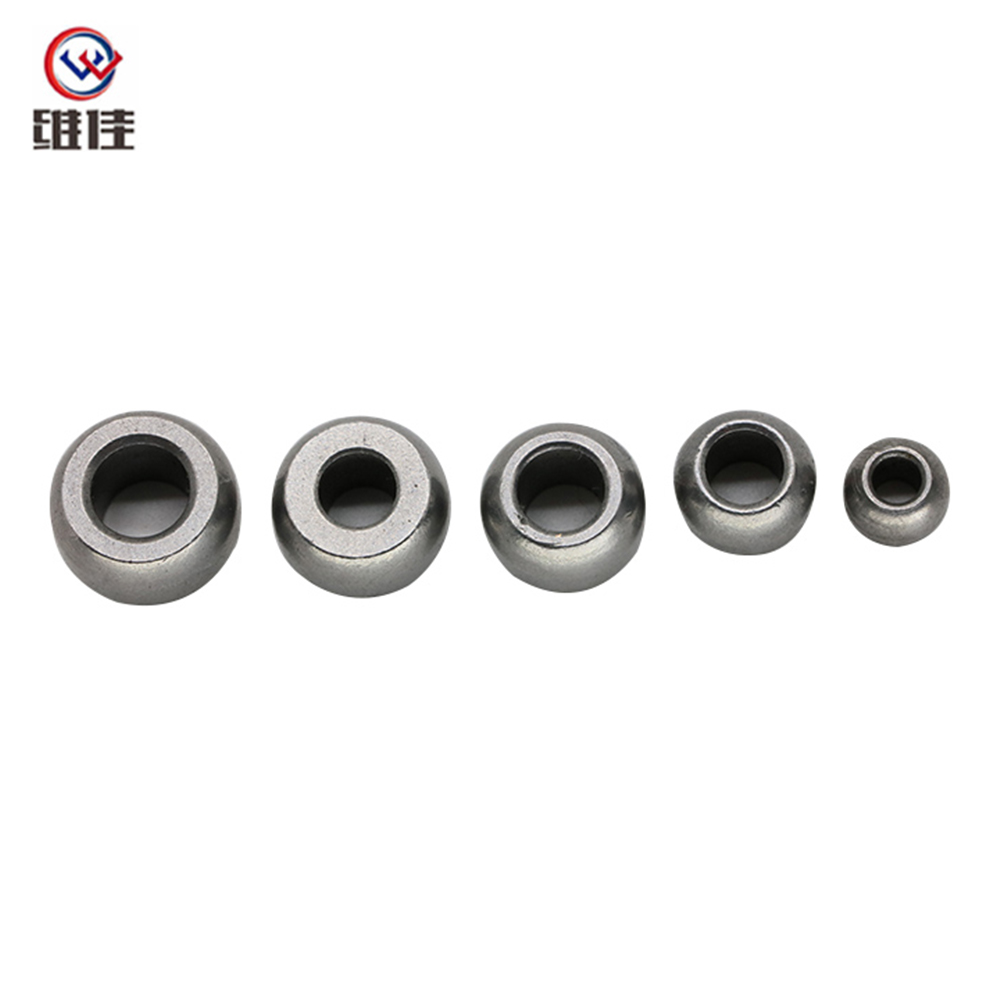
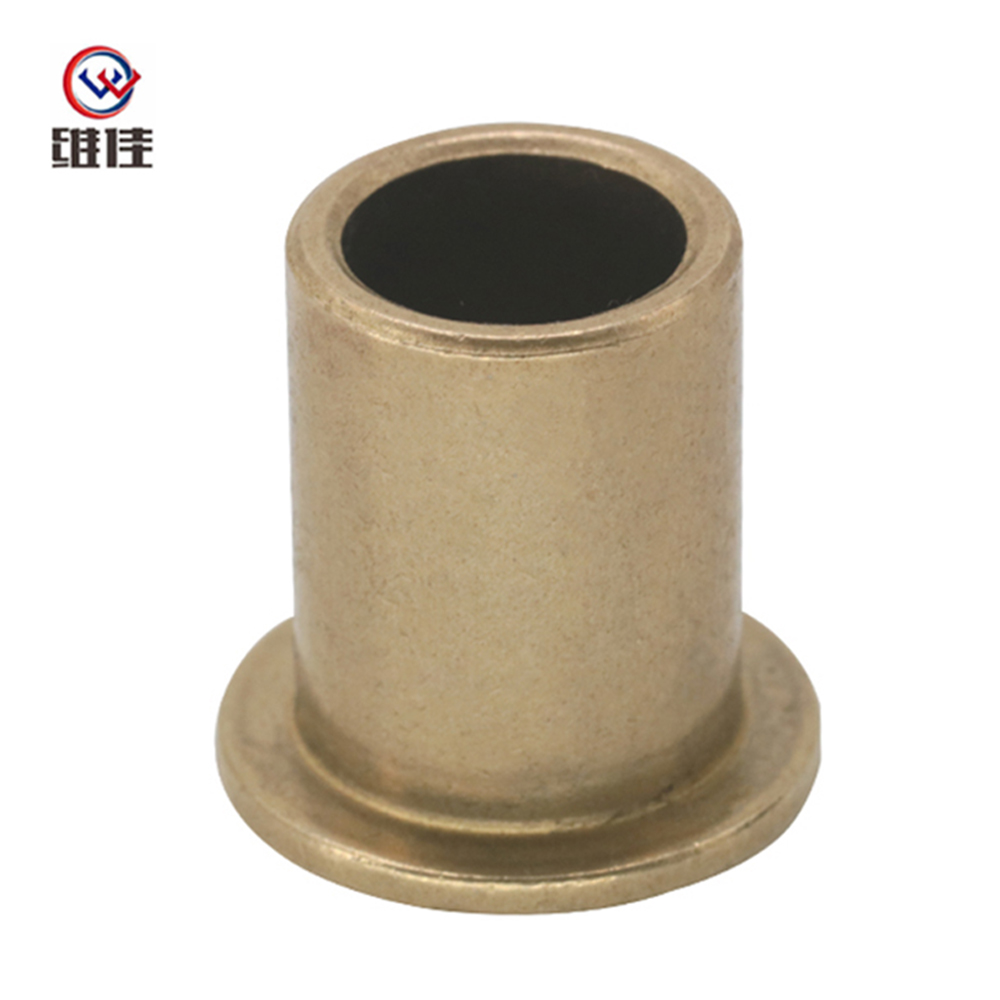
Copper-based sintered materials excel in applications requiring electrical conductivity, corrosion resistance, or self-lubricating properties. Bronze bearings and bushings manufactured through powder metallurgy can incorporate graphite or other solid lubricants directly into the material matrix, eliminating the need for external lubrication in many applications. These materials are widely specified for bearings, electrical contacts, and hydraulic components.
Specialty and Exotic Materials
Beyond common engineering metals, the sintering process accommodates materials including titanium alloys for aerospace and medical implants, nickel-based superalloys for high-temperature applications, tungsten and tungsten carbide for cutting tools and wear surfaces, and magnetic materials for electrical motor and sensor applications. The ability to blend powders also enables creation of metal matrix composites with properties that cannot be achieved through traditional metallurgical processes.
Design Guidelines for Optimal Results
Achieving the full potential of custom sintered metal parts requires adherence to specific design principles that account for the unique characteristics of the powder metallurgy process.
Geometric Considerations
- Wall thickness should remain consistent throughout the part
- Minimum wall thickness of approximately 1.5 millimeters recommended
- Undercuts require special tooling and increase cost
- Sharp corners should be avoided; radii of at least 0.5 millimeters preferred
Functional Features
- Holes can be formed directly during compaction
- Chamfers and bevels should replace sharp edges
- Threads typically require secondary operations
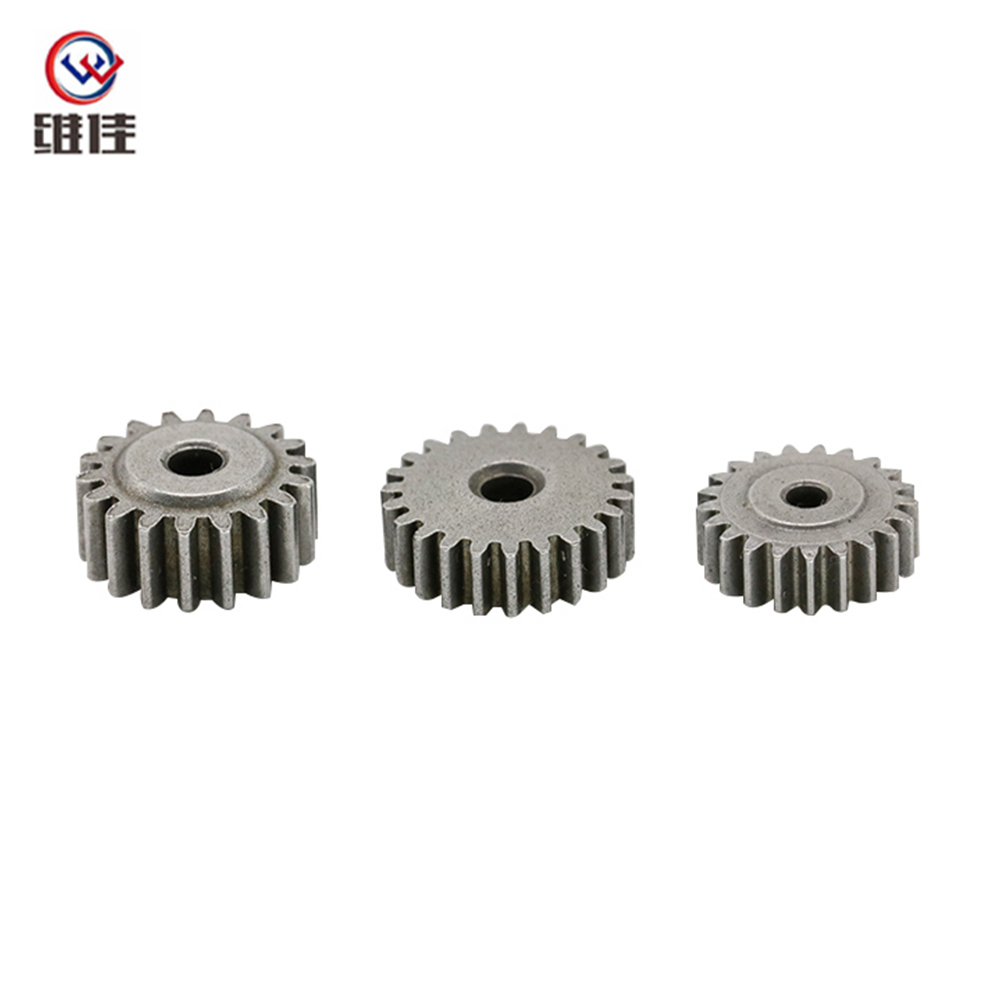
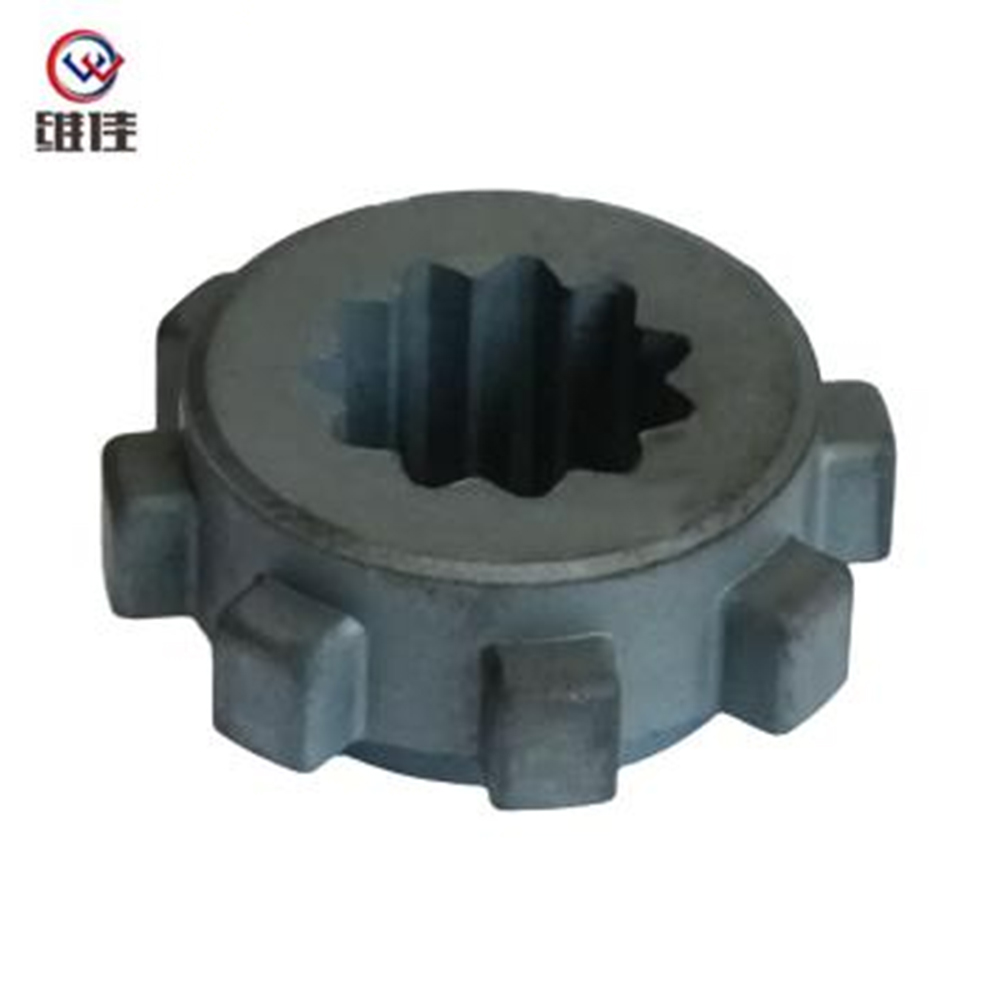
- Gear teeth and spline profiles can be formed directly
Design for manufacturability in powder metallurgy means recognizing that the process excels at producing parts with features oriented perpendicular to the pressing direction. Complex multi-level parts are achievable but require more sophisticated tooling. Early collaboration between design engineers and manufacturing specialists ensures that parts are optimized for the sintering process while meeting all functional requirements.
Comparing Sintering with Alternative Manufacturing Methods
Understanding when to specify custom sintered metal parts requires comparing powder metallurgy against competing manufacturing technologies across key performance metrics.
| Criteria | Sintering | Casting | Machining |
|---|---|---|---|
| Material Utilization | 95 percent or higher | 70 to 85 percent | 40 to 60 percent |
| Dimensional Tolerance | Plus or minus 0.025mm | Plus or minus 0.1mm | Plus or minus 0.005mm |
| Production Volume Suitability | High volume optimal | Medium to high | Low to medium |
| Tooling Investment | Moderate to high | Moderate | Low |
| Geometry Complexity | Moderate with limitations | High complexity possible | Any geometry |
The comparative analysis reveals that custom sintered metal parts excel when production volumes justify tooling investments and when material efficiency is a priority. Machining remains preferred for prototype quantities or when ultimate precision is required. Casting serves applications requiring complex three-dimensional geometries that exceed the capabilities of compaction tooling.
Industrial Applications and Use Cases
The versatility of custom sintered metal parts has driven their adoption across virtually every sector of modern industry. Understanding specific applications helps illustrate the breadth of possibilities this manufacturing technology enables.
Automotive Sector Applications
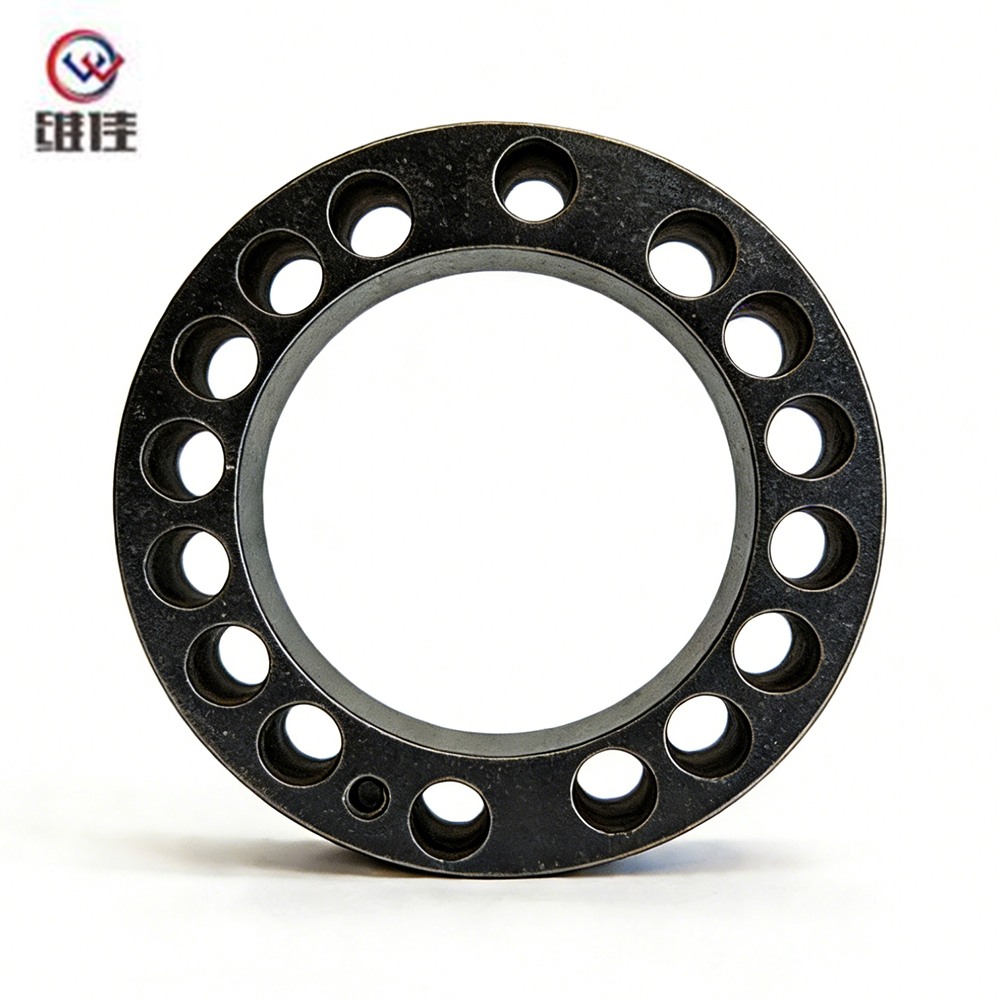
The automotive industry represents the largest consumer of sintered metal components, with typical vehicles containing several hundred powder metallurgy parts. Common applications include engine components such as connecting rod caps, valve seats, and timing sprockets; transmission parts including synchronizer hubs and gear sets; and chassis components like shock absorber pistons and ABS sensor rings. The automotive sector values sintering for its combination of cost efficiency, consistent quality, and ability to meet stringent reliability requirements.
Medical Device Manufacturing
Medical applications demand exceptional precision, biocompatibility, and traceability—requirements that powder metallurgy can satisfy when properly implemented. Surgical instrument components, implant structures, and diagnostic equipment parts all benefit from the material efficiency and design flexibility of sintering. Titanium sintered components have gained particular prominence in orthopedic applications where the controlled porosity achievable through powder metallurgy promotes bone integration and reduces implant weight without sacrificing structural integrity.
Industrial Equipment and Machinery
Industrial machinery relies heavily on sintered components for bearings, bushings, gears, and structural elements. The self-lubricating properties achievable through impregnated bronze bearings eliminate maintenance requirements in many applications, reducing total cost of ownership. Hydraulic and pneumatic systems incorporate sintered check valves, manifolds, and filter elements that leverage the controllable porosity unique to powder metallurgy.
Quality Assurance and Testing Protocols
Ensuring consistent quality in custom sintered metal parts requires comprehensive testing throughout the manufacturing process. Modern quality management systems integrate statistical process control with advanced inspection technologies.
Dimensional Verification
Coordinate measuring machines and optical inspection systems verify that parts meet specified tolerances. Statistical sampling protocols ensure representative measurement across production lots. Critical dimensions typically receive 100 percent inspection while secondary features undergo sampling verification.
Mechanical Testing
Hardness testing, tensile testing, and impact analysis verify that sintered parts achieve required mechanical properties. Density measurements correlate with mechanical performance and identify potential process variations requiring correction.
Metallurgical Analysis
Microstructural examination confirms proper sintering and identifies any defects or inclusions. Chemical analysis verifies material composition meets specifications. Porosity measurements ensure the part will perform as designed in service.
Cost Structure and Economic Considerations
The economics of custom sintered metal parts present a nuanced picture that depends heavily on production volumes, part complexity, and quality requirements. Understanding cost drivers enables informed decision-making when evaluating powder metallurgy against alternatives.
Tooling Investment Analysis
Production tooling for sintering operations represents the most significant upfront cost, with sophisticated multi-level dies potentially requiring substantial investment. However, this tooling typically delivers an operational life measured in hundreds of thousands or millions of parts, making the per-part tooling cost negligible at production volumes exceeding approximately ten thousand units annually. Organizations must evaluate their expected production volumes and program duration when assessing tooling amortization.
Per-Unit Cost Trajectory
Unlike machining operations where per-unit costs remain relatively constant regardless of volume, custom sintered metal parts demonstrate significant cost reduction as production volumes increase. The combination of high-speed compaction, minimal material waste, and automated sintering operations yields per-unit costs that can be 50 to 70 percent lower than machined equivalents at volumes exceeding fifty thousand parts annually. This cost advantage accelerates at higher volumes as setup and changeover costs become insignificant portions of total production cost.
Total Cost of Ownership
Beyond piece price, total cost considerations include inventory carrying costs, quality costs, and assembly requirements. Sintered parts often enable design consolidation that reduces assembly operations and associated quality risks. The consistency achievable through powder metallurgy reduces inspection requirements and warranty costs compared with less controlled processes.
Future Trends in Sintering Technology
The powder metallurgy industry continues advancing through innovations in materials, processes, and digital integration. These developments expand the capabilities and applications of custom sintered metal parts.
- Hot Isostatic Pressing Integration: Achieving near-full density parts with mechanical properties approaching wrought materials
- Metal Injection Molding Convergence: Combining injection molding flexibility with sintering economics for smaller, complex parts
- Additive Manufacturing Hybridization: Using metal binder jetting for prototypes and low volumes with conventional sintering for production
- Advanced Process Monitoring: Real-time quality assurance through integrated sensors and machine learning algorithms
- Sustainable Manufacturing Focus: Reduced energy consumption and increased use of recycled metal powders
These advances position powder metallurgy to capture increasing shares of precision metal component manufacturing as industries demand higher performance at lower cost with reduced environmental impact.
Partnering for Success with Custom Sintered Metal Parts
Organizations considering custom sintered metal parts for their applications benefit from establishing collaborative relationships with experienced powder metallurgy specialists. Early involvement of manufacturing experts in the design process ensures that parts are optimized for the process, minimizing cost and maximizing quality. Key considerations when evaluating potential partners include their engineering capabilities, quality management systems, material expertise, and production flexibility. The ideal partner demonstrates willingness to invest in understanding application requirements and provides technical support throughout the product lifecycle.
The strategic value of custom sintered metal parts extends beyond simple cost reduction. By leveraging the unique capabilities of powder metallurgy, organizations can achieve design optimizations impossible through other methods, reduce assembly complexity, improve component reliability, and accelerate time-to-market. For any application requiring precision metal components at medium to high volumes, powder metallurgy deserves serious consideration as a manufacturing strategy.