How Do Load Capacity, Wear Resistance, and Self-Lubrication Affect the Performance of High Load Sintered Bushings?
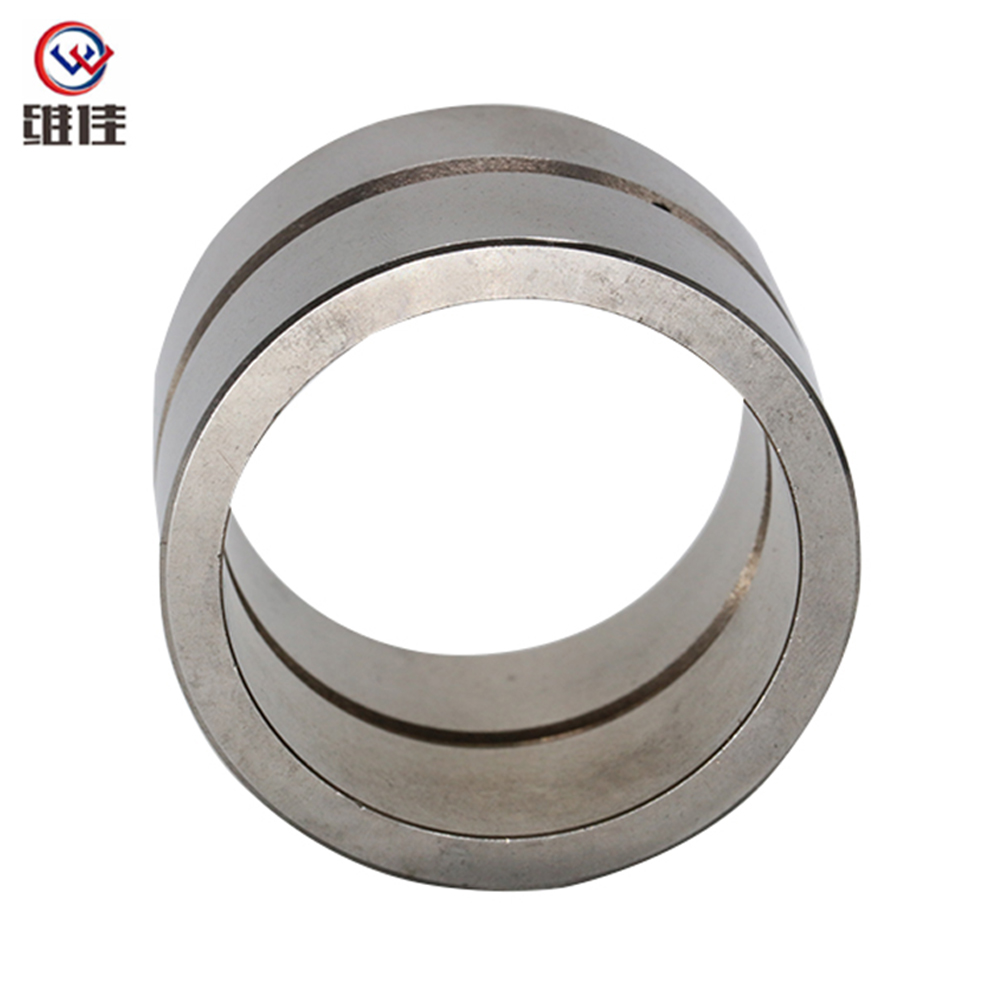
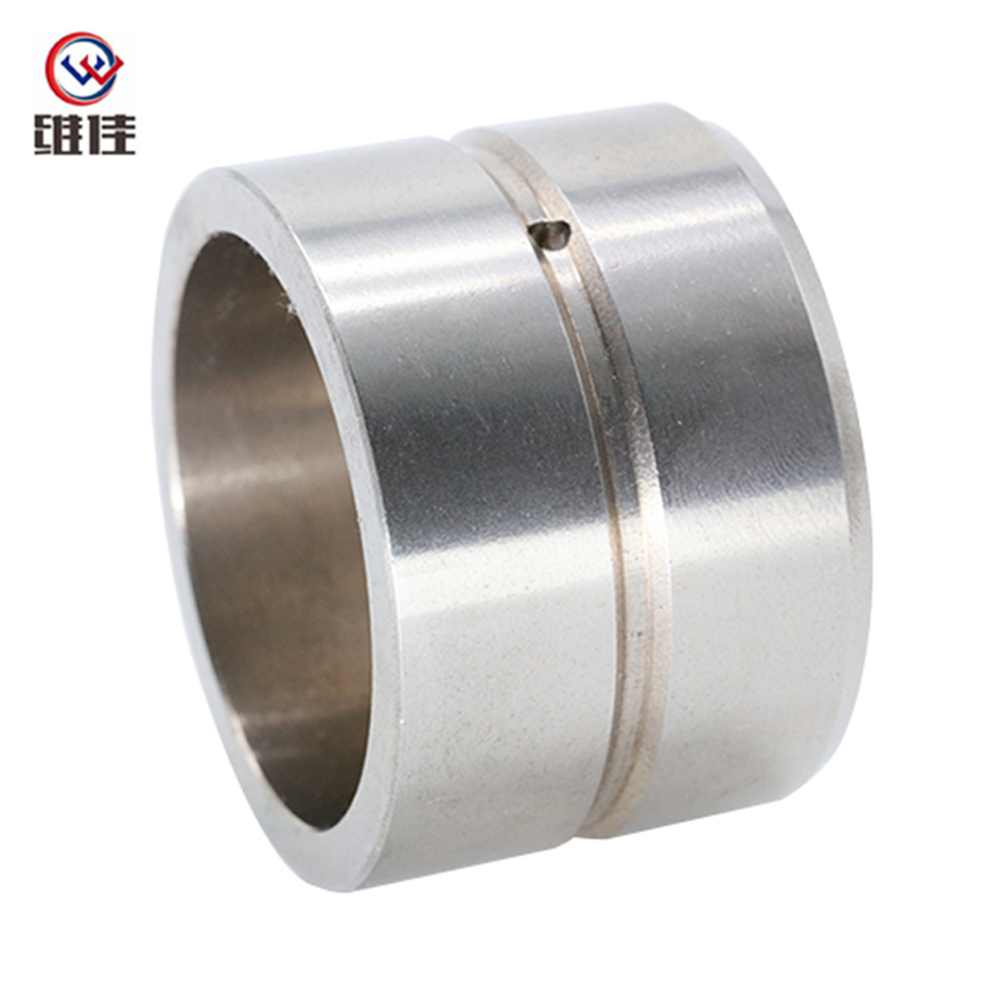
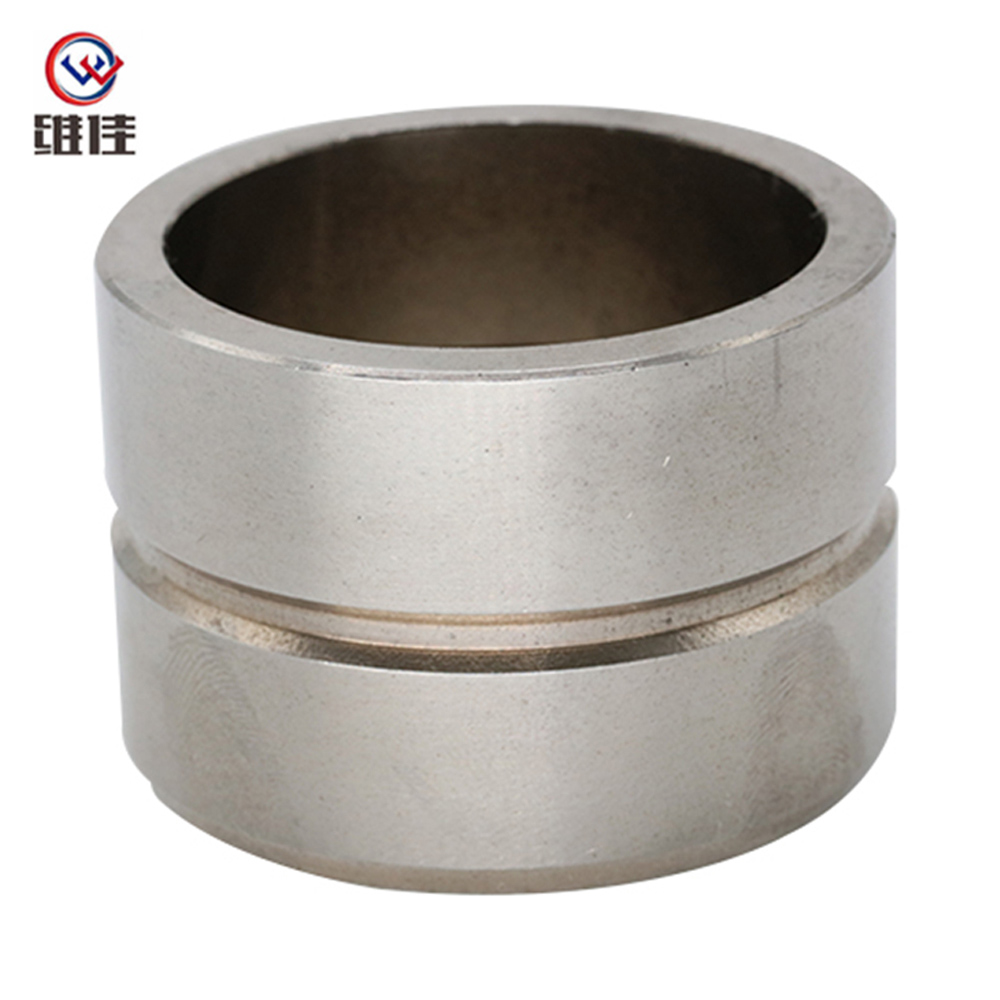
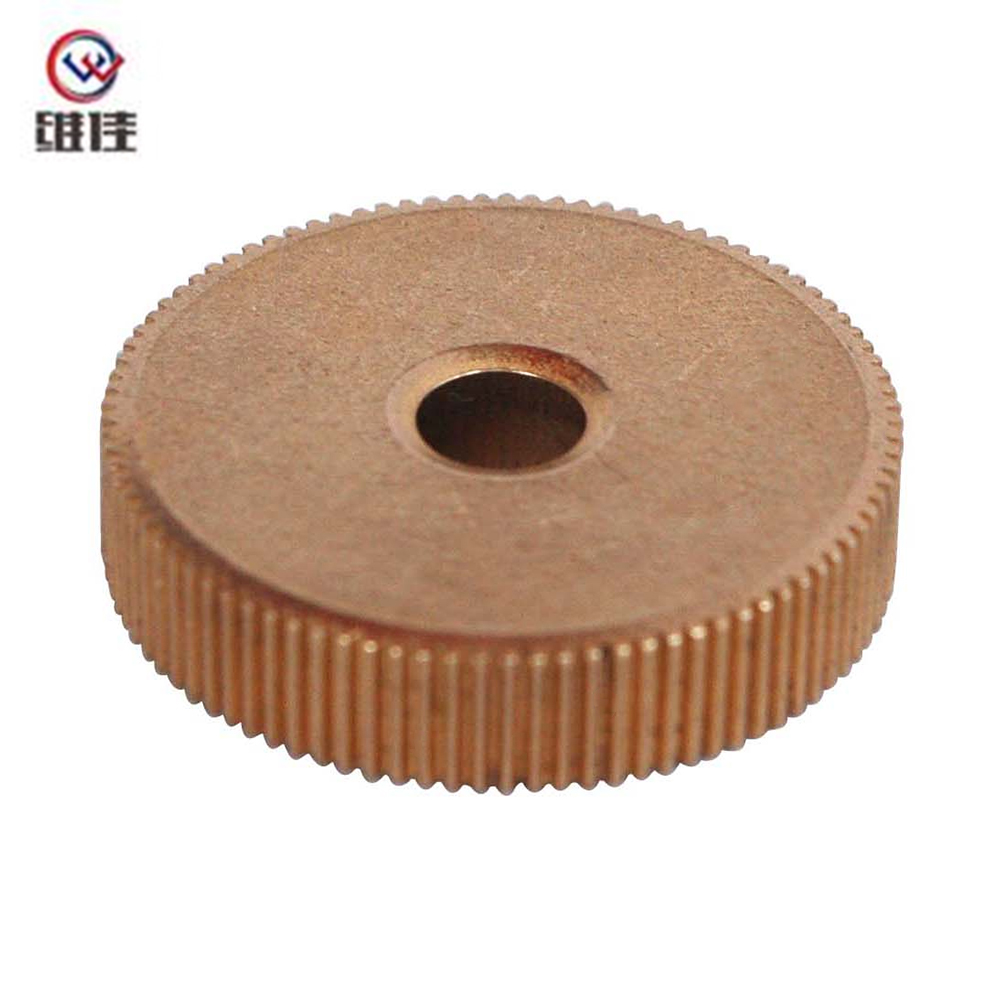
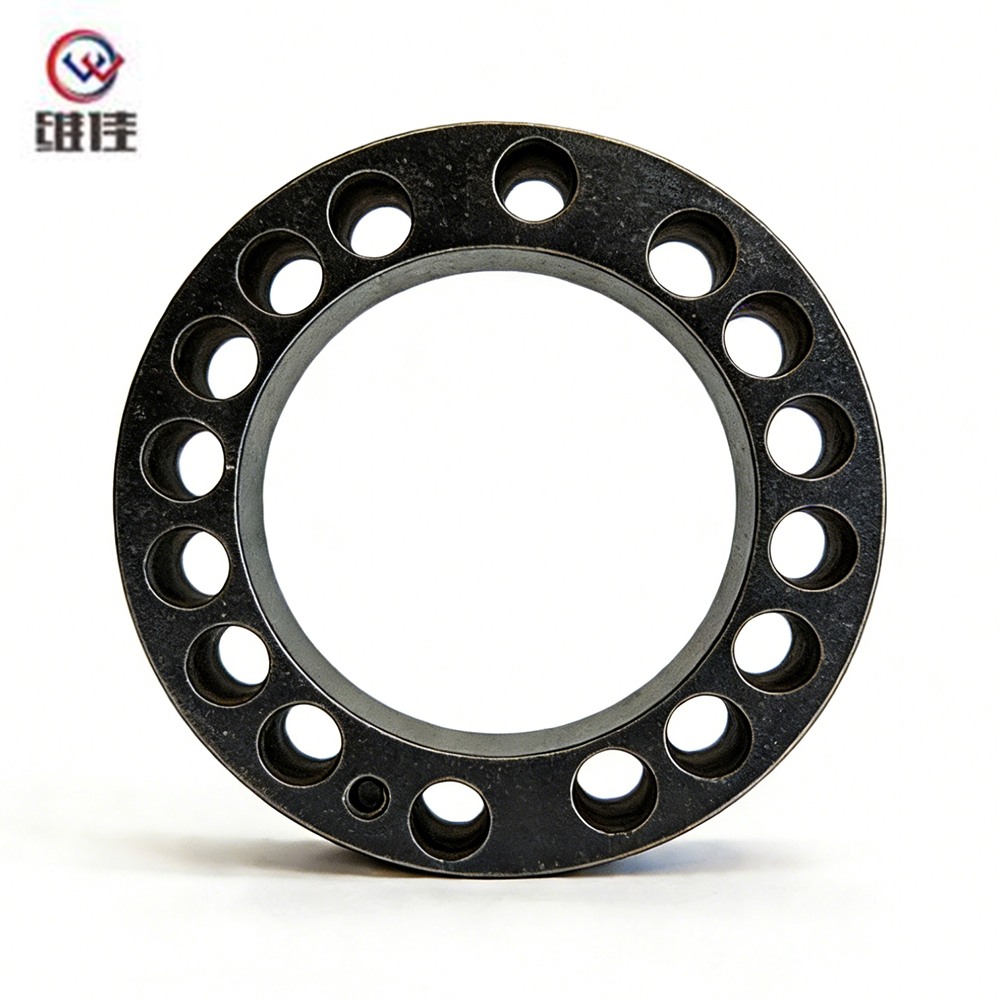
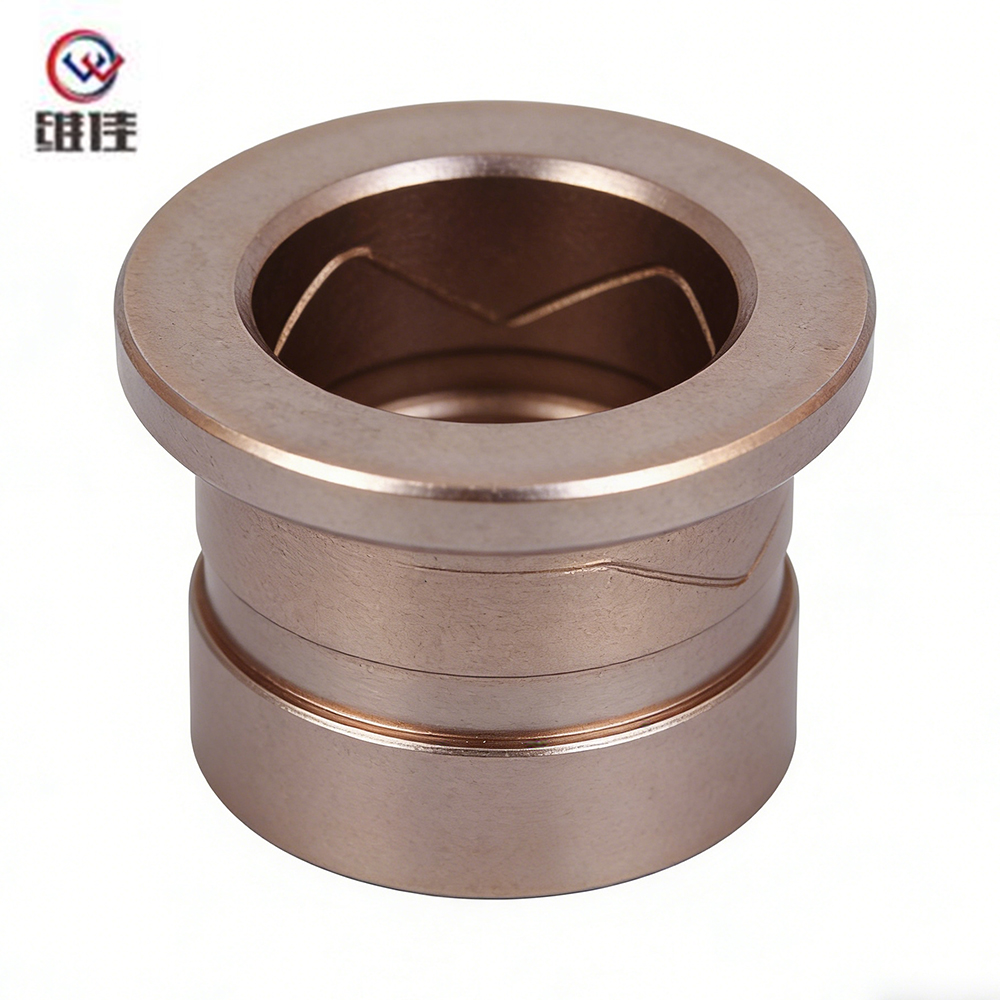
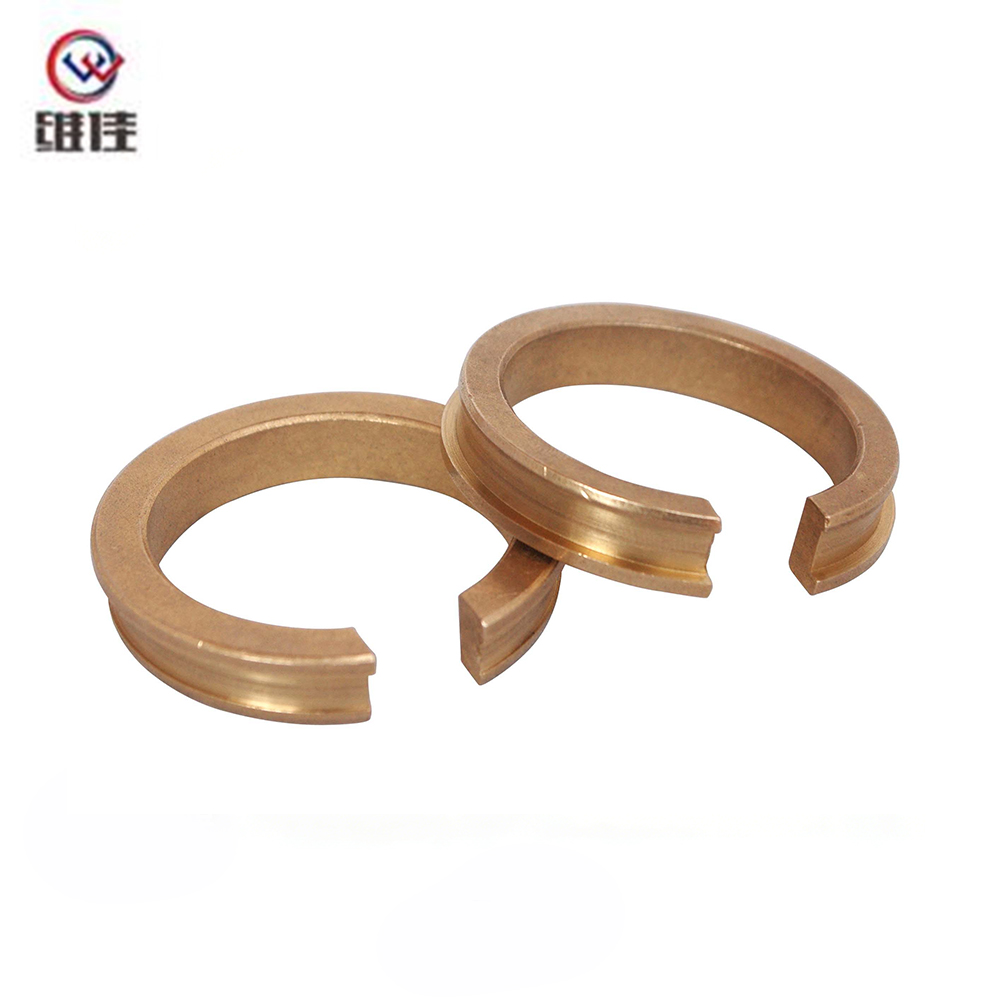
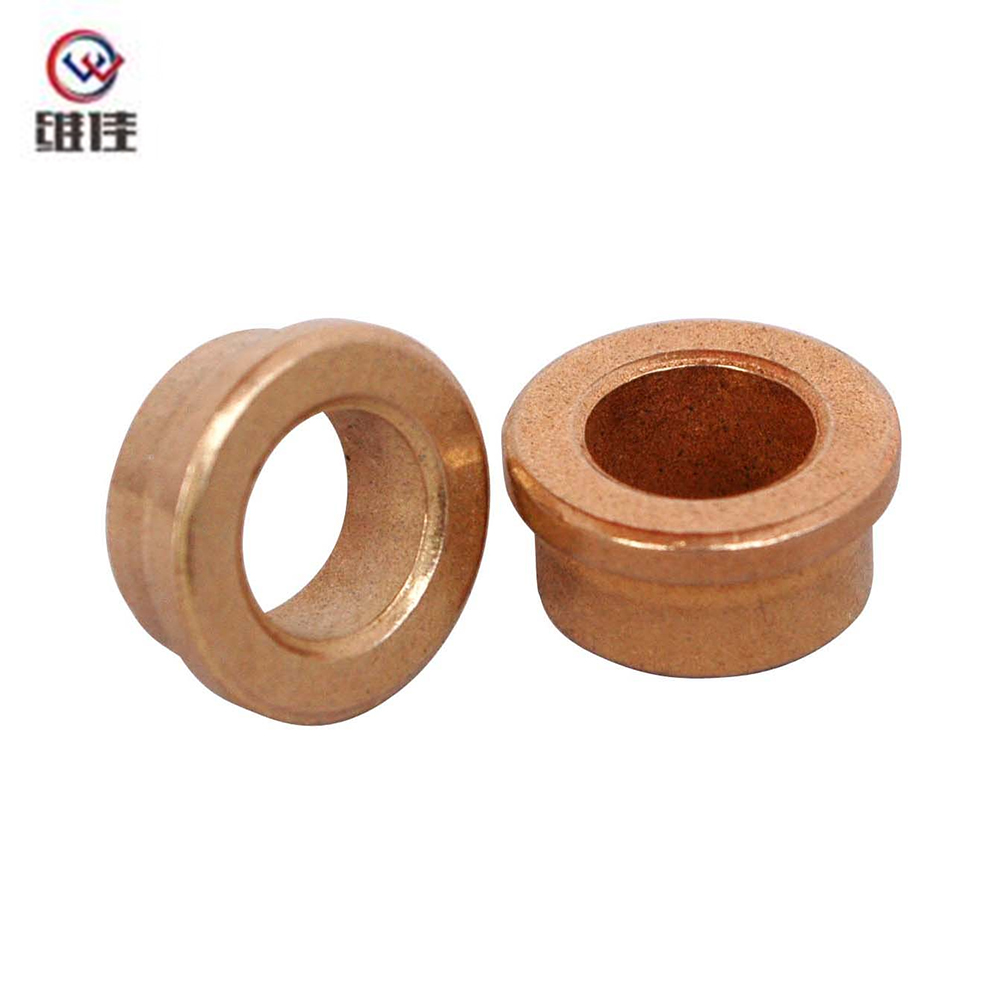
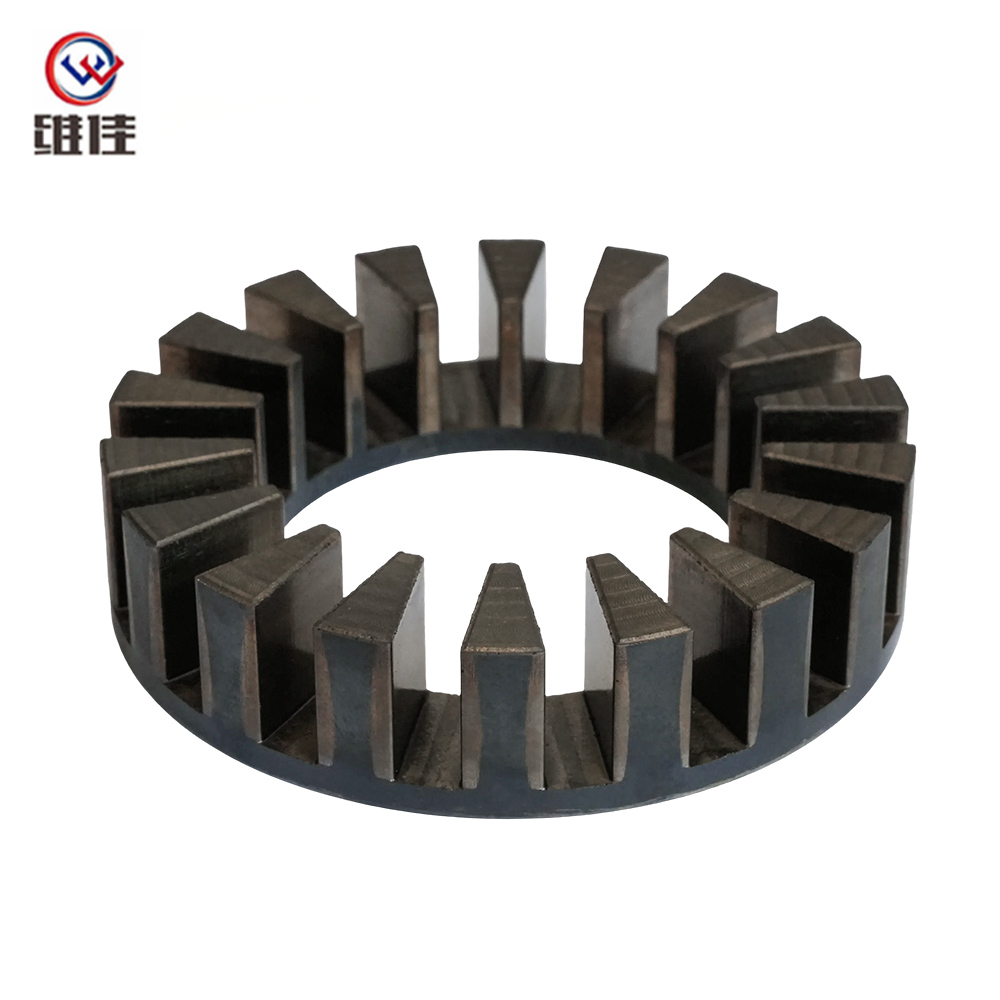
In heavy-duty industrial systems, bearing performance directly determines equipment stability, efficiency, and service life. The High Performance Sintered Bushing for High Load is widely used in demanding applications such as construction machinery, power transmission systems, agricultural equipment, and industrial automation.
Its performance is primarily defined by three critical factors: load capacity, wear resistance, and self-lubrication. These three parameters work together to determine how well the bushing performs under continuous stress, friction, and high-speed operation.
Why Are Load Capacity, Wear Resistance, and Self-Lubrication So Important?
High load sintered bushings operate under extreme mechanical stress. If any one of these factors is weak, the system may experience premature failure, excessive friction, or dimensional instability.
- Load Capacity determines how much force the bushing can withstand without deformation.
- Wear Resistance determines how long the surface can maintain structural integrity under friction.
- Self-Lubrication determines how effectively friction is reduced during continuous operation.
Together, these three factors define the overall durability and efficiency of the bearing system.
How Does Load Capacity Affect Sintered Bushing Performance?
Load capacity is influenced by material density, sintering quality, and structural design. In powder metallurgy bushings, higher density generally leads to higher strength but lower porosity.
A balance must be achieved between strength and lubrication capability.
Key influencing factors:
- Material density (typically 6.2–7.2 g/cm³ for iron-based bushings)
- Compaction pressure consistency
- Sintering temperature stability
- Structural geometry optimization
Higher load capacity ensures:
- Stable operation under heavy loads
- Reduced deformation risk
- Improved alignment stability
- Longer service life in high-stress environments
How Does Wear Resistance Improve Operational Stability?
Wear resistance determines how effectively the bushing can maintain its shape and surface integrity over long operating cycles.
In high load conditions, friction increases surface degradation. High-performance sintered bushings are designed to minimize this effect.
Main factors affecting wear resistance:
- Material hardness (HRB 50–90 depending on composition)
- Surface finish quality (Ra 0.8–3.2 μm typical range)
- Sintering uniformity
- Lubrication film stability
Improved wear resistance results in:
- Lower maintenance frequency
- Reduced frictional damage
- More stable mechanical performance
- Extended operational lifespan
How Does Self-Lubrication Enhance High Load Performance?
Self-lubrication is one of the key advantages of sintered bushings. The porous structure formed during powder metallurgy allows lubricant to be stored and released during operation.
This lubrication system ensures continuous friction reduction without external oil supply.
Typical performance indicators:
- Oil retention rate: 12%–25%
- Friction coefficient: 0.05–0.15
- Operating temperature range: -20°C to 120°C (varies by oil type)
Benefits include:
- Reduced dry friction during start-up
- Lower operating temperature
- Improved load distribution
- Extended maintenance intervals
Performance Comparison Under High Load Conditions
| Parameter |
High Performance Sintered Bushing |
Conventional Machined Bushing |
| Load Capacity |
High (optimized density control) |
Medium to High (material dependent) |
| Wear Resistance |
High (self-lubricating film protection) |
Medium (depends on lubrication maintenance) |
| Lubrication System |
Internal oil storage (self-lubricating) |
External lubrication required |
| Maintenance Frequency |
Low |
High |
| Service Life |
Long under continuous load |
Shorter under poor lubrication |
| Friction Stability |
Stable |
Fluctuates with lubrication condition |
How Does Powder Metallurgy Manufacturing Improve Performance?
The performance of high load sintered bushings depends heavily on manufacturing precision. Powder metallurgy enables precise control of density, porosity, and microstructure.
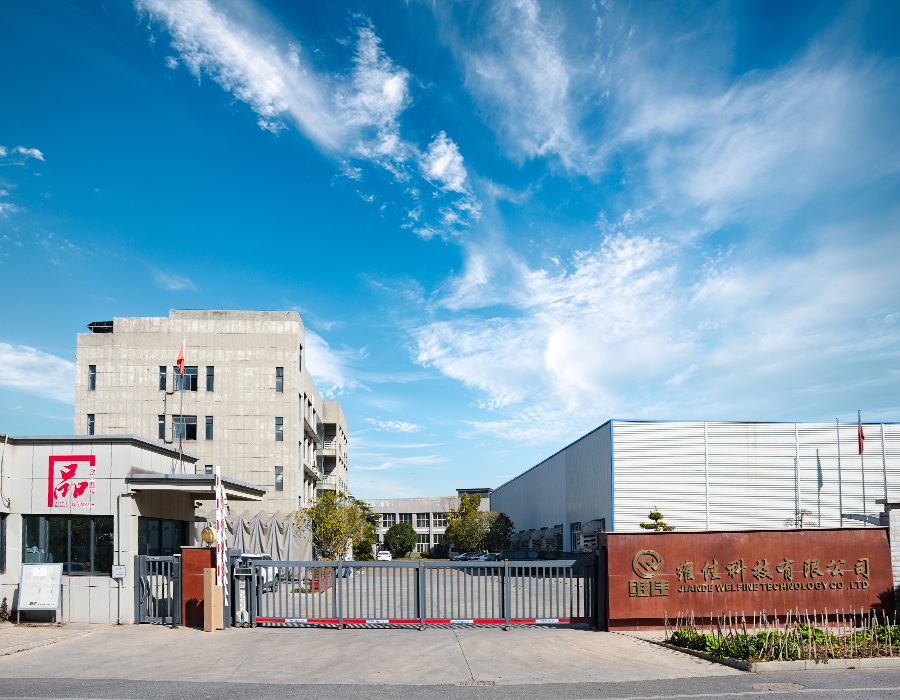
Ningbo Mingyi Powder Metallurgy Co., Ltd. was founded in 2001. It is a high-tech enterprise integrating R&D, production and sales, focusing on powder metallurgy sintering molding and related machining. As a China Custom OEM/ODM Industrial Powder Metallurgy Parts Manufacturer and Supplier, the company provides advanced solutions for high-performance bushing applications.
The company covers an area of 13,039 square meters. Its scientifically planned plant is equipped with advanced production facilities, providing a solid foundation for efficient production and technological innovation.
Through strict process control and advanced powder metallurgy technology, high-load sintered bushings achieve stable performance in terms of load capacity, wear resistance, and self-lubrication efficiency.
Typical Applications
- Construction machinery
- Agricultural equipment
- Industrial gear systems
- Hydraulic systems
- Automotive components
- Power transmission equipment
- Mining machinery
- Material handling systems
FAQ
What Is the Most Important Factor in High Load Sintered Bushing Performance?
Load capacity is the foundation of performance, but optimal results depend on a balance between load capacity, wear resistance, and self-lubrication. Without proper lubrication and wear control, even high-strength materials may fail prematurely under continuous load.
Can Ningbo Mingyi Powder Metallurgy Co., Ltd. Produce Custom High Load Sintered Bushings?
Yes. Ningbo Mingyi Powder Metallurgy Co., Ltd., founded in 2001, is a high-tech enterprise integrating R&D, production and sales, focusing on powder metallurgy sintering molding and related machining. As a China Custom OEM/ODM Industrial Powder Metallurgy Parts Manufacturer and Supplier, the company can provide customized high load sintered bushings based on load requirements, material selection, and working conditions.
Why Do Sintered Bushings Perform Better in Continuous High Load Applications?
Sintered bushings perform better because their porous structure enables self-lubrication while maintaining high structural strength. Supported by advanced production facilities covering 13,039 square meters, Ningbo Mingyi Powder Metallurgy Co., Ltd. manufactures high-performance bushings that maintain stable wear resistance, lubrication efficiency, and load capacity under continuous high-stress operation.
 English
 中文简体
中文简体