E-mail us: [email protected]
Tel: +86-15239857375
 English
 中文简体


 Home / Author / Shen Yiruo — Senior After-Sales Service Manager / High-Performance Sintered Self-Lubricating Bushings for High-Load Applications
High-Performance Sintered Self-Lubricating Bushings for High-Load Applications
 2026.09.26
 Shen Yiruo — Senior After-Sales Service Manager
Content
- 1 What Are High-Performance Sintered Self-Lubricating Bushings?
- 2 Why High-Load Machinery Requires Advanced Bushing Technology
- 3 Core Advantages of Sintered Self-Lubricating Bushings
- 4 Material Structure and Lubrication Mechanism
- 5 How Powder Metallurgy Manufacturing Improves Bushing Performance
- 6 Manufacturing Strengths and Engineering Capabilities
- 7 Performance Factors for High-Load Applications
- 8 Applications Across Industrial Sectors
- 9 Custom OEM and ODM Bushing Development
- 10 Installation and Maintenance Recommendations
- 11 Quality, Consistency, and Supply Reliability
- 12 Environmental and Economic Benefits
- 13 Frequently Asked Questions
- 13.1 What is the main advantage of a sintered self-lubricating bushing?
- 13.2 Are sintered bushings suitable for high-load applications?
- 13.3 What materials are commonly used?
- 13.4 How much oil can a sintered bushing retain?
- 13.5 Can these bushings work without external oil or grease?
- 13.6 What movements can sintered self-lubricating bushings support?
- 13.7 What is the typical operating temperature range?
- 13.8 Can the manufacturer produce custom dimensions?
- 13.9 How does powder metallurgy compare with machining from solid material?
- 13.10 What information should be supplied for a custom bushing quotation?
- 13.11 Can these bushings be used in dusty or corrosive environments?
- 13.12 How does quality certification benefit customers?
- 14 Conclusion
- 15 References
- 16 Product: High Performance Sintered Self-lubricating Bushings
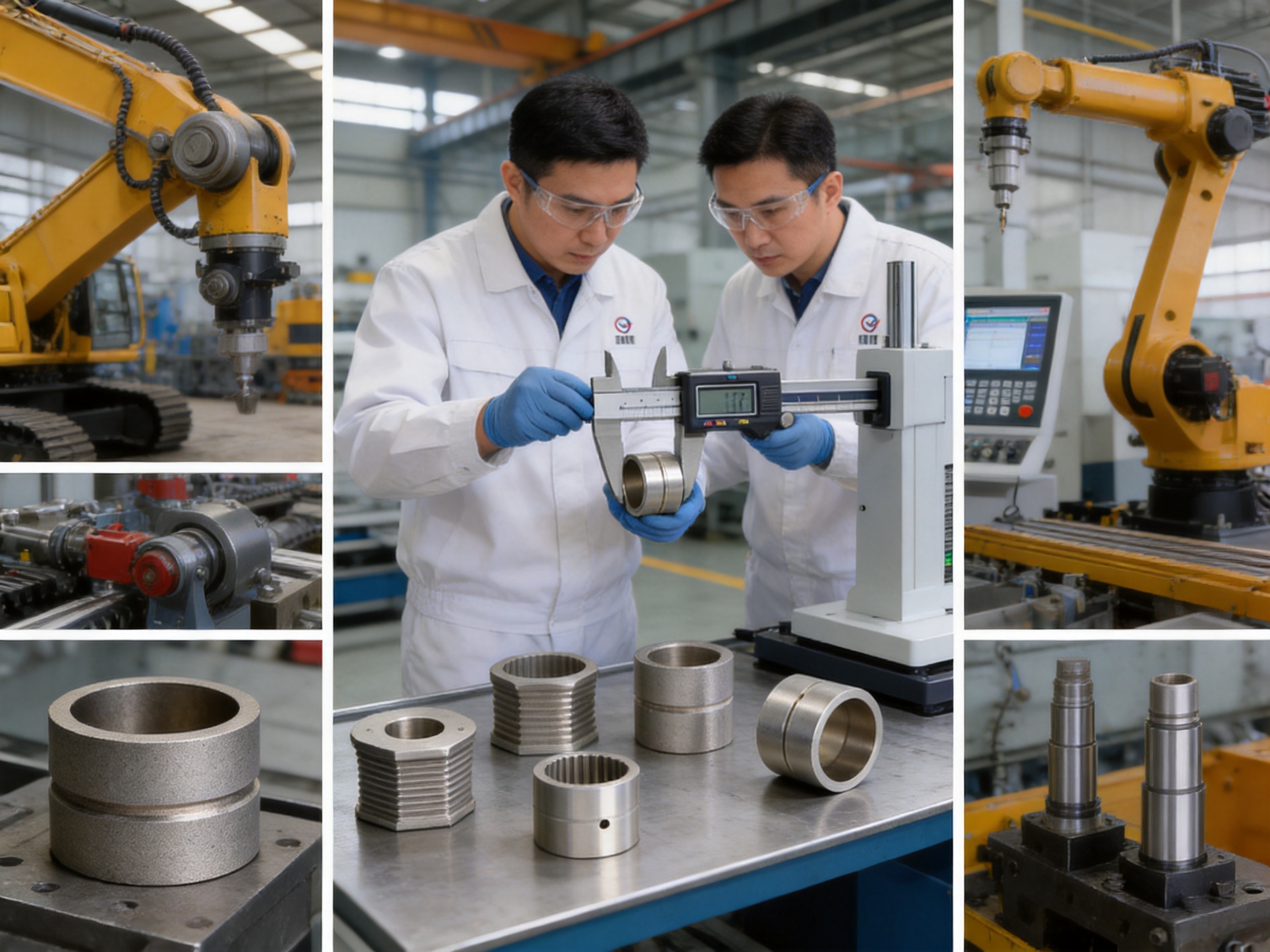
Sintered self-lubricating bushings are essential components in mechanical systems that require reliable motion, stable friction control, and long service life. They support rotating, oscillating, or reciprocating shafts while reducing metal-to-metal contact between moving surfaces. Compared with conventional machined bushings that often depend on regular external lubrication, sintered bushings can retain and release lubricant through their porous structure, helping equipment operate with less maintenance and more consistent performance.
High-performance sintered self-lubricating bushings are designed for demanding operating conditions, including high static loads, dynamic loads, repeated movement, limited maintenance access, dust exposure, temperature variation, and applications where conventional oil supply is difficult. Their combination of powder metallurgy manufacturing, controlled porosity, high-strength alloy composition, and self-lubricating performance makes them suitable for industrial machinery, automotive systems, agricultural equipment, power transmission units, construction machinery, and many other applications.
Jiande Welfine Technology Co., Ltd. specializes in powder metallurgy sintering and related precision machining. Established in 2001, the company integrates research and development, production, and sales. Its product range includes powder metallurgy bushings, oil-impregnated bearings, self-lubricating bushings, friction materials, magnetic materials, and other precision sintered components. With a modern 13,039-square-meter production base, advanced forming and sintering equipment, experienced technical personnel, and certified quality management systems, the company provides customized OEM and ODM solutions based on customer drawings, samples, or technical requirements.
What Are High-Performance Sintered Self-Lubricating Bushings?
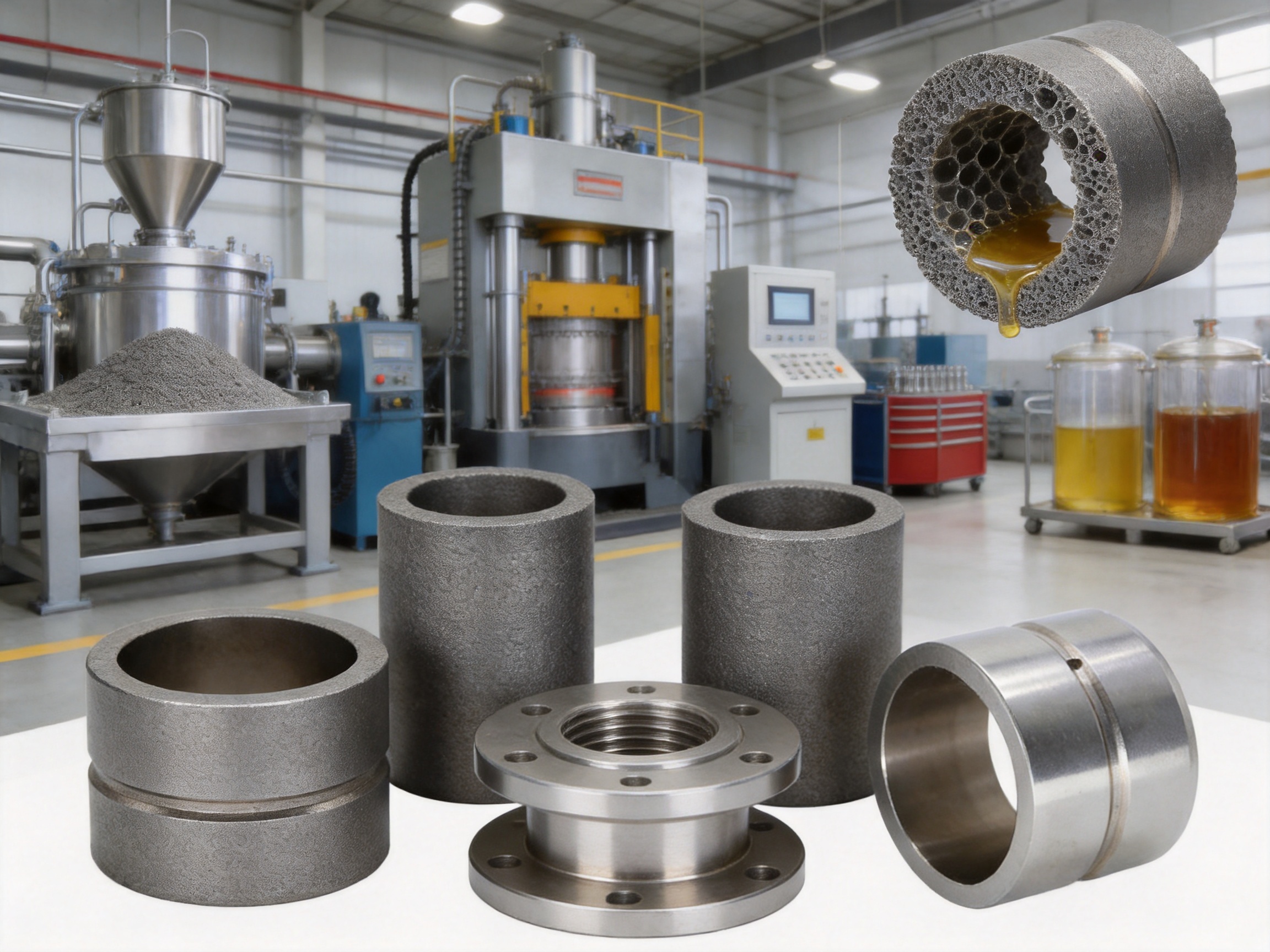
A sintered self-lubricating bushing is a cylindrical or specially shaped bearing component manufactured from compacted metal powders. The powders are formed under controlled pressure and then heated in a sintering furnace below the material’s melting point. This process bonds the particles into a solid structural component while preserving a designed network of microscopic pores.
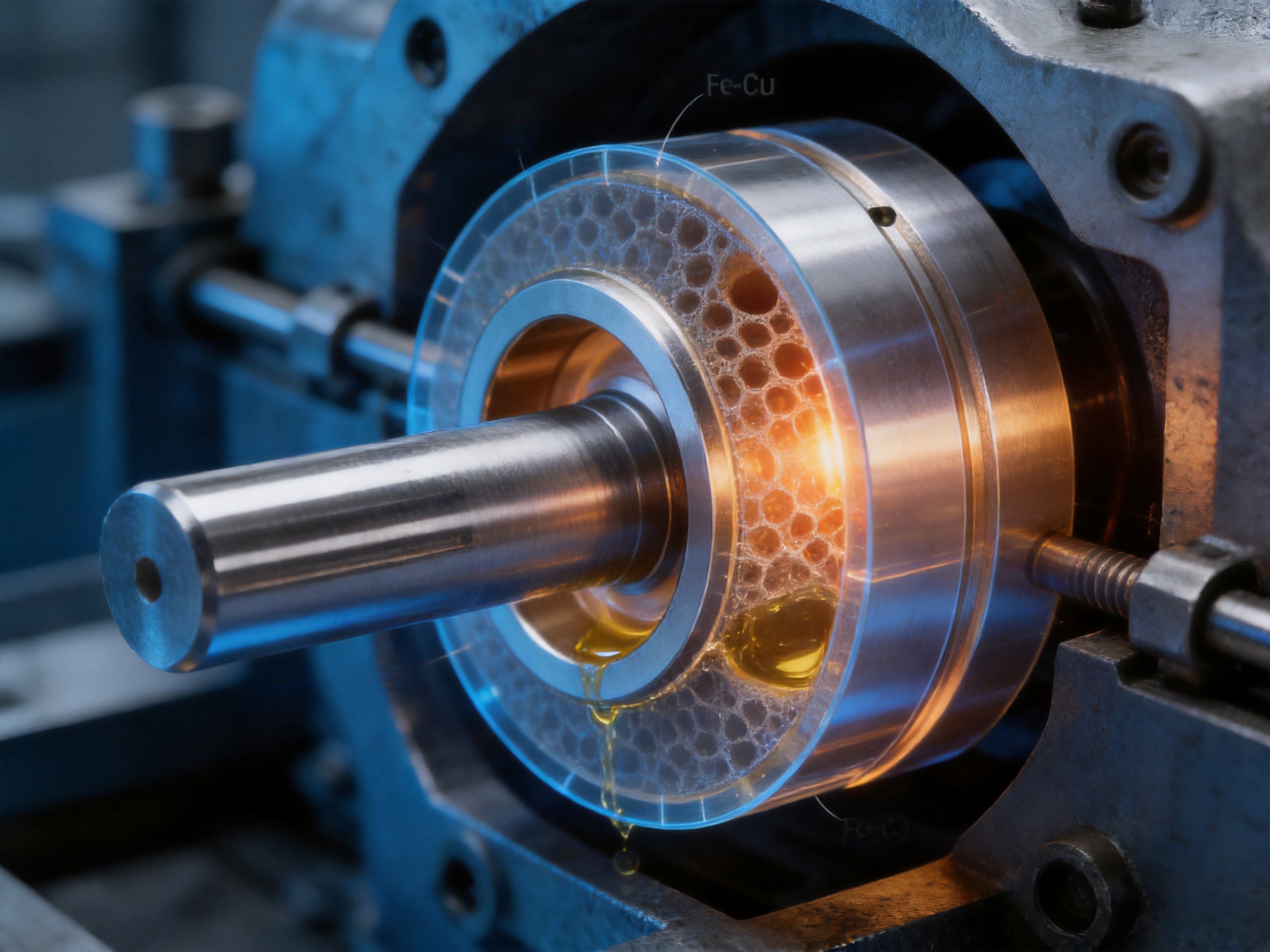
After sintering, the bushing may be sized, calibrated, machined, impregnated with oil, treated with solid lubricants, or finished according to the application. The resulting component combines the mechanical strength of a metal bearing with an internal lubrication system. During operation, lubricant stored in the pores can migrate toward the bearing surface as heat and pressure change. When the shaft stops, some lubricant can return to the porous structure through capillary action.
This operating principle enables the bushing to provide continuous or intermittent lubrication without requiring frequent manual oil application. Depending on the material, oil type, operating speed, load, temperature, and environmental conditions, the bushing may operate for extended periods with minimal maintenance.
High-performance designs may use iron-copper alloys, bronze-based alloys, or other powder metallurgy compositions. For high-load applications, Fe-Cu sintered alloys can provide a useful balance of compressive strength, dimensional stability, wear resistance, and cost efficiency. Dry solid lubricants such as graphite or molybdenum disulfide may also be incorporated into the structure or used in combination with oil impregnation to reduce friction under specific operating conditions.
Why High-Load Machinery Requires Advanced Bushing Technology
Bearings and bushings used in high-load machinery are exposed to forces that can cause deformation, surface fatigue, excessive wear, heat generation, and alignment problems. A bushing that is suitable for light-duty movement may not perform reliably when subjected to continuous pressure, shock loads, rapid cycling, or high-frequency reciprocation.
In these conditions, bushing performance depends on more than nominal material strength. The component must maintain dimensional accuracy, distribute load across the contact area, control friction, resist surface damage, and preserve adequate lubrication. It must also be compatible with the shaft material, housing design, clearance requirements, speed range, and operating environment.
A high-performance sintered self-lubricating bushing addresses these requirements through several coordinated design features:
Controlled density improves compressive strength and resistance to deformation.
Engineered porosity provides a reservoir for lubricating oil or supports the distribution of solid lubricants.
Uniform sintering improves consistency throughout the cross-section of the bushing.
Alloy selection provides the required balance of hardness, toughness, wear resistance, and thermal stability.
Precision sizing and machining help maintain the correct internal diameter, roundness, surface finish, and dimensional fit.
Application-specific geometry allows the bushing to accommodate axial movement, load direction, mounting conditions, and installation limitations.
These characteristics help the bushing maintain stable performance when the equipment operates under demanding mechanical conditions.
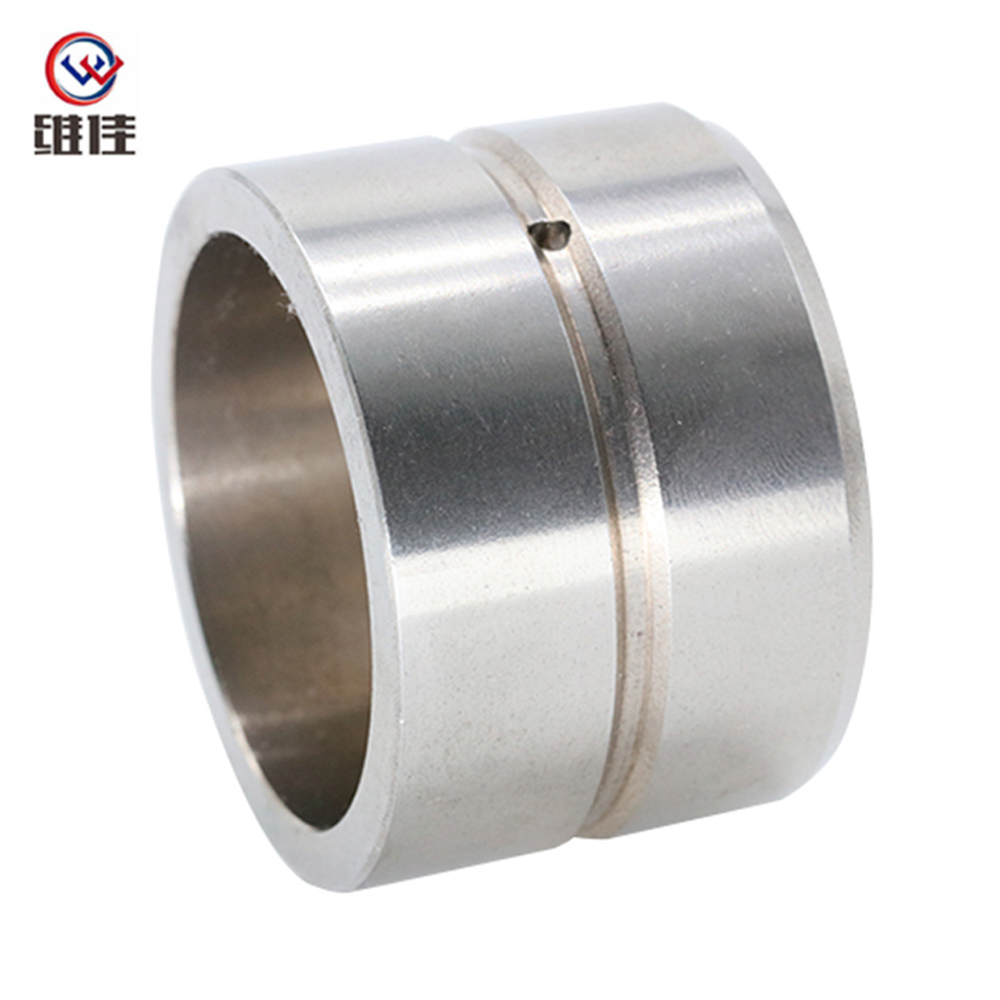
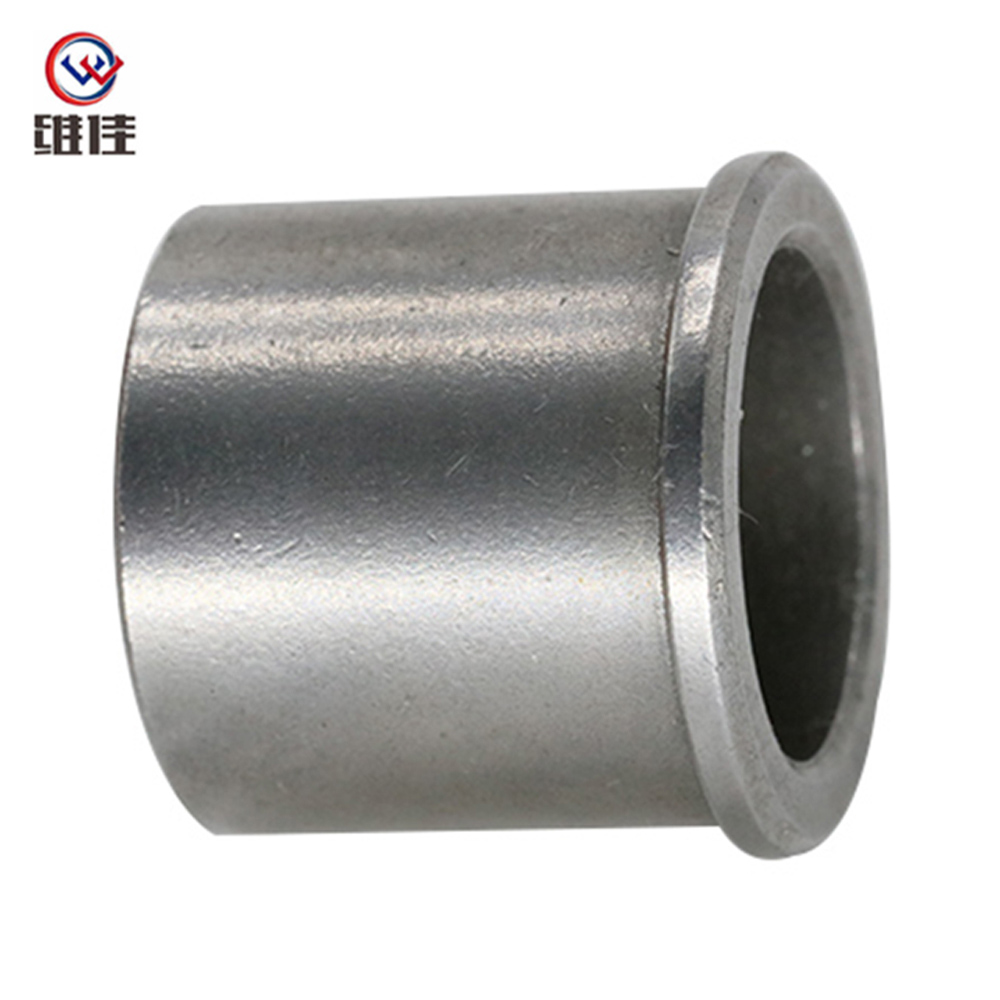
High Performance Sintered Self-lubricating Bushings
Core Advantages of Sintered Self-Lubricating Bushings
Internal Lubrication and Reduced Maintenance
The principal advantage of an oil-impregnated sintered bushing is its ability to store lubricant internally. The porous structure created during powder metallurgy acts as a network of microscopic reservoirs. Once the bushing is impregnated, the oil remains available within the material and can move toward the bearing surface during operation.
This design reduces dependence on external lubrication systems. In many machines, adding grease or oil to every bearing point is inconvenient, expensive, or impossible without stopping production. Some components are installed in enclosed areas, compact assemblies, remote equipment, or dusty environments where regular lubrication may introduce contamination. A self-lubricating bushing can simplify the maintenance program and reduce the risk of lubrication neglect.
Self-lubrication does not mean that operating conditions are unlimited. The correct oil grade, clearance, load, speed, temperature, and shaft surface must still be selected. However, when properly specified, the bushing can provide stable friction control over long operating intervals.
High Compressive Strength
High-load bushings must support substantial radial or axial forces without excessive permanent deformation. Fe-Cu powder metallurgy materials can be engineered to deliver strong compressive performance while retaining sufficient porosity for oil storage. Through the control of powder composition, compaction pressure, sintering temperature, and post-processing, the manufacturer can develop a material structure appropriate for the expected load.
High compressive strength helps prevent the internal diameter from expanding under pressure. Dimensional stability is particularly important in precision mechanisms because excessive deformation can increase clearance, create shaft misalignment, and accelerate wear.
Wear Resistance and Long Service Life
Wear resistance allows the bushing surface to retain its geometry and functional properties over repeated operating cycles. It is influenced by alloy composition, hardness, porosity, surface finish, lubricant stability, shaft compatibility, and the presence of contaminants.
In a self-lubricating bushing, the lubricant film reduces direct contact between the shaft and the bearing surface. This can lower adhesive wear, abrasive wear, and friction-related heat. Solid lubricants such as graphite or molybdenum disulfide may also form a transfer film with a relatively low shear strength. The transfer film helps protect the contact surfaces during starting, stopping, oscillation, or other conditions in which a conventional hydrodynamic oil film may not fully develop.
Stable Friction Performance
Stable friction is important for equipment efficiency, movement accuracy, temperature control, and component life. Fluctuating friction can cause vibration, stick-slip movement, noise, and uneven wear. A porous sintered bushing with a suitable lubricant system can maintain a more consistent contact condition than an inadequately lubricated conventional bushing.
Actual friction values depend on the material pair, surface finish, pressure-velocity condition, lubrication state, temperature, and motion type. For suitable applications, typical friction coefficients may fall within a low range, often approximately 0.05 to 0.15. These values should be treated as application-dependent guidelines rather than universal specifications.
Resistance to Shock and Repeated Movement
Many industrial systems do not operate with simple continuous rotation. They use reciprocating rods, oscillating joints, indexing mechanisms, linkages, hinges, and intermittent drives. These movements can create repeated changes in load direction and localized stress.
Sintered bushings can be designed for rotating, oscillating, or reciprocating movement. Their performance depends on correct clearance and surface conditions, but the combination of metallic support and internal lubrication can help withstand repeated motion. A suitable bushing can reduce the risk of seizure during start-stop cycles and minimize the need for frequent relubrication.
Suitability for Difficult Environments
Self-lubricating bushings are useful in locations where external grease or oil may attract dust, contaminate products, or be difficult to apply. They may be considered for equipment exposed to dust, vibration, limited access, corrosive atmospheres, or elevated temperatures, provided that the selected material and lubricant are suitable for the specific environment.
For radioactive, chemically aggressive, or high-temperature equipment, the bushing design must be evaluated carefully. Standard oil-impregnated materials may not be suitable for every extreme condition. In such cases, the lubricant, alloy, seal arrangement, surface treatment, and temperature rating should be confirmed through engineering review and testing.
Material Structure and Lubrication Mechanism
Fe-Cu Sintered Alloy Construction
Fe-Cu alloys are commonly used when a bushing must combine mechanical strength with practical self-lubricating capability. Iron contributes strength, hardness, and load-bearing capacity. Copper can improve machinability, friction behavior, and structural performance. The final properties depend on the powder formulation, percentage of each constituent, density distribution, sintering profile, and any additional alloying elements.
The material is not simply a mixture of metal particles. During compaction and sintering, the powder particles develop metallurgical bonds. The resulting microstructure determines the relationship between strength and porosity. A high-density structure generally improves strength, but excessive densification can reduce the pore volume available for oil retention. A carefully controlled formulation and process must therefore achieve an appropriate balance.
Engineered Porosity
Porosity is a defining characteristic of oil-impregnated powder metallurgy bushings. The pores must be interconnected sufficiently to absorb and release lubricant, while the remaining metal structure must be strong enough to support the applied load.
Typical oil retention may fall within approximately 12% to 25%, depending on material density, pore structure, oil type, and manufacturing conditions. The correct value is not necessarily the highest possible value. Excessive porosity may reduce strength, while insufficient porosity may limit lubrication capacity. Application requirements determine the appropriate target.
Oil Impregnation
After sintering and sizing, the bushing can be impregnated with a selected lubricating oil. Vacuum impregnation is often used to remove air from the pore network and assist oil penetration. Once the pores are filled, the component can retain the lubricant during storage and operation.
During operation, frictional heat and pressure changes cause the oil to migrate to the bearing surface. When the bushing cools or stops, the oil can be drawn back into the pore structure. This recurring process supports the self-lubricating function, although the actual behavior depends on temperature, shaft speed, load, clearance, and the physical properties of the oil.
Solid Lubricants
Graphite and molybdenum disulfide are examples of solid lubricants used in certain high-performance bushing designs. These materials can provide low-shear interfaces and support lubrication during boundary-contact conditions. They are especially useful when the bushing experiences start-up, intermittent motion, low speed, oscillation, or conditions where liquid lubricant distribution is limited.
The choice between oil impregnation, solid lubrication, or a combined system depends on the operating environment. A manufacturer should consider temperature, vacuum conditions, chemical exposure, radiation, speed, load, and the possibility of lubricant evaporation or contamination.
How Powder Metallurgy Manufacturing Improves Bushing Performance
Powder Selection and Material Preparation
The manufacturing process begins with the selection and preparation of metal powders. Particle size distribution, powder shape, flowability, compressibility, chemical composition, and mixing uniformity all affect the final bushing. Consistent raw materials help ensure stable density, pore distribution, strength, and dimensional behavior.
For a customized product, the material formulation can be adjusted according to the application. A high-load rotating bushing may require a different composition from a low-speed oscillating bushing. Temperature, corrosion exposure, shaft hardness, and lubrication conditions may also influence the selection.
Precision Compaction
During compaction, blended powders are placed into a precision die and compressed into the required shape. The pressing operation determines the green density and influences the final dimensional change during sintering.
Complex shapes can often be produced with integrated features such as steps, flanges, grooves, recesses, oil holes, and other functional geometries. This reduces the amount of material waste and may reduce the need for extensive secondary machining compared with manufacturing the same component entirely from bar stock.
Consistent compaction pressure is essential. Uneven pressure can create density gradients, which may cause dimensional variation, cracking, distortion, or uneven wear after sintering. Modern presses, carefully designed tooling, and process monitoring help improve repeatability from part to part.
Controlled Sintering
The compacted part is heated in a controlled-atmosphere furnace. The sintering temperature is selected below the melting point of the primary material so that the powder particles bond through solid-state diffusion. Furnace atmosphere, heating rate, holding time, cooling rate, and temperature uniformity all affect the final microstructure.
Stable sintering conditions help produce uniform strength and predictable dimensional change. They also influence the size and continuity of the pores. For high-load bushings, the process must provide strong particle bonding without closing the pore network required for lubrication.
Advanced high-temperature sintering furnaces support the repeatable production of components with controlled material properties. Furnace monitoring and process records can help identify deviations and support quality traceability.
Sizing, Calibration, and Precision Machining
After sintering, bushings may undergo sizing or calibration to improve dimensional accuracy. A sizing operation can bring the internal diameter, external diameter, roundness, and concentricity closer to the required values without removing a large amount of material.
Additional machining may be used for close-tolerance features, chamfers, grooves, oil holes, end faces, or special profiles. Precision forming machines and machining equipment allow the manufacturer to produce parts based on customer drawings or approved samples.
Surface finish is also important. A typical internal surface roughness range may be approximately Ra 0.8 to 3.2 micrometers, depending on the material and application. The correct finish must be compatible with the shaft and lubricant. A surface that is too rough may accelerate wear, while a surface that is excessively smooth may not retain or distribute lubricant in the intended manner.
Impregnation and Post-Treatment
Once the bushing has achieved the required dimensions, it can be impregnated with oil or treated with a selected solid lubricant. The impregnation process should be controlled to achieve consistent lubricant uptake throughout the component.
Depending on the design, post-treatments may include cleaning, deburring, surface protection, dimensional inspection, packaging, and marking. Components intended for automated assembly may require special cleanliness or packaging requirements to prevent contamination before installation.
Inspection and Testing
Quality control for sintered bushings may include dimensional inspection, density measurement, hardness testing, surface roughness measurement, visual inspection, oil retention evaluation, and functional testing. The inspection plan should reflect the critical characteristics identified on the customer drawing or technical specification.
For high-load applications, testing may also evaluate wear rate, friction behavior, temperature rise, radial clearance, load capacity, and service life under representative conditions. Laboratory testing cannot reproduce every field condition, but it can help compare materials, validate designs, and identify potential problems before production release.
Manufacturing Strengths and Engineering Capabilities
Jiande Welfine Technology Co., Ltd. has more than two decades of experience in powder metallurgy sintering and related precision machining. Since its establishment in 2001, the company has developed manufacturing capabilities for bushings, self-lubricating bearings, and precision metal components used in different industrial sectors.
The company operates a 13,039-square-meter production base designed to support material preparation, compaction, sintering, machining, inspection, and product delivery. Its equipment includes high-efficiency presses, high-temperature sintering furnaces, and precision forming machines. This integrated manufacturing structure helps reduce coordination delays between separate suppliers and supports more consistent process control.
With more than 150 skilled employees, the company combines production experience with engineering support. Its technical team can review customer drawings, samples, operating conditions, material requirements, and dimensional tolerances before recommending a suitable bushing structure.
OEM and ODM capabilities allow the company to manufacture components according to customer specifications rather than limiting customers to standard catalog sizes. Customization may include internal and external diameters, length, flange geometry, oil grooves, relief features, material composition, density, hardness, surface finish, oil type, packaging, and inspection requirements.
The company has passed ISO 9001:2015 and IATF 16949:2016 certifications. These certifications support systematic quality management, process documentation, corrective action, traceability, and continual improvement. Certification alone does not replace application testing, but it provides an organized framework for consistent manufacturing and customer communication.
The combination of powder metallurgy expertise, modern production equipment, engineering support, and quality systems gives the manufacturer several advantages over suppliers that focus only on basic standard bushings.
First, the company can coordinate material design and component geometry as part of one manufacturing process. Second, it can provide both sintered forming and related machining, reducing the need for multiple external processing partners. Third, its experience with OEM and ODM projects supports the development of application-specific solutions. Fourth, its quality management systems help maintain repeatability for production orders.
| Evaluation Category | High-Performance Sintered Self-Lubricating Bushing | Conventional Machined Bushing |
| Manufacturing Method | Compacted metal powder followed by controlled sintering and finishing | Machined from bar, tube, plate, or cast material |
| Lubrication Capability | Internal oil storage or engineered solid lubrication | Usually requires external oil or grease unless specially treated |
| Material Utilization | Near-net-shape forming can reduce material waste | Machining may generate more material removal and scrap |
| Load Performance | Can be optimized through alloy composition and density control | Depends strongly on the selected wrought or cast material |
| Maintenance Requirement | Low when correctly selected and operated | Often requires regular relubrication |
| Geometry Options | Suitable for standard and customized formed profiles | Flexible for machining but may involve higher processing cost for complex shapes |
| Production Consistency | Supported by controlled tooling, compaction, sintering, and inspection | Depends on material quality and machining process control |
| Typical Applications | Continuous load, oscillating movement, compact assemblies, and limited-access equipment | General-purpose bearing and bushing applications with accessible lubrication |
Performance Factors for High-Load Applications
Load Capacity
Load capacity indicates how much force the bushing can carry without unacceptable deformation, overheating, or accelerated wear. Both static and dynamic loads must be considered. Static load applies when the shaft is stationary or moves slowly. Dynamic load occurs during rotation, oscillation, or reciprocation and is affected by speed, friction, and heat.
Material density is one important factor. Iron-based bushings may have a density range of approximately 6.2 to 7.2 grams per cubic centimeter, depending on the formulation and required porosity. Higher density can improve strength, but it must be balanced against the need for lubricant storage.
Load distribution is equally important. A bushing with poor alignment, insufficient support, or an uneven housing may experience localized pressure much higher than the nominal average. Correct shaft alignment, housing roundness, installation practice, and clearance are therefore essential to achieving the expected load performance.
Pressure-Velocity Conditions
Engineers often evaluate bushing applications using pressure-velocity conditions. Pressure represents the load divided by the projected bearing area, while velocity represents the relative sliding speed. The combination helps estimate heat generation and the severity of the operating condition.
A bushing that performs well at high load and low speed may not be suitable for the same load at high speed. Similarly, a bushing that performs well in continuous rotation may require a different design for high-frequency reciprocation. Application data should include load, speed, duty cycle, movement type, operating temperature, and expected service life.
Clearance and Shaft Compatibility
Correct clearance allows the shaft to move smoothly while maintaining an effective lubrication condition. Excessive clearance can increase vibration, impact loading, and uneven wear. Insufficient clearance can cause binding, overheating, and seizure, especially when the bushing or shaft expands with temperature.
The shaft material and surface finish must be compatible with the bushing. A hard, properly finished shaft generally provides better wear performance than a soft or rough shaft. Sharp edges, burrs, corrosion, and poor alignment can damage the bushing during installation or operation.
Temperature Stability
Temperature affects oil viscosity, dimensional expansion, lubricant migration, material strength, and friction. Standard oil-impregnated bushings may operate within an approximate range of -20°C to 120°C, although the actual range varies according to the oil type, alloy, speed, load, and environmental conditions.
Applications above the normal oil operating range may require a special lubricant, solid lubricant system, high-temperature alloy, or a different bearing technology. Temperature testing is recommended when the bushing will be used near the limit of its material or lubricant rating.
Wear and Friction Monitoring
Wear rate can be affected by contamination, shaft hardness, load concentration, operating speed, lubrication condition, and installation accuracy. Monitoring may include measuring dimensional change, friction torque, temperature rise, noise, vibration, or the condition of the shaft surface.
For new equipment, prototype testing under representative conditions is valuable. It allows the engineering team to confirm that the selected bushing meets the required service interval before full-scale production.
Applications Across Industrial Sectors
Construction Machinery
Construction equipment often operates under shock loads, dust exposure, vibration, and changing weather conditions. Boom joints, bucket linkages, pivot points, hydraulic mechanisms, and compact drive assemblies may benefit from self-lubricating bushings when regular maintenance is difficult.
For these applications, the bushing must be selected for high load, oscillating motion, contamination risk, and possible misalignment. Protective seals and suitable installation practices may be necessary to prevent abrasive particles from entering the contact area.
Agricultural Equipment
Agricultural machinery operates in environments containing soil, moisture, plant residue, and fertilizer dust. Equipment may also remain unused for extended periods and then operate continuously during a seasonal work cycle.
Self-lubricating bushings can reduce the number of lubrication points and help simplify maintenance. They may be used in linkages, planting mechanisms, harvesting equipment, adjustment systems, and transmission-related assemblies.
Automotive Components
Automotive systems require consistent dimensions, repeatable friction performance, vibration resistance, and high-volume manufacturing capability. Powder metallurgy bushings can be used in selected transmission components, engine-related mechanisms, actuators, hinges, pumps, and other moving assemblies.
Automotive applications require careful validation because temperature, vibration, contaminants, and duty cycles can vary considerably. IATF 16949:2016 quality management certification supports the structured production controls expected by automotive customers.
Industrial Automation
Automation systems often use repeated reciprocating or oscillating movements. Pick-and-place mechanisms, linear guides, grippers, indexing devices, and robotic linkages may have compact bearing locations with limited access for maintenance.
A self-lubricating bushing can help reduce downtime and maintain movement consistency. The design must account for acceleration, deceleration, cycle frequency, load direction, and the possibility of start-stop operation.
Power Transmission Equipment
Gear systems, levers, couplings, tensioning mechanisms, and drive assemblies may use bushings to support shafts or guide moving parts. Stable friction and wear resistance help preserve alignment and reduce energy losses caused by unnecessary friction.
Where a bushing is located near gears or other lubricated components, lubricant compatibility should be checked. The bushing’s internal oil should not create an adverse reaction with surrounding lubricants or materials.
Hydraulic and Material Handling Systems
Hydraulic equipment and material handling machinery frequently operate under high loads and repeated movement. Bushings may be installed in cylinder mounts, pivot joints, rollers, conveyors, lifting mechanisms, and guide systems.
These components must often resist vibration and shock while maintaining reliable movement over extended cycles. Customized dimensions and special grooves can help integrate the bushing into compact mechanical assemblies.
Mining and Heavy Industrial Equipment
Mining and heavy industrial machinery may be exposed to abrasive dust, high loads, vibration, and limited service access. Sintered bushings can be considered for suitable locations where the selected material, clearance, protection, and lubrication system meet the operating requirements.
Severe contamination remains a significant design concern. A self-lubricating bushing is not a substitute for proper sealing or contamination control. The complete bearing arrangement should be evaluated as a system.
Custom OEM and ODM Bushing Development
Custom bushing development begins with a clear understanding of the operating conditions. Customers should provide the shaft diameter, housing diameter, bushing length, load, speed, motion type, operating temperature, duty cycle, environment, expected service life, and lubrication requirements whenever possible.
Drawings should identify critical dimensions and tolerances. If a drawing is unavailable, a physical sample can provide useful information for reverse engineering and improvement. Photographs, assembly drawings, maintenance records, and failure samples can also help the engineering team understand the application.
The manufacturing team may review whether the existing design is suitable for powder metallurgy. Some shapes are ideal for direct compaction, while others may require secondary machining or design modifications. Small changes to flange geometry, wall thickness, oil grooves, reliefs, or pressing direction can improve manufacturability and reduce production cost.
Material selection should consider more than nominal load. The application may require high hardness, improved shock resistance, low friction, high temperature stability, corrosion resistance, or compatibility with a specific shaft material. The correct choice may be an oil-impregnated Fe-Cu alloy, a bronze-based material, or a composition incorporating solid lubricants.
Prototype samples can be produced for dimensional verification and functional testing. After the design is confirmed, production tooling and process parameters can be established. Inspection criteria, packaging requirements, labeling, and traceability can be agreed upon before mass production.
This structured process helps reduce the risk of premature failure and ensures that the final bushing matches the actual equipment requirement rather than only the nominal dimensions.
Installation and Maintenance Recommendations
Before installation, inspect the bushing, shaft, and housing for burrs, corrosion, dirt, impact marks, and dimensional damage. Confirm that the internal diameter and external diameter match the specified fit. The housing should be clean, round, and correctly aligned.
Use suitable pressing tools when installing the bushing. Applying force directly to an unsupported edge can deform the component or damage the internal surface. Avoid striking the bushing with a hard metal hammer unless a specifically approved installation method allows it.
Check the shaft surface finish and hardness. The shaft should be free from sharp edges and contaminants. If the shaft has excessive roughness or damage, replacing the bushing alone may not solve the wear problem.
Do not automatically add grease or oil to an oil-impregnated bushing without checking compatibility. Additional lubricant may be unnecessary, and an unsuitable lubricant can affect the internal oil, seals, or surrounding components.
During initial operation, observe temperature, noise, vibration, friction, and movement quality. A short running-in period may be beneficial for some designs, but abnormal heating, binding, or noise should be investigated immediately.
Maintenance inspections should consider dimensional clearance, shaft wear, bushing deformation, contamination, lubricant leakage, and changes in operating temperature. The inspection interval should be based on duty cycle and risk rather than a fixed universal schedule.
Quality, Consistency, and Supply Reliability
For industrial customers, product quality includes more than the performance of an individual sample. It also includes consistency across production batches, reliable delivery, clear technical communication, and the ability to respond to design changes.
Controlled powder preparation helps maintain stable material properties. Consistent tooling and compaction reduce dimensional variation. Stable furnace conditions help control sintering results. Precision sizing and machining improve fit. Inspection and traceability provide evidence that the finished parts meet the agreed requirements.
Jiande Welfine Technology Co., Ltd. supports these activities through integrated manufacturing, experienced personnel, advanced production equipment, and ISO-certified quality systems. Its OEM and ODM service model allows customers to work with one supplier from initial technical review through sample development and repeat production.
Long-term cooperation is especially valuable for specialized bushings because small process improvements can produce meaningful gains in service life, assembly efficiency, and maintenance cost. Feedback from field applications can be used to refine material selection, geometry, lubrication, or inspection requirements.
Environmental and Economic Benefits
Powder metallurgy can provide material efficiency advantages because components are formed close to their final shape. Compared with processes that remove large amounts of material from bar stock, powder compaction may reduce machining waste for suitable geometries.
Self-lubricating performance can also reduce the consumption of external grease and oil. Fewer lubrication operations may lower maintenance labor, equipment downtime, and the risk of incorrect lubrication. Longer service life can reduce the frequency of replacement and help conserve the materials and energy associated with spare parts.
These benefits depend on correct application and responsible material selection. A bushing that fails prematurely will not provide an economic or environmental advantage. Therefore, design validation, proper installation, and operating-condition control remain essential.
Frequently Asked Questions
What is the main advantage of a sintered self-lubricating bushing?
The main advantage is the combination of metallic load-bearing strength and internal lubrication. The porous structure can retain oil and release it toward the bearing surface during operation, reducing the need for frequent external lubrication. The bushing can therefore help lower maintenance requirements while providing stable friction and wear performance.
Are sintered bushings suitable for high-load applications?
Yes, specially designed sintered bushings can be suitable for high static and dynamic loads. Their performance depends on alloy composition, density, porosity, dimensions, clearance, shaft condition, speed, and temperature. A high-load design should be selected using actual application data rather than relying only on a standard size.
What materials are commonly used?
Common materials include Fe-Cu sintered alloys, bronze-based alloys, and compositions containing graphite or molybdenum disulfide. The appropriate material depends on load, speed, temperature, motion type, environment, and lubrication requirements.
How much oil can a sintered bushing retain?
Oil retention commonly falls within an approximate range of 12% to 25%, depending on density, pore structure, alloy composition, and impregnation conditions. The optimum value depends on the required balance between mechanical strength and lubrication capacity.
Can these bushings work without external oil or grease?
Many oil-impregnated sintered bushings are designed to operate without regular external lubrication. However, the operating conditions must remain within the material and lubricant limits. Extreme loads, speeds, temperatures, contamination, or poor alignment may require a different design or additional protection.
What movements can sintered self-lubricating bushings support?
They can be designed for rotating, oscillating, and reciprocating movements. The correct design depends on the load direction, stroke length, cycle frequency, speed, and duty cycle. Oscillating and reciprocating applications should be reviewed carefully because they may not allow the same lubricant distribution as continuous rotation.
What is the typical operating temperature range?
A standard oil-impregnated bushing may operate approximately from -20°C to 120°C, but the actual range varies according to the oil, alloy, load, speed, and environment. High-temperature applications should be evaluated with a suitable lubricant and material specification.
Can the manufacturer produce custom dimensions?
Yes. Custom dimensions, profiles, flange designs, oil grooves, relief features, materials, hardness levels, surface finishes, and packaging requirements can be developed according to customer drawings, samples, or technical specifications.
How does powder metallurgy compare with machining from solid material?
Powder metallurgy can produce near-net-shape parts, reduce material waste, and create controlled porosity for self-lubrication. Machining from solid material offers flexibility for certain shapes and materials but generally does not create the same integrated porous lubrication structure. The best process depends on geometry, volume, material, tolerances, and performance requirements.
What information should be supplied for a custom bushing quotation?
Useful information includes the drawing or sample, internal and external diameters, length, load, shaft speed, motion type, operating temperature, environment, duty cycle, required service life, shaft material, housing material, lubrication conditions, annual quantity, and inspection requirements.
Can these bushings be used in dusty or corrosive environments?
They may be suitable for some dusty or corrosive environments, but the complete design must be evaluated. Material selection, lubricant compatibility, sealing, surface protection, clearance, and contamination control are all important. A standard bushing should not be assumed to be suitable for every severe environment.
How does quality certification benefit customers?
ISO 9001:2015 and IATF 16949:2016 support systematic quality management, process control, traceability, corrective action, and continual improvement. These systems help create consistent production practices, although product suitability still needs to be confirmed through technical evaluation and application testing.
Conclusion
High-performance sintered self-lubricating bushings provide an effective solution for mechanical systems that require dependable load support, low friction, wear resistance, and reduced maintenance. Their powder metallurgy structure combines a strong metal framework with controlled porosity, allowing lubricant to be stored and released during operation. When properly designed, they can perform reliably in rotating, oscillating, and reciprocating applications.
The principal benefits include high compressive strength, stable friction, reduced external lubrication, resistance to repeated movement, long service life, and the ability to operate in compact or difficult-to-access assemblies. Compared with conventional machined bushings that depend heavily on external lubrication, sintered self-lubricating designs can provide a more integrated and maintenance-efficient bearing solution.
Performance depends on the complete engineering system. Material composition, density, porosity, oil type, shaft finish, clearance, load, speed, temperature, contamination, and installation quality must all be considered. For demanding applications, prototype testing and application-specific validation are recommended.
Jiande Welfine Technology Co., Ltd. supports these requirements through more than 20 years of powder metallurgy experience, a 13,039-square-meter production base, advanced presses and sintering furnaces, precision forming and machining capabilities, experienced personnel, and ISO 9001:2015 and IATF 16949:2016 certified quality management systems. Its OEM and ODM capabilities enable customers to develop customized sintered bushings based on drawings, samples, and real operating conditions.
By combining controlled material engineering, precise manufacturing, internal lubrication, and application-focused technical support, high-performance sintered self-lubricating bushings can help manufacturers improve equipment reliability, reduce maintenance demands, and achieve more consistent long-term mechanical performance.
References
1. Powder Metallurgy: Science, Technology and Applications, ASM International.
2. ASM Handbook, Volume 7: Powder Metal Technologies and Applications.
3. ISO 9001:2015, Quality Management Systems — Requirements.
4. IATF 16949:2016, Quality Management System Requirements for Automotive Production and Relevant Service Parts Organizations.
5. Standard practices for the design, testing, and application of oil-impregnated powder metallurgy bearings.
6. Technical principles of self-lubricating bearings, solid lubricants, and porous metal structures.
7. Manufacturer technical data for Fe-Cu powder metallurgy bushings and oil-impregnated bearing materials.
Product: High Performance Sintered Self-lubricating Bushings

Related products
-
-
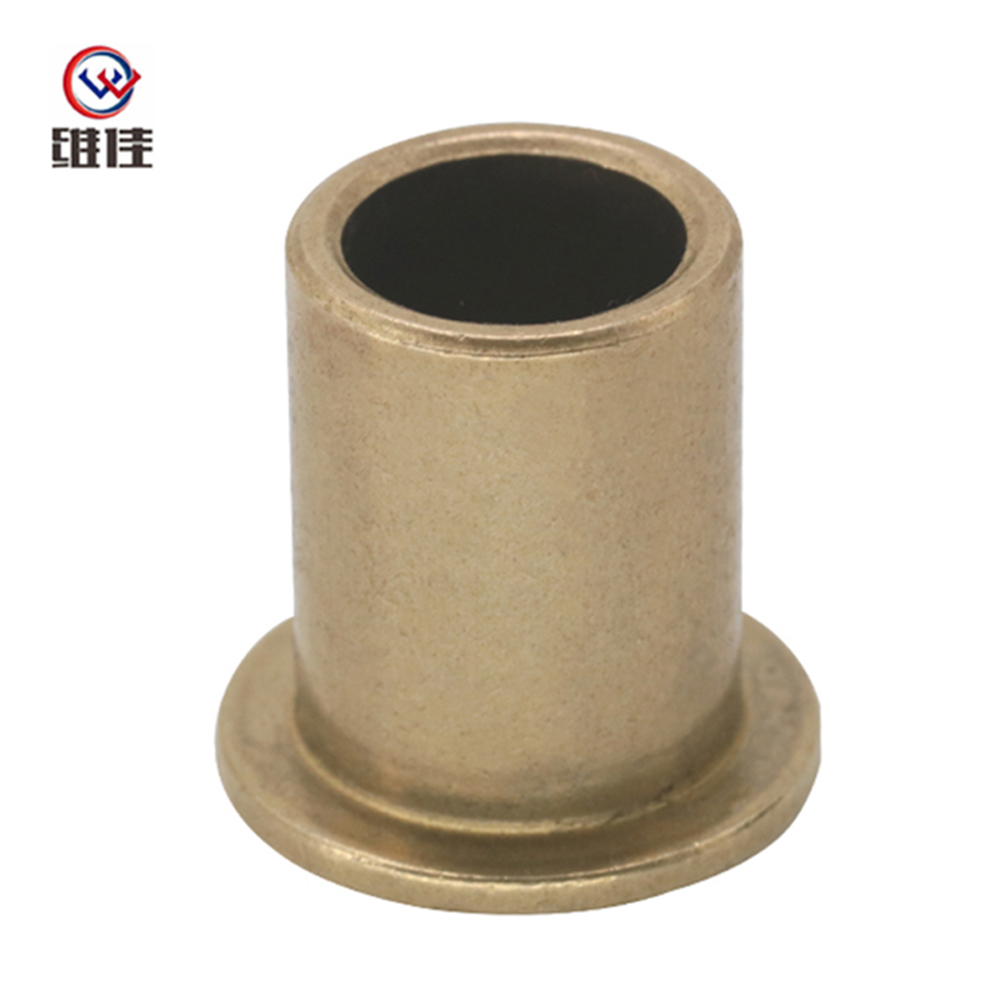
Our sintered bronze self-lubricating bearings are engineered for demanding industrial applications where traditional lubrication is impractical. Designed with advanced powder metallurgy technology, th...
See Details -
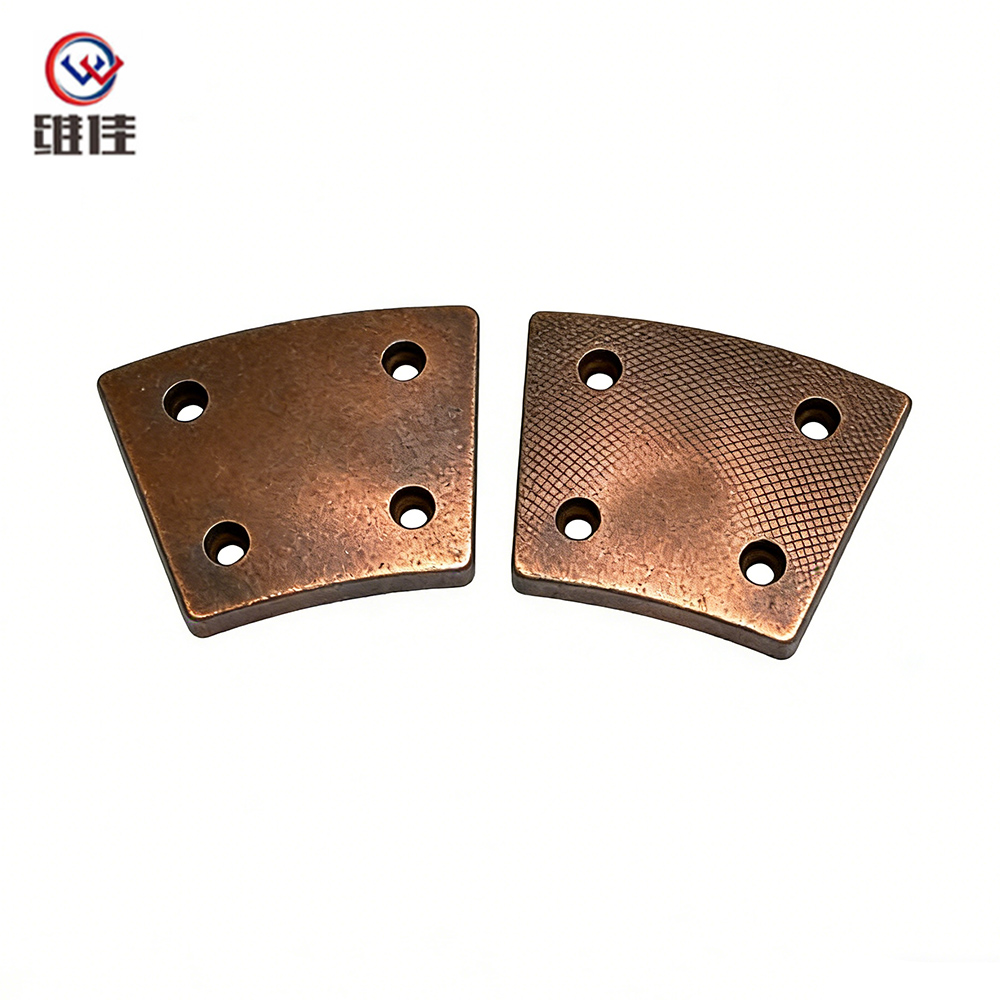
Description: 79.5×62×7.3mm copper-based brake pad with 4-hole design. Density 6.2g/cm³, weight 195g. Free from graphite segregation, cracks, and defects. Ideal for heavy-duty industrial braking system...
See Details -
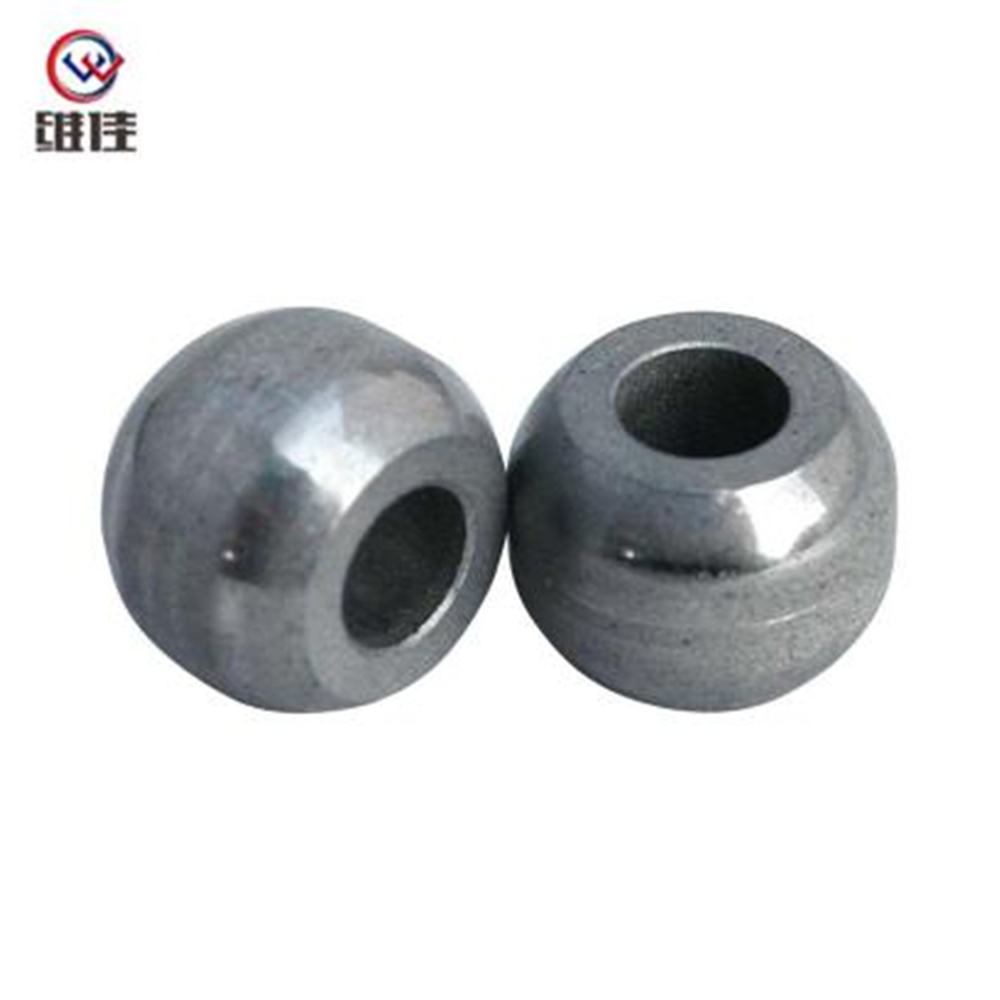
Product Description: High-precision powder metallurgy part (S14*7*10) made of iron material from Jiande Wefine, customized PM components with strict tolerance control.
See Details
Copyright © Jiande Welfine Technology Co., Ltd. All Rights Reserved. Privacy Custom Self-lubricating Sintered Bushing Manufacturers
