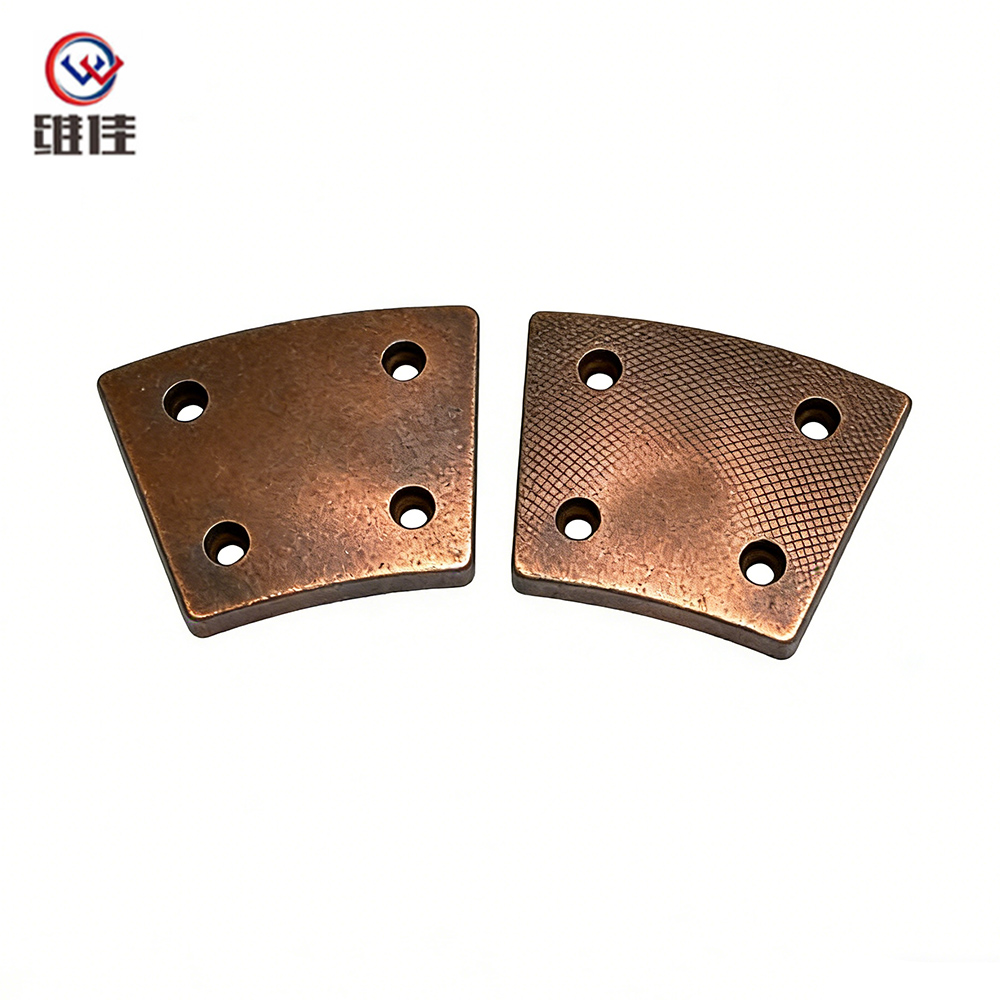
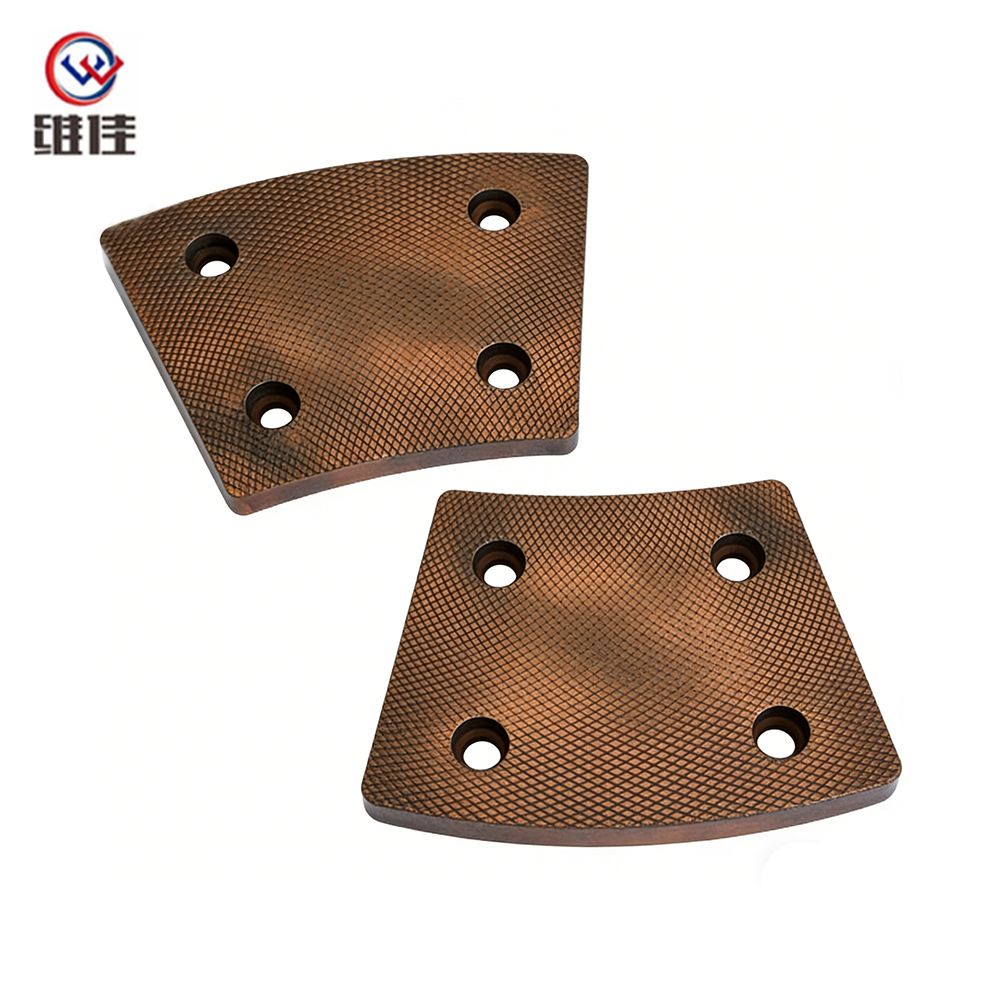
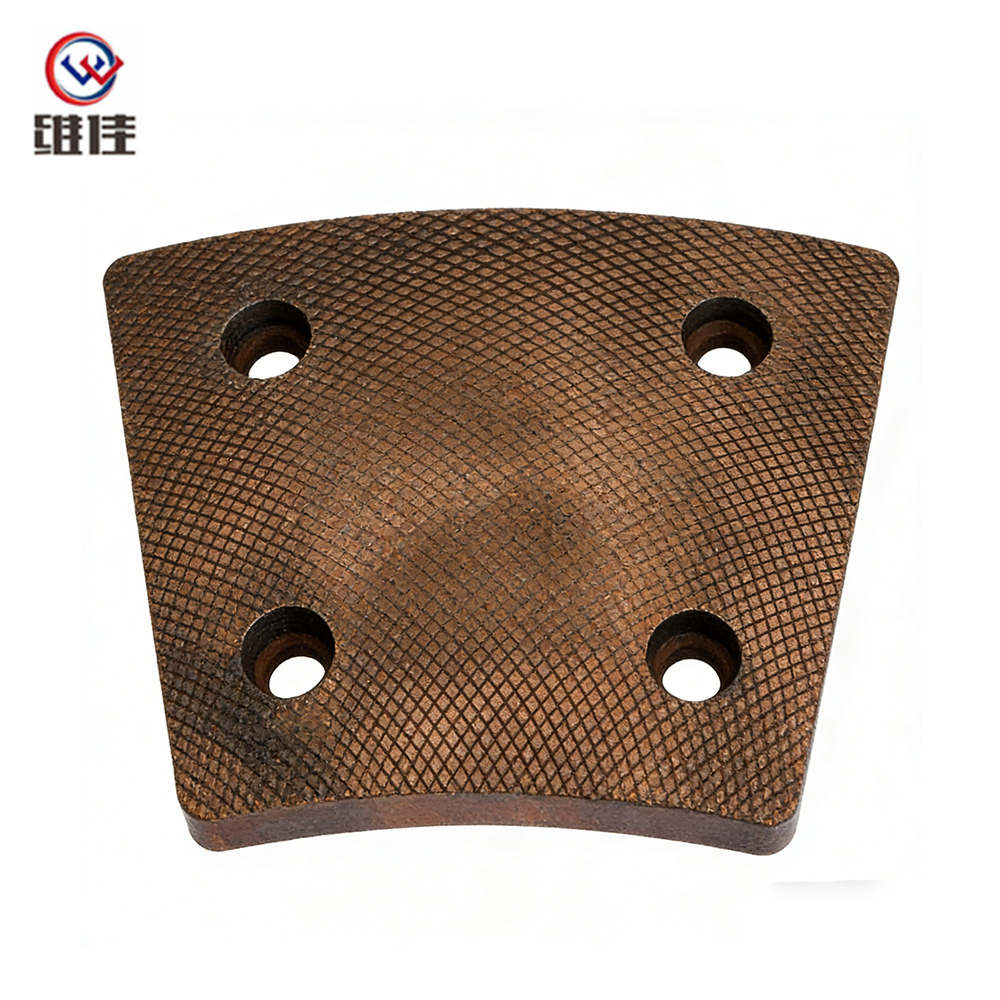
Jiande Welfine Technology Co., Ltd. Home / Products / Friction Materials / High-Density Copper-Based Brake Pad | 79.5×62×7.3mm | 4-Hole Industrial Brake Lining

High-Density Copper-Based Brake Pad | 79.5×62×7.3mm | 4-Hole Industrial Brake Lining

Description:

79.5×62×7.3mm copper-based brake pad with 4-hole design. Density 6.2g/cm³, weight 195g. Free from graphite segregation, cracks, and defects. Ideal for heavy-duty industrial braking systems.

CONTACT US High-Density Copper-Based Brake Pad | 79.5×62×7.3mm | 4-Hole Industrial Brake Lining
  • High-Density Copper-Based Brake Pad | 79.5×62×7.3mm | 4-Hole Industrial Brake Lining
  • High-Density Copper-Based Brake Pad | 79.5×62×7.3mm | 4-Hole Industrial Brake Lining
  • High-Density Copper-Based Brake Pad | 79.5×62×7.3mm | 4-Hole Industrial Brake Lining

Specifications

Key Advantages & Features

Premium Copper-Based Material Performance

Crafted from high-quality copper-based friction material, this brake pad offers superior thermal conductivity and mechanical strength compared to conventional friction materials. The copper matrix ensures stable friction coefficients even under high temperature and heavy load conditions, preventing thermal decay and ensuring consistent braking power.


Zero Defect Quality Guarantee

We implement a multi-stage quality control system throughout the production process:

No Graphite Segregation: Uniform material distribution eliminates performance inconsistencies caused by graphite agglomeration.

Crack-Free & Defect-Free: Advanced inspection techniques (visual inspection, dimensional accuracy detection) ensure no micro-cracks or physical damage on the surface or interior.

Precision Dimensional Control: Strict adherence to 79.5×62×7.3mm dimensions ensures perfect fitment with standard industrial brake assemblies.


Optimised 4-Hole Design

The 4-hole mounting structure provides enhanced installation stability and uniform force distribution during braking. This design reduces wear on the brake assembly, extends the service life of both the brake pad and mating components, and simplifies maintenance procedures.


Long Service Life & Low Maintenance

The high-density (6.2g/cm³) construction and wear-resistant copper matrix significantly reduce wear rate, minimising replacement frequency and overall equipment maintenance costs. It is suitable for continuous operation in harsh industrial environments.

Technical Parameters (Detailed)

Parameter

Specification Test Standard

Friction Coefficient Stable

 (0.35-0.40 under dry conditions) GB/T 5763-2018


Wear Rate

≤1.0×10⁻⁴ cm³/J GB/T 10421-2002

Shear Strength

≥7 MPa GB/T 10419-2008

Thermal Conductivity

Excellent (high heat dissipation) GB/T 3399-1982

Working Temperature

-40℃ to 600℃ Industrial Standard

Application Scenarios

This high-performance copper-based brake pad is widely used in the following industrial fields:

Heavy Engineering Machinery: Cranes, excavators, loaders, and concrete pump trucks

Metallurgical Equipment: Rolling mills, continuous casters, and steel plant braking systems

Mining Machinery: Mine winches, conveyors, and shearer loaders

Industrial Equipment: Wind turbine generators, machine tools, and elevators

Marine Engineering: Ship deck machinery and offshore platform braking systems


Why Choose Our Copper-Based Brake Pads?

Advanced Manufacturing Process: State-of-the-art powder metallurgy production line ensures consistent product quality and performance.

Customization Support: We can customize brake pad dimensions, density, and friction properties to meet specific customer requirements.

Strict Quality Control: Each product undergoes 100% inspection for graphite segregation, cracks, and defects before shipment.

Competitive Pricing & Fast Delivery: As a professional manufacturer, we offer competitive prices and efficient order fulfillment.

Professional Technical Support: Our engineering team provides free technical consultation, installation guidance, and after-sales service.


Frequently Asked Questions (FAQs)

Q1: What is the significance of the 4-hole design?

A: The 4-hole structure provides balanced mounting pressure, ensuring the brake pad adheres firmly to the brake disc during braking. It prevents pad shifting and reduces vibration, improving braking safety and stability.

Q2: Why is density control important for brake pads?

A: Density directly affects the mechanical strength, wear resistance, and friction performance of the brake pad. A density of 6.2g/cm³ ensures optimal structural integrity and braking efficiency, avoiding issues like excessive wear or braking failure.

Q3: How to ensure the product is free from graphite segregation?

A: We use precise material mixing technology and strict process control during the powder metallurgy process. Each batch is inspected using metallographic analysis to ensure uniform material distribution, eliminating graphite agglomeration.

Q4: What is the service life of this brake pad?

A: Under normal working conditions, the service life is 2-3 times that of conventional friction materials. The actual lifespan depends on working load, operating frequency, and maintenance frequency.

Q5: Do you provide sample testing?

A: Yes, we offer free sample testing. You can contact us to request samples for performance verification and fitment checks.

KEEP IN TOUCH

SUBMIT
About Us
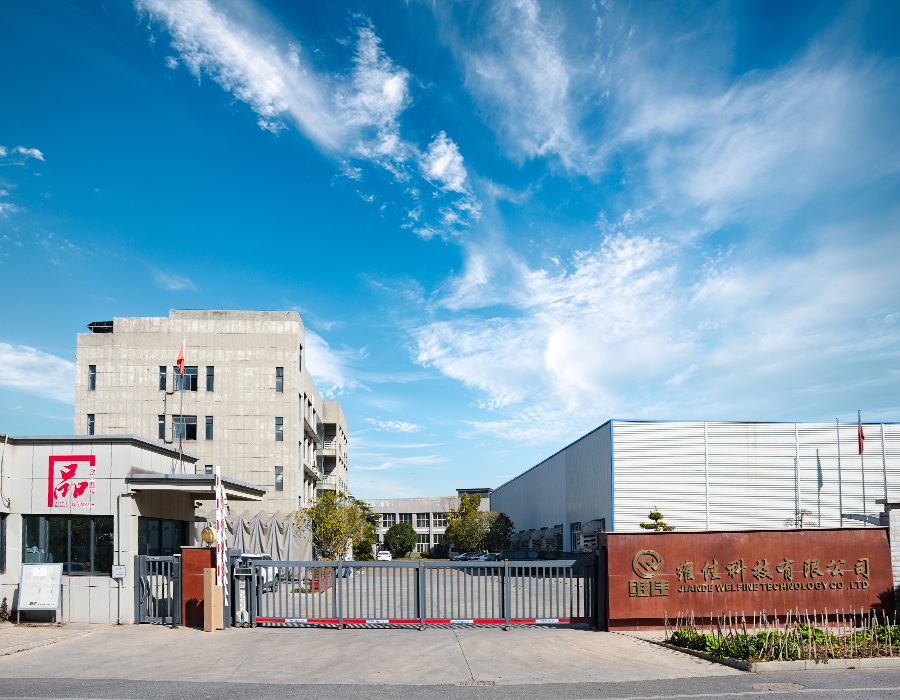
Jiande Welfine Technology Co., Ltd.
Founded in 2001, Jiande Weijia Technology Co., Ltd. is a high-tech enterprise integrating R&D, production, and sales. We specialize in powder metallurgy sintering and related precision machining, primarily producing powder metallurgy bushings, self-lubricating bushings, and various precision components. Our products are widely used in multiple industrial sectors. We are China copper-based brake pad sintered friction material manufacturers and OEM/ODM copper-based brake pad sintered friction material factory.

The company boasts a modern production base of 13,039 square meters, with a scientifically planned layout and equipped with advanced production and testing equipment, ensuring efficient production and continuous technological innovation. Leveraging our extensive experience in the powder metallurgy industry, we continuously optimize our production processes, improving the production efficiency, dimensional accuracy, and performance of bushings and sintered components to meet the high standards of our global customers.

The company has an experienced and well-structured professional team, including skilled production personnel and technical engineers focused on R&D and quality management. We can provide OEM/ODM customized bushing solutions based on customer drawings or samples, achieving stable delivery and flexible production.

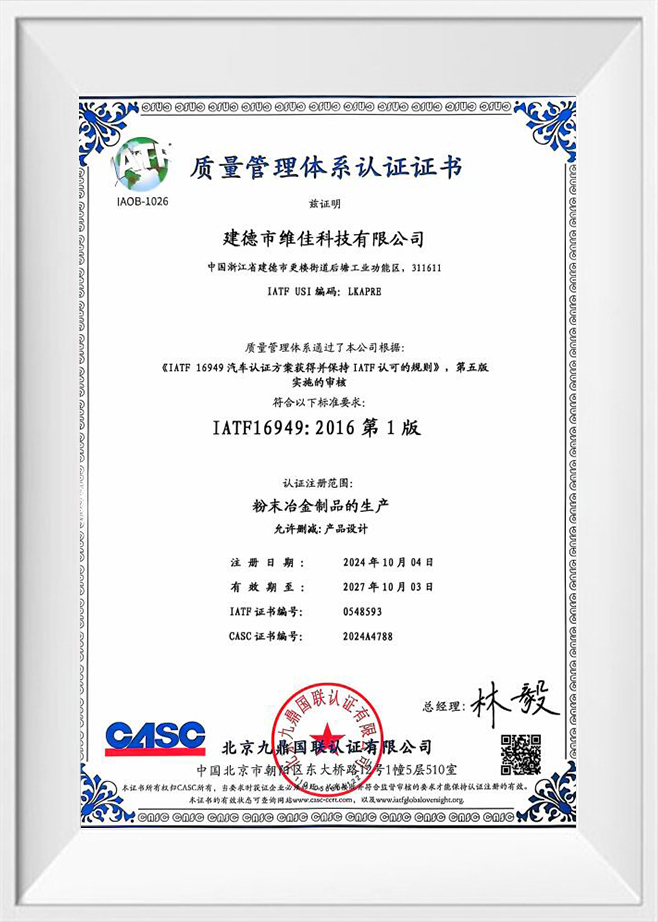
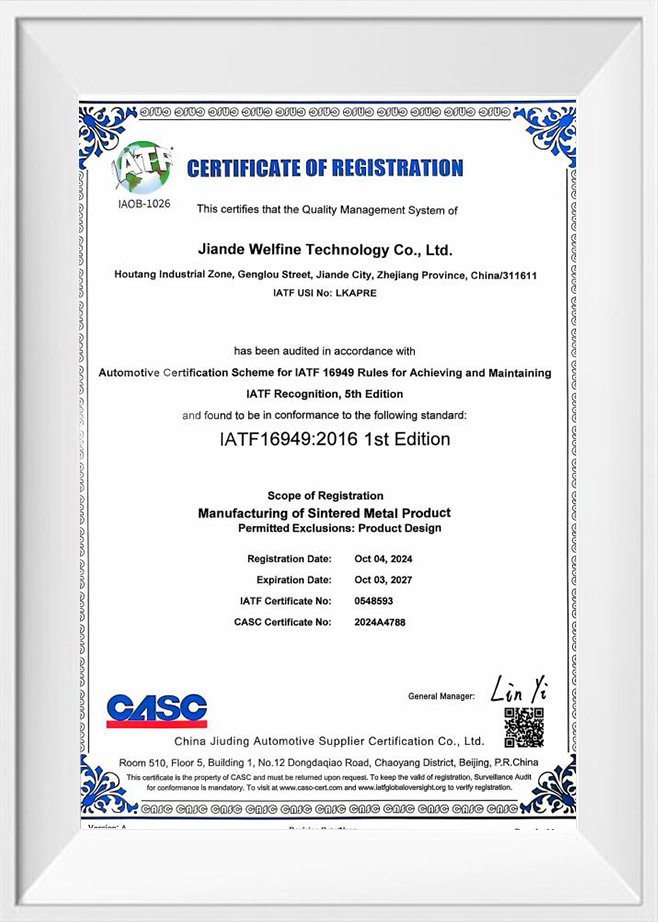
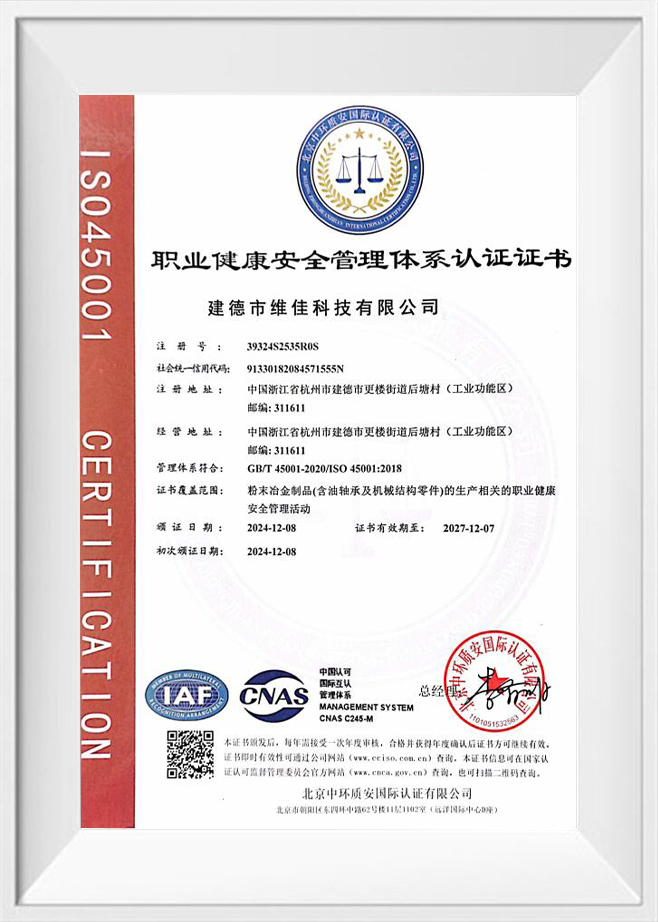
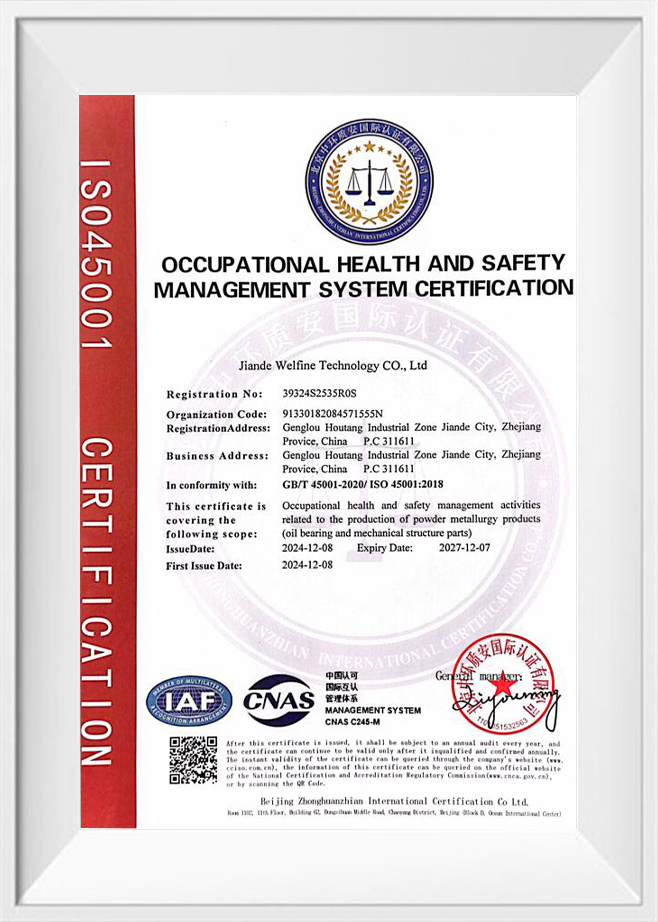
We strictly implement our quality management system and have passed ISO 9001:2015 and IATF 16949:2016 management system certifications, ensuring that our bushing products maintain high standards in reliability, consistency, and durability.

Adhering to the development philosophy of technology leadership and quality priority, the company is committed to becoming a long-term trusted partner for our customers and continues to strive towards becoming a benchmark enterprise in the powder metallurgy bushing industry.

Certificate Of Honor
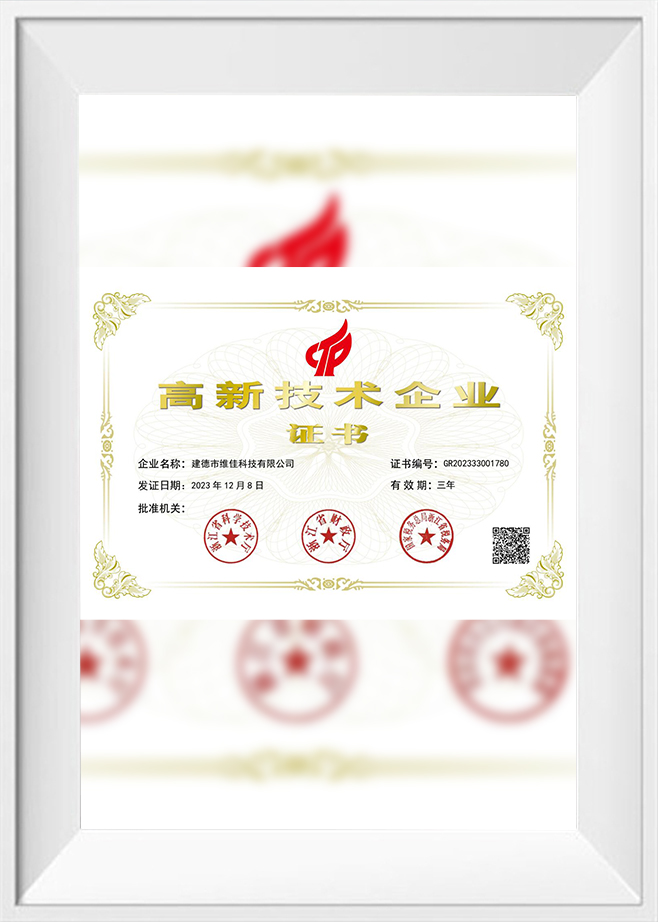
  • High-Tech Enterprise Certificate
  • Quality Management System Certification
  • Quality Management System Certification
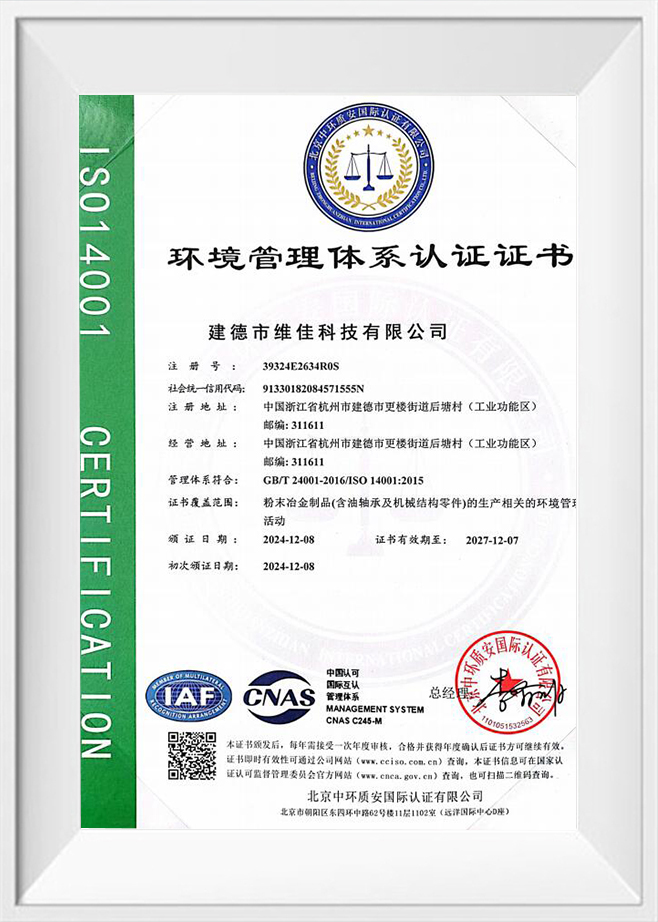
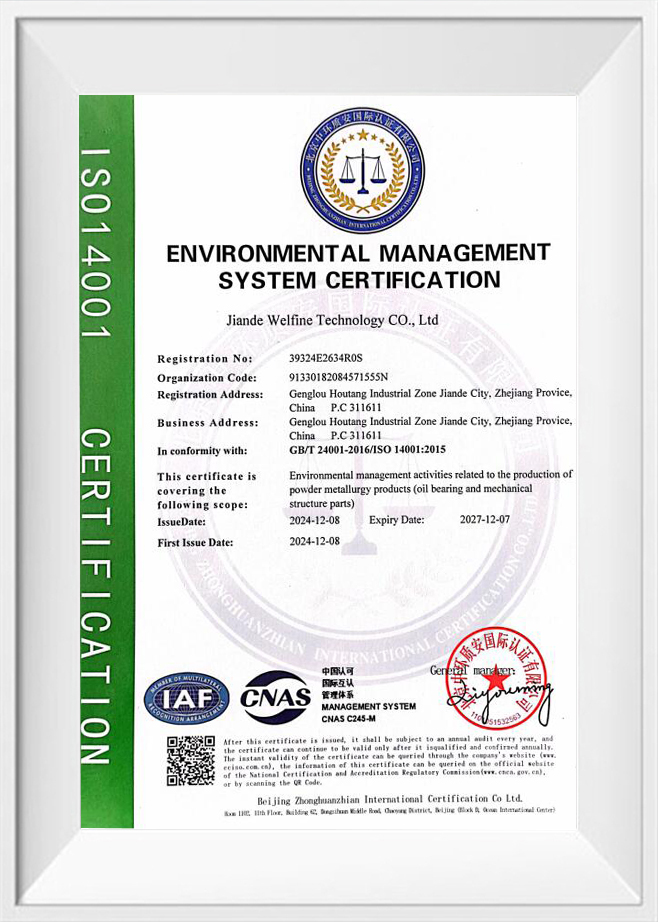
  • Environmental Management System Certification
  • Environmental Management System Certification
  • Certificate of Occupational Health and Safety Management System Certification
  • Certificate of Occupational Health and Safety Management System Certification
News
High-Density Copper-Based Brake Pad | 79.5×62×7.3mm | 4-Hole Industrial Brake Lining Industry knowledge

High Density as a Functional Requirement, Not a Marketing Claim

In sintered friction materials, density is a direct indicator of how completely the powder compact has been consolidated during pressing and sintering. A copper-based brake pad sintered friction material with a target density of 6.2 g/cm³ reflects a controlled porosity level where residual pores are fine, uniformly distributed, and sealed from through-porosity — a configuration that maximizes contact area with the mating rotor surface while preventing fluid ingress that would cause friction fade under wet braking conditions.

The relationship between density and performance is not linear. Underdense pads (below approximately 5.8 g/cm³ for copper-based formulations) exhibit higher compliance and initial wear rates, which can be acceptable in light-duty applications but becomes a liability in heavy-duty industrial braking where dimensional stability under sustained clamping load is essential. Overdense pads, achieved through excessive compaction pressure, close porosity to the point that graphite lubricant phases become isolated and cannot contribute to surface film formation, paradoxically increasing friction coefficient variation and rotor scoring.

Reaching and maintaining a 6.2 g/cm³ target across a production batch requires tightly controlled powder particle size distribution, consistent die fill, calibrated compaction tonnage, and a sintering atmosphere that promotes copper matrix diffusion bonding without oxidation. At Jiande Welfine Technology Co., Ltd., process parameters at each of these stages are monitored and recorded as part of the ISO 9001:2015 quality management framework, ensuring batch-to-batch density consistency rather than relying on end-of-line inspection alone.

Graphite Segregation and Internal Defects: Why They Form and How Sintering Controls Prevent Them

Graphite is the primary solid lubricant phase in copper-based sintered brake pads, typically comprising 5–15% by weight depending on the target friction coefficient. Its role is to form a thin transfer film on the mating rotor surface that reduces direct metal-to-metal contact, lowers the friction coefficient to a stable operating range, and dissipates heat laterally across the pad face. However, graphite's low density (approximately 2.1 g/cm³) relative to copper (8.9 g/cm³) creates a persistent manufacturing challenge: during powder mixing and die filling, graphite particles tend to migrate toward the compact surface or concentrate unevenly — a phenomenon known as graphite segregation.

Segregated graphite produces pads where friction performance varies across the pad face. Zones with graphite excess exhibit low µ and rapid wear; graphite-depleted zones generate elevated temperatures and may cause localized thermal cracking of the copper matrix. Preventing segregation requires optimizing both particle size ratio (graphite flake size relative to copper powder) and mixing sequence — typically introducing graphite after copper and metallic additives have been pre-blended to create a more cohesive base that anchors graphite flakes within the matrix rather than allowing them to float.

Subsurface cracks are the other critical defect category in sintered friction pads. They originate either from die ejection stresses during compaction or from differential thermal expansion during sintering when adjacent phases have mismatched coefficients of thermal expansion. Non-destructive evaluation — typically by density measurement and dimensional inspection combined with visual examination of cross-sections in AQL sampling — is the standard method for confirming crack-free internal structure before shipment.

Geometry and Mounting Configuration in Heavy-Duty Braking Applications

The 79.5 × 62.7 × 3 mm pad dimensions with a 4-hole mounting pattern represent a standardized geometry common in industrial disc brake calipers used on crane travel drives, wind turbine yaw and pitch brakes, and heavy-duty conveyor emergency stop systems. Each dimensional parameter carries a functional consequence that engineers specifying replacement pads or OEM designs need to understand.

Pad face area (79.5 × 62.7 mm = approximately 4,980 mm²) determines the nominal contact pressure under a given caliper clamping force. For a typical industrial caliper generating 10–15 kN of clamping force, this face area yields contact pressures of 2.0–3.0 MPa — within the optimal operating range for sintered copper-based materials and well below the compressive yield threshold that would cause pad thickness collapse under emergency braking loads.

Pad thickness at 3 mm indicates this is a lining-only friction element intended for bonding or mechanical attachment to a steel backing plate, rather than a self-backing composite pad. The 4-hole pattern provides positive mechanical retention points that prevent lining delamination under the tangential shear forces generated during braking — a critical requirement in applications where caliper orientation means the lining is loaded in shear rather than pure compression. Welfine's OEM capability extends to specifying hole diameter, countersink geometry, and positional tolerance to match customer caliper drawings, eliminating the fitment risk that arises when friction linings are sourced independently from caliper hardware.

Copper-Based vs. Iron-Based Sintered Brake Pads: Selecting for the Application

Both copper-based and iron-based sintered friction materials are used in heavy-duty industrial braking, but their material properties lead to distinct application fits rather than a simple performance hierarchy.

Property Copper-Based Sintered Iron-Based Sintered
Friction Coefficient (µ) 0.25 – 0.40 0.35 – 0.50
Thermal Conductivity High (copper matrix) Moderate
Rotor Aggressiveness Low — rotor-friendly Higher — harder on rotor
Operating Temperature Limit Up to ~500 °C Up to ~700 °C
Wet Braking Performance Good — low µ drop Variable
Typical Applications Cranes, wind turbines, conveyors High-temperature industrial presses
Table 1: Key property comparison between copper-based and iron-based sintered brake pad materials.

Copper-based pads are the preferred choice when rotor longevity is a priority — the softer copper matrix conforms to minor rotor surface irregularities rather than ploughing them, extending rotor service life significantly in applications where rotor replacement is costly or operationally disruptive. For copper-based brake pad sintered friction material specified in outdoor industrial environments, the superior wet-braking stability of copper-based formulations — where µ drop between dry and wet conditions remains below 15% in well-formulated pads — provides a meaningful safety margin in equipment exposed to rain or wash-down cycles.