Why Are Sintered Stainless Steel Self Lubricating Bushings Preferred for Food Processing, Medical, and Marine Equipment?
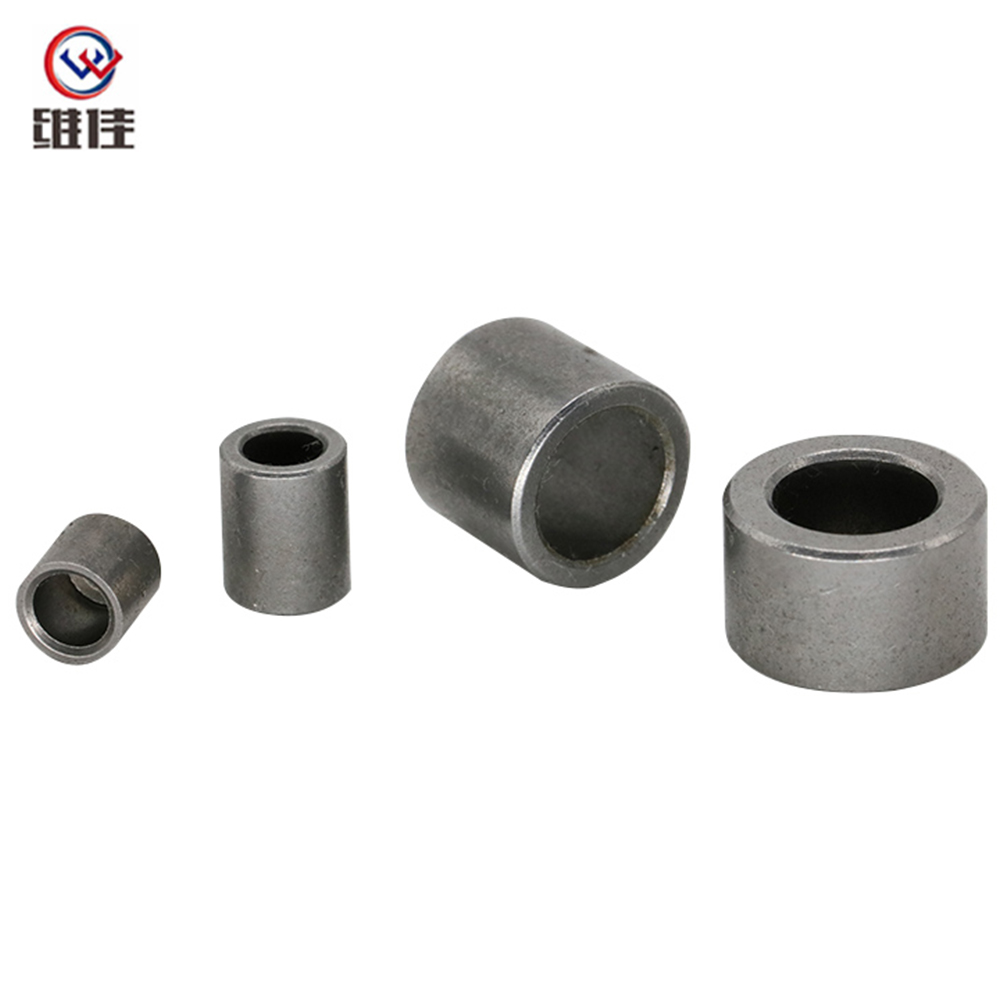
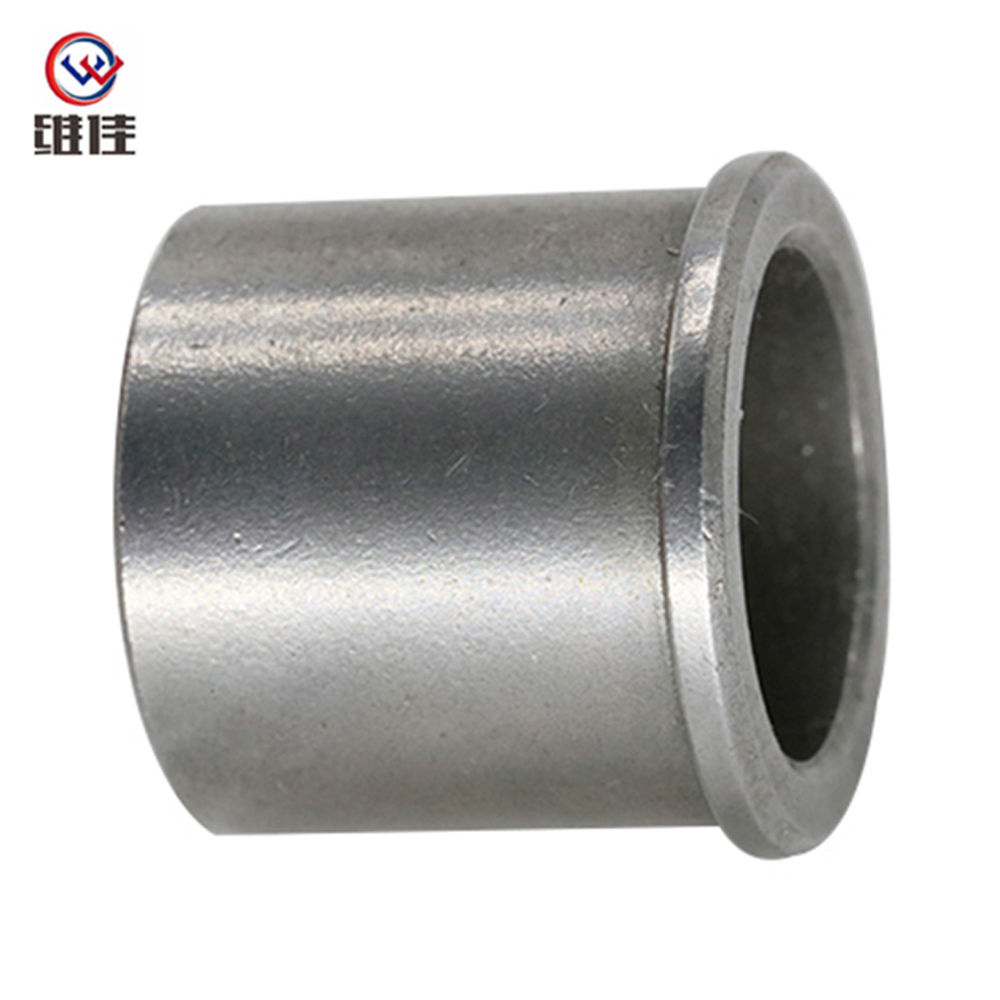
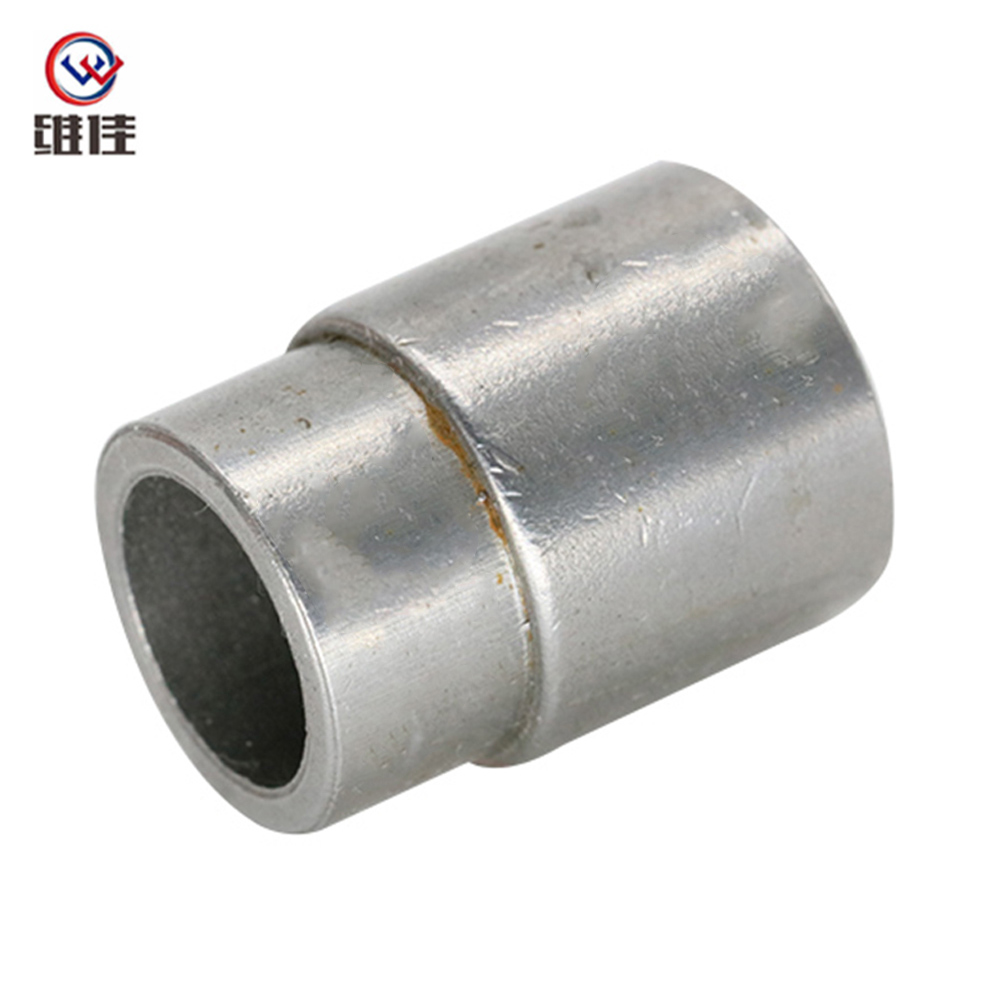
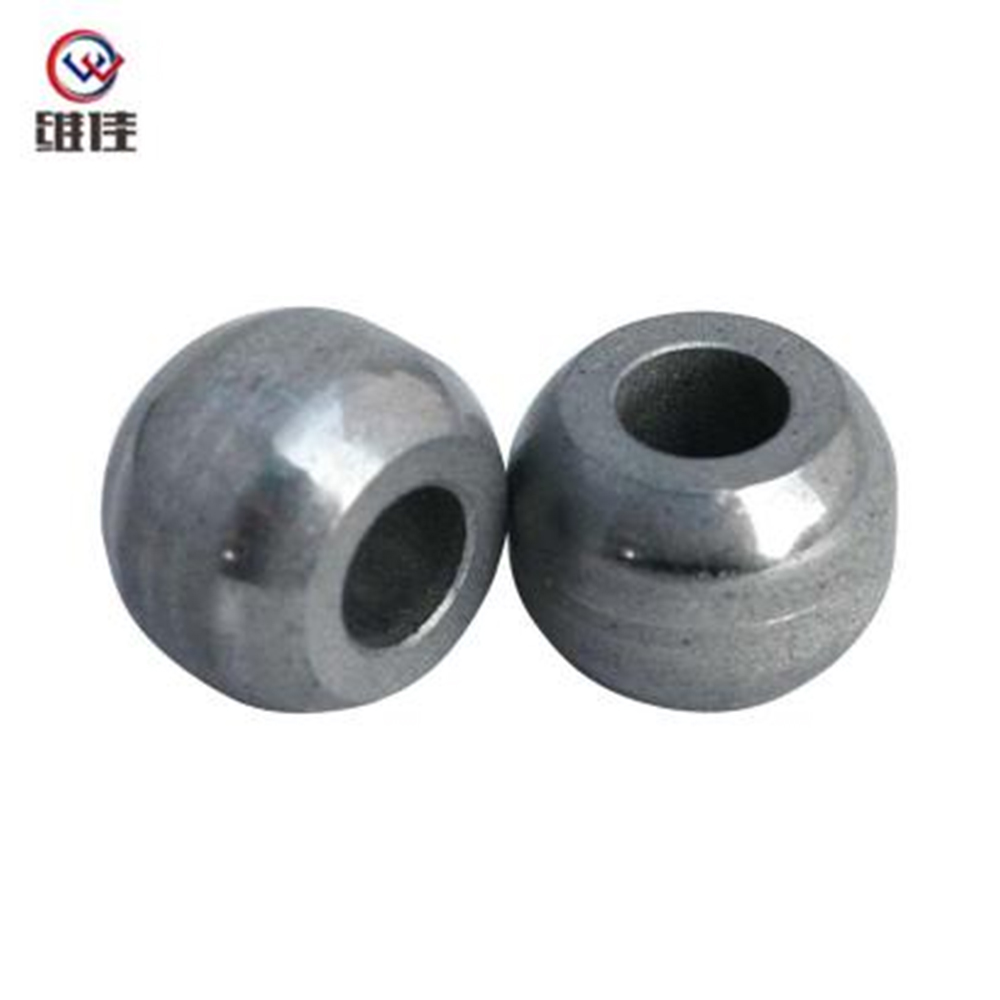
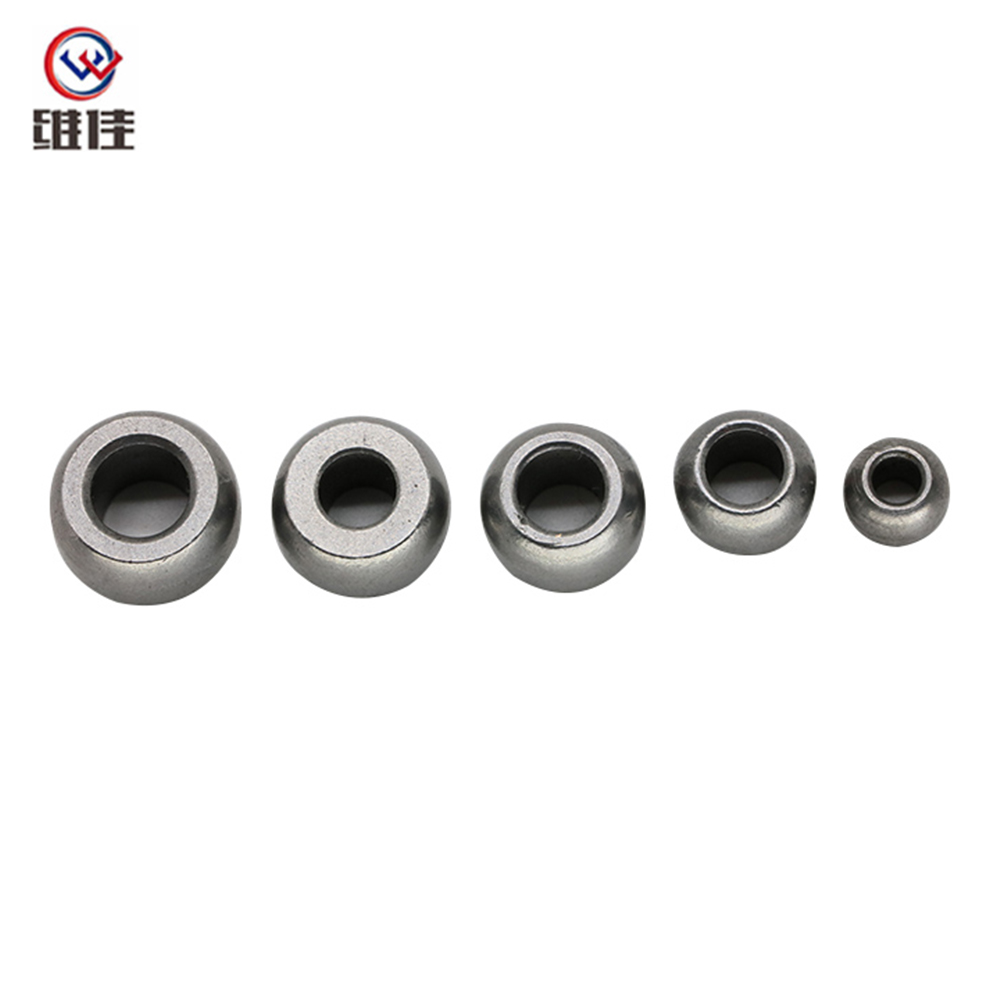
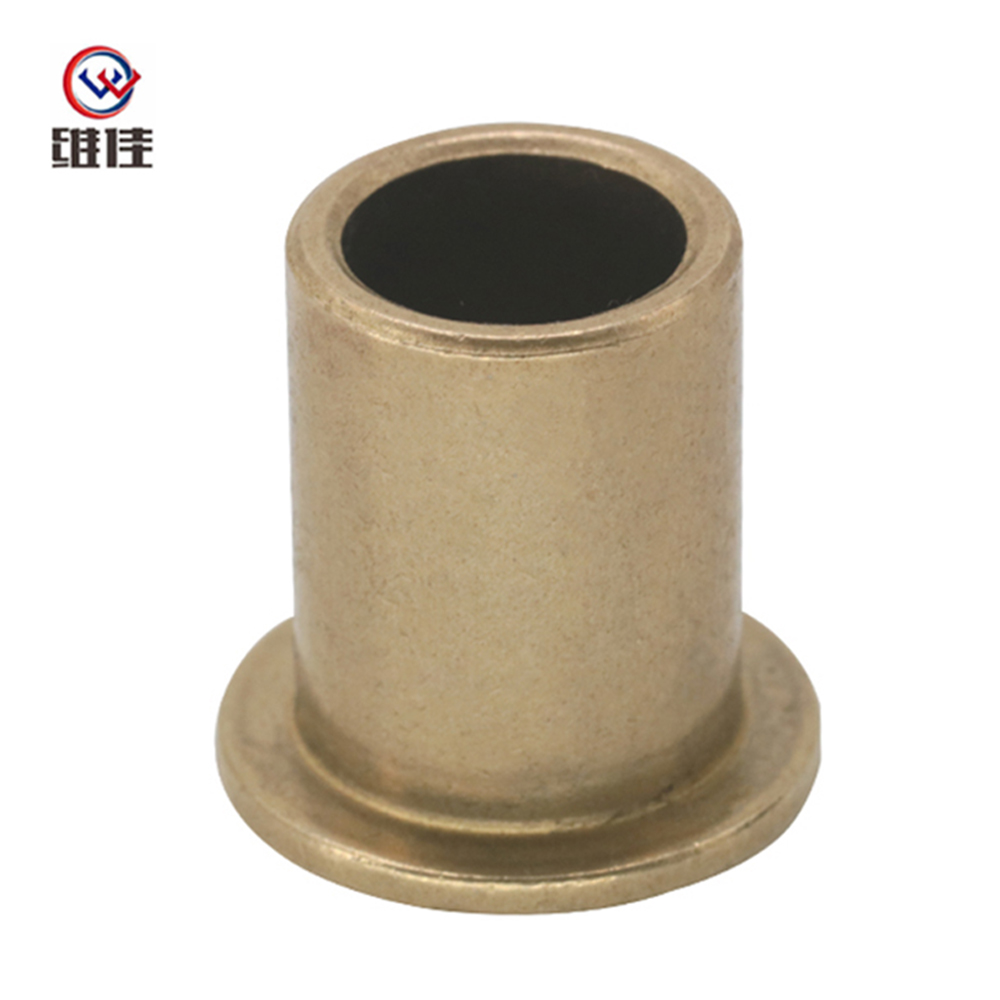
In industries where cleanliness, corrosion resistance, reliability, and low maintenance are critical, bearing selection plays a significant role in equipment performance. Among various bearing solutions, the Sintered Stainless Steel Self Lubricating Bushing has become a preferred choice for food processing machinery, medical devices, and marine equipment. Combining the advantages of powder metallurgy technology, stainless steel corrosion resistance, and self-lubricating functionality, these bushings help improve operational efficiency while reducing maintenance requirements.
Unlike conventional bearings that require frequent lubrication and regular servicing, sintered stainless steel self-lubricating bushings are designed to provide long-term, maintenance-free performance in challenging operating environments. Their unique porous structure stores lubricant internally, allowing continuous lubrication throughout the service life of the component.
What Makes Sintered Stainless Steel Self Lubricating Bushings Unique?
These bushings are manufactured through a powder metallurgy process in which stainless steel powders are compacted and sintered under controlled conditions. During production, a network of interconnected microscopic pores is created within the material structure.
After sintering, the pores are impregnated with lubricating oil, creating a self-lubricating bearing system that can automatically release lubricant during operation.
Key characteristics include:
- Excellent corrosion resistance
- Continuous self-lubrication
- High wear resistance
- Low maintenance requirements
- Dimensional stability
- Long service life
- Suitable for harsh environments
Why Are They Ideal for Food Processing Equipment?
Food processing machinery often operates in environments involving moisture, washdowns, cleaning chemicals, and strict hygiene requirements. Components used in such equipment must resist corrosion while minimizing contamination risks.
Sintered stainless steel self-lubricating bushings offer several advantages:
- Resistance to water and cleaning agents
- Reduced risk of rust formation
- Lower maintenance requirements
- Stable operation in humid conditions
- Reduced lubricant leakage compared to traditional bearings
These properties help improve equipment reliability while supporting sanitary operating conditions.
Why Are They Widely Used in Medical Equipment?
Medical devices often require precise movement, quiet operation, and long-term reliability. Equipment downtime can negatively affect productivity and operational efficiency.
Self-lubricating stainless steel bushings support these requirements by providing:
- Smooth and consistent motion
- Low friction performance
- Reduced maintenance intervals
- Corrosion resistance in sterilized environments
- High dimensional accuracy
Applications may include diagnostic equipment, laboratory instruments, hospital automation systems, and specialized medical machinery.
Why Are They Preferred in Marine Applications?
Marine environments expose components to saltwater, humidity, temperature fluctuations, and corrosive atmospheric conditions. Conventional steel bearings often experience accelerated corrosion and wear under such conditions.
Sintered stainless steel self-lubricating bushings provide:
- Superior corrosion resistance
- Protection against saltwater exposure
- Reduced lubrication maintenance
- Longer operational life
- Reliable performance in outdoor environments
As a result, they are commonly used in marine pumps, deck equipment, navigation systems, and auxiliary mechanical assemblies.
How Does Self-Lubrication Improve Reliability?
The porous structure created during the powder metallurgy process acts as a built-in oil reservoir. During operation, frictional heat causes small amounts of lubricant to migrate to the bearing surface, creating a protective lubrication film.
This mechanism offers several benefits:
- Reduced friction coefficients
- Lower operating temperatures
- Minimized metal-to-metal contact
- Extended wear life
- Reduced maintenance costs
When equipment stops operating, excess lubricant is reabsorbed into the pores, allowing the lubrication cycle to continue throughout the bearing's lifespan.
Performance Comparison
| Parameter |
Sintered Stainless Steel Self Lubricating Bushing |
Conventional Carbon Steel Bushing |
| Corrosion Resistance |
Excellent |
Moderate to Poor |
| Lubrication Method |
Internal Oil Reservoir |
External Lubrication Required |
| Maintenance Frequency |
Low |
High |
| Wear Resistance |
High |
Moderate |
| Suitability for Humid Environments |
Excellent |
Limited |
| Service Life |
Long |
Shorter Under Harsh Conditions |
| Risk of Corrosion Failure |
Low |
High |
| Operating Reliability |
High |
Dependent on Maintenance |
How Does Powder Metallurgy Technology Enhance Product Performance?
The quality of a self-lubricating stainless steel bushing depends heavily on the precision of the powder metallurgy manufacturing process. Factors such as powder selection, compaction pressure, sintering temperature, porosity control, and oil impregnation directly influence the final product's performance.
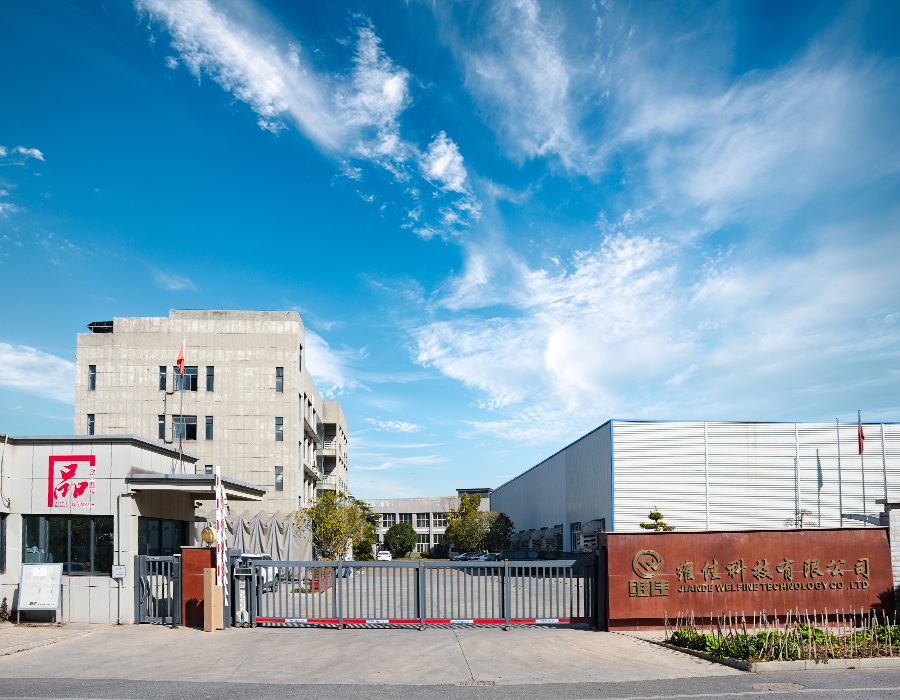
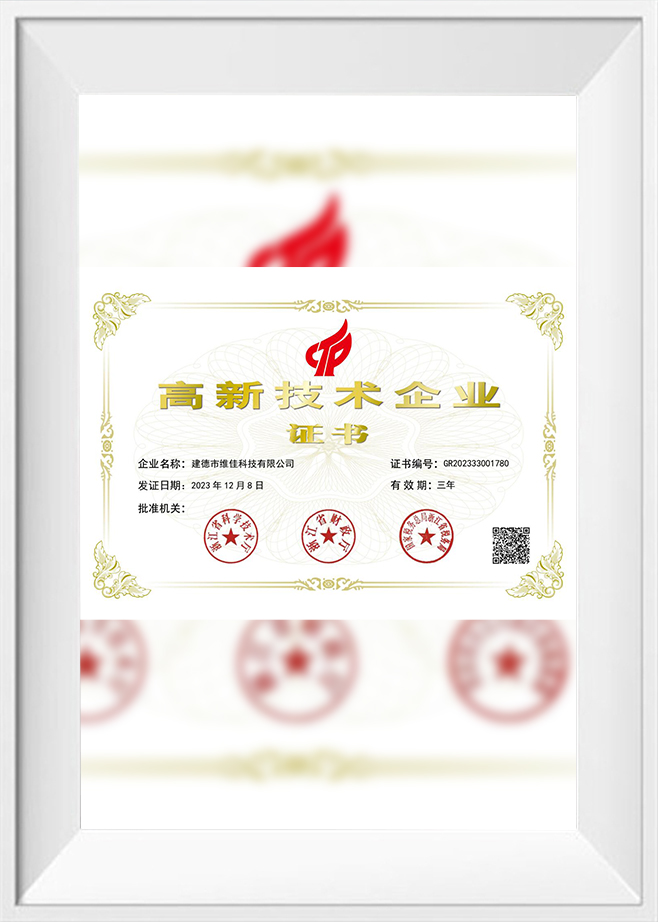
Ningbo Mingyi Powder Metallurgy Co., Ltd. was founded in 2001 and is a high-tech enterprise integrating R&D, production, and sales, focusing on powder metallurgy sintering molding and related machining. As a China Custom OEM/ODM Industrial Powder Metallurgy Parts Manufacturer and Supplier, the company specializes in the development and production of precision powder metallurgy components for various industrial applications.
The company covers an area of 13,039 square meters. Its scientifically planned manufacturing facility is equipped with advanced production equipment, providing a solid foundation for efficient manufacturing, stable product quality, and continuous technological innovation.
Through advanced powder metallurgy technologies and strict quality control systems, high-performance stainless steel self-lubricating bushings can achieve excellent dimensional accuracy, wear resistance, and long-term reliability in demanding environments.
Typical Applications
- Food processing machinery
- Packaging equipment
- Medical devices
- Laboratory instruments
- Marine pumps
- Navigation equipment
- Water treatment systems
- Industrial automation equipment
- Chemical processing machinery
FAQ
Why Are Sintered Stainless Steel Self Lubricating Bushings Better for Corrosive Environments?
These bushings combine the natural corrosion resistance of stainless steel with a self-lubricating porous structure. This design minimizes rust formation, reduces maintenance requirements, and provides reliable performance in environments exposed to moisture, chemicals, and saltwater.
Can Ningbo Mingyi Powder Metallurgy Co., Ltd. Provide Custom Stainless Steel Self-Lubricating Bushings?
Yes. Ningbo Mingyi Powder Metallurgy Co., Ltd., founded in 2001, specializes in powder metallurgy sintering molding and related machining. As a China Custom OEM/ODM Industrial Powder Metallurgy Parts Manufacturer and Supplier, the company can manufacture customized stainless steel self-lubricating bushings according to specific dimensional, material, load, and environmental requirements.
How Does Powder Metallurgy Improve the Service Life of Self-Lubricating Bushings?
Powder metallurgy creates a controlled porous structure capable of storing lubricating oil throughout the bearing body. Supported by advanced production facilities covering 13,039 square meters, Ningbo Mingyi Powder Metallurgy Co., Ltd. produces high-quality self-lubricating bushings with excellent wear resistance, stable lubrication performance, and extended operational life for food processing, medical, and marine applications.
 English
 中文简体
中文简体