E-mail us: [email protected]
Tel: +86-15239857375
 English
 中文简体
中文简体

 Home / News / Industry News / What are Self-lubricating Bushings, and how do they extend the life of machinery?
 What are Self-lubricating Bushings, and how do they extend the life of machinery?
 2026.06.10
 Industry News
Introduction to Self-lubricating Bushings
Self-lubricating bushings are advanced bearing components designed to operate without the need for an external grease or oil supply. They are widely used in modern mechanical systems where continuous lubrication is difficult, costly, or impractical. By integrating lubrication directly into the material structure, these bushings significantly reduce maintenance requirements while improving operational efficiency and service life.
In many industrial applications, such as automotive systems, construction machinery, agricultural equipment, and electric motors, self-lubricating bushings provide a stable and reliable solution for reducing friction and wear under both light and heavy load conditions.
Unlike traditional bushings that rely on periodic manual lubrication, self-lubricating bushings use a built-in lubrication mechanism. This allows them to maintain a stable lubricating film during operation, even in environments with limited access or harsh working conditions.
What Makes Self-lubricating Bushings Different
The key difference lies in their material structure. Self-lubricating bushings are typically manufactured using powder metallurgy technology, which creates a controlled porous structure within the component. These microscopic pores are filled with lubricating oil or embedded solid lubricants such as graphite.
During operation, frictional heat and motion cause the lubricant to gradually migrate to the surface, forming a thin and stable lubrication film between the shaft and the bushing. When the equipment stops, the oil is naturally reabsorbed into the pores through capillary action, enabling a continuous lubrication cycle.
Typical Material Characteristics
- Porous structure designed for oil storage
- High dimensional stability under load
- Low friction coefficient during operation
- Good wear resistance under dry or semi-lubricated conditions
- Stable performance across a wide temperature range
Common Material Types
- Sintered bronze-based bushings
- Iron-based powder metallurgy bushings
- Graphite-embedded composite bushings
- Oil-impregnated sintered metal bushings
Performance Comparison of Lubrication Systems
| Property | Self-lubricating Bushings | Traditional Bushings |
| Lubrication Method | Internal oil or solid lubricant storage | External grease or oil required |
| Maintenance Requirement | Low | High |
| Friction Coefficient | Low and stable | Higher and dependent on lubrication condition |
| Service Life | Long under proper operating conditions | Dependent on maintenance frequency |
| Environmental Suitability | Suitable for dry, dusty, or sealed environments | Requires regular lubrication access |
| Operating Cost | Low long-term cost | Higher maintenance cost over time |
Why Self-lubricating Bushings Are Widely Used
Self-lubricating bushings are widely adopted because they simplify mechanical design and reduce the need for complex lubrication systems. This makes them particularly valuable in applications where reliability, compact structure, and low maintenance are critical.
- Reduced need for maintenance schedules
- Improved equipment uptime
- Lower risk of lubrication failure
- Stable performance in continuous operation
- Suitable for hard-to-reach installation locations
Summary
Self-lubricating bushings represent an efficient and cost-effective solution for modern mechanical systems. By combining material engineering with powder metallurgy technology, they provide a self-sustaining lubrication mechanism that enhances performance, reduces maintenance, and extends service life in a wide range of industrial applications.
What Are Self-lubricating Bushings?
Self-lubricating bushings are precision bearing components designed to operate with minimal or no external lubrication. They are engineered to reduce friction between moving parts by incorporating lubricating materials directly into their structure. This allows them to maintain stable performance even in applications where regular maintenance or lubrication is difficult to perform.
These bushings are widely used in mechanical systems that require continuous motion, such as automotive assemblies, industrial machinery, construction equipment, agricultural systems, and electric motors. Their ability to operate reliably under varying load and speed conditions makes them an essential solution in modern mechanical design.
Definition and Working Principle
A self-lubricating bushing is typically manufactured using powder metallurgy technology or composite material processing. The key feature is its internal lubrication system, which may consist of oil-filled micro-pores or solid lubricants such as graphite or PTFE.
During operation, friction between the shaft and the bushing generates heat and pressure. This triggers the controlled release of lubricant to the surface, forming a thin lubrication film that reduces direct metal-to-metal contact. When the system is at rest, the lubricant is gradually reabsorbed or stabilized within the structure, ensuring long-term lubrication capability.
Core Structural Features
- Porous metal matrix for lubricant storage
- Integrated solid lubricant additives (such as graphite or PTFE)
- High density and controlled dimensional accuracy
- Stable mechanical strength under load
- Optimized surface for low friction performance
Common Material Types
Self-lubricating bushings can be manufactured using different base materials depending on application requirements:
- Sintered bronze-based bushings – excellent wear resistance and stable performance
- Iron-based powder metallurgy bushings – high strength and cost efficiency
- Composite bushings – enhanced friction control with solid lubricants
- Oil-impregnated metal bushings – long-term lubrication for continuous operation
Performance Characteristics Overview
| Property | Self-lubricating Bushings | Conventional Lubricated Bushings |
| Lubrication System | Internal (oil or solid lubricant embedded) | External grease or oil required |
| Maintenance Requirement | Low | High |
| Friction Performance | Stable and low friction coefficient | Depends on lubrication condition |
| Operating Environment | Suitable for dry or hard-to-maintain environments | Requires accessible lubrication points |
| Service Life | Long under proper load conditions | Variable depending on maintenance quality |
| System Complexity | Simplified mechanical design | Requires lubrication system integration |
Key Advantages in Engineering Applications
- Eliminates the need for frequent manual lubrication
- Reduces mechanical downtime and maintenance cost
- Improves reliability in continuous operation systems
- Performs well in dusty, sealed, or remote environments
- Provides stable friction behavior over long service cycles
Summary
Self-lubricating bushings are engineered components that integrate lubrication functionality directly into their material structure. Through controlled design of porosity and lubrication distribution, they achieve long-lasting performance with minimal maintenance requirements. This makes them an efficient and reliable choice for modern industrial systems where operational stability and cost efficiency are critical.
How Do Self-lubricating Bushings Work?
Self-lubricating bushings operate through an integrated lubrication mechanism that is built directly into their material structure. Unlike traditional bushings that depend on external grease or oil supply, self-lubricating bushings continuously generate and maintain a lubricating film during operation. This allows them to reduce friction, minimize wear, and maintain stable performance over long operating cycles.
The working principle is based on controlled lubricant storage and release. Depending on the design, the lubrication system may rely on oil-impregnated pores or solid lubricants embedded within the metal or composite matrix. This internal lubrication system ensures consistent performance even in environments where external lubrication is difficult or impossible.
Lubrication Mechanism Inside the Structure
Most self-lubricating bushings are produced using powder metallurgy technology, which creates a controlled porous structure. These microscopic pores are filled with lubricating oil under vacuum conditions. In alternative designs, solid lubricants such as graphite or PTFE are evenly distributed within the material.
During operation, the interaction between the shaft and the bushing generates frictional heat and pressure. This activates the lubrication system and allows lubricant to move toward the contact surface, forming a thin and stable lubrication film.
Oil Release and Reabsorption Cycle
- Friction and heat cause oil expansion inside micro-pores
- Capillary pressure drives lubricant to the bearing surface
- A stable oil film is formed between shaft and bushing
- When the system stops, oil gradually returns to the pores
- This creates a continuous self-regulating lubrication cycle
Solid Lubricant Working Mechanism
In bushings using solid lubricants, materials such as graphite or PTFE are embedded within the matrix. During movement, these lubricants are gradually released to the surface, forming a low-friction protective layer.
- Solid particles migrate to the friction surface during motion
- A transfer film is formed between contact surfaces
- This film reduces direct metal-to-metal contact
- Lubrication remains effective even without oil
Operating Performance Comparison
| Performance Factor | Self-lubricating Bushings | Traditional Bushings |
| Lubrication Source | Internal oil or solid lubricant | External grease or oil supply |
| Lubrication Continuity | Continuous during operation | Intermittent depending on maintenance |
| Friction Stability | Stable and self-regulating | Varies with lubrication condition |
| Heat Management | Improved through internal oil circulation | Depends on external lubrication quality |
| Maintenance Requirement | Low | High |
| Dry Running Capability | Good in short-term or light-load conditions | Limited |
Key Functional Advantages During Operation
- Reduces friction by maintaining a continuous lubrication film
- Improves wear resistance under varying load conditions
- Ensures stable performance in long-term operation
- Reduces dependence on external lubrication systems
- Enhances reliability in sealed or hard-to-reach environments
Summary
The working principle of self-lubricating bushings is based on an intelligent lubrication mechanism that continuously supplies lubricant to the friction interface. Whether using oil-impregnated pores or solid lubricants, these bushings maintain a stable lubrication film that significantly improves efficiency, reduces wear, and enhances service life in a wide range of industrial applications.
Key Advantages of Self-lubricating Bushings
Self-lubricating bushings are widely used in modern mechanical systems because they combine structural strength with an integrated lubrication function. This unique design eliminates the need for external lubrication systems while maintaining stable friction performance over long operating cycles.
By embedding lubricant directly into the material structure, these bushings reduce maintenance requirements and improve overall system reliability, especially in applications where continuous operation, limited access, or harsh environments are involved.
Main Advantages of Self-lubricating Bushings
- No External Lubrication Required – Lubricant is stored inside the material structure, eliminating the need for grease or oil systems.
- Low Maintenance Requirement – Reduces downtime and maintenance frequency in industrial equipment.
- Stable Friction Performance – Provides consistent friction behavior throughout the service life.
- Improved Wear Resistance – Minimizes direct metal-to-metal contact under load.
- Suitable for Harsh Environments – Performs reliably in dusty, sealed, or hard-to-access conditions.
- Long Service Life – Designed for continuous operation with reduced performance degradation.
Performance Comparison with Traditional Bushings
| Performance Factor | Self-lubricating Bushings | Traditional Bushings |
| Lubrication Requirement | Internal lubrication system (oil or solid lubricant) | Requires external grease or oil |
| Maintenance Frequency | Low | High |
| Friction Stability | Consistent and self-regulating | Depends on lubrication condition |
| Operating Cost | Lower long-term cost | Higher due to maintenance and lubrication |
| Service Life | Long under proper load conditions | Variable depending on maintenance quality |
| Environmental Suitability | Suitable for dry, dusty, and sealed environments | Requires accessible lubrication points |
| System Complexity | Simplified design (no lubrication system needed) | Requires external lubrication infrastructure |
Engineering Benefits in Real Applications
In practical industrial use, self-lubricating bushings contribute to improved system efficiency and reduced operational risk. Their ability to maintain lubrication without external input makes them especially valuable in equipment where reliability and uptime are critical.
- Reduces mechanical failure caused by lubrication loss
- Improves equipment uptime and operational efficiency
- Reduces dependency on manual maintenance schedules
- Enhances performance stability in continuous operation systems
- Supports compact and simplified mechanical design
Summary
The key advantage of self-lubricating bushings lies in their ability to integrate lubrication directly into the material structure. This eliminates external lubrication requirements while maintaining stable friction performance, improved durability, and reduced maintenance cost. These characteristics make them a highly efficient solution for modern industrial applications.
Self-lubricating Bushings vs Traditional Bushings
Self-lubricating bushings and traditional bushings are both widely used in mechanical systems to reduce friction between moving components. However, their design principles, lubrication methods, and long-term performance characteristics are fundamentally different. Understanding these differences is essential when selecting the right solution for specific industrial applications.
Self-lubricating bushings are designed with an internal lubrication system that eliminates the need for external grease or oil. Traditional bushings, on the other hand, rely entirely on external lubrication sources to maintain proper operation.
Key Structural Differences
The main difference lies in how lubrication is stored and delivered during operation. Self-lubricating bushings integrate lubricant into their material structure, while traditional bushings depend on periodic external maintenance.
- Self-lubricating bushings: Porous or composite structure with internal oil or solid lubricant
- Traditional bushings: Solid metal structure requiring external lubrication channels
- Lubrication source: Built-in vs externally applied
Performance Comparison
| Performance Factor | Self-lubricating Bushings | Traditional Bushings |
| Lubrication System | Internal (oil-impregnated or solid lubricant) | External grease or oil required |
| Maintenance Requirement | Low, minimal intervention needed | High, regular lubrication required |
| Friction Coefficient | Low and stable during operation | Variable depending on lubrication condition |
| Wear Resistance | High due to continuous lubrication film | Depends on maintenance quality |
| Service Life | Longer under stable load conditions | Shorter if lubrication is inconsistent |
| Environmental Suitability | Suitable for dry, dusty, or sealed environments | Requires accessible lubrication points |
| Operating Cost | Lower long-term cost | Higher due to maintenance and downtime |
| System Complexity | Simplified design without lubrication systems | Requires lubrication infrastructure |
Application Impact Differences
The choice between self-lubricating and traditional bushings significantly affects equipment design and maintenance strategy. Self-lubricating solutions are particularly beneficial in systems where accessibility is limited or continuous operation is required.
- Self-lubricating bushings improve uptime by reducing maintenance intervals
- Traditional bushings require scheduled lubrication and monitoring
- Self-lubricating designs reduce risk of dry friction failure
- Traditional designs depend heavily on operator maintenance quality
Summary
Self-lubricating bushings provide a more advanced and maintenance-efficient solution compared to traditional bushings. By integrating lubrication directly into the material structure, they ensure stable performance, reduced friction, and longer service life. Traditional bushings remain widely used in systems where external lubrication is easily accessible, but they require more frequent maintenance and monitoring.
Related products
-
-
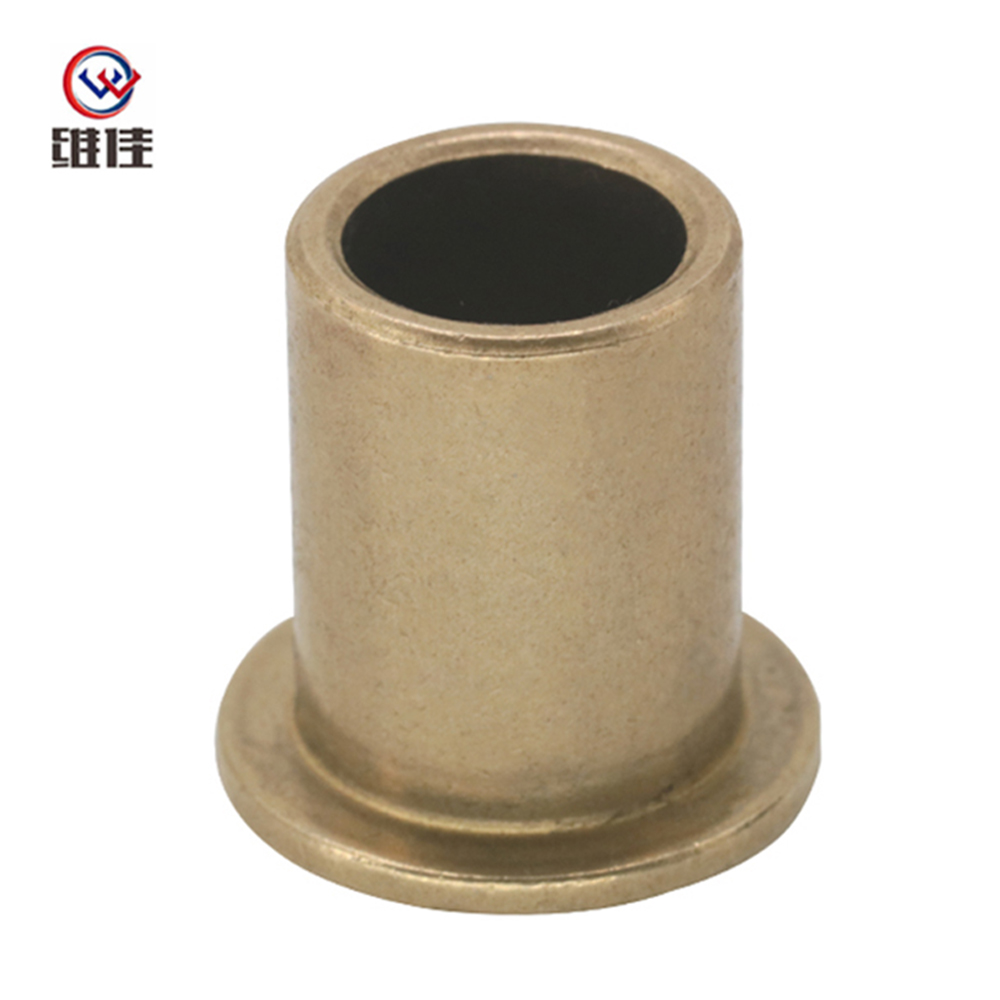
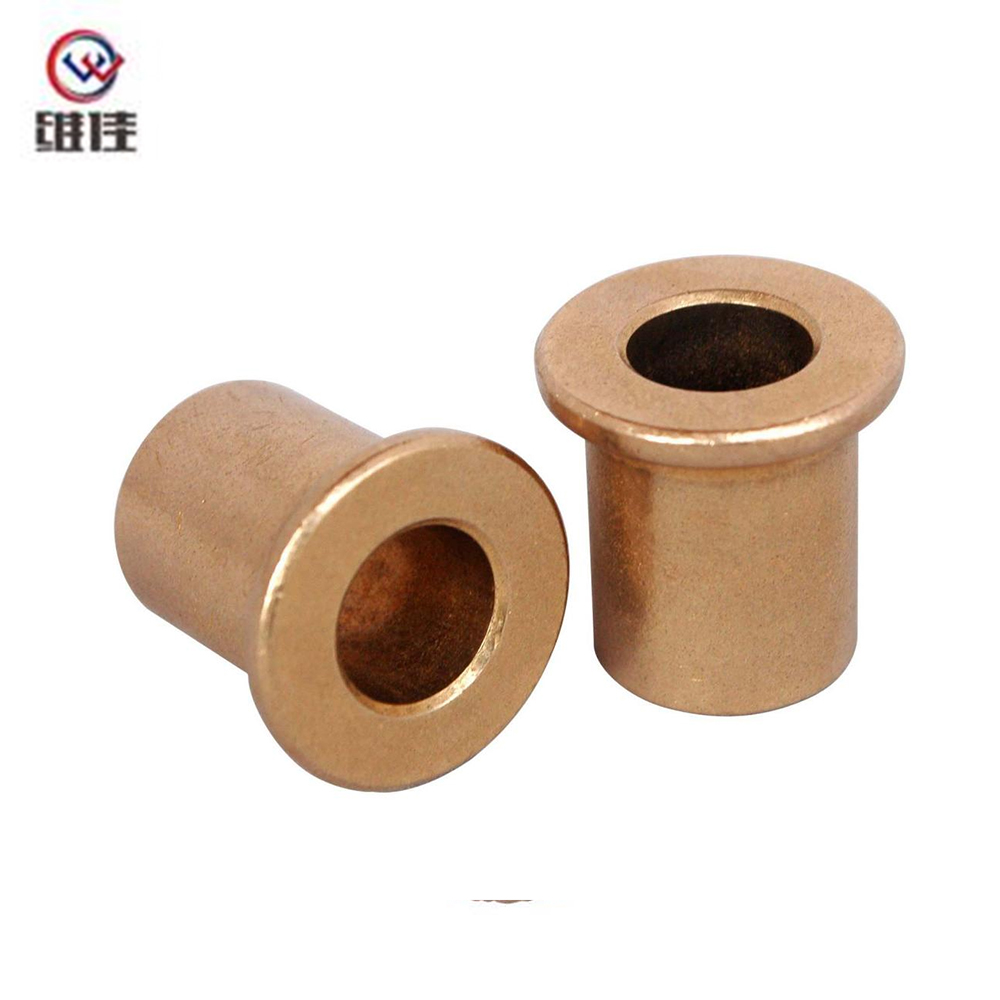
Our sintered bronze self-lubricating bearings are engineered for demanding industrial applications where traditional lubrication is impractical. Designed with advanced powder metallurgy technology, th...
See Details
Copyright © Jiande Welfine Technology Co., Ltd. All Rights Reserved. Privacy Custom Self-lubricating Sintered Bushing Manufacturers
