E-mail us: [email protected]
Tel: +86-15239857375
 English
 中文简体


 Home / Author / Shen Yiruo — Senior After-Sales Service Manager / CuSn10 Powder Metallurgy Bronze Bushing: Precision Self-Lubricating Performance for Demanding Applications
CuSn10 Powder Metallurgy Bronze Bushing: Precision Self-Lubricating Performance for Demanding Applications
 2026.10.26
 Shen Yiruo — Senior After-Sales Service Manager
Content
- 1 What Is a CuSn10 Powder Metallurgy Bronze Bushing?
- 2 Product Specification of the A0667 Bronze Bushing
- 3 Why CuSn10 Is Suitable for Bushing Applications
- 4 Advantages Over Conventional Bushing Materials
- 5 Advanced Powder Metallurgy Manufacturing Process
- 6 Quality Control from Powder to Finished Component
- 7 Manufacturing Strengths of Jiande Welfine Technology Co., Ltd.
- 8 Applications of CuSn10 Powder Metallurgy Bronze Bushings
- 9 How to Specify a Custom Sintered Bronze Bushing
- 10 Installation and Maintenance Recommendations
- 11 Why Powder Metallurgy Is Competitive for Mass Production
- 12 Comparison with Cast Bronze and Machined Bushings
- 13 Environmental and Resource Efficiency Considerations
- 14 Frequently Asked Questions
- 14.1 Can a CuSn10 powder metallurgy bushing operate without external lubrication?
- 14.2 Is the A0667 bushing suitable for high-speed rotating equipment?
- 14.3 What is the difference between an oil-impregnated bushing and a standard bronze sleeve?
- 14.4 Why is CuSn10 often selected instead of standard brass?
- 14.5 Can the bushing be customized according to a drawing?
- 14.6 Can small-batch prototypes be produced?
- 14.7 How does density affect bushing performance?
- 14.8 What causes premature wear in a sintered bronze bushing?
- 14.9 How should the bushing be installed?
- 14.10 Does the product require special packaging?
- 14.11 What certifications does the manufacturer maintain?
- 14.12 What information is needed for a quotation?
- 14.13 How quickly can a quotation be provided?
- 15 Conclusion
- 16 References
- 17 Product: Powder Metallurgy Bronze Bushing (A0667)
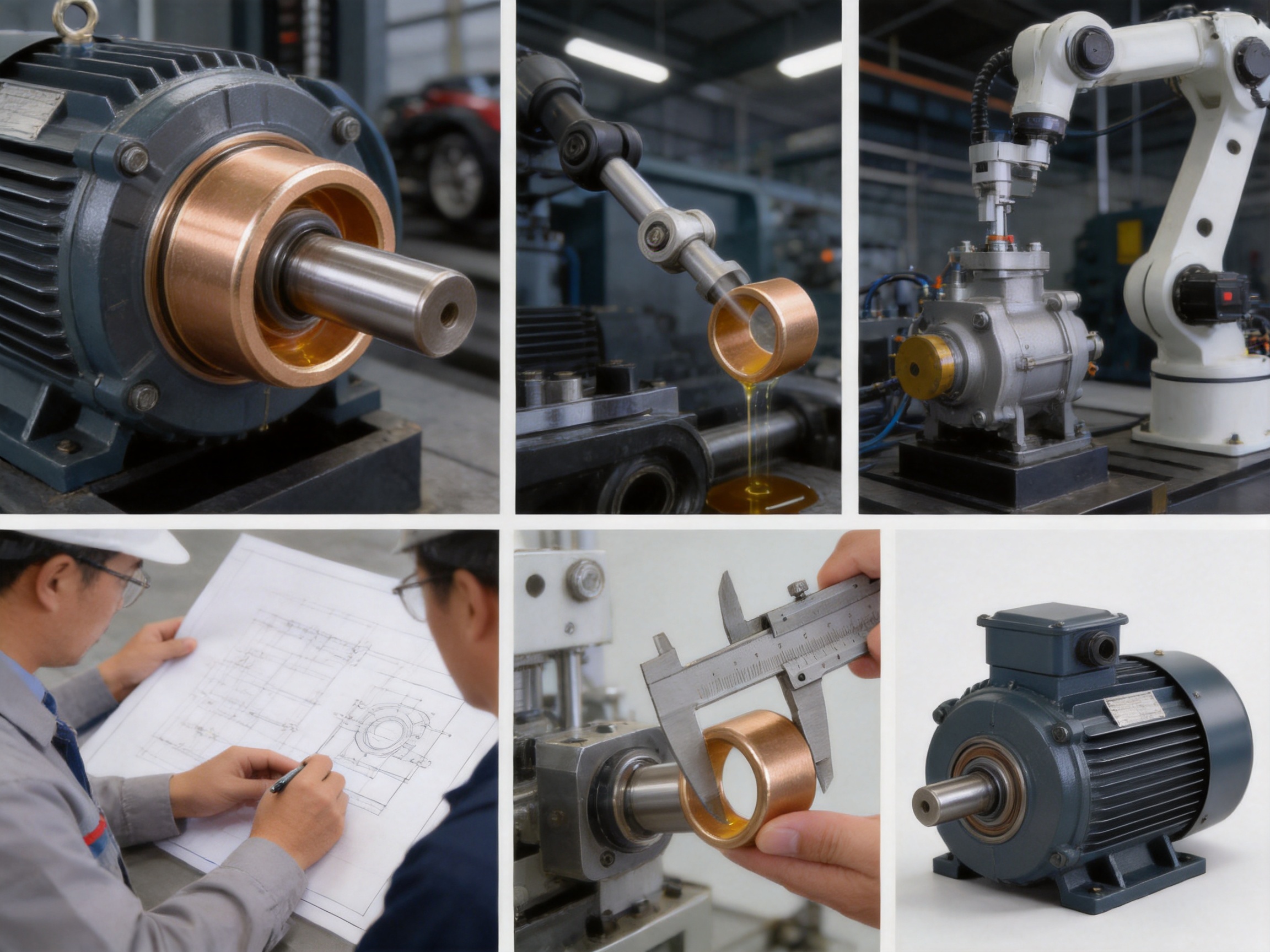
CuSn10 powder metallurgy bronze bushings are designed for machinery that requires dependable shaft support, controlled friction, dimensional consistency, and reduced maintenance. Manufactured from a copper-tin alloy containing approximately 10% tin, these bushings combine the strength and wear resistance of bronze with the oil-retaining capability of a controlled porous structure.
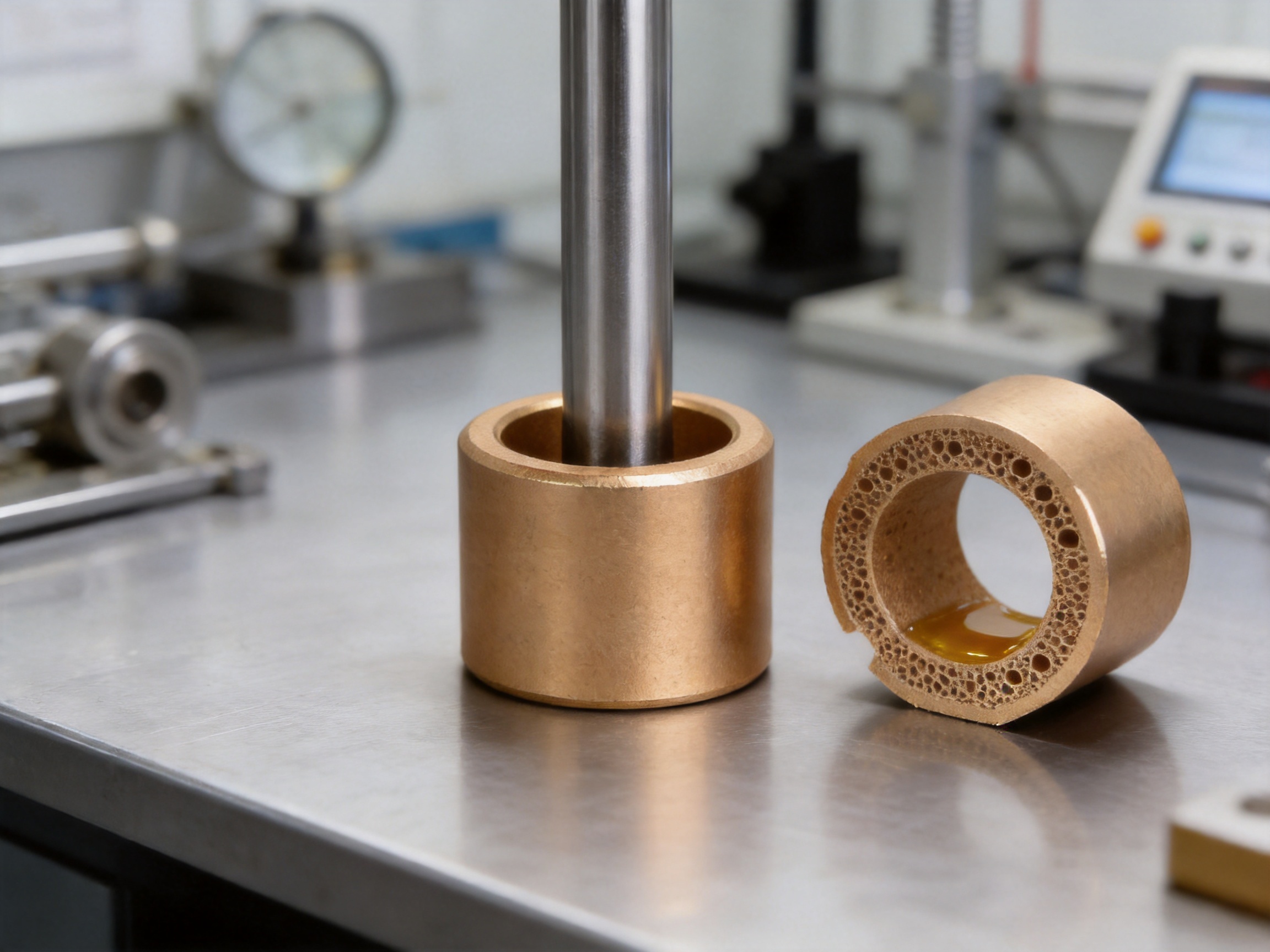
Unlike ordinary machined brass sleeves or conventional cast bronze bushings, a powder metallurgy bronze bushing can be engineered with a uniform network of microscopic pores. After sintering and sizing, the pores are impregnated with lubricating oil under vacuum. During operation, the retained oil gradually supports the formation of a lubricating film between the bushing and shaft. This reduces direct metal-to-metal contact and helps the component operate reliably over extended periods.
The A0667 product is a representative CuSn10 powder metallurgy bronze bushing manufactured for precision mechanical assemblies. Its nominal specification is 10G7 × 13s7 × 10 mm, with a 0.4 × 45° chamfer, a density of 5.7–5.8 g/cm³, a weight of approximately 3.36–3.41 g, and a concentricity requirement of no more than 0.05 mm. These characteristics make it suitable for compact assemblies in motors, automotive systems, hydraulic equipment, precision machinery, household appliances, and automated equipment.
Through an integrated process covering powder preparation, compaction, sintering, sizing, inspection, and vacuum oil impregnation, Jiande Welfine Technology Co., Ltd. provides customized sintered bushings for original equipment manufacturers, component suppliers, maintenance organizations, and industrial distributors. The company supports drawing-based and sample-based development, small-batch prototyping, and volume production.
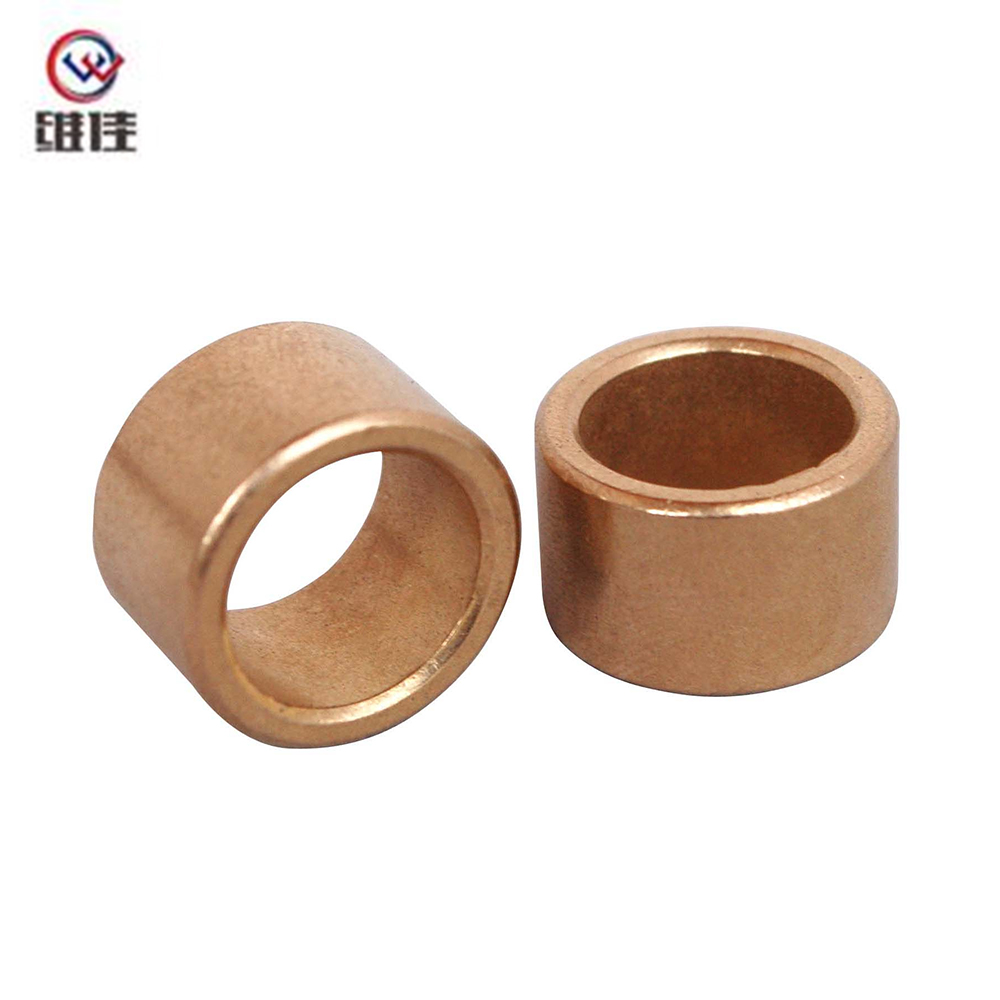
Powder Metallurgy Bronze Bushing (A0667)
What Is a CuSn10 Powder Metallurgy Bronze Bushing?
CuSn10 is a copper-based bronze material containing approximately 10% tin. Tin increases the hardness, wear resistance, and load-bearing performance of the copper matrix while preserving the thermal conductivity and machinability associated with copper alloys. When this material is processed using powder metallurgy, the final bushing gains an additional performance feature: controllable porosity.
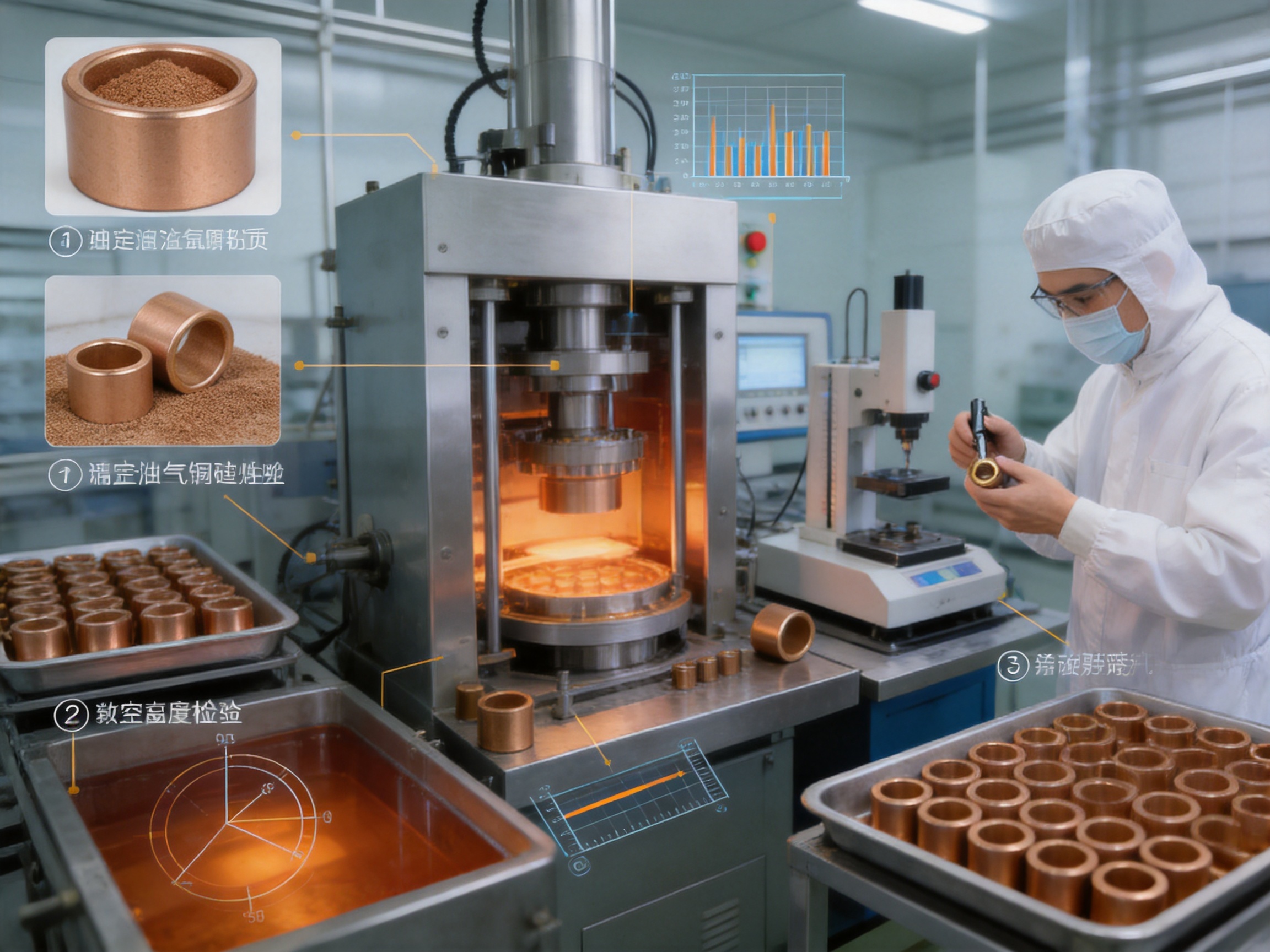
Powder metallurgy begins with carefully selected metal powders. The powder is blended according to the required material composition and performance targets. It is then compacted in a precision die to form a near-net-shape component. The compacted part has sufficient strength for handling but still contains the pore structure required for subsequent sintering and oil impregnation.
During sintering, the compact is heated in a controlled atmosphere. The particles bond together through diffusion, creating a mechanically stable bronze matrix. The sintering temperature and time influence density, strength, dimensional change, pore size, and oil retention. For the A0667 bushing, the specified sintering parameter is TCI 690 ± 30°C.
After sintering, sizing or precision forming may be used to improve dimensional accuracy. The bushing is then cleaned and impregnated with 46# mechanical oil in an 80°C vacuum environment. Vacuum treatment removes air from the pores, allowing oil to enter the internal pore network. Once the component returns to normal pressure, the oil remains distributed throughout the porous structure.
In service, frictional heat and shaft movement encourage a small quantity of oil to migrate toward the working surface. When the shaft stops, some of the oil can return into the pores. This dynamic oil-retention behavior is the foundation of self-lubricating performance.
Product Specification of the A0667 Bronze Bushing
The A0667 bushing is manufactured for compact precision assemblies where stable geometry and controlled internal clearance are important. Its specifications provide a practical reference for customers evaluating a replacement part or developing a customized design.
| Item | Specification |
| Product name | Powder Metallurgy Bronze Bushing |
| Product code | A0667 |
| Material | CuSn10 |
| Nominal specification | 10G7 × 13s7 × 10 mm |
| Chamfer | 0.4 × 45° |
| Weight | Approximately 3.36–3.41 g |
| Density | 5.7–5.8 g/cm³ |
| Concentricity | ≤0.05 mm |
| Sintering parameter | TCI 690 ± 30°C |
| Impregnation oil | 46# mechanical oil |
| Impregnation condition | 80°C vacuum environment |
The dimensions, density, weight, and concentricity values should be interpreted together. Dimensional accuracy ensures correct assembly, density influences strength and porosity, weight provides a useful production-control indicator, and concentricity affects shaft alignment and running stability.
The 0.4 × 45° chamfer is also functional rather than merely decorative. It reduces the risk of interference during insertion, helps protect the bushing edge, and assists assembly into a housing or component bore. In automated assembly lines, a consistent chamfer can contribute to more reliable insertion and fewer rejected parts.
Why CuSn10 Is Suitable for Bushing Applications
A bushing must manage several competing requirements. It should resist wear, support the shaft under load, maintain a low and stable friction level, dissipate heat, accommodate minor alignment variations, and remain dimensionally stable. No single material is ideal for every operating condition, but CuSn10 offers a balanced combination of properties for many medium-load and continuously operating applications.
Wear Resistance
The tin content in CuSn10 strengthens the copper matrix and improves resistance to surface damage. The material is suitable for repeated sliding contact, especially when the shaft surface, clearance, load, and lubrication conditions are properly matched.
Powder metallurgy further supports wear performance by producing a consistent material structure. When the bushing is correctly sintered, the bronze matrix distributes contact stresses more evenly than an inconsistent or poorly controlled porous structure. The oil retained in the pores also helps reduce adhesive wear caused by direct contact.
Load-Carrying Capability
CuSn10 bronze is stronger and more wear-resistant than many standard brass alternatives. This gives it a practical advantage in shaft-supporting applications where the bushing experiences radial loads, intermittent impact, or repeated start-stop cycles.
Actual load capacity depends on more than alloy composition. Operating speed, pressure distribution, shaft hardness, surface roughness, clearance, temperature, oil viscosity, and installation accuracy must all be considered. For this reason, a responsible bushing manufacturer evaluates the complete working condition instead of selecting material solely by nominal alloy name.
Self-Lubricating Behavior
The most important functional advantage of a sintered bronze bushing is its ability to retain oil within its porous structure. A conventional solid bronze sleeve normally requires an external lubrication system or periodic manual lubrication. A properly impregnated powder metallurgy bushing can release oil during operation and therefore reduce lubrication frequency.
Self-lubricating does not mean that the component is completely maintenance-free in every environment. High loads, excessive temperatures, contamination, improper shaft finish, or long periods of operation beyond the design conditions can still reduce service life. However, the oil-impregnated structure can substantially lower routine maintenance requirements under suitable conditions.
Thermal Conductivity and Heat Dissipation
Copper-based alloys generally provide better thermal conductivity than many iron-based bearing materials. This helps transfer frictional heat away from the sliding interface. Effective heat management is particularly useful in rotating equipment, compact motors, household appliances, and mechanisms with limited cooling space.
Thermal performance still depends on housing design, shaft speed, contact pressure, environmental temperature, and the condition of the oil film. The bushing should therefore be assessed as part of the complete mechanical assembly.
Corrosion Resistance
CuSn10 offers useful resistance to corrosion in many ordinary industrial environments. This makes it suitable for components exposed to humidity, moderate industrial contamination, and occasional contact with common fluids. The exact corrosion performance depends on the chemical environment, temperature, fluid composition, and exposure duration.
Where the bushing will operate in aggressive chemicals, saltwater, specialized hydraulic fluids, or high-humidity environments, application-specific material validation is recommended before mass production.
Advantages Over Conventional Bushing Materials
Customers commonly compare CuSn10 powder metallurgy bushings with brass bushings, solid machined bronze sleeves, cast bronze bushings, and polymer-based alternatives. Each material category has appropriate applications, but the sintered CuSn10 design offers a distinctive combination of precision, oil retention, production efficiency, and customization.
| Performance factor | CuSn10 powder metallurgy bronze | Standard brass | Conventional solid bronze | Polymer bushing |
| Wear resistance | High | Moderate | High | Application-dependent |
| Oil retention | Excellent after impregnation | Low | Usually low unless externally lubricated | Not normally oil-retaining |
| Dimensional consistency in volume production | Very high | High | High, but machining-intensive | High when molded correctly |
| Material utilization | High | Moderate | Lower when machined from bar stock | High |
| Maintenance requirement | Low under suitable conditions | Often requires lubrication | Often requires lubrication | Usually low |
| Temperature capability | Good within design limits | Good within design limits | Good within design limits | Depends strongly on polymer grade |
| Customization for compact shapes | Strong | Strong | Strong | Strong |
Compared with standard brass, CuSn10 offers improved wear resistance, load capacity, and oil retention. Compared with a machined solid bronze bushing, it can provide internal lubrication without requiring a separate grease groove or frequent relubrication. Compared with a cast component, powder metallurgy can provide more consistent dimensions and efficient repeat production for small precision parts.
Polymer bushings can be advantageous where electrical insulation, low weight, chemical resistance, or completely dry operation is required. However, polymer performance can be affected by temperature, creep, moisture absorption, and pressure-velocity limits. CuSn10 is often selected when a metallic bushing with strong dimensional stability, heat dissipation, and oil-retaining behavior is preferred.
Advanced Powder Metallurgy Manufacturing Process
The performance of a self-lubricating bushing depends heavily on manufacturing discipline. Material composition alone cannot guarantee reliability. The pore structure, density distribution, dimensions, surface condition, oil content, and concentricity must all be controlled through a coordinated production process.
1. Raw Material Selection and Inspection
Production begins with copper-based powder and tin-containing alloying ingredients selected for chemical consistency and suitable particle characteristics. Each batch of powder should be inspected for composition, particle size, flow behavior, and other relevant characteristics before release to production.
Consistent powder quality supports stable filling of the die cavity. It also improves repeatability in green density, sintered density, shrinkage, strength, and porosity. Inadequate raw material control can create variations that are difficult to correct during later operations.
Jiande Welfine Technology Co., Ltd. applies raw material inspection procedures to verify the composition and particle size of copper-based powders. The company identifies material compliance with applicable internal and customer requirements before the material enters the production process.
2. Powder Blending
The selected powders are blended to achieve the required CuSn10 composition and processing behavior. The blending operation must produce a homogeneous mixture without excessive segregation. Depending on the product design, suitable processing aids may be used to improve flow, die filling, and ejection.
Stable blending is essential for small bushings because even a minor composition or density variation may affect weight, hardness, oil absorption, wear behavior, and dimensional change. Process records and controlled mixing conditions help maintain batch-to-batch consistency.
3. Precision Compaction
In compaction, the prepared powder is placed into a precisely manufactured die and compressed under controlled pressure. The die forms the outer diameter, inner diameter, length, and other geometric features of the bushing.
Compaction parameters influence the distribution of density throughout the part. If the density varies excessively between the inner and outer regions, the component may experience uneven shrinkage or inconsistent mechanical behavior during sintering. Tooling design, powder flow, press settings, filling height, and ejection control are therefore important.
High-efficiency presses and precision forming equipment support repeatable production. The objective is to create a green compact with adequate handling strength and a controlled pore structure while maintaining the required geometry.
4. Controlled Sintering
The green compact is heated in a controlled sintering furnace. At the specified temperature range, the powder particles bond through solid-state diffusion. The part gains strength and develops the stable bronze matrix required for service.
Sintering atmosphere, temperature uniformity, heating rate, holding time, cooling rate, and furnace loading can all affect final performance. Excessive sintering may reduce porosity and oil-retention capacity, while insufficient sintering may result in inadequate strength and poor wear resistance.
The A0667 bushing uses a sintering parameter of TCI 690 ± 30°C. This parameter is controlled in relation to the selected powder composition, component geometry, density target, and required functional performance.
5. Sizing and Precision Forming
After sintering, sizing can be used to improve dimensional accuracy and stabilize the inner and outer diameters. This operation is especially useful when the finished bushing must fit a controlled housing bore and maintain a defined running clearance with the shaft.
For precision components, the sizing die, forming force, part temperature, and inspection method must be carefully managed. The process helps maintain the specified dimensional tolerance and concentricity while avoiding unnecessary damage to the porous structure.
6. Cleaning Before Oil Impregnation
Before oil impregnation, the bushing must be cleaned to remove loose powder, processing residue, and surface contaminants. A clean surface supports consistent oil absorption and helps prevent unwanted oil stains or contamination during packaging.
Cleaning is also important for assembly quality. Residual particles may interfere with the fit between the bushing and housing, damage the shaft surface, or contaminate nearby components. The cleaning method is selected according to the material, geometry, and customer requirements.
7. Vacuum Oil Impregnation
The cleaned bushings are immersed in 46# mechanical oil in an 80°C vacuum environment. Vacuum treatment removes air from the internal pores and creates conditions for the oil to penetrate the porous structure.
The impregnation cycle includes controlled heating, vacuum application, immersion, and pressure recovery. The components are held for an appropriate period, with the supplied process description specifying a 20-minute immersion stage. After impregnation, excess oil is removed from the external surface so that the product is clean and suitable for handling and packaging.
Consistent oil impregnation is a key differentiator between a reliable self-lubricating bushing and an ordinary porous metal component. The oil must be distributed throughout the usable pore network rather than remaining only on the surface.
8. Final Inspection and Packaging
Finished bushings undergo dimensional inspection and appropriate sampling tests. Inspection may include inner diameter, outer diameter, length, chamfer, concentricity, weight, density, hardness, surface condition, and other customer-defined requirements.
The supplied quality program includes 100% full-dimension inspection, with sampling tests for density, hardness, and wear resistance. Products with mismatched dimensions or materials are prevented from entering shipment.
After inspection, the parts are packaged in a clean condition to prevent contamination, deformation, and oil leakage during transportation. Packaging can be adapted to the product quantity, shipping method, and customer assembly process.
Quality Control from Powder to Finished Component
Quality control for powder metallurgy bushings must cover the entire manufacturing chain. Inspecting only the final dimensions is not sufficient because internal density distribution, porosity, oil content, and sintering quality can directly influence service life.
Raw Material Quality
Raw material inspection confirms that the powder composition and particle-size distribution are suitable for the required CuSn10 performance. Controlled material preparation reduces the risk of inconsistent density, unexpected shrinkage, poor sintering, or unstable oil retention.
Process Inspection
First-article inspection is performed after process setup or major tooling changes. The first approved parts provide evidence that the compaction, sintering, sizing, and finishing conditions are producing the required geometry and material characteristics.
Online dimension monitoring helps identify process drift before a large quantity of defective parts is produced. Monitoring can include critical diameters, length, weight, and other dimensions defined by the drawing or quality plan.
Final Inspection
Final inspection verifies that the finished bushings meet the agreed technical requirements. For precision applications, dimensional measurements should be taken using calibrated equipment under controlled inspection conditions.
Density measurements help confirm the relationship between material strength and pore volume. Hardness testing provides an indication of matrix condition. Wear testing or application-specific validation can help confirm that the bushing is appropriate for the expected load, speed, and lubrication conditions.
Management System and Automotive Experience
Jiande Welfine Technology Co., Ltd. operates under ISO 9001:2015 and IATF 16949:2016 quality management certifications. These systems support documented procedures, traceability, corrective action, process control, and continuous improvement.
IATF 16949:2016 experience is particularly relevant for customers in the automotive sector because automotive supply chains require strict control of product conformity, production consistency, change management, and delivery performance. The same disciplined approach can benefit customers in industrial machinery, motors, hydraulic equipment, and automated systems.
Manufacturing Strengths of Jiande Welfine Technology Co., Ltd.
Established in 2001, Jiande Welfine Technology Co., Ltd. is a high-tech enterprise specializing in powder metallurgy sintering and related precision machining. The company focuses on powder metallurgy bushings, self-lubricating bearings, and precision sintered components for industrial customers.
The company operates a modern production base covering approximately 13,039 square meters and employs more than 150 skilled personnel. Its equipment includes high-efficiency presses, high-temperature sintering furnaces, precision forming machines, and inspection equipment.
This combination of engineering experience, production capacity, and inspection capability allows Welfine to support both standard products and customized components. Customers can provide drawings, samples, material requirements, performance targets, or application information for technical evaluation.
Engineering and Customization Capability
Different applications require different combinations of density, porosity, hardness, dimensional tolerance, oil type, and surface finish. A bushing for a small household appliance may prioritize compact size and low friction, while an automotive or hydraulic component may require higher load capacity, improved impact resistance, or more demanding dimensional control.
Welfine can adjust the product design and process plan according to the customer’s application. Customization may include inner and outer diameter, length, chamfer geometry, material grade, density range, oil impregnation requirements, packaging, and inspection standards.
The company supports small-batch prototyping as well as mass production. Prototyping enables customers to validate assembly, friction behavior, noise, temperature, and service life before committing to a large production program. Once the design is approved, controlled tooling and process documentation support repeat manufacturing.
Integrated Production
An integrated production process reduces communication gaps between powder preparation, compaction, sintering, sizing, impregnation, inspection, and packaging. It also makes it easier to trace process conditions and respond to customer feedback.
For international customers, a single manufacturing partner can simplify technical communication, quality coordination, order management, and after-sales support. This is particularly valuable when the bushing is a critical component in a larger assembly.
Production and Delivery Support
For standard orders, the stated delivery period is generally 7–15 working days, depending on quantity, tooling, inspection requirements, and production scheduling. Urgent orders may be evaluated for priority production.
International delivery can be arranged by express service, air freight, or sea freight. Packaging and logistics planning can be adjusted for sample shipments, small batches, regular production orders, and export requirements.
Applications of CuSn10 Powder Metallurgy Bronze Bushings
Automotive Engine and Chassis Components
Automotive mechanisms use bushings in linkages, actuators, hinges, transmission-related structures, and chassis components. These locations may experience vibration, repeated movement, intermittent loads, and limited access for routine lubrication.
A CuSn10 oil-impregnated bushing can reduce the need for frequent lubrication while maintaining a stable sliding interface. Dimensional accuracy is important because excessive clearance may produce noise and vibration, while insufficient clearance may cause seizure or high friction.
Electric Motors
Electric motor bushings support rotating shafts and must operate with controlled friction and heat generation. The oil-retaining structure can support long operating periods, while copper-based thermal conductivity helps manage heat at the sliding interface.
Motor applications require careful consideration of shaft speed, shaft hardness, radial load, starting frequency, and operating temperature. The bushing should be matched to the motor design rather than selected solely by nominal dimensions.
Hydraulic Pumps and Valve Assemblies
Hydraulic components often require precise guidance and stable movement. Bushings may be used in pump mechanisms, valve groups, actuators, and supporting structures. Dimensional control and resistance to wear are essential because internal leakage, misalignment, or excessive play may affect system performance.
Before using an oil-impregnated bushing in a hydraulic environment, compatibility between the impregnation oil and the hydraulic medium should be evaluated. The operating pressure, temperature, fluid contamination, and sliding speed should also be considered.
Precision Machine Tools
Machine tools require accurate positioning and stable motion. A precision bushing can help guide shafts, pins, linkages, and rotating elements. The specified concentricity of the A0667 product is no more than 0.05 mm, supporting applications where controlled alignment is important.
Machine-tool designers should evaluate thermal expansion, assembly tolerance, shaft surface finish, and the effects of coolant or cutting-fluid exposure. Custom material and impregnation options may be considered when the working environment is more demanding than standard industrial conditions.
Household Appliances
Fans, refrigerators, washing machines, small motors, and other household appliances often contain compact rotating or oscillating mechanisms. These products require economical components that can operate quietly and consistently with minimal service intervention.
Powder metallurgy is well suited to high-volume production because it offers high material utilization and repeatable geometry. The A0667 bushing format, or a customized version based on the appliance design, can support compact transmission structures and motor assemblies.
Agricultural and Construction Machinery
Agricultural and construction machinery often operates under vibration, dust, shock loads, and frequent start-stop conditions. These environments place high demands on wear resistance and structural reliability.
CuSn10 bronze can provide a practical balance between load capacity and wear resistance. However, external contamination should be controlled wherever possible. Seals, protective covers, correct shaft fit, and proper installation can significantly extend bushing life in contaminated environments.
Automation and Intelligent Manufacturing Equipment
Automation equipment depends on repeatable motion and low maintenance. Bushings may be installed in robotic mechanisms, linear actuators, indexing systems, grippers, and guided motion assemblies.
Consistent dimensions and low friction support predictable movement. For high-cycle applications, customers should provide information about duty cycle, acceleration, load direction, speed, and environmental temperature so that the bushing design can be properly evaluated.
How to Specify a Custom Sintered Bronze Bushing
Customers requesting a custom bushing should provide as much application information as possible. A technical drawing is ideal, but a sample part and application description may also be sufficient for an initial assessment.
| Required information | Why it matters |
| Inner diameter and outer diameter | Determines shaft fit, housing fit, and wall thickness |
| Finished length | Controls axial support and assembly position |
| Material grade | Influences strength, wear resistance, conductivity, and corrosion behavior |
| Load | Determines required mechanical capacity and contact stress |
| Rotational or sliding speed | Affects heat generation and oil-film stability |
| Operating temperature | Influences oil viscosity, dimensional change, and service life |
| Shaft material and surface finish | Affects friction, wear, and compatibility |
| Housing material and tolerance | Determines installation fit and heat transfer |
| Lubrication conditions | Clarifies whether oil impregnation or additional lubrication is required |
| Environmental conditions | Identifies risks from dust, moisture, chemicals, or vibration |
| Annual quantity and batch size | Supports tooling and production planning |
The drawing should identify critical dimensions, tolerances, chamfers, surface requirements, inspection points, and any special packaging instructions. If the component replaces an existing bushing, information about its failure mode is also valuable. Premature wear, noise, seizure, oil leakage, deformation, or loose fit may indicate different corrective actions.
Material and Density Selection
CuSn10 is a strong starting point for many bronze bushing applications, but the ideal density and pore structure depend on the operating conditions. Higher density may improve strength, while sufficient porosity is necessary for oil retention. The correct balance should be determined through engineering analysis and, where appropriate, application testing.
Clearance and Installation
Correct clearance is essential. If clearance is too small, thermal expansion or shaft misalignment may cause friction and seizure. If clearance is too large, the assembly may develop vibration, noise, uneven wear, and reduced positioning accuracy.
The housing bore should be clean, round, and within the specified tolerance. The shaft should have a suitable surface finish and hardness. Press-fitting the bushing with inappropriate force or using an unaligned tool can deform the component and compromise concentricity.
Operating Limits
Customers should identify the maximum load, speed, temperature, and duty cycle. A bushing used for continuous rotation at moderate load may require a different design from one used for slow oscillation with high impact. The same nominal bushing size may therefore have different performance limits in different applications.
Installation and Maintenance Recommendations
Although oil-impregnated bushings are designed to reduce maintenance, correct installation remains essential for reliable service.
Before Installation
Inspect the bushing, shaft, and housing for burrs, damage, corrosion, and contamination. Confirm that the dimensions and material correspond to the assembly drawing. Do not install a bushing with visible cracks, deformation, severe surface damage, or incorrect dimensions.
Check that the shaft is straight and that its surface finish is appropriate. A rough or damaged shaft can rapidly wear the bushing and disturb the oil film. The housing should be properly aligned and free from debris.
During Installation
Use a suitable mandrel or fixture that applies force evenly around the bushing. Do not hammer directly on the finished edge. Excessive or uneven installation force can distort the inner diameter and reduce concentricity.
Align the bushing with the housing bore before pressing. If the assembly includes multiple bushings, verify that their axes are aligned. Misalignment can create edge loading and localized wear even when the individual parts meet their dimensional specifications.
During Operation
Protect the bushing from excessive dust, abrasive particles, water ingress, and incompatible chemicals. Monitor abnormal noise, temperature rise, vibration, shaft play, or changes in operating torque. These symptoms may indicate insufficient clearance, contamination, misalignment, overloading, or shaft damage.
Additional lubrication should only be introduced when it is compatible with the impregnated oil and the application. Excessive or incompatible lubricant may attract contaminants or alter the intended friction behavior.
Maintenance Inspection
Periodic inspection is recommended for high-load, high-speed, high-temperature, or safety-critical applications. The inspection interval should be based on operating hours, duty cycle, environmental conditions, and previous service experience.
In normal applications, the oil-retaining structure can significantly reduce maintenance frequency. Nevertheless, self-lubrication should not be treated as a substitute for basic equipment inspection and correct operating practices.
Why Powder Metallurgy Is Competitive for Mass Production
Powder metallurgy offers several economic and technical advantages when a bushing is produced in medium or high quantities. The near-net-shape process reduces the amount of material removed compared with machining a component from solid bar stock. This improves material utilization and can reduce production waste.
Once the tooling is qualified, the process can produce large quantities with consistent geometry. Compaction also allows certain features to be formed directly, reducing the need for extensive secondary machining.
For small parts such as the A0667 bushing, the weight is only approximately 3.36–3.41 g. Producing such parts from solid material through conventional machining could require multiple operations and generate substantial scrap. Powder metallurgy uses the powder more efficiently and provides an economical route to repeatable production.
The process is also adaptable. Tooling can be developed for different diameters, lengths, grooves, chamfers, steps, and other features. Depending on the design, customers may obtain a customized component without investing in a highly complex machining sequence.
Cost efficiency should always be evaluated over the entire product life cycle. A bushing with a slightly higher purchase price may provide lower maintenance expense, fewer replacements, reduced downtime, and more stable equipment performance.
Comparison with Cast Bronze and Machined Bushings
Cast bronze bushings remain useful for large components, high-load applications, and designs requiring specialized cast alloys. However, casting may involve material variation, machining allowances, and more extensive post-processing. For small precision bushings, powder metallurgy can offer improved repeatability and lower material waste.
Machined bronze bushings can achieve excellent dimensional accuracy and are useful for prototypes or low-volume production. However, machining from bar stock may involve longer cycle times, higher material consumption, and a separate lubrication solution. An oil-impregnated sintered bushing integrates the porous lubrication function into the material structure.
Powder metallurgy is not automatically the best choice for every bushing. Very large diameters, unusual geometries, extremely high impact loads, or specialized chemical environments may favor other technologies. A competent manufacturer should evaluate the complete application before recommending the process.
Environmental and Resource Efficiency Considerations
Powder metallurgy can contribute to efficient material usage because components are produced close to their final shape. Reduced machining also means less cutting waste and fewer secondary operations. For high-volume production, these benefits can support a lower material footprint per component.
Longer service life also has an environmental benefit. When a bushing lasts longer and requires less lubricant and fewer replacement operations, the overall consumption of material, energy, packaging, and transportation may be reduced.
Environmental performance depends on the complete production system, including powder manufacturing, electricity consumption, furnace efficiency, oil handling, packaging, and logistics. Customers with specific sustainability targets may request additional information about materials, process control, packaging, and production practices.
Frequently Asked Questions
Can a CuSn10 powder metallurgy bushing operate without external lubrication?
Under suitable operating conditions, an oil-impregnated CuSn10 bushing can operate without frequent external lubrication because oil is stored in its internal pores and released during operation. It is still advisable to inspect the component periodically, especially when it operates under high load, high speed, high temperature, contamination, or frequent impact.
Is the A0667 bushing suitable for high-speed rotating equipment?
The A0667 bushing can be considered for many medium- and high-speed applications, provided that the load, speed, clearance, shaft surface, temperature, and oil behavior are within the design limits. The actual operating conditions should be reviewed before approval for continuous high-speed service.
What is the difference between an oil-impregnated bushing and a standard bronze sleeve?
An oil-impregnated bushing contains a controlled porous structure that stores lubricating oil. A standard solid bronze sleeve normally does not contain this oil-retaining network and may require grease, oil grooves, or periodic external lubrication. The oil-impregnated design can reduce maintenance and simplify equipment construction.
Why is CuSn10 often selected instead of standard brass?
CuSn10 generally provides better wear resistance and load-bearing performance than standard brass in many sliding applications. Its powder metallurgy structure also offers oil retention, which is a major advantage for self-lubricating bushings.
Can the bushing be customized according to a drawing?
Yes. Jiande Welfine Technology Co., Ltd. provides OEM and ODM manufacturing based on customer drawings, samples, and technical requirements. Customization may include dimensions, material, density, chamfer, oil type, inspection standard, packaging, and production quantity.
Can small-batch prototypes be produced?
Small-batch prototyping is supported. Prototype production allows customers to verify assembly fit, running noise, friction, temperature, wear, and service life before moving to mass production.
How does density affect bushing performance?
Density affects mechanical strength, wear resistance, oil retention, and dimensional stability. Excessively low density may reduce strength, while excessively high density may reduce the pore volume available for oil storage. The appropriate density range depends on the intended operating conditions.
What causes premature wear in a sintered bronze bushing?
Common causes include excessive load, unsuitable shaft hardness or roughness, inadequate clearance, misalignment, contamination, overheating, incompatible lubrication, poor installation, or operation beyond the intended speed and duty cycle. A failure analysis should consider the complete shaft, housing, load, environment, and lubrication system.
How should the bushing be installed?
The housing and shaft should be cleaned and inspected before installation. A suitable mandrel should apply even force, and the bushing should be aligned with the housing bore. Direct hammering, excessive force, burrs, and angular insertion should be avoided because they can deform the bushing and reduce concentricity.
Does the product require special packaging?
Clean and protective packaging is recommended to prevent contamination, deformation, and oil leakage during transportation. Packaging can be customized according to quantity, international shipping method, customer handling requirements, and automated assembly needs.
What certifications does the manufacturer maintain?
Jiande Welfine Technology Co., Ltd. operates under ISO 9001:2015 and IATF 16949:2016 quality management certifications. These systems support documented production controls, inspection procedures, traceability, and continuous improvement.
What information is needed for a quotation?
Customers should provide a drawing or sample whenever possible. Additional information such as material, dimensions, tolerances, quantity, application, load, speed, temperature, shaft details, housing details, inspection requirements, and delivery destination helps the manufacturer prepare a precise quotation and technical recommendation.
How quickly can a quotation be provided?
After receiving complete technical information, the stated quotation response time is within 24 hours. The final price and lead time depend on product complexity, tooling, quantity, material, inspection requirements, and production scheduling.
Conclusion
The CuSn10 powder metallurgy bronze bushing is a practical solution for equipment requiring wear resistance, stable dimensions, low maintenance, and reliable sliding performance. Its copper-tin alloy provides a balanced metallic matrix, while the controlled porous structure stores lubricating oil and supports self-lubricating operation.
The A0667 bushing demonstrates how compaction, sintering, sizing, precision inspection, and vacuum oil impregnation can be combined to produce a compact component with controlled geometry and dependable service characteristics. Its 10G7 × 13s7 × 10 mm specification, 0.4 × 45° chamfer, 5.7–5.8 g/cm³ density, and concentricity of no more than 0.05 mm make it suitable for a range of precision assemblies.
Compared with ordinary brass, the product offers improved wear and load performance. Compared with conventional solid bronze sleeves, it provides integrated oil retention. Compared with heavily machined parts, it offers efficient material utilization and strong repeat-production capability.
Jiande Welfine Technology Co., Ltd. strengthens this product advantage through more than two decades of powder metallurgy experience, a 13,039-square-meter production base, specialized presses and sintering furnaces, precision forming equipment, documented quality systems, and customized OEM and ODM support. From raw material inspection to final dimension verification, the manufacturing process is structured to deliver stable and repeatable sintered components.
For customers developing automotive components, electric motors, hydraulic systems, machine tools, appliances, agricultural machinery, construction equipment, or automation assemblies, a drawing-based technical evaluation is the best starting point. By matching the material, density, geometry, clearance, oil impregnation, and inspection standard to the working condition, the CuSn10 powder metallurgy bronze bushing can provide long service life and dependable performance in demanding mechanical applications.
References
1. ISO 9001:2015, Quality Management Systems — Requirements.
2. IATF 16949:2016, Quality Management System Requirements for Automotive Production and Relevant Service Parts Organizations.
3. ASM Handbook, Volume 7, Powder Metal Technologies and Applications.
4. Powder Metallurgy Design Manual, principles of compaction, sintering, density control, and dimensional accuracy.
5. Standard engineering references for plain bearings, self-lubricating bushings, sliding contact, and oil-impregnated sintered materials.
6. Manufacturer-provided product specifications and process information for the A0667 CuSn10 powder metallurgy bronze bushing.
Product: Powder Metallurgy Bronze Bushing (A0667)

Related products
-
-
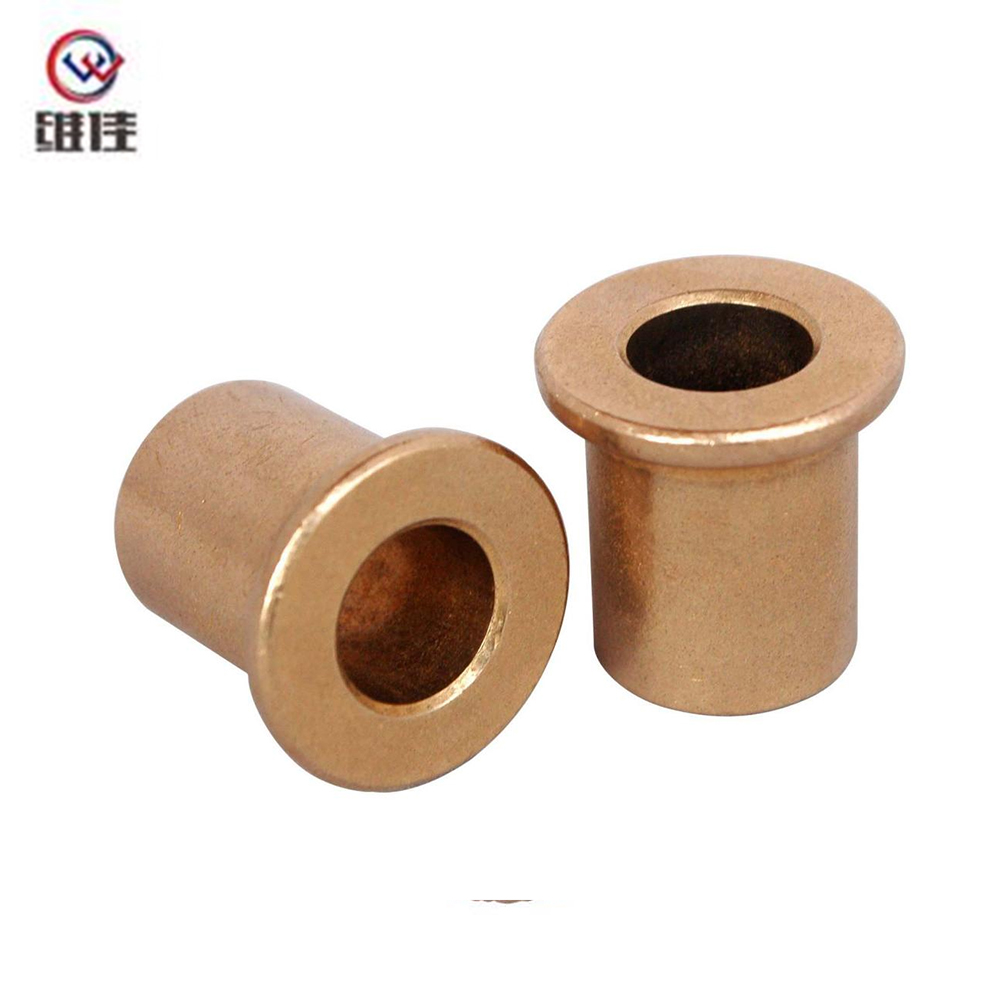
This copper-based powder metallurgy bushing is manufactured through an integrated process of compaction, sintering, sizing, and oil impregnation. It features excellent wear resistance and self-lubrica...
See Details -
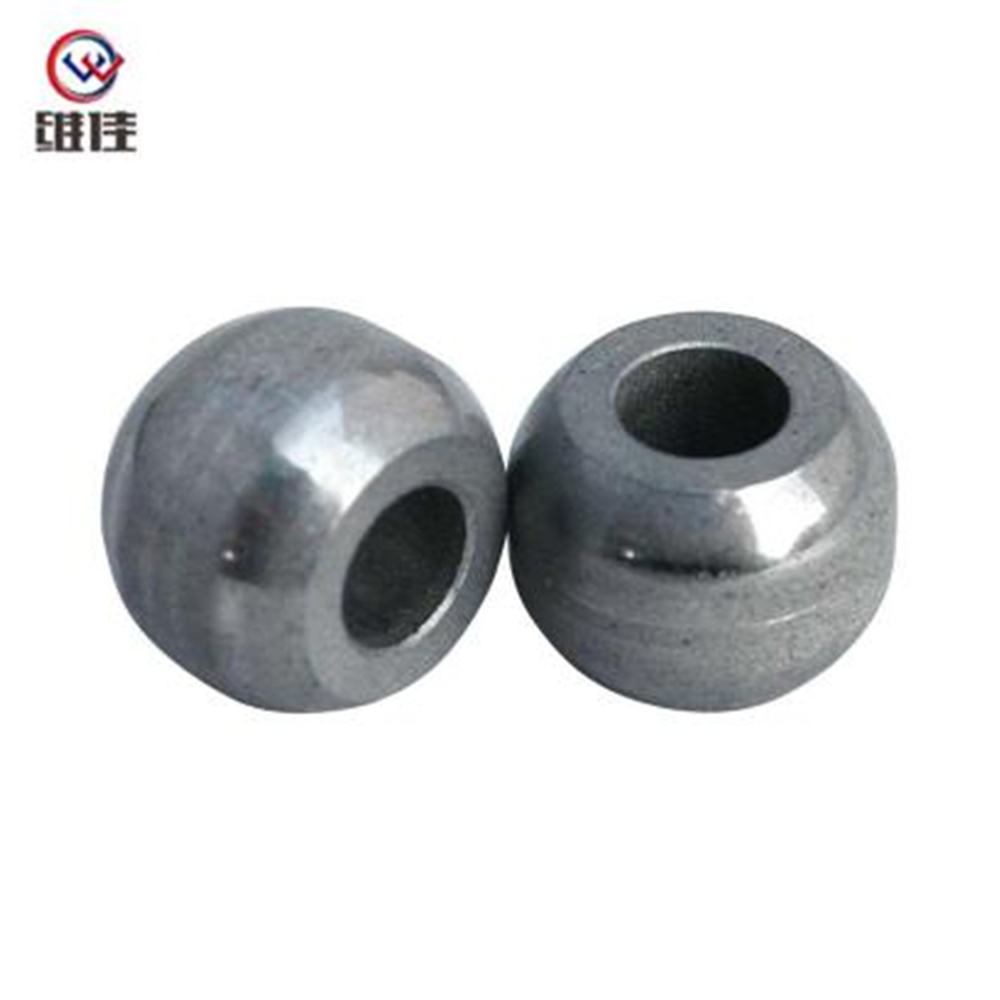
Product Description: High-precision powder metallurgy part (S14*7*10) made of iron material from Jiande Wefine, customized PM components with strict tolerance control.
See Details -
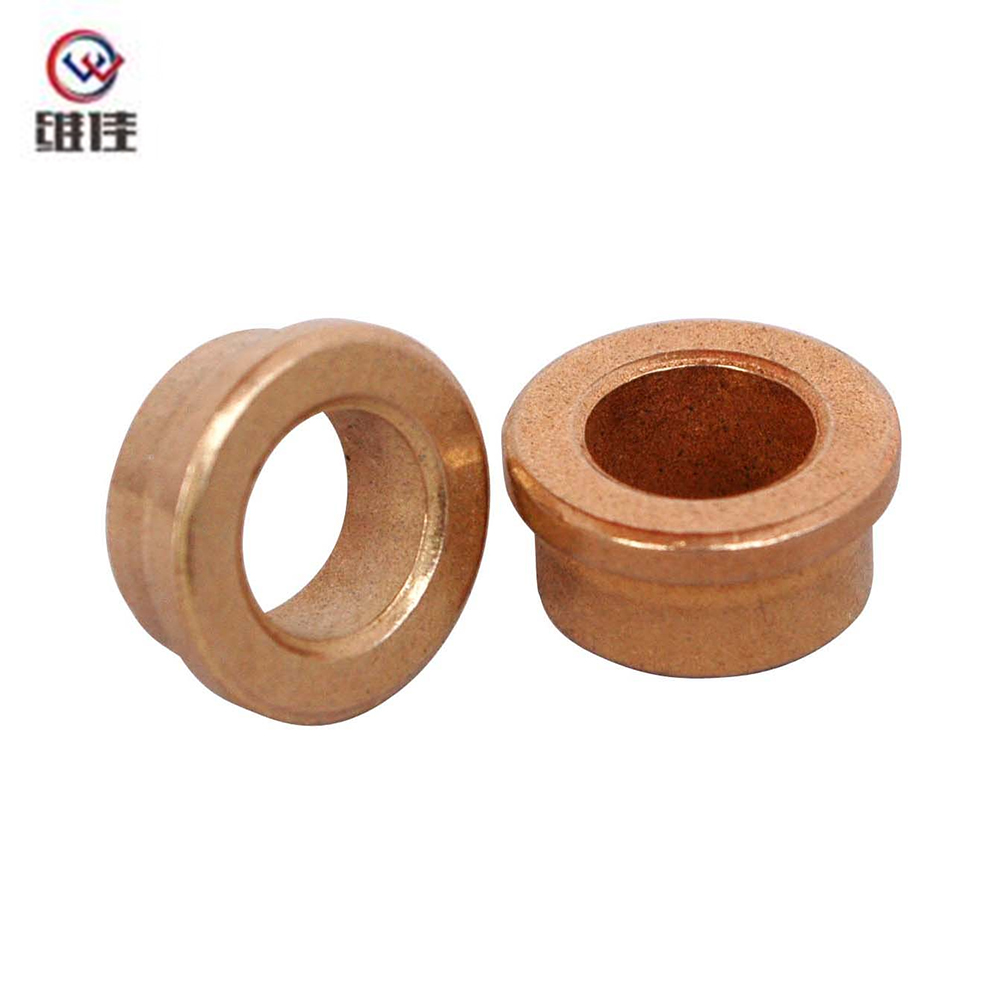
Premium Material: Our flange bushing is crafted from Sint B50 oil-impregnated bronze, featuring an 18% oil content. The high-quality tin bronze material ensures exceptional hardness, wear resistance, ...
See Details
Copyright © Jiande Welfine Technology Co., Ltd. All Rights Reserved. Privacy Custom Self-lubricating Sintered Bushing Manufacturers
