E-mail us: [email protected]
Tel: +86-15239857375
 English
 中文简体


 Home / News / Industry News / SAE 841 vs. Sint B50 Bronze Bushings: Specification & Substitution Guide
SAE 841 vs. Sint B50 Bronze Bushings: Specification & Substitution Guide
 2026.11.09
 Industry News
When engineers select bronze bushings for self-lubricating applications, they often encounter two familiar material names: SAE 841 and Sint B50. Both are sintered bronze alloys impregnated with oil, both are used in bearings and structural parts, and both are often considered interchangeable. Yet subtle differences in standards, chemistry, and dimensional control can affect how they perform in a specific housing. In this specification and substitution guide, we share our perspective as a powder-metallurgy manufacturer, compare the two materials in detail, and provide a practical framework for your next project.
What Is the SAE 841 Bronze Bushing?
SAE 841 is a widely adopted American specification for oil-impregnated sintered bronze. It is made by compacting and sintering a copper-tin powder mixture, normally with a small addition of graphite, to create a porous structure. The pores are then saturated with a lubricating oil, which is released during operation to reduce friction and wear. This material has become a standard choice for self-lubricating bushings in motors, pumps, appliances, and automotive components because of its low cost, consistent quality, and easy availability from powder metallurgy (PM) suppliers.
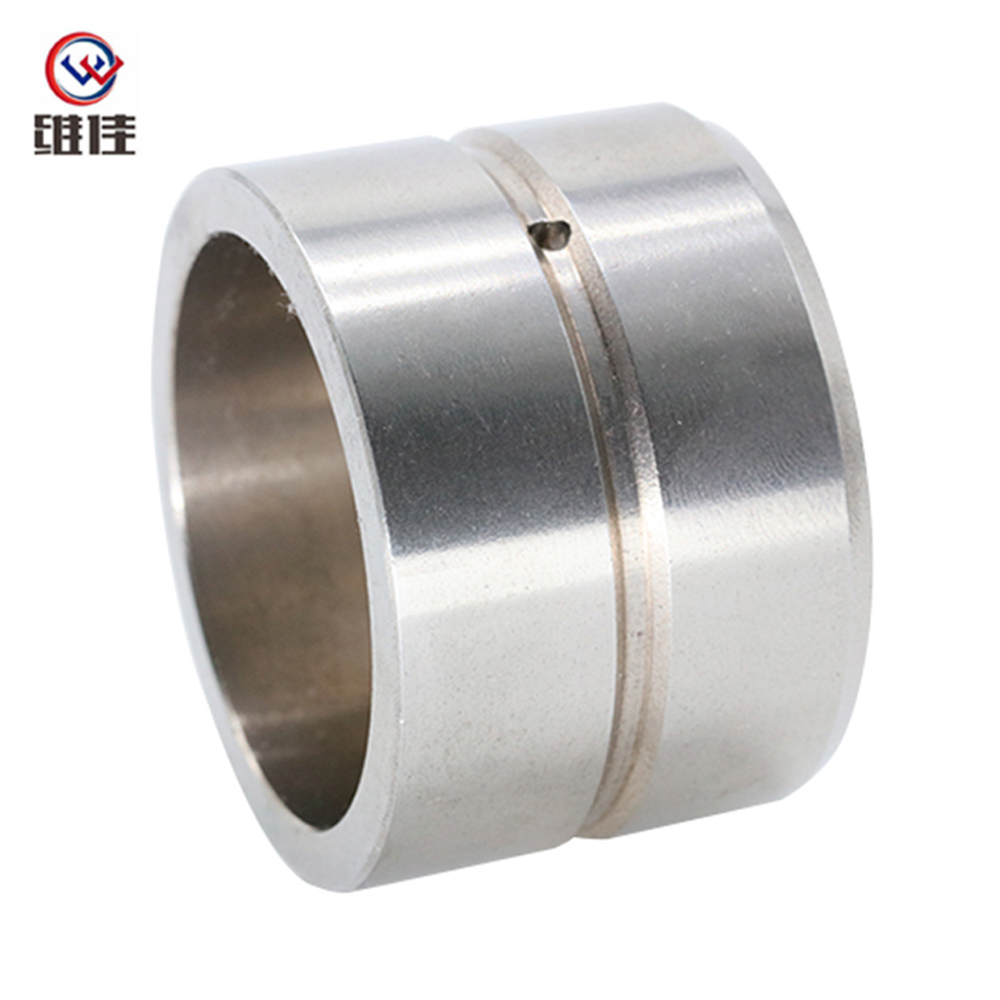
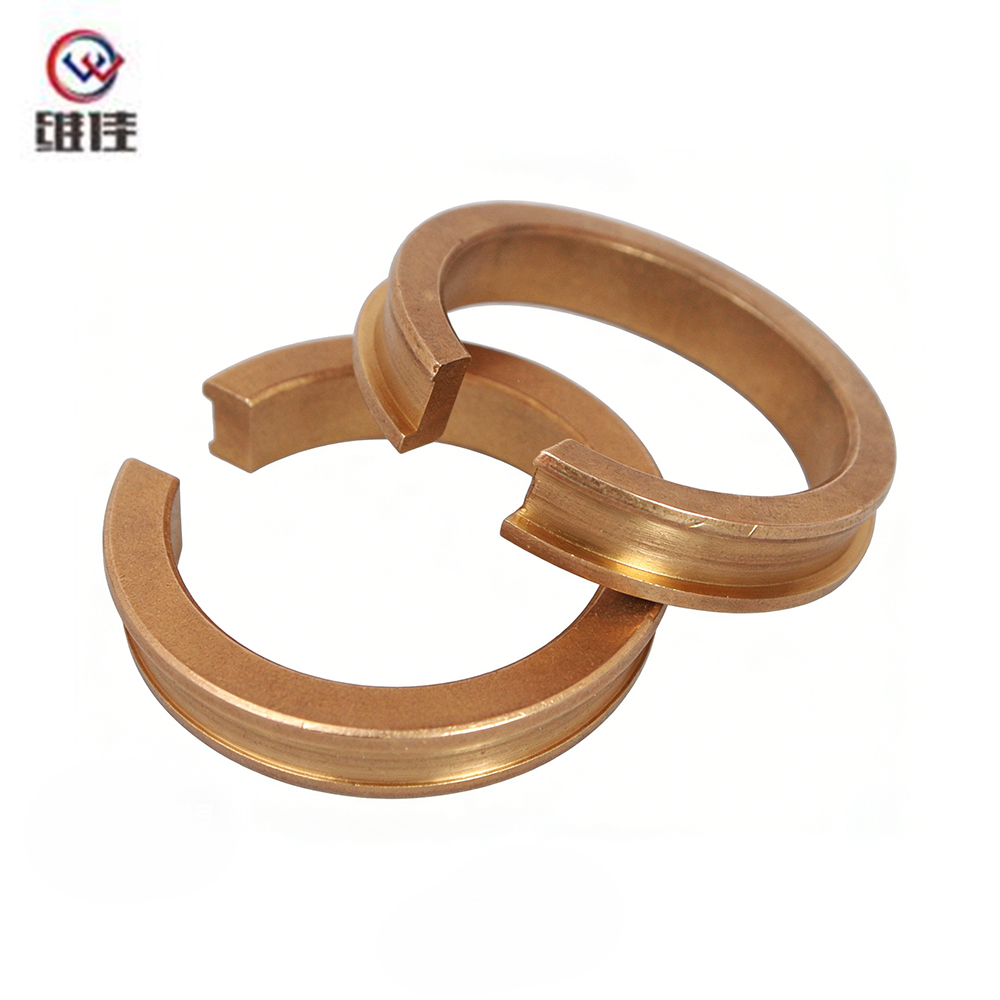 SAE841 Tin Bronze Open-Type Bushing for Greenhouse SystemsThis open-type SAE841 tin bronze bushing is sintered at 720°C and oil-impregnated for self-lubrication. Its porous structure resists corrosion and wear, making it ideal for greenhouse film rolling, ventilation, and shading mechanisms in humid outdoor conditions.View Product →
For engineers familiar with inch or metric drawings, SAE 841 is often treated as the default material for open-type bushings and flanged components. Its microstructure provides good conformability and the ability to embed small contaminants, which helps protect shafts in dirty environments. In our experience, SAE 841 works especially well when the main design requirement is predictable friction at moderate loads and speeds, with a long maintenance-free life.
What Is the Sint B50 Bronze Bushing?
Sint B50 is a European sintered bronze designation commonly used for oil-impregnated bushings. It belongs to the same family of porous copper-tin materials as SAE 841, and it is manufactured through a similar powder-metallurgy process: metal powders are pressed to shape, sintered, and then impregnated with oil. The name Sint B50 often appears in DIN or ISO-oriented drawings, especially in Germany, France, Italy, and other European markets where engineers rely on local material standards rather than SAE specifications.
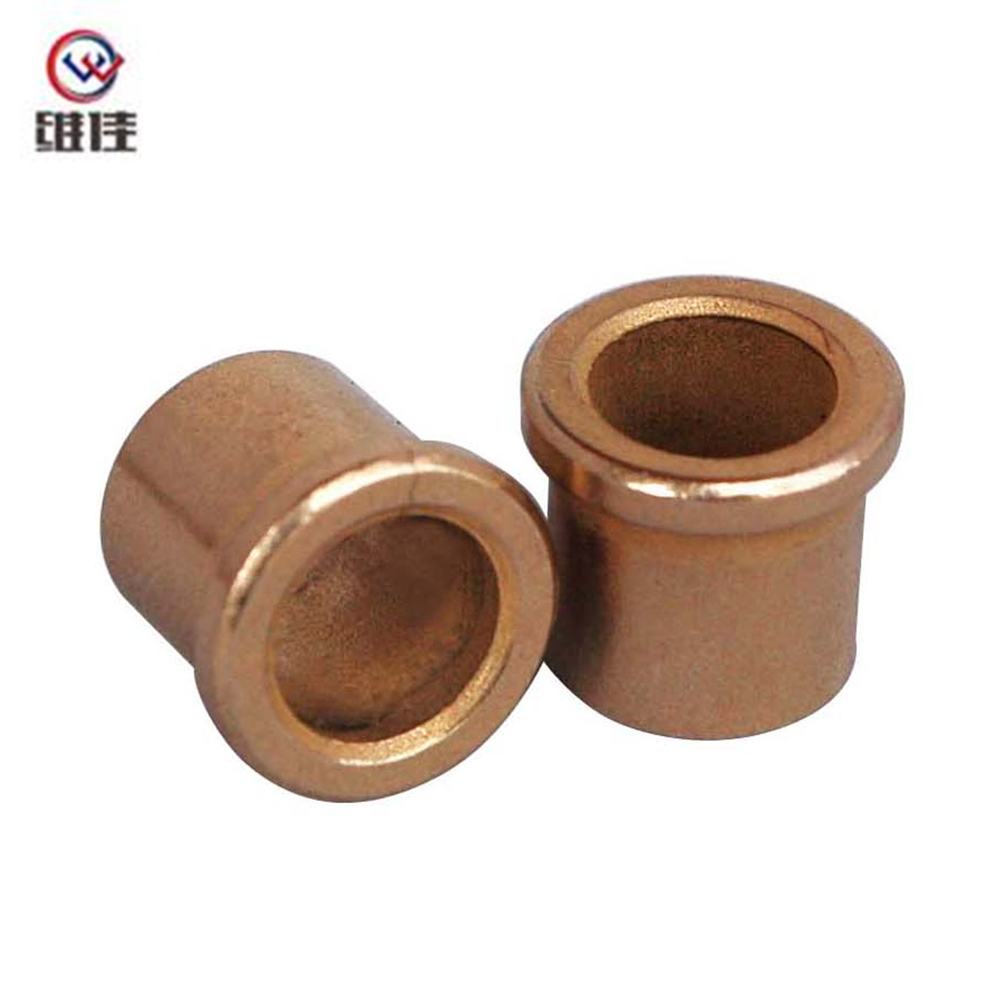 Sint B50 Oil-Impregnated Bronze Flange BushingThis flange bushing is made from Sint B50 bronze with 18% oil content, offering self-lubrication and high load capacity. Precision dimensions and smooth finish reduce noise and maintenance, suiting automotive, industrial, and agricultural radial-load applications.View Product →
In practice, Sint B50 offers performance characteristics comparable to SAE 841: good oil retention, low running noise, and acceptable wear resistance for many industrial applications. It is commonly selected for flanged bushings, sleeve bearings, and custom sintered parts that require a self-lubricating layer. If your engineering drawing calls out Sint B50 and your existing supplier has always provided SAE 841, the two may still be compatible, but you should not assume they are identical. The exact alloy composition, porosity distribution, and oil viscosity can vary between producers and production batches.
Specification Comparison: SAE 841 vs. Sint B50
The table below summarizes typical values. Always refer to the tested material certificate for the specific batch you are using, because final properties are influenced by powder grade, pressing pressure, sintering temperature, and oil impregnant.
| Property | SAE 841 (Typical) | Sint B50 (Typical) |
|---|---|---|
| Primary standard | SAE J471 / SAE 841 | DIN/ISO oriented PM bronze |
| Copper content | 87 – 91% | 87 – 90% |
| Tin content | 9 – 11% | 9 – 11% |
| Graphite / additives | 0.5 – 1.5% max | 0 – 1.5% (depending on grade) |
| Density | 6.7 – 7.0 g/cm³ | 6.7 – 7.1 g/cm³ |
| Porosity | 18 – 24% | 18 – 22% |
| Hardness | 60 – 90 HRH | 65 – 95 HRH |
| Crush strength | 110 – 160 MPa | 120 – 170 MPa |
| Oil impregnation | 20 – 30% by volume | 19 – 28% by volume |
| Typical applications | Electric motors, appliances, automotive pumps, power tools | Industrial gearboxes, textile machinery, flanged bushings, custom PM parts |
Because both materials belong to the same bronze family, the mechanical and tribological properties overlap widely. The most important difference is not the base chemistry but the control parameters used in production, especially pore size distribution, oil type, and final machining. That is why you may see two bushings of the same nominal material performing very differently in a bench test.
Key Differences That Matter in Substitution
Material Standard and Procurement
SAE 841 is specified by its SAE number, while Sint B50 is usually called out on European drawings. When you need to substitute, check the drawing’s material callout and ask your supplier to confirm the equivalent grade. A reliable PM manufacturer should be able to produce either material on the same production line, but the finished bushing must still meet the print’s dimensional and property limits.
Chemical Additives and Oil Compatibility
Some SAE 841 formulations contain graphite as a dry lubricant. Graphite can remain active even if the oil film breaks down, which is useful in intermittent or high-temperature conditions. Sint B50 may have less graphite or none at all, depending on the order. This affects break-in friction and emergency running behavior. If your application runs dry for long periods, verify the additive level before making the switch.
Dimensional Tolerances and Form
The shape of the bushing also matters. SAE 841 is commonly supplied as a straight sleeve or an open-type bushing that is easy to press into a housing. Sint B50 is often used for flanged designs that offer better axial retention. For example, our SAE 841 open-type component is designed for applications where a simple pressed fit and radial load dominate, while our Sint B50 flanged bushing is better suited for high axial loads or as a combination thrust-radial bearing. When substituting, always review the bushing length, flange thickness, and bore tolerance.
Performance Testing Before Change
We always recommend a qualification test before switching materials on a running product. Run the bushing in a representative housing at the intended load, speed, temperature, and contaminant level. Measure wear, oil loss, friction torque, and noise. This is especially important for automotive or medical applications where a small change in material behavior can lead to field failures.
Substitution Guide: Replacing SAE 841 with Sint B50 or Vice Versa
If you are thinking of changing from SAE 841 to Sint B50, or the reverse, follow these steps to minimize risk:
- Check the current material certificate and compare the chemical composition with the proposed alternative. Pay attention to copper, tin, and any lubricant additives.
- Verify the bushing dimensions: inner diameter, outer diameter, length, flange geometry, and chamfers. A change in material porosity can affect plated or coated finishes.
- Review the operating envelope: maximum PV value, temperature range, shaft hardness, and lubrication type. Both alloys have similar load limits, but a high edge load may require a redesign.
- Ask the supplier for test data on crush strength, oil content, and apparent hardness. Do not rely solely on marketing material.
- Run a small pilot lot first. Measure the pressed-in bore size, running-in behavior, and wear after a meaningful number of cycles.
- Document the approved substitution in your engineering change system, including the material grade and supplier name.
When a drawing simply says “SAE 841” or “Sint B50”, an experienced powder-metallurgy partner can help you fill in the missing details. We offer both materials, and we can also supply a bronze bushing with controlled porosity for your exact application. For more insight into material selection and sourcing, you can read our oil-impregnated bronze bushing guide.
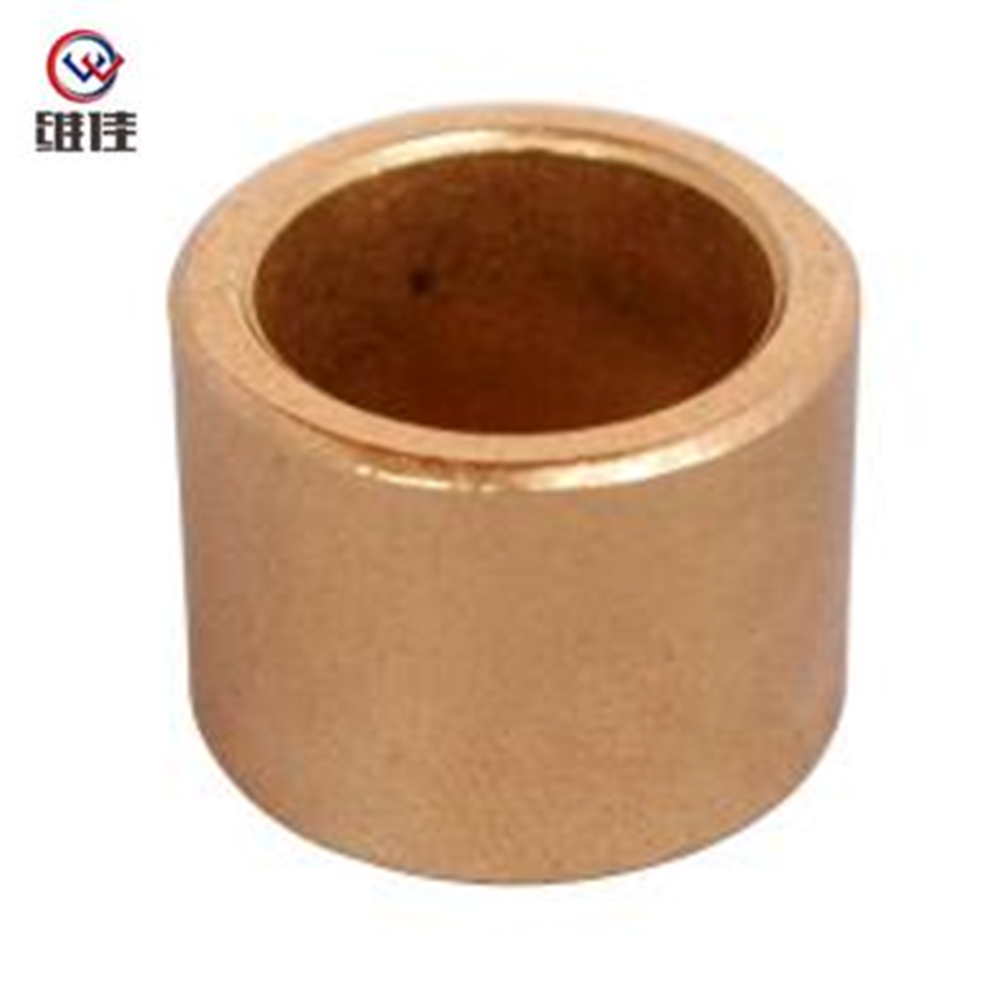 Powder Metallurgy Bronze Bushing with Self-Lubrication (A0667)This copper-based PM bushing is produced via compaction, sintering, sizing, and oil impregnation. It provides wear resistance and controlled tolerances, making it suitable for precision machinery, automotive parts, hydraulic systems, and appliance transmissions.View Product →
The key takeaway is that SAE 841 and Sint B50 are not radically different materials. They share the same basic architecture: a porous tin-bronze skeleton soaked with oil. In many mild service conditions, they can be substituted for each other without any change to housing or shaft design. However, when precision, reliability, and long life matter, do not rely on a name alone. Verify the actual specifications, test the proposed substitute, and document the engineering decision.
As a powder-metallurgy manufacturer with decades of experience forming, sintering, and finishing self-lubricating components, we know that a material substitution can feel riskier than it needs to be. Our team is happy to review your drawing, suggest the right bronze grade, and produce samples for qualification testing. Contact us to discuss your SAE 841 or Sint B50 bushing requirements today.
Related products
-
-
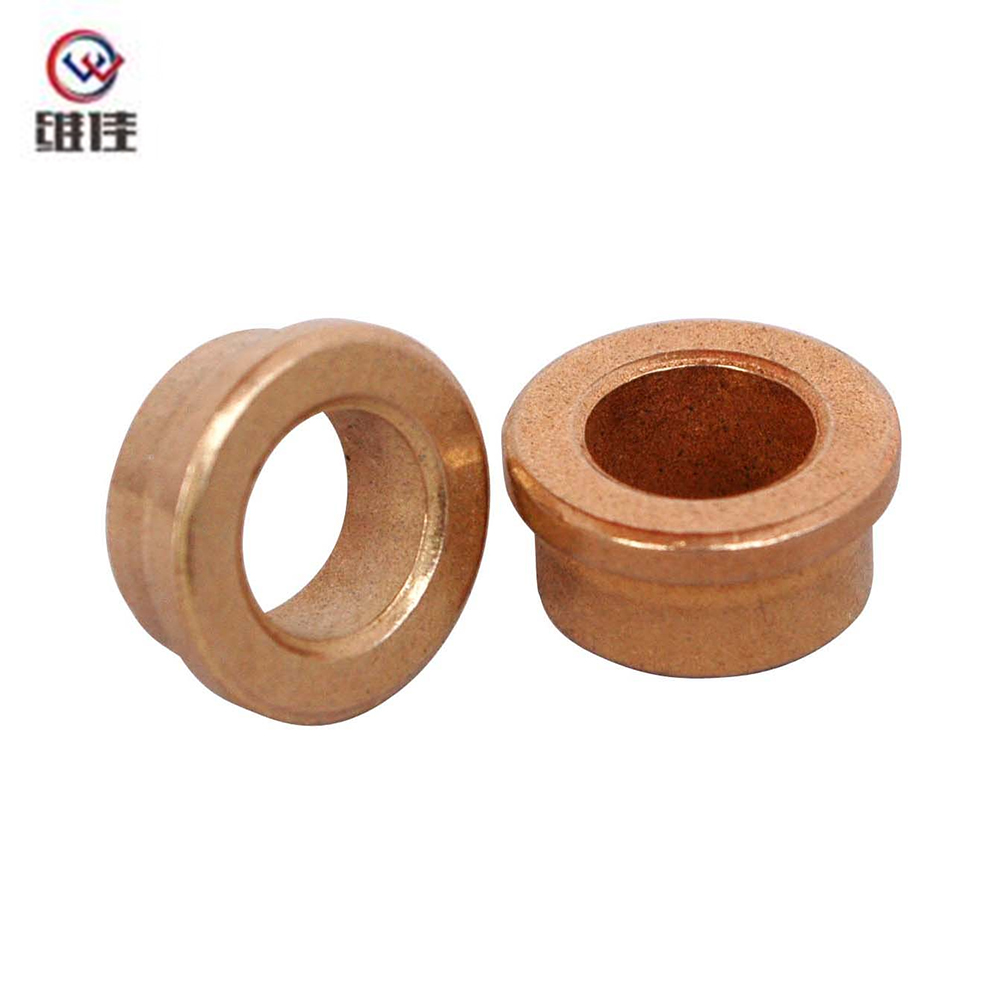
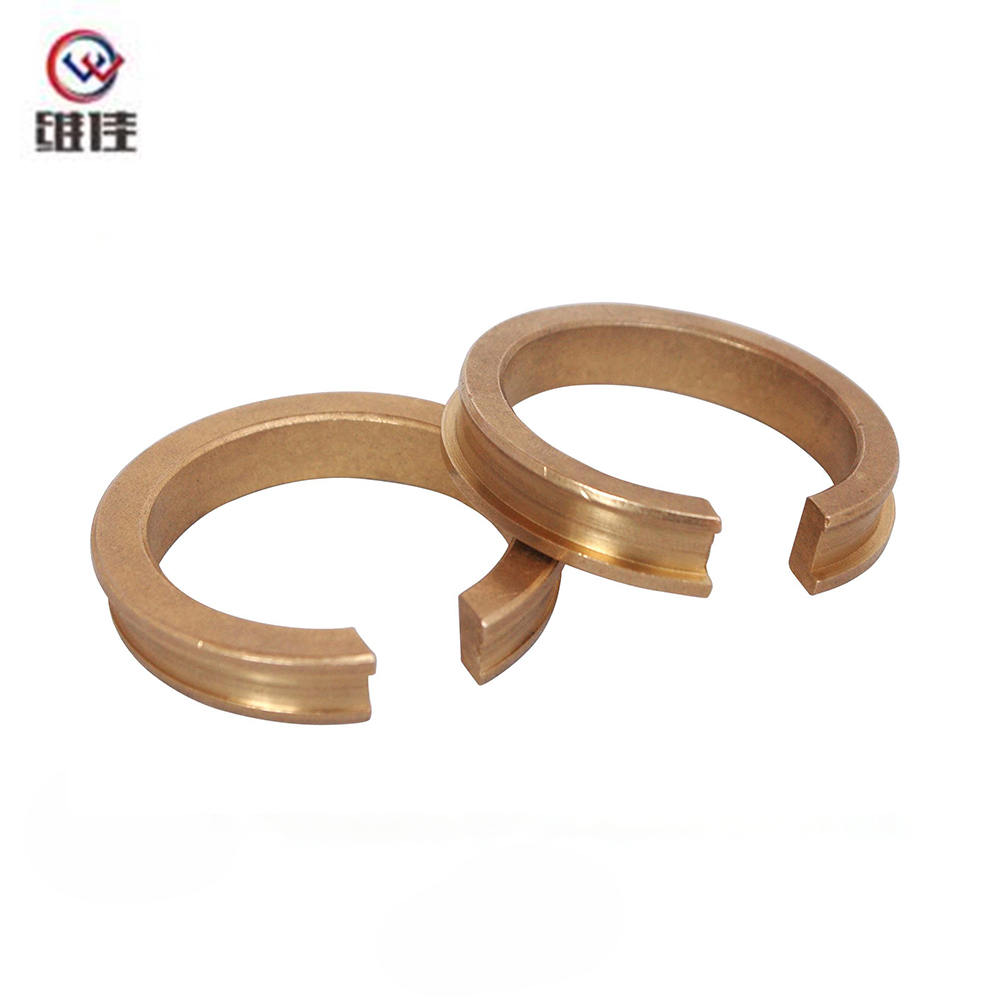
Premium Material: Our flange bushing is crafted from Sint B50 oil-impregnated bronze, featuring an 18% oil content. The high-quality tin bronze material ensures exceptional hardness, wear resistance, ...
See Details -
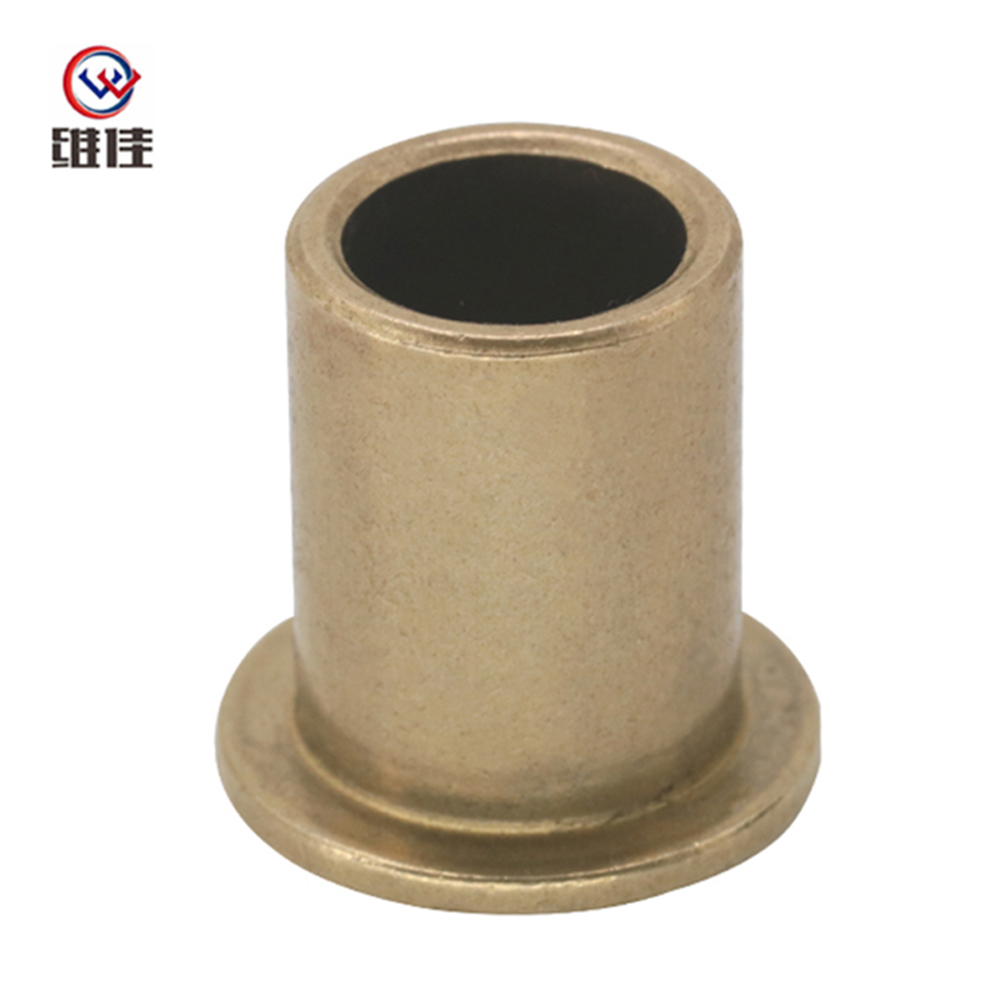
Our sintered bronze self-lubricating bearings are engineered for demanding industrial applications where traditional lubrication is impractical. Designed with advanced powder metallurgy technology, th...
See Details
Copyright © Jiande Welfine Technology Co., Ltd. All Rights Reserved. Privacy Custom Self-lubricating Sintered Bushing Manufacturers
