 English
 中文简体
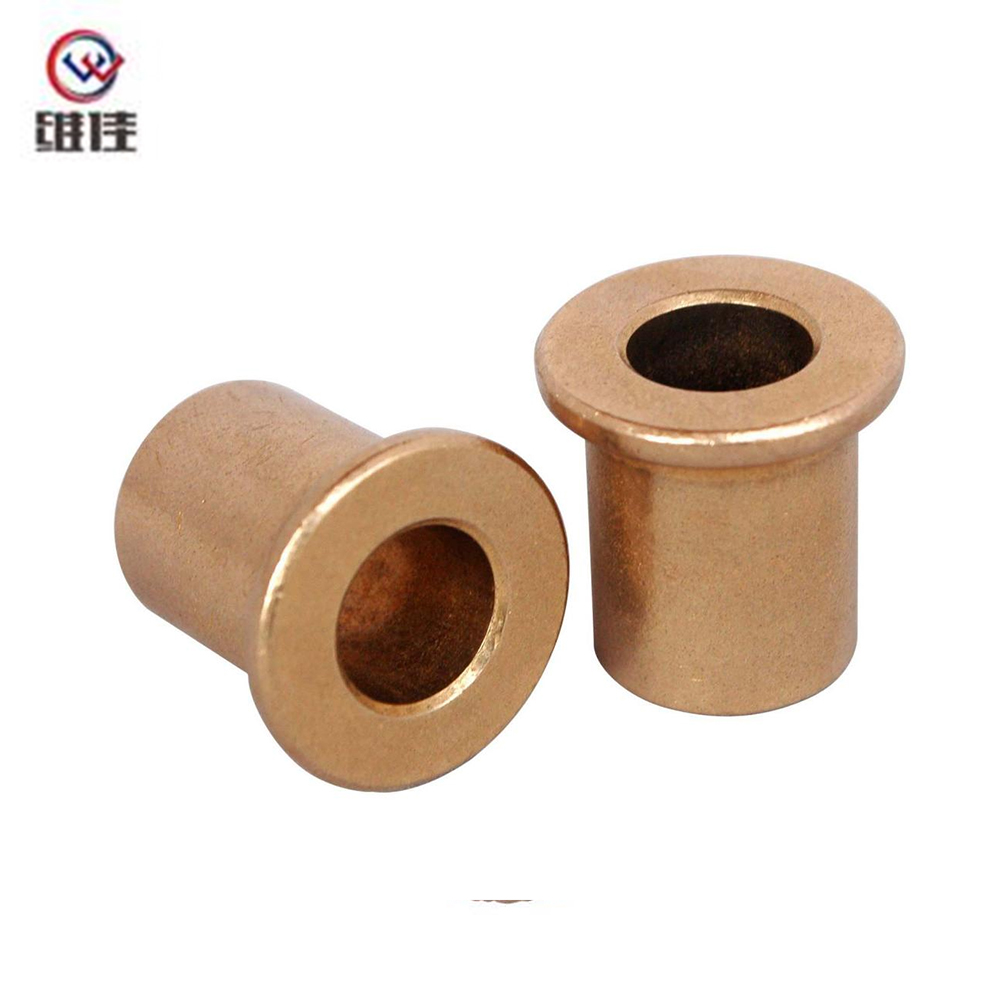
This copper-based powder metallurgy bushing is manufactured through an integrated process of compaction, sintering, sizing, and oil impregnation. It features excellent wear resistance and self-lubrica...
See DetailsE-mail us: [email protected]
Tel: +86-15239857375


 Home / News / Industry News / Custom Powder Metallurgy Parts from Drawings or Samples: A Buyer's Process Guide
Custom Powder Metallurgy Parts from Drawings or Samples: A Buyer's Process Guide
 2026.10.26
 Industry News
Content
- 1 What a Drawing or Sample Tells Us Before Anything Else
- 2 Why Powder Metallurgy Behaves Differently from Machining
- 3 Reverse Engineering from a Physical Sample
- 4 From Inquiry to Repeat Orders: The Process Step by Step
- 5 Materials and Secondary Operations That Shape the Quote
- 6 Gears, Cams, and Irregular Shapes: Where PM Earns Its Keep
- 7 Where Custom Powder Metallurgy Parts Usually Land
- 8 Quality Documentation: What Buyers Should Ask For
- 9 Five Mistakes That Slow a Custom PM Project Down
- 10 Let's Look at Your Drawing Together
Few powder metallurgy projects begin with a purchase order. Most begin with a drawing attached to an email, or a worn bronze bushing in a padded envelope with a note asking whether it can be made again. That first exchange is where we have spent most of our working lives, and it is also where a project either gains momentum or quietly loses a month. This guide walks through the process the way we run it, so engineering and purchasing teams know what to prepare, what to expect, and where the hidden decision points really sit.
What a Drawing or Sample Tells Us Before Anything Else
The first pass over a drawing is not a quotation exercise. It is a feasibility check. Before price is worth discussing, we want to know whether the part belongs in a die at all, and if it does, what the geometry is quietly demanding from the tooling.
The First Five Questions We Always Ask
- What is the annual volume, and how will it be released across the year?
- Which tolerances are functional, and which are simply drawing defaults?
- What does the part actually do, in terms of load, speed, temperature, and lubrication?
- Which features must remain machined, and which can be formed in the press?
- What surrounds the part in the assembly, and how is it located and retained?
Answers to those five questions usually shape the whole quotation. When a buyer can only answer the first one, we still quote, but the price carries more risk allowance than it needs to. A short conversation about function frequently removes that allowance entirely.
Why Powder Metallurgy Behaves Differently from Machining
Powder metallurgy is a net-shape process driven by rigid tooling. Cost is front-loaded into dies and punches, then falls steeply per piece as volume rises. A geometry that is trivial to machine may be impossible to press, and a geometry that is expensive to machine may become almost free to press once tooling is amortised.
Compaction also comes with its own physics. Density varies slightly through a part, porosity is intentional in bearings, and material flows along the pressing direction. These characteristics are what make self-lubricating bushings work so well, and they are also what make certain features impractical.
Features That Press Well, and Features That Do Not
- Uniform wall thickness and generous radii press predictably and hold tolerance.
- Through holes aligned with the pressing direction cost nothing extra.
- Chamfers and lead-ins are straightforward and improve assembly.
- Cross holes, undercuts, and sharp internal corners generally need secondary machining.
- Threads are usually cut or formed after sintering rather than pressed.
Reverse Engineering from a Physical Sample
Plenty of mature products have no usable drawing any more, and a sample is the only starting point. We treat that sample as evidence rather than as a specification. Dimensions are measured and cross-checked, density is established by displacement, hardness is tested, and the wear pattern is read for clues about the original application.
From there we can reconstruct a drawing for your approval, or match the original material family and improve where the failed part suggests an upgrade. The important point for buyers is that a sample alone cannot carry an inspection standard. Once the drawing is agreed, everything downstream, from tooling to final inspection, rests on that document.
From Inquiry to Repeat Orders: The Process Step by Step
The sequence below is the workflow we follow for custom parts. Timelines stretch or compress with part complexity: a simple flanged bushing can move from sample to production in a few weeks, while a multi-level structural component with tight concentricity takes considerably longer.
| Stage | What you provide | What we handle | What you receive |
|---|---|---|---|
| Feasibility review | Drawing or sample, annual volume, application notes | Geometry and material screening, tooling concept | Feasibility feedback and indicative pricing |
| DFM and quotation | Confirmation of functional tolerances | Design adjustments, process and tooling plan | Detailed quotation with DFM comments |
| Sample build | Approved drawing | Tooling, pressing, sintering, sizing | First article samples for fit and function |
| First article inspection | Acceptance criteria and gauges | Dimensional, density, and hardness measurement | Inspection report with recorded data |
| Validation and pilot lot | Written approval of samples | Capability study and process freeze | Pilot lot with supporting documentation |
| Mass production | Rolling forecast and release schedule | Sintering, machining, oil impregnation, packing | Repeatable lots with traceable records |
Materials and Secondary Operations That Shape the Quote
Material selection usually begins with the working environment rather than with a preference. Bronze grades suit quiet running and good corrosion resistance. Iron and iron-copper grades offer higher strength for structural duties. Stainless steel grades appear where washdown, humidity, or mild chemicals are present. Copper-based friction materials and soft magnetic composites extend the same process into braking and motor applications.
Secondary operations are where quotations often diverge. Sizing tightens critical dimensions, oil impregnation fills the porosity of a bearing, machining adds features the press cannot form, and treatments such as steam oxidation or plating adjust wear behaviour and appearance. Each one is a deliberate cost, so it is worth agreeing early on which are genuinely required.
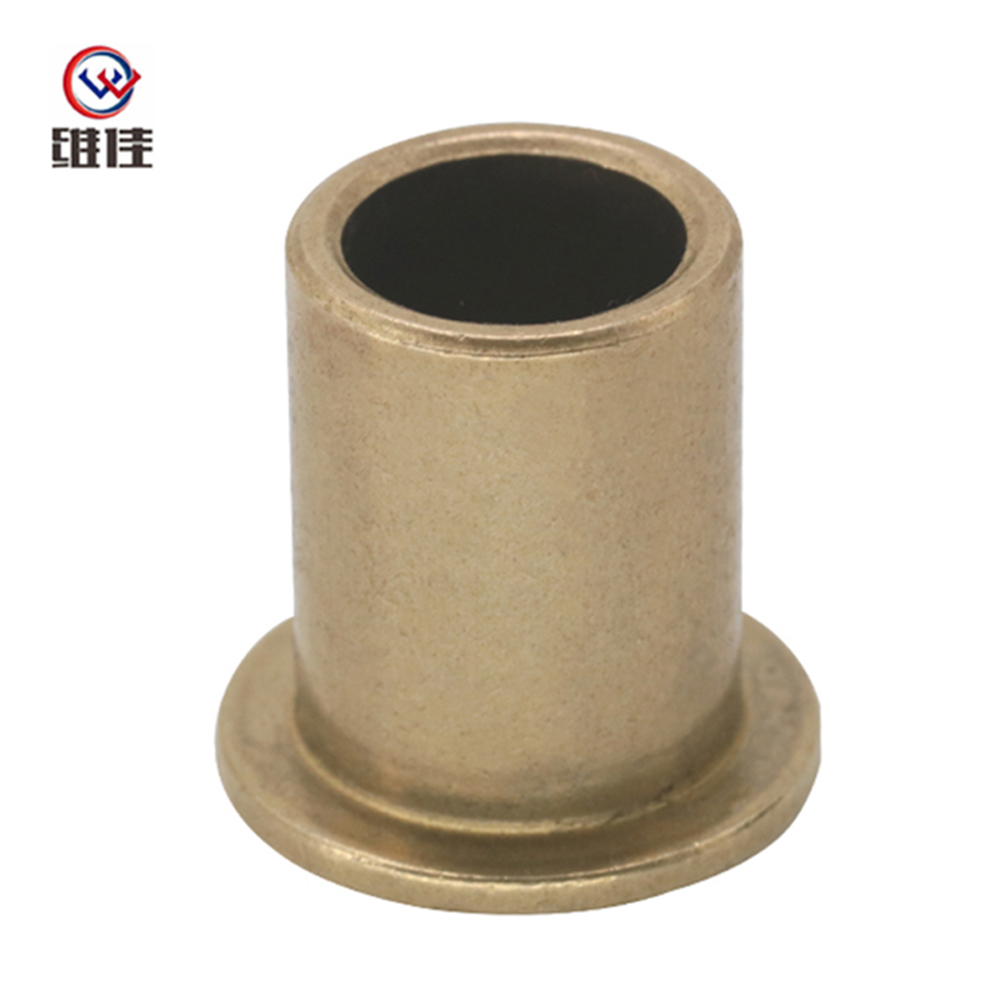 Sintered Bronze Self-lubricating BushingsOur sintered bronze self-lubricating bearings are engineered for demanding industrial applications where traditional lubrication is impractical. Designed with advanced...View Product →
Gears, Cams, and Irregular Shapes: Where PM Earns Its Keep
Tooth forms, hubs, and keyways are natural fits for compaction because they are formed in a single stroke rather than cut tooth by tooth. Planetary gears, pinions, and combination gears with integral hubs are common requests, and the process holds pitch geometry consistently across very large batches. Irregular, non-symmetric parts are equally welcome, provided the geometry can be released from the die.
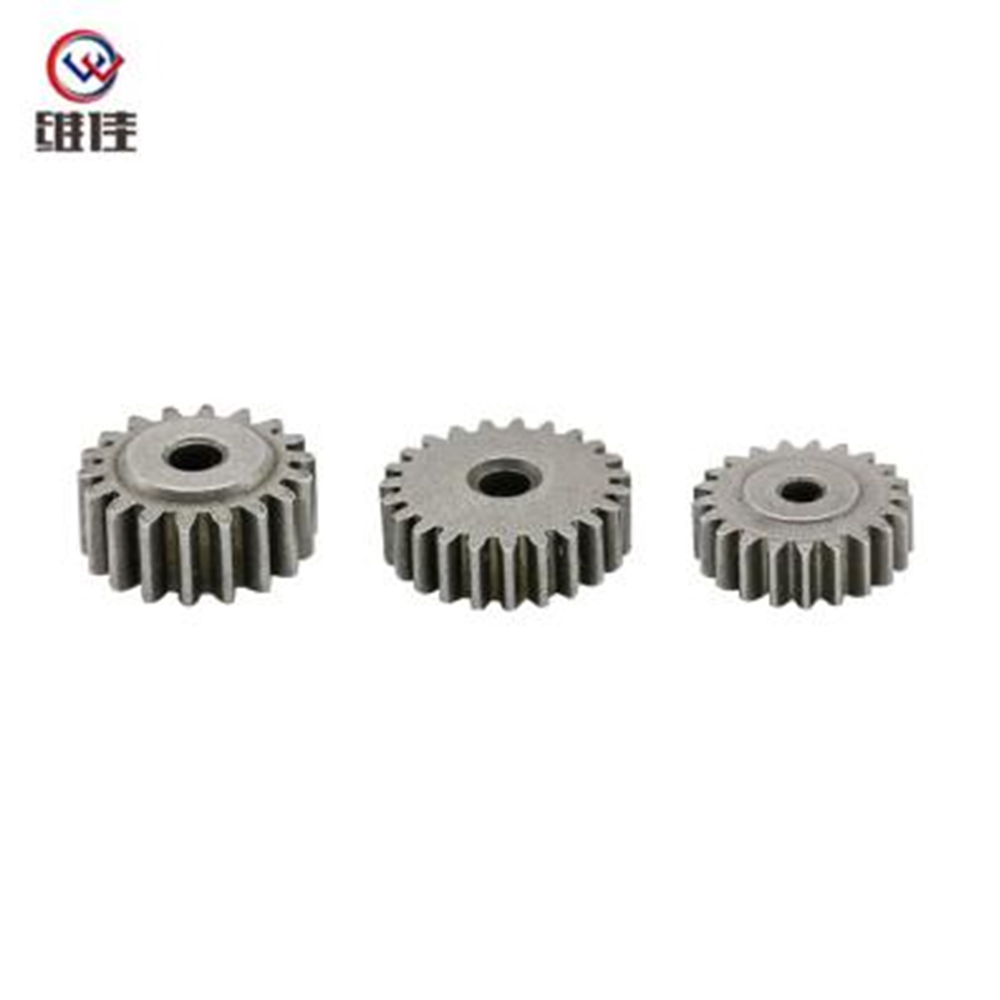 Powder Metallurgy Planetary GearDescription: Custom powder metallurgy planetary gear with high precision, wear resistance for automotive, industrial machinery home appliances. OEM/ODM supported.View Product →
Where Custom Powder Metallurgy Parts Usually Land
Custom sintered components tend to appear wherever a part must run quietly, resist wear, and hold its shape over millions of cycles. Household appliances use them in transmission and support positions. Industrial vehicles such as forklifts rely on them for lift and drive mechanisms. Heaters, pumps, fans, power tools, and office equipment all consume self-lubricating bearings in volume, and automotive programmes use structural and magnetic components under tighter documentation requirements.
Many buyers arrive already knowing they want a different manufacturing route. If you are weighing up whether compaction genuinely beats machining for your application, our overview of how custom powder metallurgy parts optimize industrial applications covers the comparison in more detail.
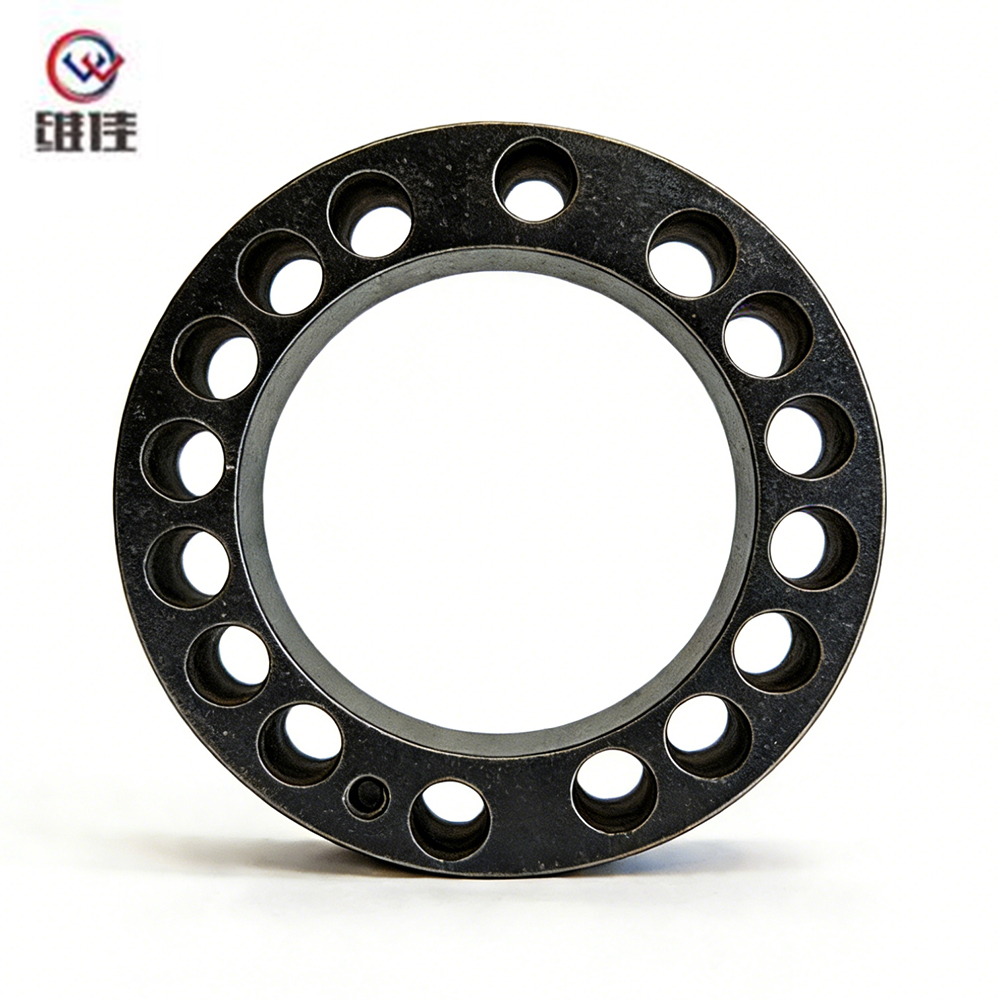
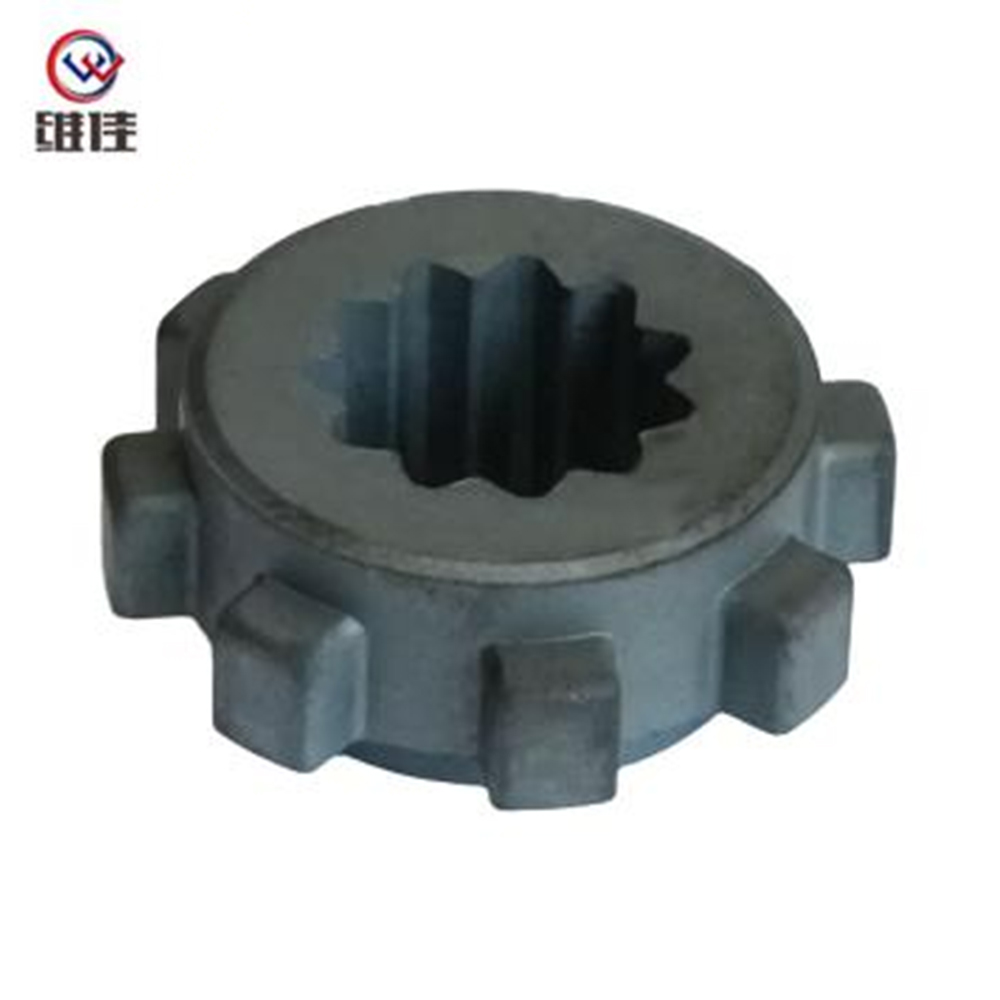 Powder Metallurgy Structural Components for Washing MachinesOur powder metallurgy structural components are precision-engineered for washing machine applications, manufactured via compaction, sintering, and blackening processes...View Product →
Quality Documentation: What Buyers Should Ask For
For most industrial customers, a first article inspection report with recorded dimensions, density, and hardness is the baseline. Automotive and similarly regulated programmes usually require more: material certificates, capability studies on critical characteristics, and a production part approval package. Traceability from powder lot through to shipped carton is standard practice in our plant, and it matters most precisely when something unexpected appears in the field.
Ask early which documents your quality team will need at each milestone. Requests that arrive after tooling is cut can delay a launch, whereas the same requests made during quotation add almost no time at all.
Five Mistakes That Slow a Custom PM Project Down
- Sending a model with no tolerance callouts, then expecting a firm price.
- Marking every dimension as critical, which inflates tooling and inspection cost.
- Leaving out the assembly context, so location and clearance features are guessed.
- Treating a physical sample as though it were an approved specification.
- Selecting on unit price alone and discovering the tooling and inspection gap later.
None of these are unusual, and all of them are quick to resolve when they surface at the start of a project rather than at the first article stage.
Let's Look at Your Drawing Together
If you have a drawing, a model, or simply a worn part in your hand, that is enough to begin. Send it across with a rough sense of annual volume and where the part sits in the machine, and you will get a straight answer on feasibility, material direction, and what tooling would involve. It is the same conversation we have had with appliance makers, forklift suppliers, and automotive tier partners for more than two decades, and it usually takes less time than buyers expect.
Send us your drawing or sample and we will take it from the first pass through to repeat production.
Related products
-
-
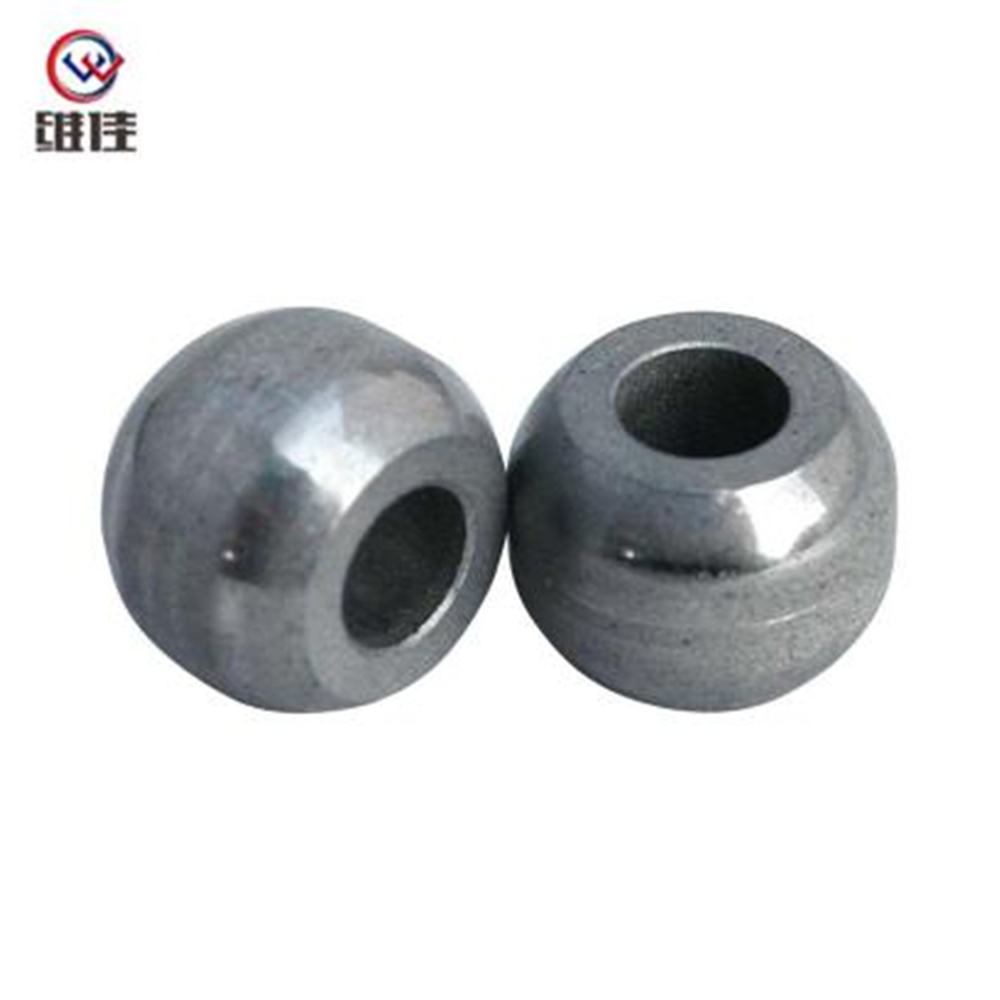
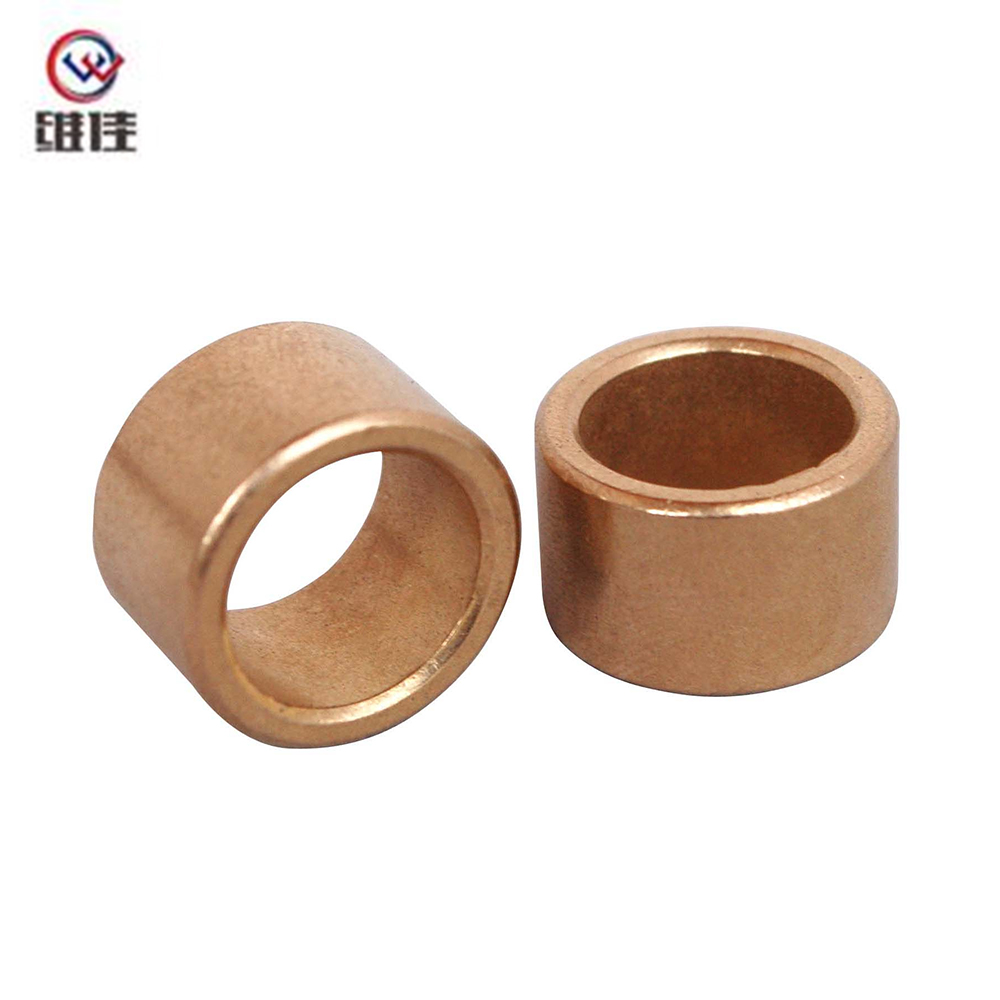
Product Description: High-precision powder metallurgy part (S14*7*10) made of iron material from Jiande Wefine, customized PM components with strict tolerance control.
See Details -
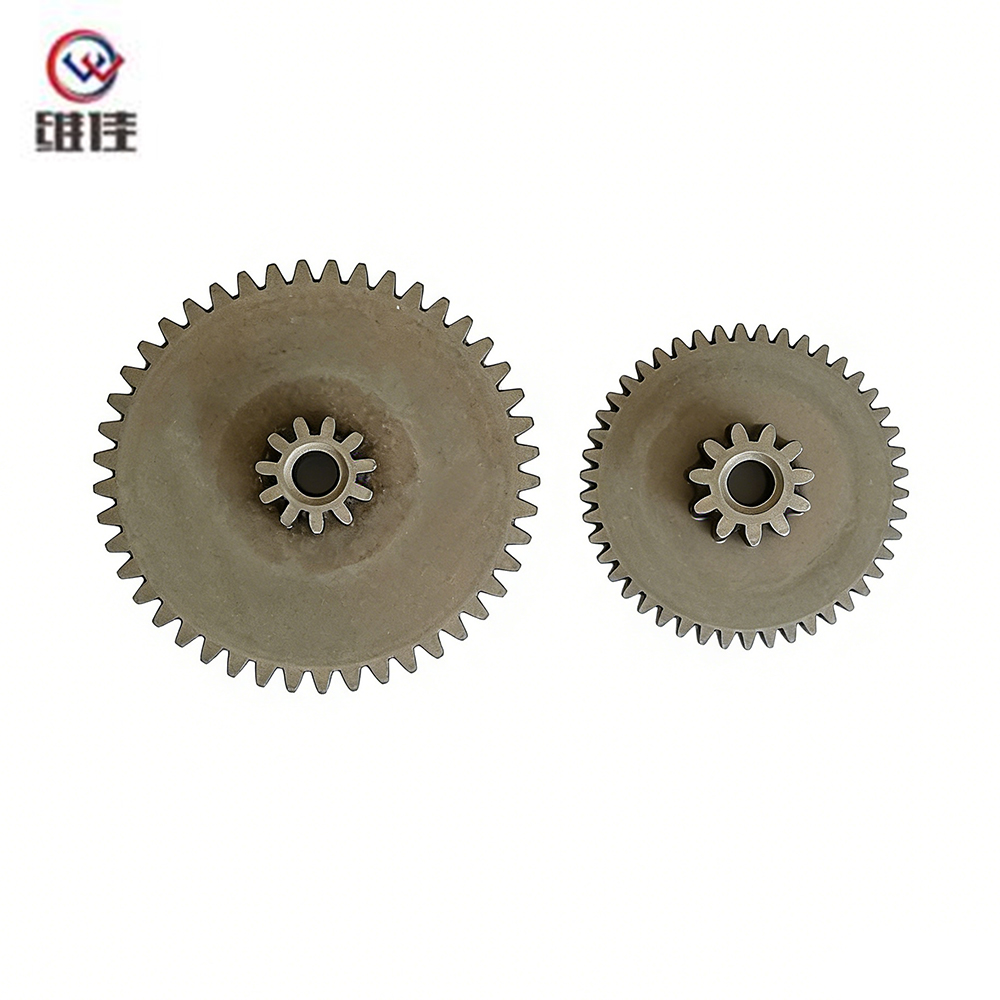
Core Specifications Parameter Specification Gear Teeth Z46 (large gear) & Z11 (small pinion) Module 0.8 Small Gear Bore 11 mm Material AB powder metallurgy (high-strength iron-based all...
See Details

Copyright © Jiande Welfine Technology Co., Ltd. All Rights Reserved. Privacy Custom Self-lubricating Sintered Bushing Manufacturers
