English
 中文简体
中文简体


Powder metallurgy has become the indispensable manufacturing technology for modern washing machines. It offers a unique combination of cost efficiency, material utilization, and performance reliability that traditional casting or machining cannot match. From the complex gears in the transmission to the self-lubricating bearings in the motor, sintered parts ensure that washing machines operate quietly, last longer, and remain affordable for the average household. This technology allows manufacturers to produce highly complex shapes with minimal waste, directly addressing the consumer demand for durable and energy-efficient home appliances.
The Economic and Technical Advantage
The transition from traditional metal forming to powder metallurgy in the appliance industry is driven by clear economic benefits. Traditional machining processes often result in significant material waste, sometimes losing up to half of the original raw material as scrap. In contrast, powder metallurgy is a near-net-shape process. This means the part comes out of the mold essentially finished, requiring little to no secondary machining.
Material utilization in powder metallurgy often exceeds 95%. This efficiency translates directly into lower production costs, which is crucial for mass-produced items like washing machines. Furthermore, the ability to combine multiple manufacturing steps into a single pressing operation reduces labor costs and production time. Manufacturers can produce millions of identical parts with tight tolerances, ensuring consistency across entire product lines.
Key Economic Benefits
- Significant reduction in raw material scrap and waste.
- Lower energy consumption compared to casting or forging.
- Elimination of expensive secondary machining operations.
- High production rates suitable for mass manufacturing.
Critical Applications in Transmission Systems
The transmission system is the heart of a washing machine, responsible for agitating the drum during the wash cycle and spinning it at high speeds for drying. These operations require robust, precision-engineered components capable of withstanding high torque and varying loads. Powder metallurgy parts are ideally suited for this demanding environment.
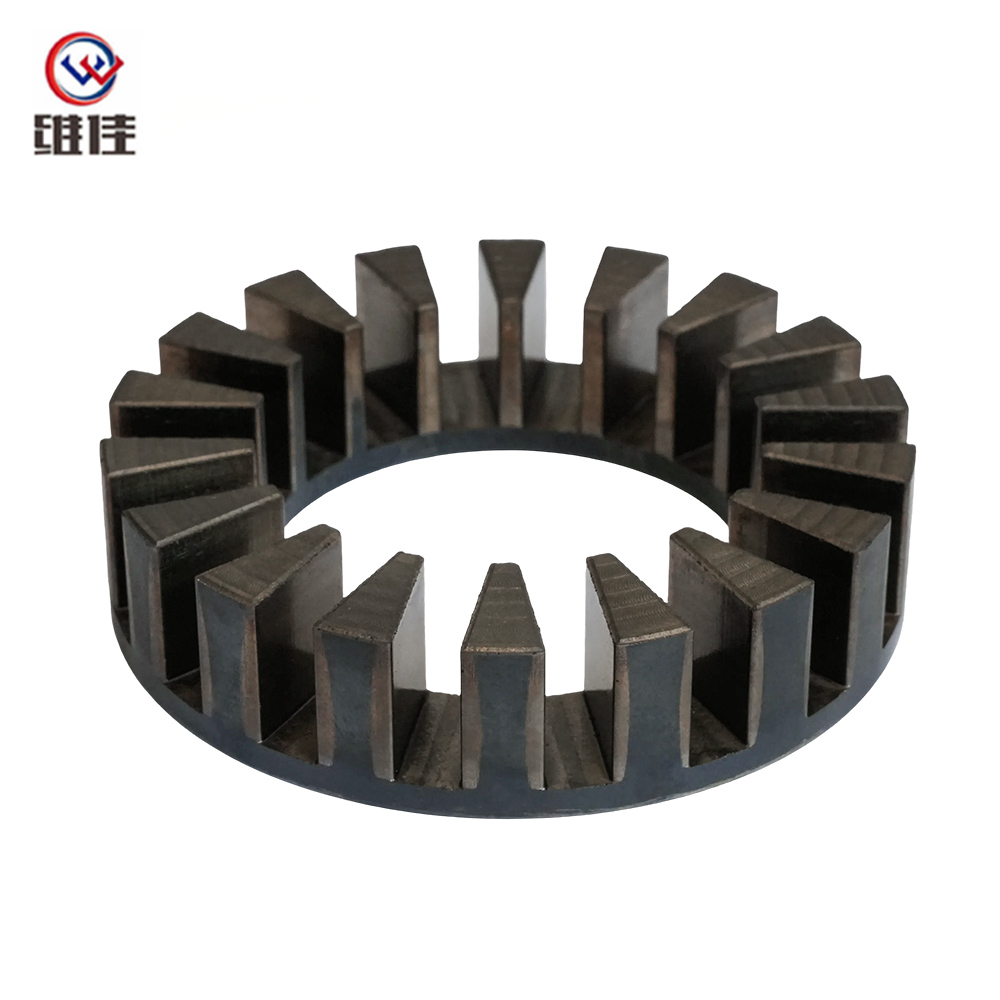
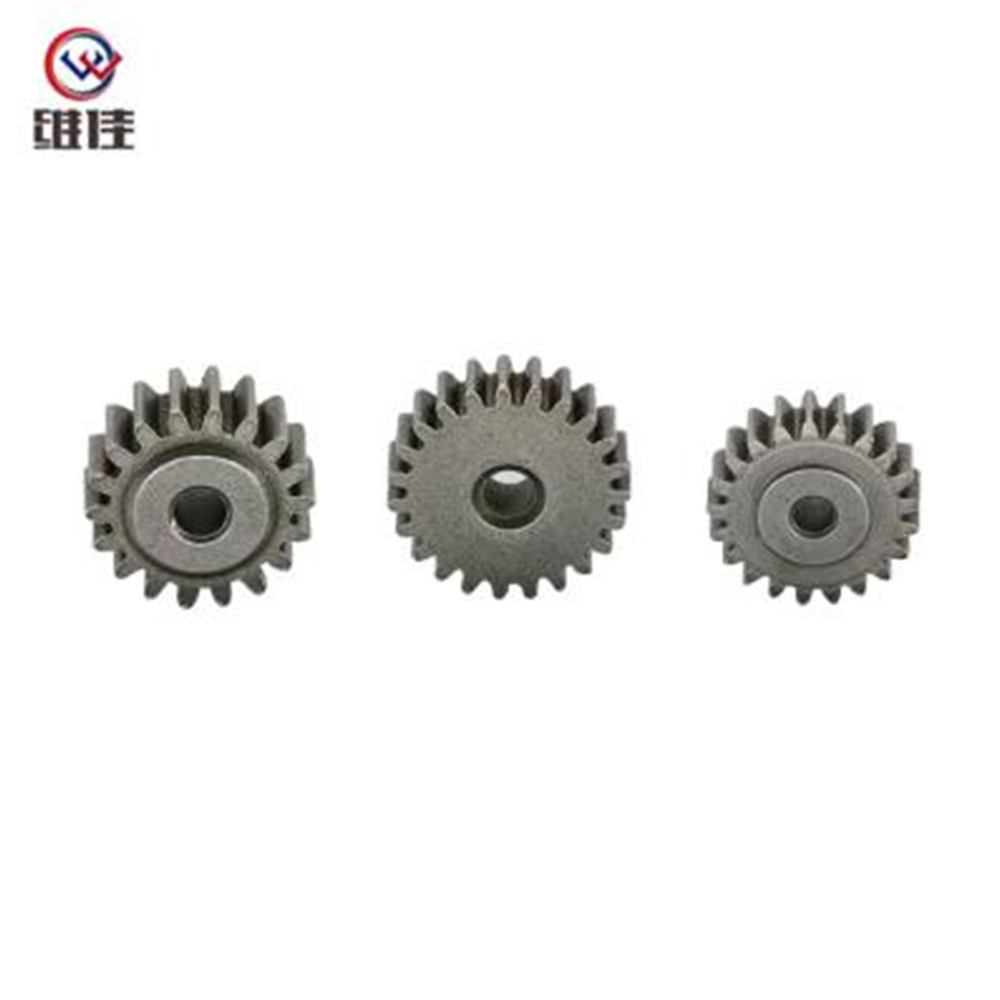
Within the gearbox, several intricate components are manufactured using sintering technology. Gears produced through this method offer excellent surface finish and dimensional accuracy, which are vital for smooth operation. Unlike cut gears, sintered gears have a grain structure that follows the tooth contour, resulting in superior fatigue strength and impact resistance. This structural integrity prevents tooth breakage during sudden load changes, such as when the washing machine drum reverses direction.
Common Transmission Components
- Helical Gears: Essential for quiet operation and high-load capacity.
- Ratchet Wheels: Used for engaging and disengaging the spinning mechanism.
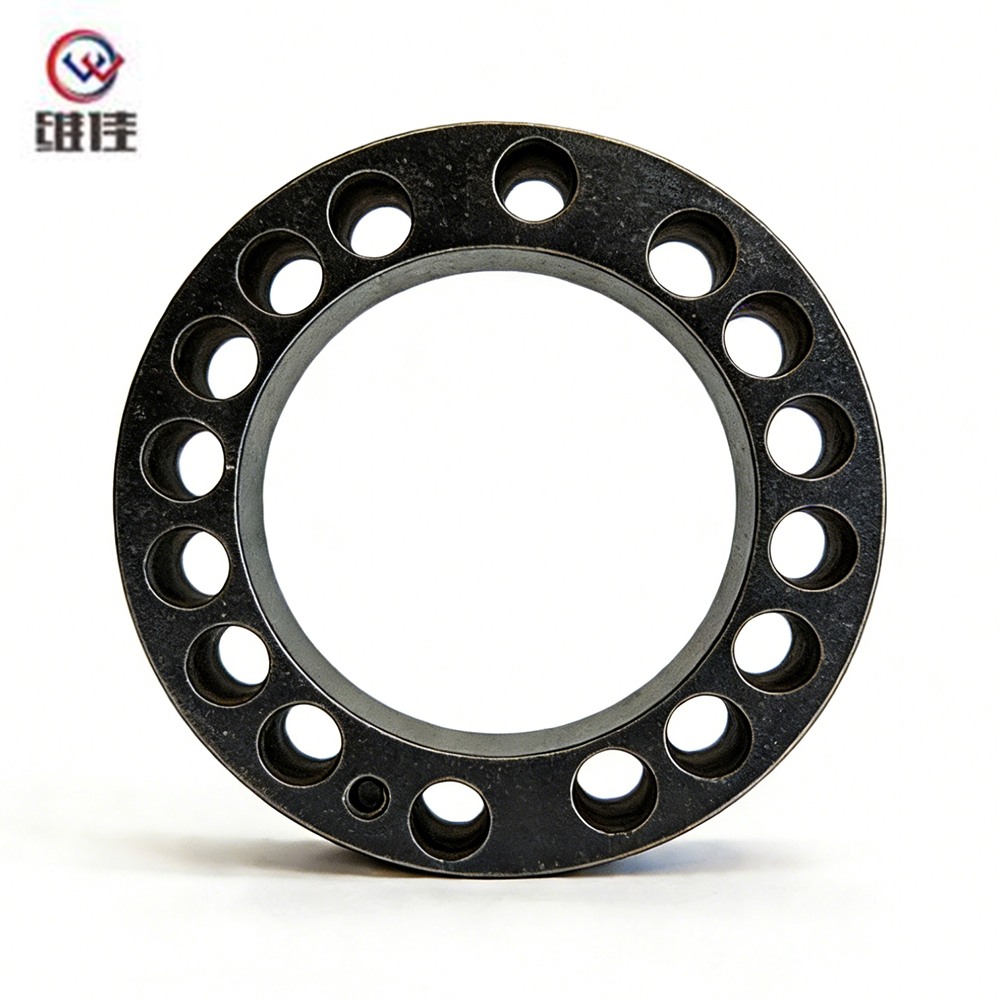
- Clutch Plates: Providing the friction necessary to transfer power from the motor to the drum.
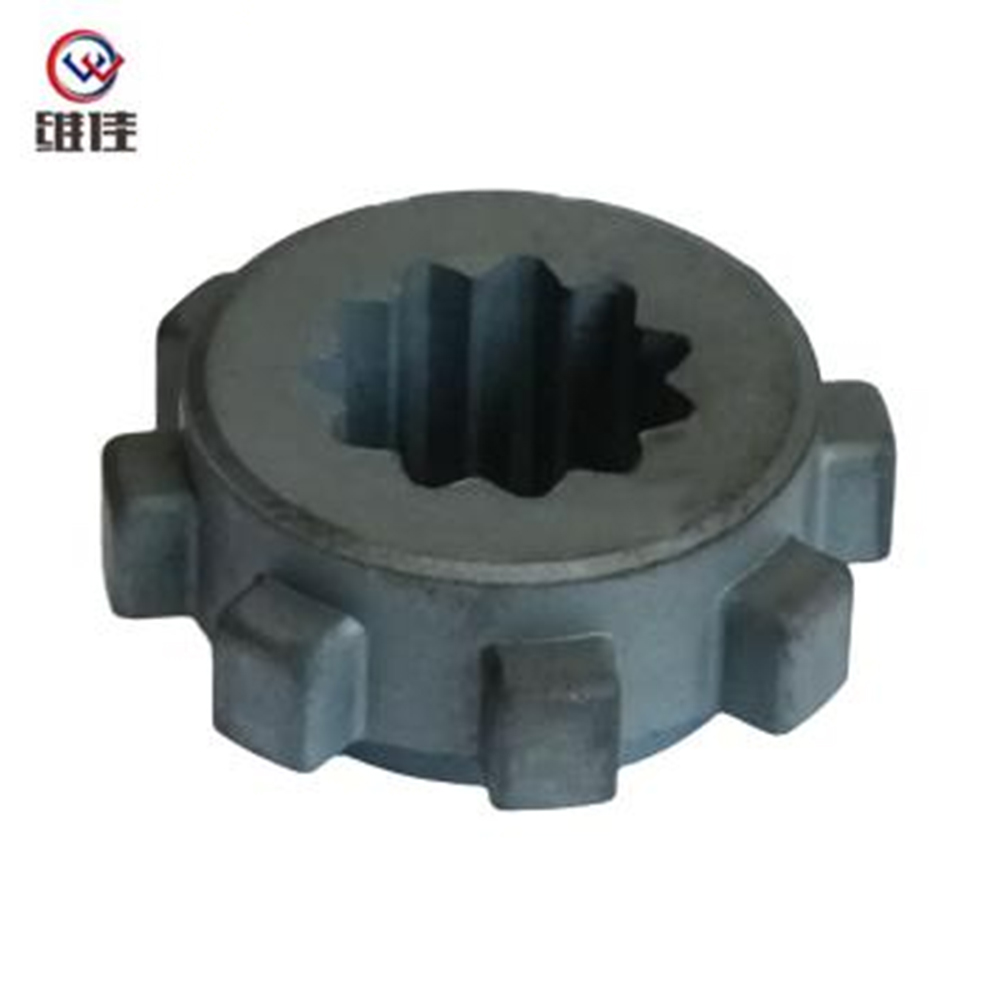
- Spline Hubs: Connecting the drive shaft to the motor with precision.
Enhancing Durability with Self-Lubricating Bearings
Noise and vibration are primary concerns for consumers. A washing machine that rattles or hums loudly is considered a defect. Powder metallurgy addresses this issue through its inherent ability to create self-lubricating components. During the sintering process, powdered metal is compressed and heated, creating a porous structure. These interconnected pores can be impregnated with lubricating oil.
This oil-impregnation creates a self-lubricating mechanism. When the washing machine starts, friction generates heat, causing the oil to expand and form a film between the bearing and the shaft. This film reduces metal-to-metal contact, significantly lowering noise levels and extending the life of the moving parts. As the machine stops and cools, the oil retracts back into the pores. This cycle repeats automatically, ensuring maintenance-free operation for the lifespan of the appliance.
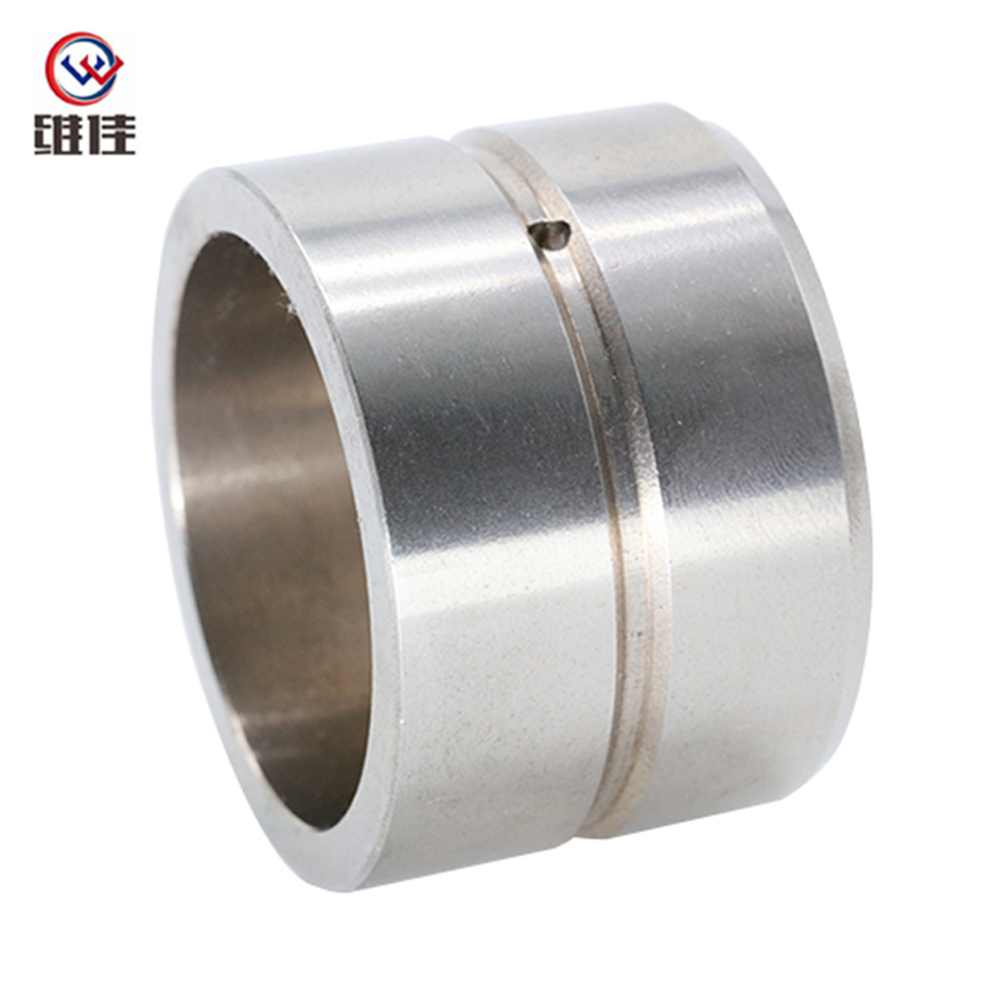
Sintered Bearings
Found in the motor and pump assemblies, these bearings support high rotational speeds while maintaining a quiet acoustic profile.
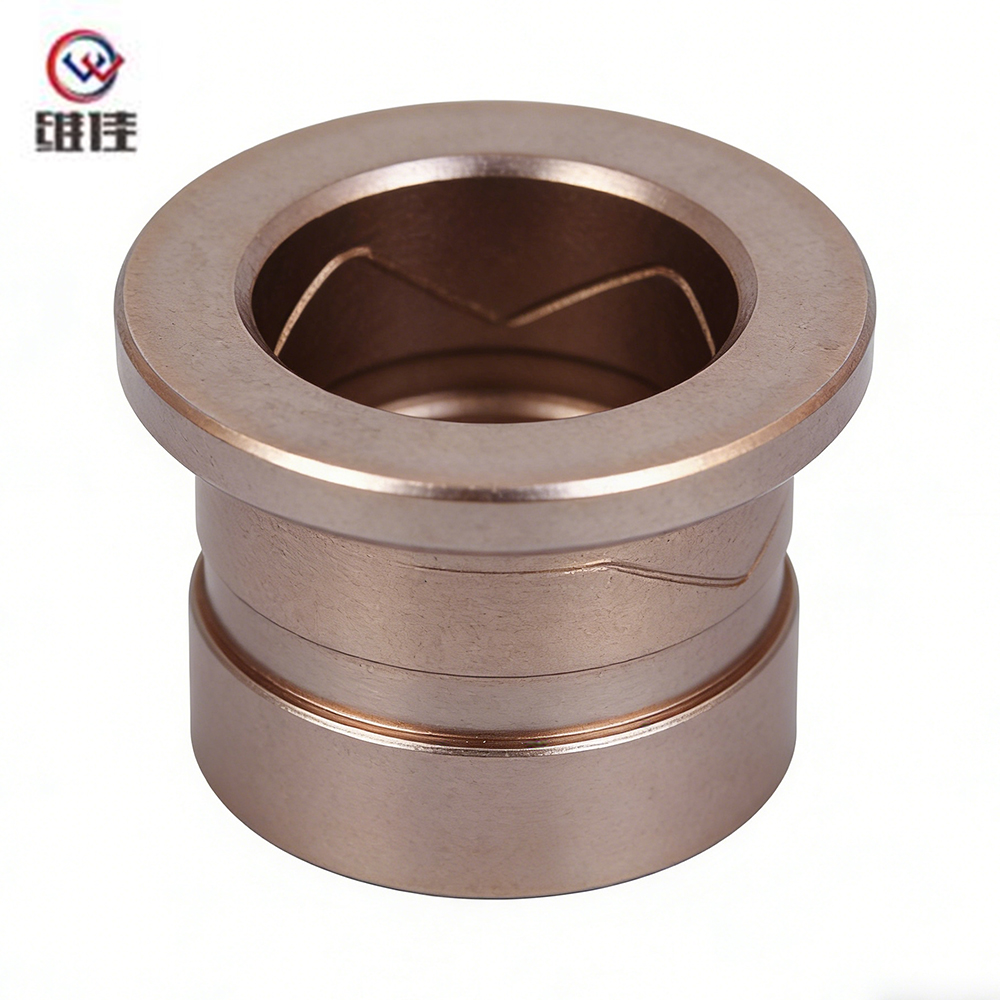
Bushings
Used in the agitator mechanism, these reduce wear in high-load, low-speed applications where traditional ball bearings might fail.
Material Science and Performance Characteristics
The versatility of powder metallurgy allows engineers to tailor material properties to specific needs. By mixing different metal powders—such as iron, nickel, copper, and graphite—manufacturers can create alloys that offer specific mechanical properties. For instance, adding copper increases strength and corrosion resistance, while graphite enhances machinability and wear properties.
In the context of washing machines, corrosion resistance is a subtle but critical factor. While the tub is stainless steel, internal mechanical parts are often exposed to humid environments. Through sintering, materials can be densified to reduce surface porosity or treated with post-processing techniques like steam treatment to create a thin, protective oxide layer. This layer significantly improves corrosion resistance and wear life.
| Material Type | Primary Application | Key Benefit |
|---|---|---|
| Iron-Copper-Carbon | Structural Gears | High strength and impact resistance |
| Bronze Based | Self-lubricating Bearings | Excellent wear resistance and oil retention |
| Soft Magnetic Composites | Motor Components | Low core loss and high permeability |
Integration into Pump and Valve Systems
Beyond the transmission and motor, the water management system of a washing machine relies heavily on precision parts. The drain pump and water inlet valves must function flawlessly to prevent leaks and ensure proper cycle timing. The powder metallurgy process is ideal for manufacturing the complex impellers and valve seats required in these systems.
Pump impellers require excellent surface finish and balance to move water efficiently without causing vibration. Sintered impellers achieve this balance inherently due to the uniform density of the pressed powder. Similarly, valve seats must be hard and dimensionally stable to withstand the repetitive impact of water pressure. Powder metallurgy provides the necessary hardness without the need for expensive hardening treatments. The result is a pump system that is reliable, quiet, and resistant to the corrosive effects of detergents and hard water.
Future Trends in Component Manufacturing
As the appliance industry moves towards "smart" homes and energy efficiency, the demands on components are increasing. Washing machines are becoming lighter, faster, and more connected. Powder metallurgy is evolving to meet these needs through advanced techniques like metal injection molding (MIM) and warm compaction.
These advanced processes allow for even higher densities and more complex geometries than traditional pressing. For example, MIM allows for the production of parts with undercuts and threads that would be impossible to mold with standard uniaxial presses. This means future washing machines may feature even more compact and integrated powertrains, reducing the overall footprint of the appliance while increasing power density. The trend towards brushless DC motors also presents opportunities for soft magnetic composites produced via powder metallurgy to reduce energy loss and improve motor efficiency.