English
 中文简体
中文简体


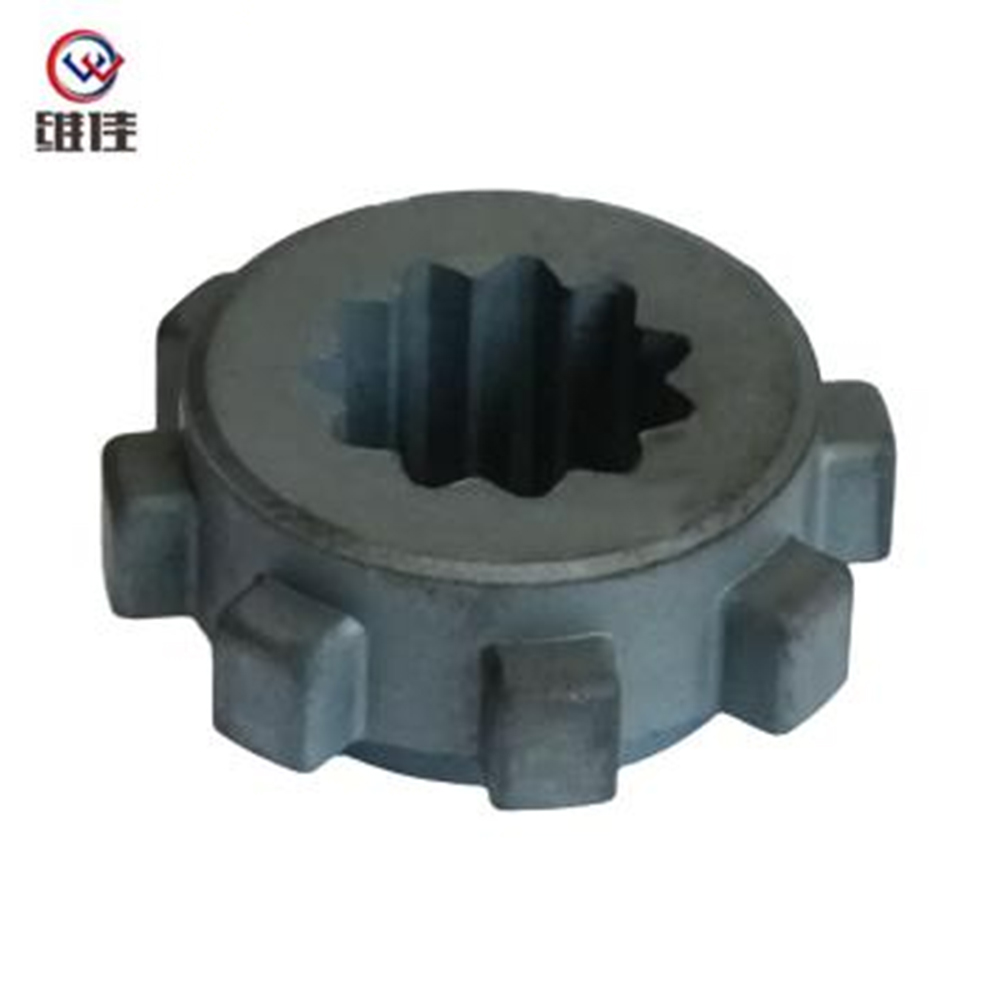
Iron-based sintered structural components provide superior cost-efficiency and material utilization compared to traditional machining, achieving near-net shape production with minimal waste. For electric motors, these components offer distinct advantages in magnetic performance and complex geometry capability, making them indispensable for mass-produced automotive and industrial applications. They are not merely low-cost alternatives but are engineered solutions that enhance motor efficiency through optimized magnetic density and reduced weight.
Understanding the Sintering Process for Motors
The manufacturing of these components relies on powder metallurgy, a process where metal powders are compacted in a die at high pressure and then sintered in a controlled atmosphere. This technique allows for the creation of complex shapes that would be prohibitively expensive or impossible to achieve through conventional casting or machining.
Core Material Properties
The inherent porosity of sintered parts, often considered a limitation, can be an advantage in motors. The interconnected porosity allows for impregnation with lubricants, making these parts self-lubricating. Furthermore, the magnetic properties of iron-based alloys are preserved due to the absence of machining stresses that can distort magnetic domains.
Key Advantages Over Conventional Manufacturing
When designing motors, engineers must balance performance with production costs. Iron-based sintered structural components offer a unique set of benefits that address these competing demands effectively.
- Material Utilization: Sintering achieves over 95% material utilization, whereas machining often wastes 40-60% of the raw material as scrap.
- Complex Geometries: Features like radial grooves, blind holes, and intricate profiles are formed directly during compaction, eliminating secondary assembly steps.
- Magnetic Performance: The uniform grain structure ensures high permeability and low coercivity, which is essential for efficient energy conversion in motors.
Material Composition and Performance
The selection of iron-based alloys is critical for meeting the structural and magnetic demands of modern motors. Common additions include copper, nickel, and phosphorus, each serving a specific purpose in enhancing the final component's characteristics.
| Material Type | Tensile Strength (MPa) | Magnetic Response | Primary Application |
| Pure Iron (Fe) | 150 - 250 | Highest Permeability | Magnetic Cores, Poles |
| Iron-Phosphorus (Fe-P) | 300 - 400 | High Strength & Magnetic | Rotors, Stators |
| Iron-Copper (Fe-Cu) | 350 - 500 | Moderate | Gears, Structural Frames |
Critical Applications in Motor Systems
In the context of electric motors, iron-based sintered structural components are utilized in several critical areas where precision and reliability are non-negotiable. The ability to consolidate parts reduces assembly time and improves overall system reliability.
- Rotors and Stators: The active magnetic core of the motor benefits significantly from the high density achievable in modern sintering, reducing eddy current losses.
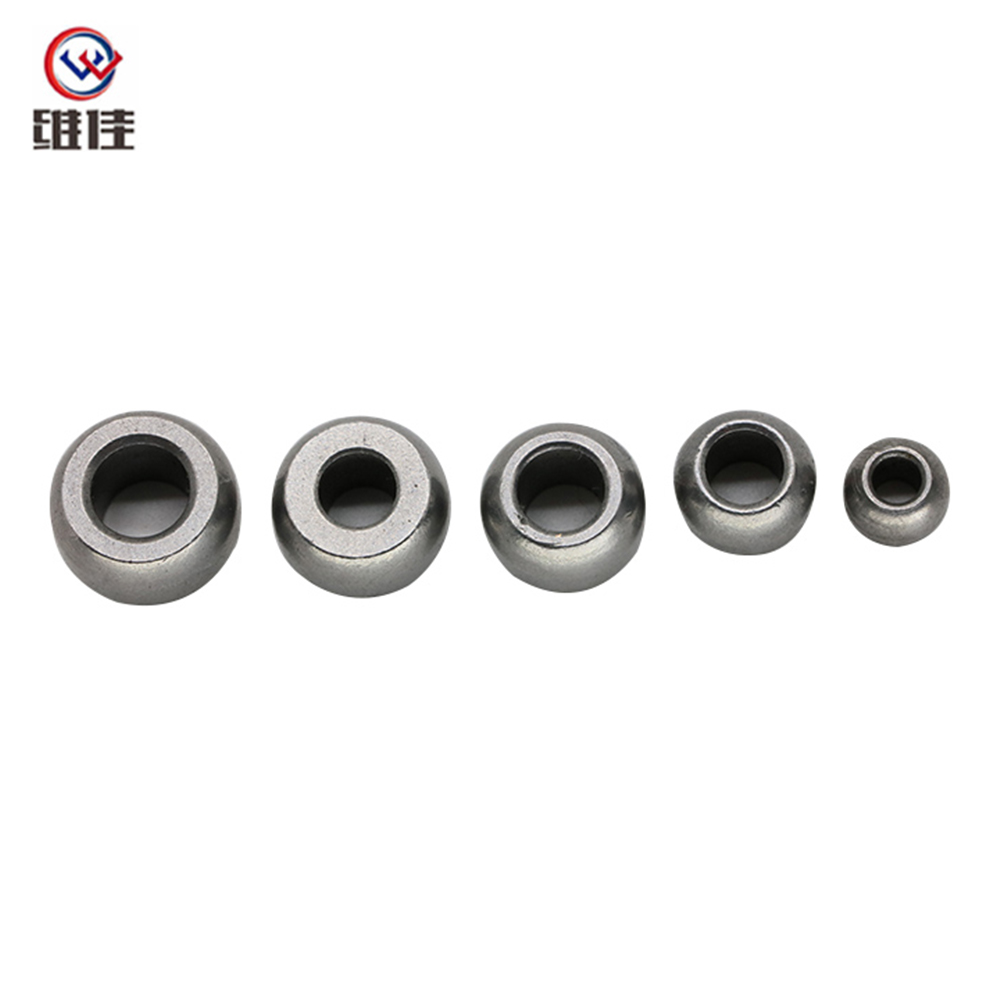
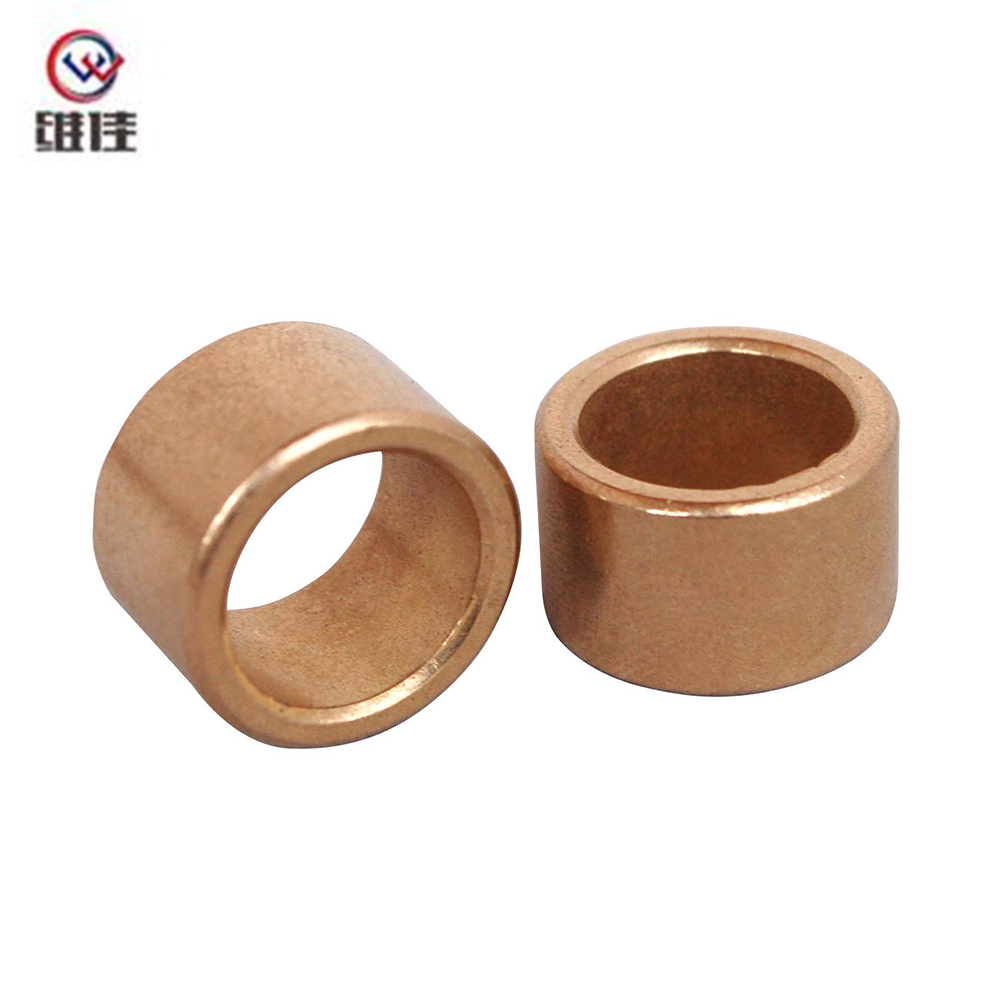
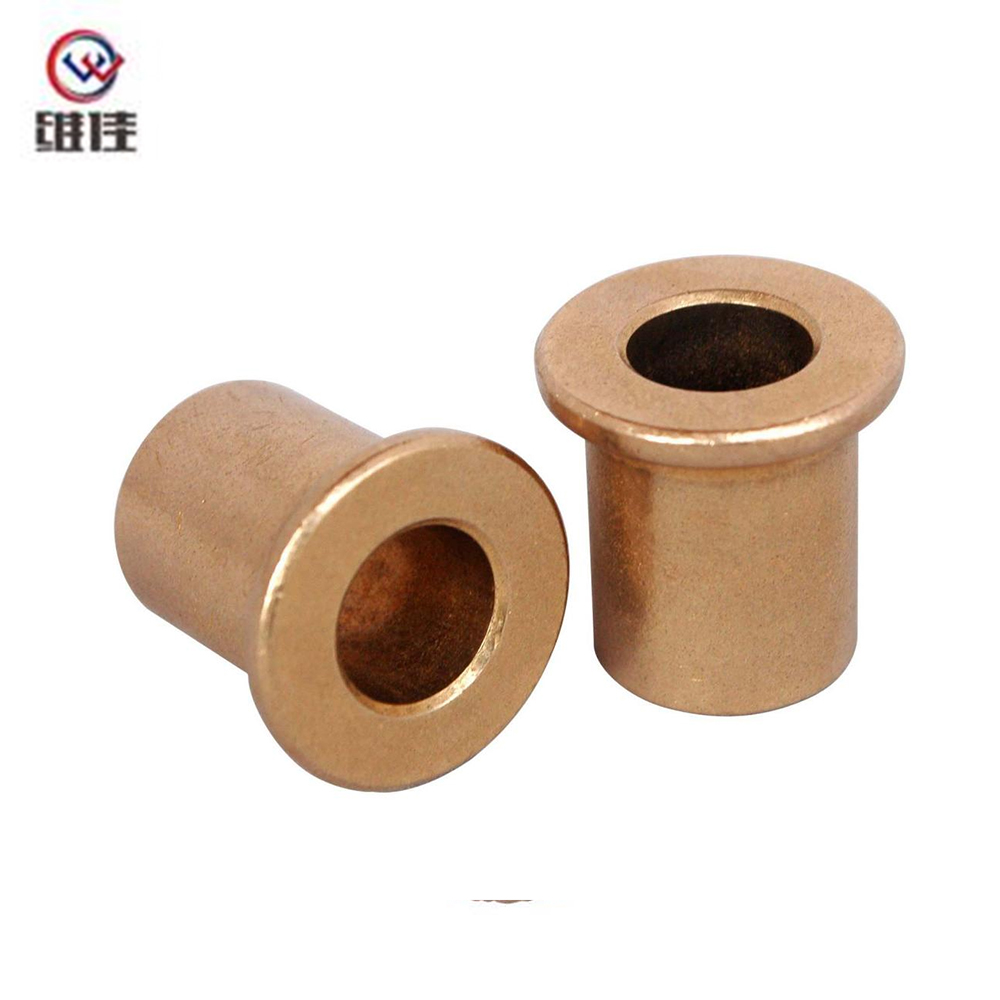
- Bearing and Bushings: These components leverage the porous nature of sintered iron to hold oil, providing long-term lubrication without external maintenance.
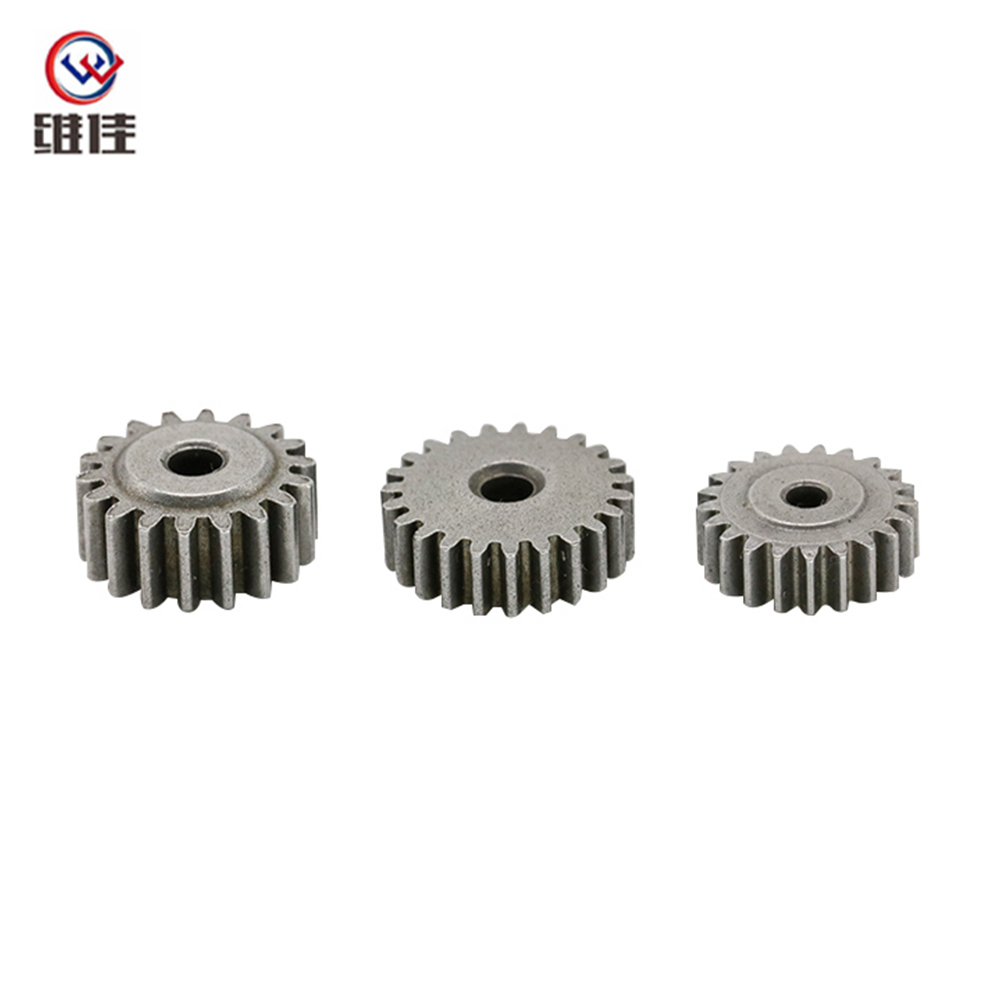
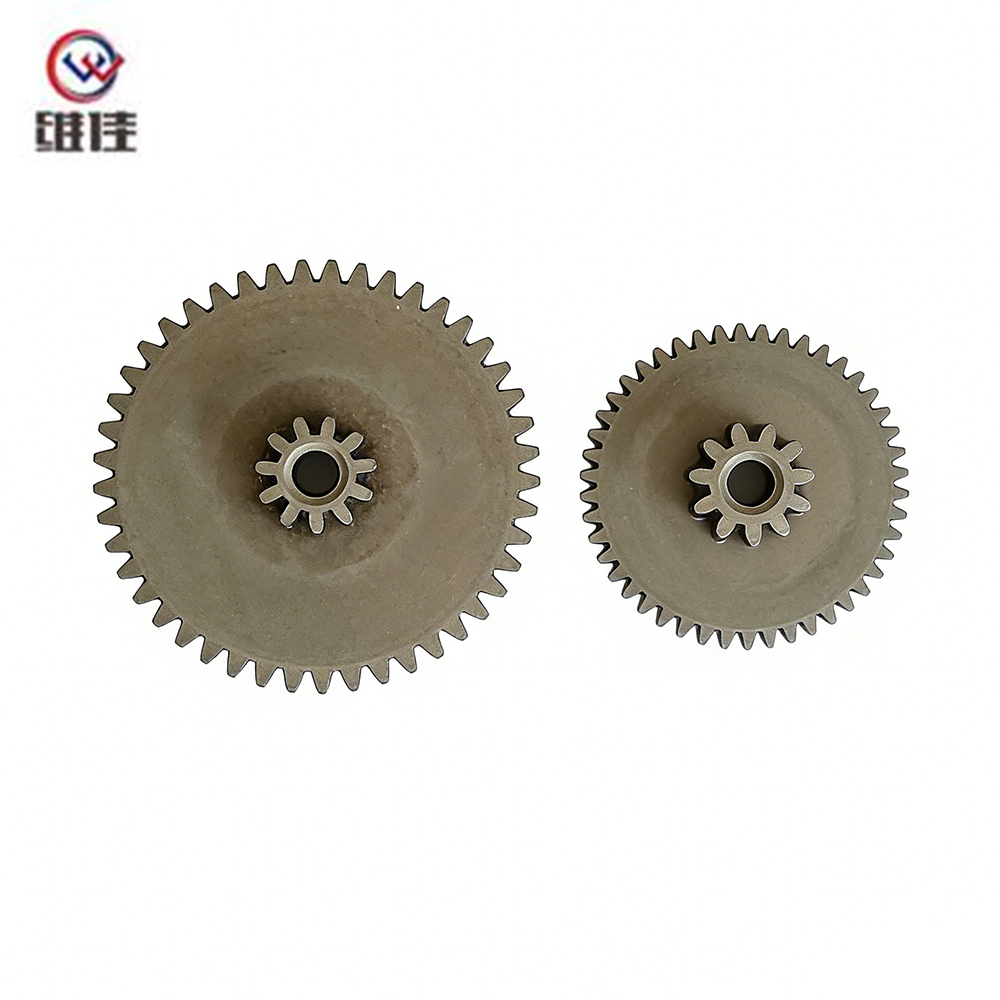
- Transmission Gears: Sintered gears offer excellent surface finish and quiet operation, crucial for the reduction gears often attached to motor shafts.
Design Considerations for Engineers
While the benefits are substantial, designing for sintering requires a shift in mindset from traditional machining. Constraints such as wall thickness and draft angles must be respected to ensure successful compaction and ejection from the die.
Structural Integrity and Density
Density is a primary driver of performance. Higher density improves mechanical strength and magnetic flux density. Modern processes like warm compaction or double pressing can achieve densities that rival wrought steel, expanding the application range of iron-based sintered structural components to include heavily loaded motor parts.