E-mail us: [email protected]
Tel: +86-15239857375
 English
 中文简体
中文简体

 Home / News / Industry News / How Does a Steel-Cast Copper Bimetallic Bushing Improve Wear Resistance and Service Life?
 How Does a Steel-Cast Copper Bimetallic Bushing Improve Wear Resistance and Service Life?
 2026.06.10
 Industry News
Content
- 1 Introduction: Growing Demand for Advanced Bearing Solutions
- 2 What Is a Steel Cast Copper Bimetallic Bushing?
- 3 Manufacturing Process of Steel Cast Copper Bimetallic Bushing
- 4 Key Performance Advantages
- 5 Self-Lubrication and Friction Behavior
- 6 Industrial Applications
- 7 Customization and Engineering Design Options
- 8 Maintenance and Service Life Optimization
- 9 Future Development Trends
- 10 ABOUT JIANDE WELFINE
- 11 Conclusion
- 12 FAQ
- 12.0.1 1. What is a steel cast copper bimetallic bushing?
- 12.0.2 2. Where are steel cast copper bimetallic bushings commonly used?
- 12.0.3 3. What are the main advantages of steel cast copper bimetallic bushings?
- 12.0.4 4. How does a steel cast copper bimetallic bushing reduce friction?
- 12.0.5 5. Is a steel cast copper bimetallic bushing self-lubricating?
- 12.0.6 6. What is the difference between a steel-backed copper bushing and a bimetallic bushing?
Introduction: Growing Demand for Advanced Bearing Solutions
Modern industrial machinery is evolving toward higher load capacity, longer service life, and more stable continuous operation. Under these conditions, traditional plain bearings and single-material bushings often struggle to meet performance expectations, especially in environments involving heavy impact, high friction, and insufficient lubrication.
In response to these challenges, the steel cast copper bimetallic bushing has become an increasingly important solution in mechanical design. It combines the structural strength of steel with the wear resistance and friction-reducing properties of copper-based alloys. This dual-material structure allows it to perform reliably in demanding applications where high load bimetal bushings are required.
Compared with conventional options such as steel-backed copper bushing or bronze bushings, this composite structure offers a more balanced performance profile, especially in terms of durability and operational stability. As industries continue to push toward automation and high-efficiency systems, demand for wear resistant bimetal bearing solutions continues to increase.
What Is a Steel Cast Copper Bimetallic Bushing?
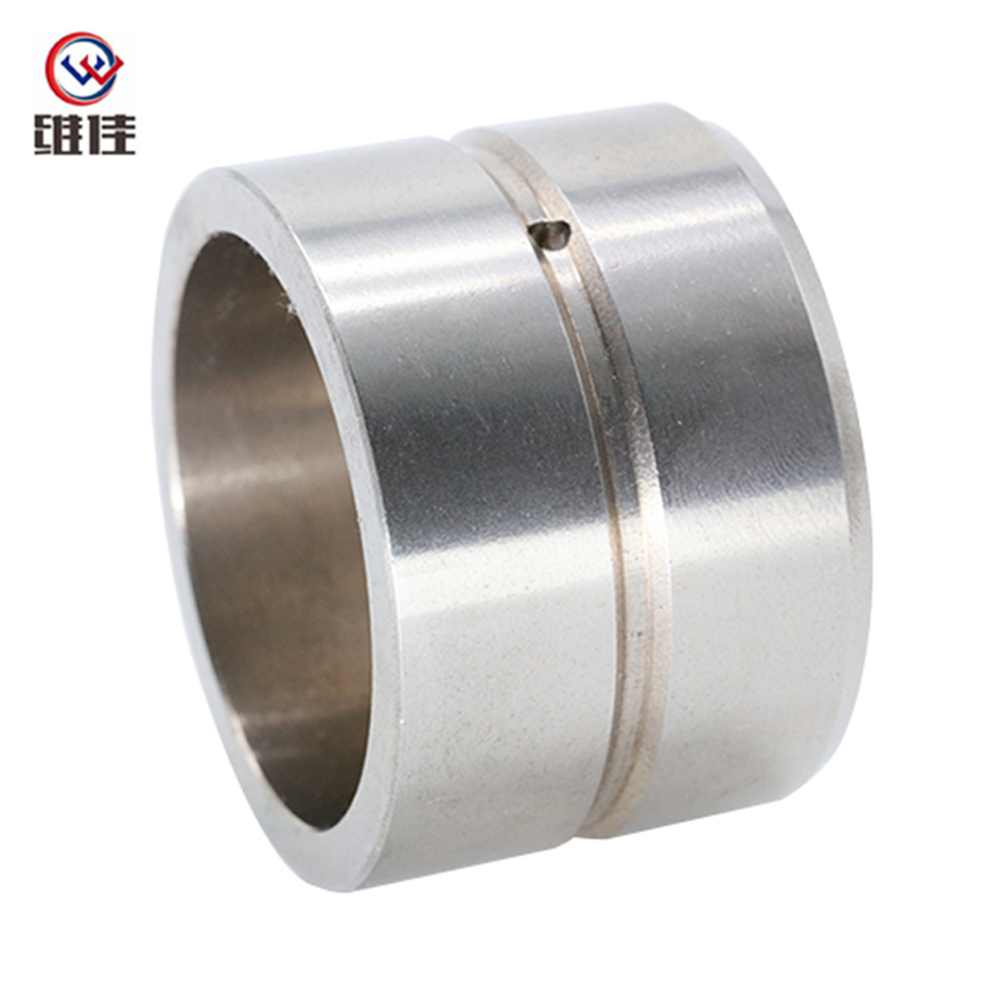
A steel cast copper bimetallic bushing is a composite sliding bearing component composed of two metallurgically bonded layers. The outer layer is typically steel, which provides structural rigidity and load-bearing strength. The inner layer is made of copper alloy, which offers excellent anti-friction properties and surface adaptability.
The key advantage of this design lies in the synergy between materials:
- Steel layer: ensures mechanical strength, impact resistance, and dimensional stability
- Copper alloy layer: reduces friction, improves wear resistance, and supports oil film formation
This structure classifies it as a typical bimetallic plain bearing bushing, widely used in heavy-duty and medium-speed mechanical systems. Compared with single-metal bushings, it provides significantly improved durability and performance consistency under variable load conditions.
In many industrial systems, such as hydraulic equipment and transmission assemblies, this type of copper steel composite bushing is selected to reduce maintenance frequency and extend service intervals.
Manufacturing Process of Steel Cast Copper Bimetallic Bushing
The production of a steel cast copper bimetallic bushing involves multiple controlled metallurgical and machining stages to ensure bonding strength and performance stability.
Steel Back Preparation
The process begins with selecting a low-carbon steel strip or forged steel base. The steel surface is cleaned, treated, and prepared to enhance adhesion with the copper alloy layer.
Casting or Sintering of Copper Alloy Layer
The copper alloy layer is applied through controlled casting or sintering. During this stage, the molten or semi-molten copper alloy bonds directly with the steel base under high temperature and pressure conditions.
Composite Bonding Process
This is a critical phase where metallurgical bonding occurs. The interface between steel and copper must be uniform to prevent delamination under heavy load.
Machining and Finishing
After bonding, the composite material is machined into precise bushing dimensions. Internal surfaces are finished to achieve optimal friction characteristics for self lubricating metal bushing performance.
Quality Inspection
Final products undergo dimensional inspection, hardness testing, and bonding strength verification to ensure suitability for industrial applications.
Key Performance Advantages
The widespread adoption of steel cast copper bimetallic bushing solutions is primarily driven by their strong performance advantages in demanding environments.
High Load Capacity
The steel backing provides excellent structural support, making it suitable for heavy duty sliding bearing bushing applications where extreme mechanical stress is present.
Superior Wear Resistance
The copper alloy layer reduces direct metal-to-metal contact, significantly improving service life under continuous friction conditions.
Thermal Stability
Efficient heat dissipation through the copper layer helps prevent overheating during high-speed operation.
Reduced Maintenance Requirements
Compared with traditional bushings, these components require less frequent lubrication and replacement.
Improved Operational Efficiency
Lower friction results in smoother motion and reduced energy loss in mechanical systems.
These advantages make it a preferred choice in industrial steel copper bushings used across multiple engineering fields.
Self-Lubrication and Friction Behavior
One of the most important features of this type of bushing is its self-lubricating capability. The copper alloy layer has microstructural properties that allow it to retain lubrication oil effectively.
During operation, a thin oil film forms between the shaft and the bushing surface. This film reduces direct contact and significantly lowers the friction coefficient.
In self lubricating steel backed copper bimetal bushing systems, this mechanism plays a crucial role in extending service life, especially in environments where continuous lubrication is difficult to maintain.
Additionally, the copper layer can adapt to minor shaft misalignments, further improving system stability.
Industrial Applications
The versatility of steel cast copper bimetallic bushing components makes them suitable for a wide range of industrial applications.
Heavy Machinery Systems
In construction and mining equipment, such as excavators and loaders, these bushings are used in pivot points and load-bearing joints. Their ability to withstand shock loads makes them highly reliable.
Transmission Systems
In gear assemblies and torque transmission units, they help maintain alignment and reduce mechanical wear.
Hydraulic Systems
Hydraulic cylinders and pump components benefit from the low friction and high durability characteristics.
Industrial Automation Equipment
Automated production systems require consistent performance and minimal downtime, making these bushings a suitable choice for precision motion systems.
In all these areas, wear resistant bimetal bearing solutions contribute to improved system reliability and efficiency.
Customization and Engineering Design Options
Modern engineering applications often require customized solutions. A custom size steel copper composite bushing manufacturer can adjust specifications based on load requirements, operating environment, and system design.
Common customization options include:
- Inner diameter and outer diameter adjustments
- Copper alloy composition optimization
- Surface groove design for improved lubrication
- Special coatings for corrosion resistance
These flexible design options make the bushing suitable for both standard and specialized industrial applications.
Maintenance and Service Life Optimization
Although steel cast copper bimetallic bushings are designed for durability, proper maintenance remains essential for maximizing performance.
Key maintenance practices include:
- Ensuring correct lubrication intervals
- Avoiding overload conditions during operation
- Monitoring temperature in high-speed systems
- Proper installation alignment
Failure to follow these guidelines may lead to premature wear or reduced efficiency. In most industrial environments, adopting a preventive maintenance strategy significantly extends service life.
Future Development Trends
The development of bimetallic bearing technology is closely aligned with industrial automation and sustainability goals.
Material Innovation
New alloy compositions are being developed to further enhance wear resistance and reduce friction.
Energy Efficiency Focus
Future designs aim to minimize energy loss through improved surface engineering.
Smart Bearing Systems
Integration of sensors for real-time monitoring of temperature, load, and wear conditions is becoming a growing trend.
Environmental Considerations
Manufacturing processes are shifting toward more sustainable and recyclable materials.
As a result, heavy duty steel cast copper bimetallic plain bearing solutions are expected to remain a key component in next-generation machinery systems.
ABOUT JIANDE WELFINE
Jiande Welfine Technology Co., Ltd. is a high-tech enterprise specializing in the R&D, manufacturing, and sales of powder metallurgy sintering products and precision-machined components. With a strong focus on engineering performance and industrial reliability, the company is committed to delivering high-quality solutions such as powder metallurgy bushings, self lubricating metal bushing products, and a wide range of precision structural parts used in modern mechanical systems.
In the field of sliding bearings and bushing technology, JIANDE WELFINE has developed extensive expertise in producing wear resistant bimetal bearing components and composite bushing structures that meet demanding industrial requirements. Its product range is widely applied in automotive systems, heavy machinery, hydraulic equipment, transmission systems, and general industrial automation.
The company operates a modern production base covering approximately 13,039 square meters, featuring a scientifically organized layout that supports efficient workflow from raw material processing to final inspection. Equipped with advanced powder metallurgy sintering lines, precision machining equipment, and comprehensive testing instruments, JIANDE WELFINE ensures consistent product quality, stable performance, and high dimensional accuracy across all production batches.
With continuous investment in process optimization and technological innovation, the company enhances the performance of key products such as steel cast copper bimetallic bushing solutions and other high load bimetal bushings. These improvements focus on extending service life, reducing friction loss, and improving load-bearing stability in complex operating environments.
JIANDE WELFINE also maintains a professional and experienced engineering team that integrates R&D, production management, and quality control. This enables the company to provide flexible OEM/ODM customization services, including custom size steel copper composite bushing solutions based on customer drawings, samples, and specific application requirements.
To ensure product reliability and global market competitiveness, JIANDE WELFINE strictly implements internationally recognized quality management systems and has obtained ISO 9001:2015 and IATF 16949:2016 certifications. These standards ensure that every bushing and sintered component meets high requirements in durability, consistency, and industrial performance.
By combining advanced powder metallurgy technology with precision manufacturing capabilities, JIANDE WELFINE continues to position itself as a reliable partner for industries seeking high-performance bimetallic plain bearing bushing solutions and long-term engineering support.
Conclusion
The steel cast copper bimetallic bushing represents a critical advancement in modern bearing technology. By combining structural strength with excellent tribological performance, it provides a balanced solution for high-load, high-wear industrial environments.
Its applications across heavy machinery, hydraulic systems, and transmission equipment demonstrate its versatility and reliability. With continued improvements in material science and manufacturing processes, this type of copper steel composite bushing will continue to play an essential role in improving industrial efficiency and equipment longevity.
FAQ
1. What is a steel cast copper bimetallic bushing?
A steel cast copper bimetallic bushing is a composite sliding bearing made of a steel backing layer and a copper alloy working layer. The steel provides structural strength and load support, while the copper layer reduces friction and improves wear resistance in motion systems.
2. Where are steel cast copper bimetallic bushings commonly used?
They are widely used in heavy machinery, hydraulic systems, mining equipment, construction machinery, and industrial transmission systems. These applications require high load capacity, stable performance, and long service life under continuous operation.
3. What are the main advantages of steel cast copper bimetallic bushings?
Key advantages include high load-bearing capacity, excellent wear resistance, good heat dissipation, reduced friction, and extended service life. They are especially effective in heavy duty sliding bearing bushing applications.
4. How does a steel cast copper bimetallic bushing reduce friction?
The copper alloy layer has excellent tribological properties and can retain lubricating oil, forming a stable oil film during operation. This reduces direct metal-to-metal contact and lowers the friction coefficient significantly.
5. Is a steel cast copper bimetallic bushing self-lubricating?
It is not fully self-lubricating in all cases, but it performs well in self lubricating metal bushing systems due to its oil-retaining copper layer. With proper lubrication, it can operate with minimal maintenance requirements.
6. What is the difference between a steel-backed copper bushing and a bimetallic bushing?
A steel-backed copper bushing is a general term for copper layers supported by steel. A bimetallic bushing specifically refers to a metallurgically bonded structure designed for higher strength, better wear resistance, and more stable performance under heavy loads.
Related products
-
-
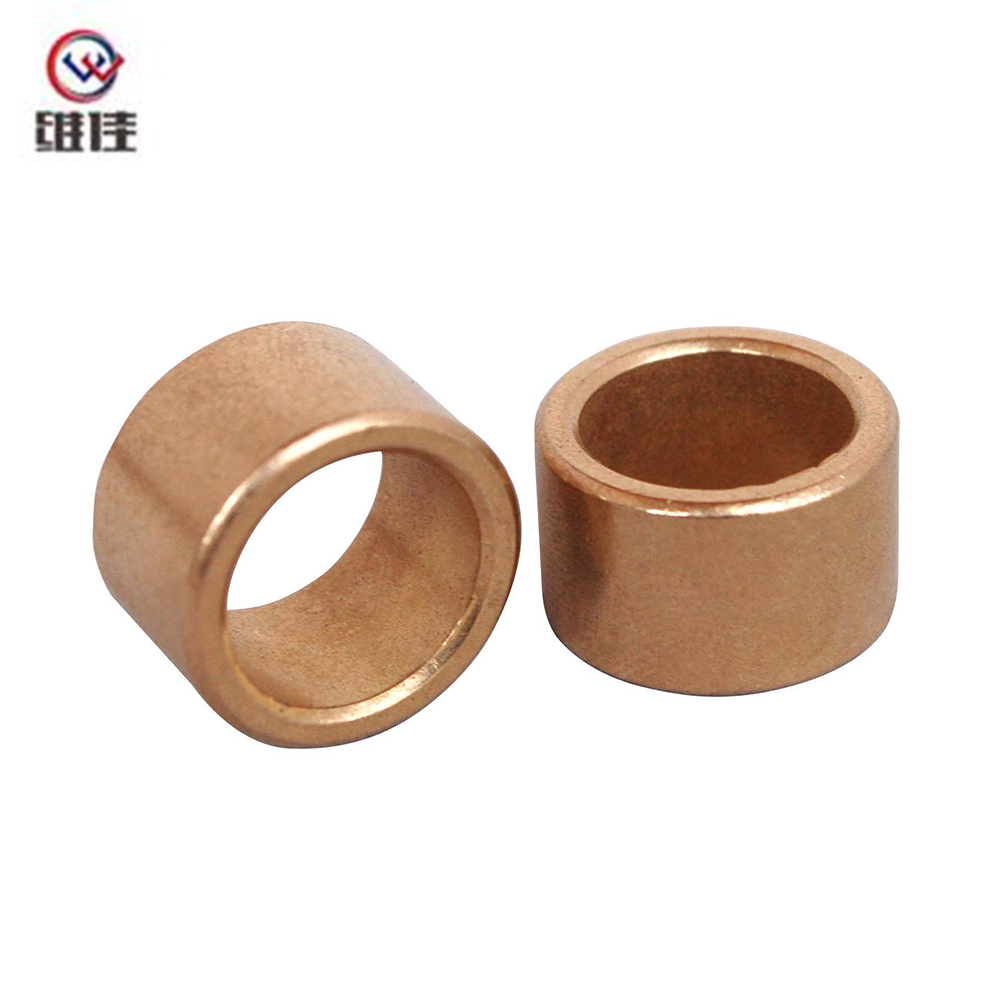
This copper-based powder metallurgy bushing is manufactured through an integrated process of compaction, sintering, sizing, and oil impregnation. It features excellent wear resistance and self-lubrica...
See Details -
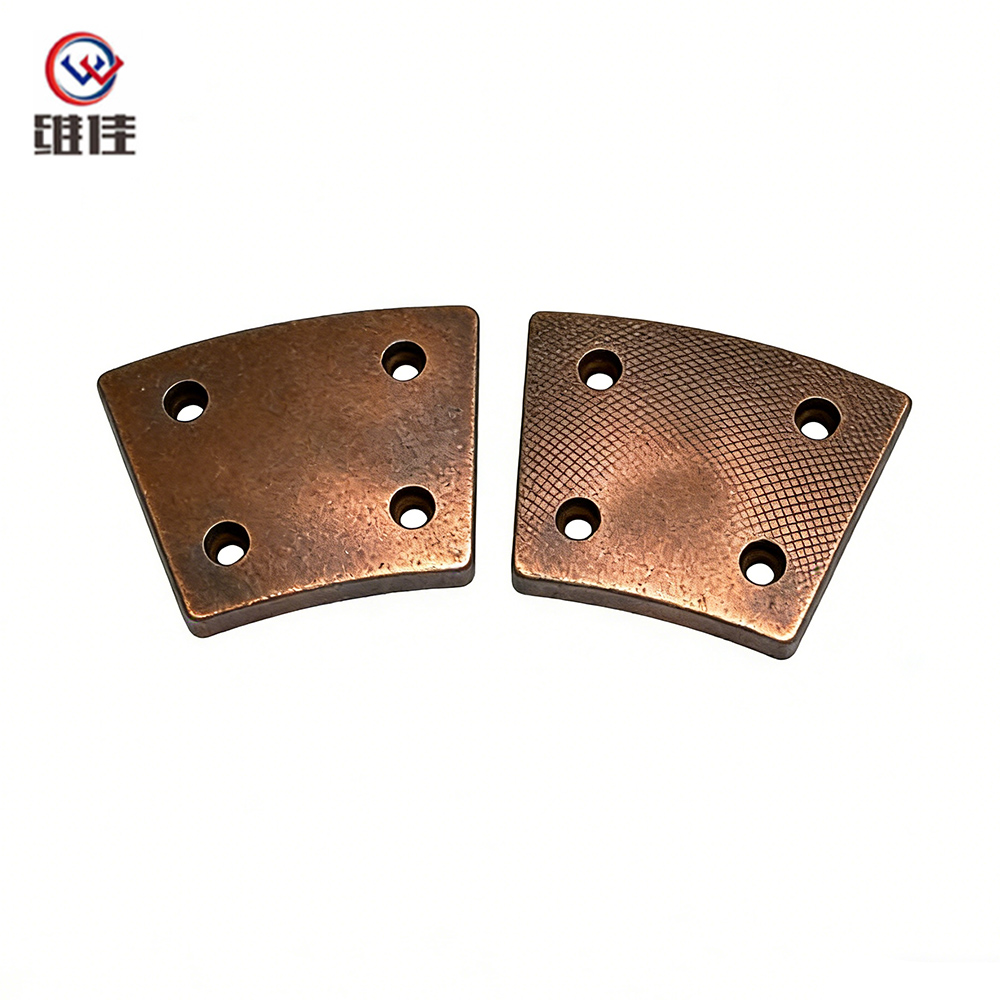
Description: 79.5×62×7.3mm copper-based brake pad with 4-hole design. Density 6.2g/cm³, weight 195g. Free from graphite segregation, cracks, and defects. Ideal for heavy-duty industrial braking system...
See Details
Copyright © Jiande Welfine Technology Co., Ltd. All Rights Reserved. Privacy Custom Self-lubricating Sintered Bushing Manufacturers
