English
 中文简体
中文简体


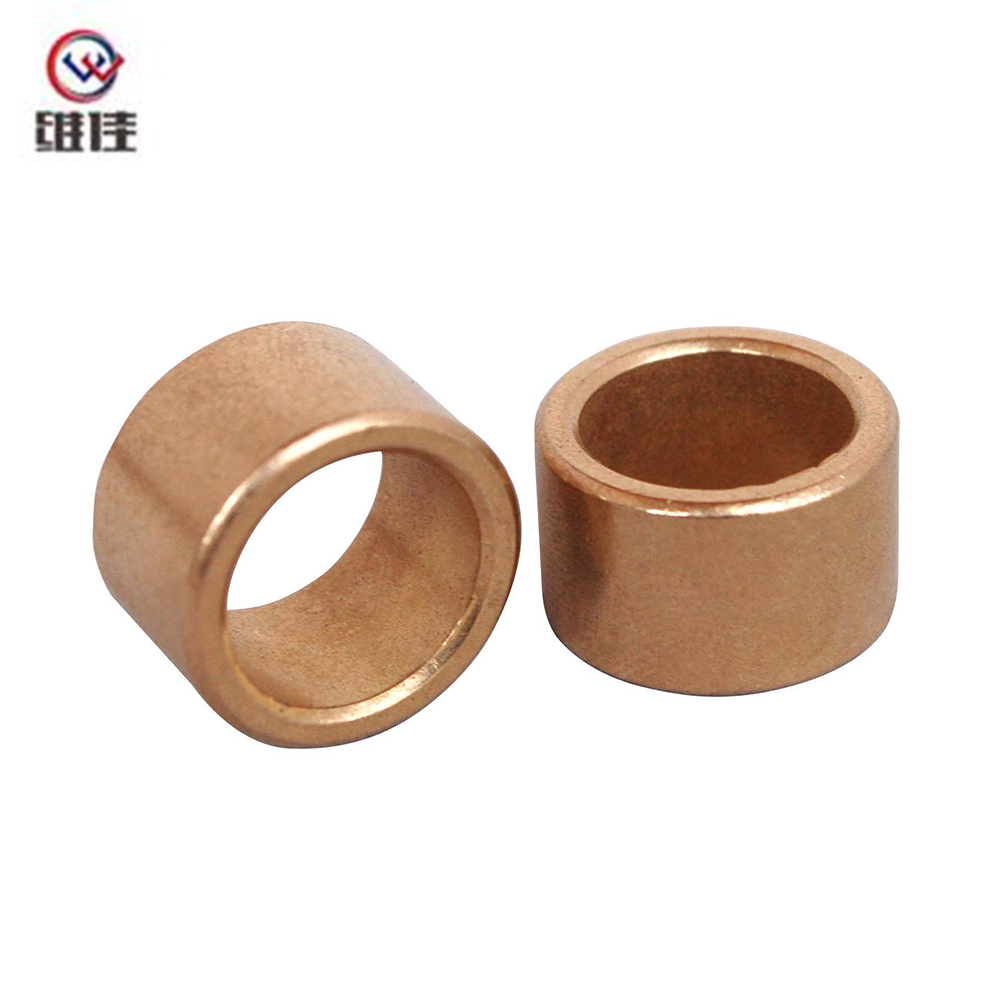
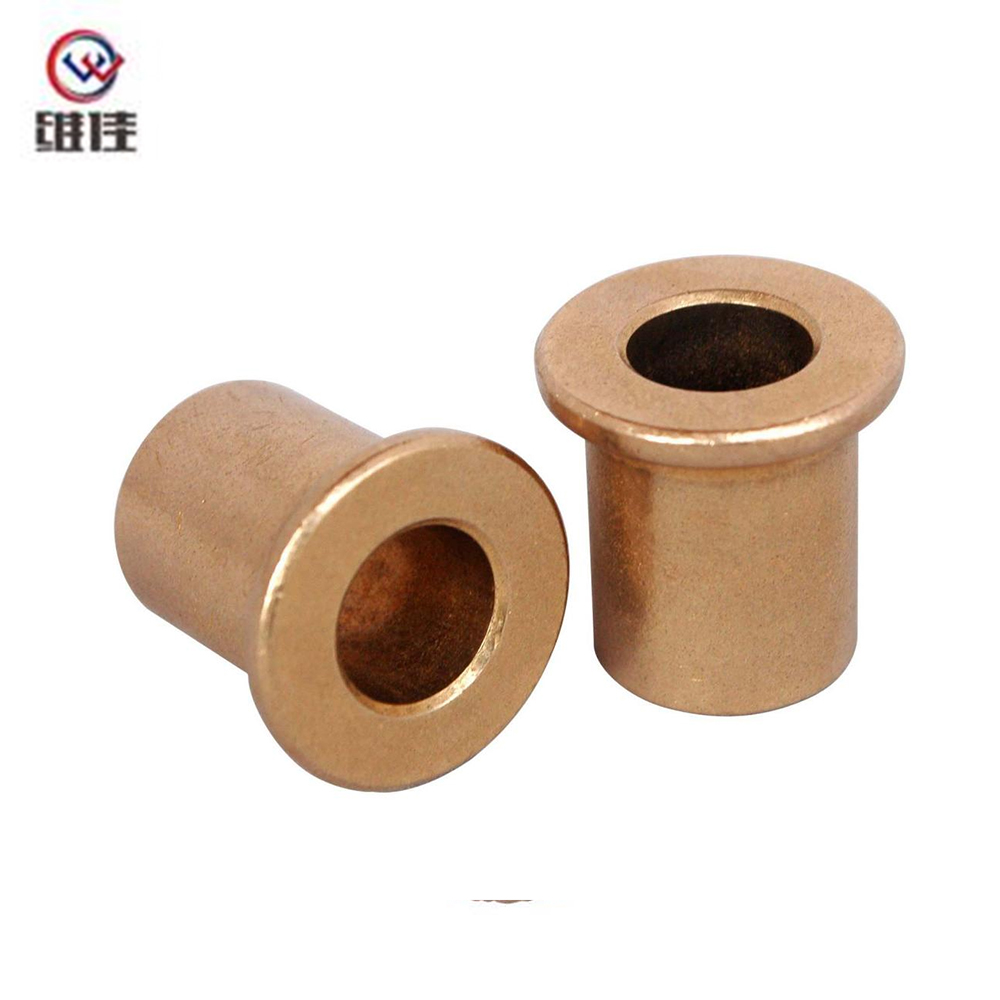
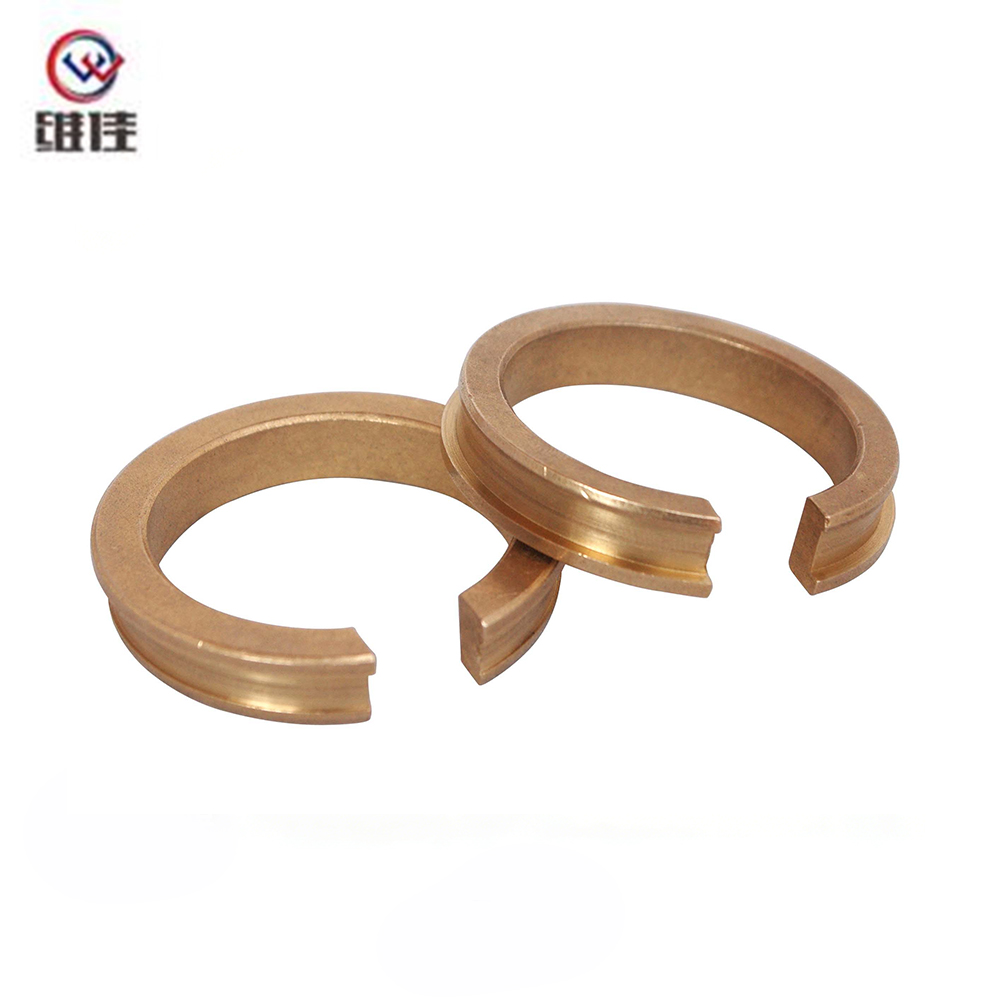
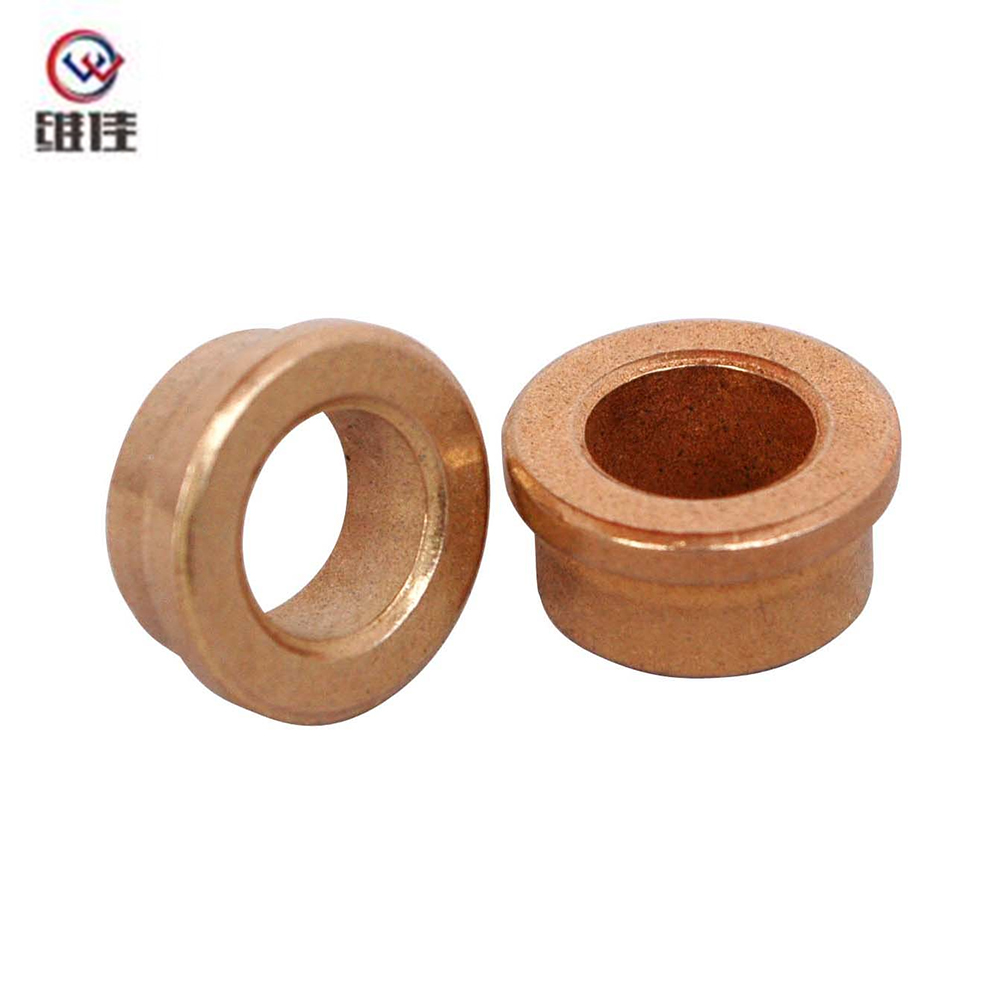
Oil-impregnated bearing bushings represent a self-lubricating solution that eliminates the need for external lubrication systems in many industrial applications. These components consist of porous metal matrices saturated with lubricating oil, which is gradually released during operation to maintain a consistent lubricating film between moving surfaces. The result is reduced maintenance requirements, extended equipment life, and improved operational reliability across diverse mechanical systems.
Working Principle of Oil-Impregnated Bearing Bushings
The fundamental operation of an oil-impregnated bearing bushing relies on the principle of controlled oil release through capillary action. The bearing material contains interconnected pores that constitute approximately 10-35% of the total volume, depending on the specific alloy composition and manufacturing process.
When the shaft begins rotating, friction generates heat at the contact surface. This temperature increase causes the oil within the pores to expand and migrate toward the bearing surface, forming a thin lubricating film. During idle periods, the oil gradually retracts back into the porous matrix through capillary forces, preventing excess leakage and preserving the lubricant reservoir.
Phase One: Static Condition
Oil remains stored within the porous matrix, occupying the interconnected voids throughout the bearing material. No active lubrication occurs during this resting state.
Phase Two: Initial Rotation
Friction generates localized heating, causing oil expansion. Capillary action draws oil toward the surface, initiating boundary lubrication.
Phase Three: Steady Operation
A consistent oil film maintains hydrodynamic lubrication. Oil circulates continuously between surface and matrix, providing sustained protection.
This self-regulating mechanism eliminates the complexity associated with external lubrication systems while ensuring consistent performance throughout the bearing's operational life. The continuous oil supply remains effective for several thousand hours of operation before requiring re-impregnation in typical applications.
Material Composition and Manufacturing Process
Oil-impregnated bearing bushings utilize specific material combinations optimized for both structural integrity and oil retention capacity. The most common base materials include bronze, iron, and various alloy compositions engineered for particular operating conditions.
Primary Material Categories
| Material Type | Porosity Range | Typical Applications | Load Capacity |
| Bronze-based | 20-30% | General machinery, pumps | Moderate to High |
| Iron-based | 15-25% | Automotive, heavy equipment | High |
| Iron-bronze composite | 18-28% | Mixed application requirements | Moderate to High |
Manufacturing Steps
The production of oil-impregnated bearing bushings follows a powder metallurgy process that ensures controlled porosity and consistent material properties:
- Step 1: Powder preparation and mixing - Metallic powders are blended with lubricants and additives to achieve desired properties
- Step 2: Compaction - Mixed powders are pressed into the bushing shape under high pressure
- Step 3: Sintering - Compacted parts are heated below melting point to bond particles while maintaining porosity
- Step 4: Sizing - Final dimensional correction through additional pressing
- Step 5: Oil impregnation - Vacuum treatment forces lubricating oil into the porous structure
The sintering process occurs at temperatures between 750-850 degrees Celsius for bronze materials and 1000-1100 degrees Celsius for iron-based compositions. This thermal treatment creates metallurgical bonds between particles while preserving the interconnected pore network essential for oil storage.
Key Advantages Over Conventional Bearings
Oil-impregnated bearing bushings offer several distinct benefits that make them preferable for specific applications where traditional bearing solutions present limitations.
Reduced Maintenance
Elimination of external lubrication systems decreases maintenance intervals by up to 90% compared to conventionally lubricated bearings in suitable applications.
Cost Efficiency
Lower total ownership costs result from reduced lubricant consumption, fewer maintenance personnel requirements, and decreased downtime.
Design Simplification
Compact design eliminates need for grease fittings, oil lines, or complex lubrication distribution systems within machinery.
Clean Operation
Minimal oil leakage prevents contamination in sensitive environments such as food processing, pharmaceutical, or textile manufacturing.
Environmental and Safety Benefits
The self-contained lubrication system significantly reduces environmental risks associated with oil disposal and leakage. Without external lubrication requirements, there is minimal risk of lubricant contamination in the surrounding environment. This characteristic proves particularly valuable in applications where cleanliness is paramount, such as medical equipment, food processing machinery, and precision instruments.
Additionally, the elimination of maintenance-related tasks reduces worker exposure to lubricants and decreases the risk of accidents associated with maintenance procedures in difficult-to-access locations.
Industrial Applications and Use Cases
Oil-impregnated bearing bushings find extensive application across diverse industries, particularly where maintenance accessibility is limited or where clean operation is essential.
Automotive Industry
The automotive sector represents one of the largest markets for oil-impregnated bearing bushings. These components serve in numerous applications including:
- Starter motor bearings providing reliable operation in high-temperature environments
- Alternator and generator bearings requiring maintenance-free operation throughout vehicle life
- Door hinge and latch mechanisms benefiting from clean, long-term lubrication
- Wiper motor assemblies operating in exposed environmental conditions
Home Appliances
Household appliances extensively utilize oil-impregnated bearings due to their maintenance-free characteristics and clean operation:
| Appliance Type | Bearing Location | Key Requirement |
| Washing machines | Pump and motor shafts | Water resistance, long life |
| Refrigerators | Compressor motor | Low noise, reliability |
| Fans and blowers | Motor bearings | Quiet operation |
| Power tools | Motor and gear assemblies | Impact resistance |
Industrial Machinery
Manufacturing equipment employs oil-impregnated bearings in locations where regular lubrication access is impractical or where contamination must be minimized:
- Conveyor systems spanning large distances with numerous bearing points
- Textile machinery requiring oil-free operation to prevent fabric staining
- Printing equipment where lubricant marks would ruin product quality
- Food processing machinery mandating hygienic, contamination-free operation
- Agricultural equipment exposed to harsh environmental conditions
Performance Characteristics and Limitations
Understanding the operational boundaries of oil-impregnated bearing bushings ensures proper application selection and prevents premature failure.
Load and Speed Capabilities
Oil-impregnated bearings perform optimally under moderate load conditions with sufficient shaft rotation to maintain the hydrodynamic oil film. Typical performance parameters include:
3-5
MPa maximum unit load capacity for bronze bearings
1-3
m/s typical shaft surface speed range
-60 to 120
degrees Celsius operating temperature range
Critical Limitations
Several constraints limit the application of oil-impregnated bearing bushings in certain scenarios:
High-Impact Loads
The porous structure provides lower shock absorption compared to solid bearing materials. Applications with significant impact loading may experience accelerated wear or structural damage to the bearing matrix.
Continuous High-Speed Operation
Extended operation at speeds exceeding design limits causes oil starvation as the rate of oil supply cannot match the rate of oil consumption at the bearing surface. This results in elevated temperatures and accelerated wear.
Extreme Temperature Conditions
Operations outside the recommended temperature range affect oil viscosity and retention. High temperatures reduce oil viscosity and accelerate oxidation, while low temperatures increase viscosity and impede oil flow to the bearing surface.
Shaft hardness also significantly influences bearing life. Shafts should have a hardness value of at least HRC 40-45 to prevent wear particles from the shaft contaminating the bearing surface and obstructing oil flow through the pores.
Selection Criteria for Optimal Performance
Proper selection of oil-impregnated bearing bushings requires careful consideration of multiple factors to ensure reliable operation throughout the intended service life.
Application Assessment Factors
The selection process begins with a thorough analysis of operational requirements:
- Load magnitude and direction: Determine if load is radial, axial, or combined, and calculate maximum unit pressure on bearing surface
- Operating speed range: Identify minimum and maximum rotational speeds, including start-stop frequency
- Environmental conditions: Assess temperature extremes, humidity, presence of contaminants, and exposure to chemicals
- Duty cycle characteristics: Evaluate continuous versus intermittent operation and expected annual operating hours
Material Selection Guidelines
| Application Characteristic | Recommended Material | Rationale |
| High corrosion resistance needed | Bronze | Superior corrosion resistance |
| Maximum load capacity required | Iron-based | Higher compressive strength |
| Balanced performance needed | Iron-bronze composite | Combines strength and corrosion resistance |
Dimensional Considerations
Proper clearance between shaft and bearing affects oil film formation and heat dissipation. The recommended running clearance typically ranges from 0.1% to 0.3% of the shaft diameter, depending on operating temperature and material thermal expansion characteristics.
Wall thickness selection must balance structural strength with adequate oil reservoir capacity. Standard wall thicknesses range from 2-5 millimeters for common applications, with thicker walls providing greater oil storage but potentially reducing heat dissipation efficiency.
Installation and Maintenance Practices
Correct installation procedures and appropriate maintenance practices significantly influence the service life and reliability of oil-impregnated bearing bushings.
Proper Installation Procedures
Housing Preparation:
- Ensure housing bore surface finish meets specifications, typically Ra 1.6-3.2 micrometers
- Verify housing bore dimensional accuracy within tolerance range
- Clean housing thoroughly to remove machining debris and contaminants
Bearing Installation:
- Apply light film of compatible oil to bearing outer surface before pressing
- Use proper pressing tools that distribute force evenly across bearing face
- Avoid impact installation methods that could damage the porous structure
Re-impregnation and Service Life Extension
When oil depletion occurs after extended service, bearings can be re-impregnated to restore lubricating capacity. This process involves:
- Cleaning the bearing to remove accumulated debris and degraded oil
- Heating the bearing to reduce oil viscosity and facilitate impregnation
- Submerging in vacuum chamber with compatible lubricating oil
- Applying vacuum to remove air from pores, then releasing to allow oil penetration
- Draining excess oil and verifying proper impregnation level
The re-impregnation process can restore approximately 80-90% of original oil capacity, extending service life significantly when performed before permanent structural damage occurs.
Troubleshooting Common Failure Modes
Recognizing failure symptoms and understanding their causes enables corrective action before catastrophic damage occurs to machinery.
Typical Failure Patterns
| Failure Symptom | Probable Cause | Corrective Action |
| Excessive noise | Oil depletion, shaft misalignment, or surface damage | Check oil content, verify alignment, inspect bearing surface |
| Overheating | Inadequate clearance, excessive load, or insufficient oil | Reduce load, verify clearance, re-impregnate bearing |
| Rapid wear | Shaft hardness too low, contamination, or overload | Use harder shaft, improve sealing, reduce load |
| Seizure | Complete oil exhaustion, extreme overload, or foreign particles | Replace bearing, address root cause, improve sealing |
Regular inspection during scheduled maintenance intervals allows early detection of developing problems. Monitoring operating temperature and noise levels provides valuable indicators of bearing condition without requiring disassembly.
Future Developments and Technological Advances
Ongoing research continues to expand the capabilities and applications of oil-impregnated bearing technology through material innovations and manufacturing improvements.
Advanced Material Research
Current development efforts focus on several promising areas:
- Nanoparticle-enhanced matrices: Incorporation of solid lubricant nanoparticles into the porous structure improves performance under boundary lubrication conditions and extends operational limits
- Composite materials: Combining metal matrices with polymer components achieves improved damping characteristics and reduced noise generation
- Specialized oil formulations: Synthetic lubricants with enhanced thermal stability and oxidation resistance extend operating temperature ranges and service intervals
Manufacturing Innovations
Advanced manufacturing techniques enable more precise control over pore structure and distribution, resulting in more consistent oil release characteristics and improved bearing life. Computer-controlled sintering processes allow optimization of temperature profiles to achieve ideal pore interconnection while maintaining mechanical strength.
These technological advances continue to expand the application envelope for oil-impregnated bearing bushings, making them increasingly competitive with conventional bearing solutions across a broader range of industrial applications.
The fundamental value proposition of oil-impregnated bearing bushings remains compelling: reliable, maintenance-reduced operation through elegant self-lubricating design. Proper selection, installation, and application ensure these components deliver their intended benefits across diverse mechanical systems.