E-mail us: [email protected]
Tel: +86-15239857375
 English
 中文简体


 Home / Author / Tan Xinyue — After-Sales Technical Coordinator / Sintered Bronze Self-Lubricating Bushings: High-Performance Bearings for Demanding Industrial Applications
Sintered Bronze Self-Lubricating Bushings: High-Performance Bearings for Demanding Industrial Applications
 2026.10.18
 Tan Xinyue — After-Sales Technical Coordinator
Content
- 1 Understanding Sintered Bronze Self-Lubricating Bushings
- 2 Why Bronze Is Suitable for Self-Lubricating Bearings
- 3 Product Range for Industrial Bearing Applications
- 4 Key Performance Advantages
- 5 Manufacturing Process Based on Powder Metallurgy
- 6 Why Powder Metallurgy Can Outperform Conventional Machining
- 7 Customization for OEM and ODM Applications
- 8 Comparison with Alternative Bearing Materials
- 9 Applications Across Multiple Industries
- 10 Installation Guidelines for Reliable Performance
- 11 Design Considerations for Service Life
- 12 Manufacturing Strengths of Jiande Welfine Technology Co., Ltd.
- 13 Quality Assurance and Customer Support
- 14 Economic and Environmental Benefits
- 15 Frequently Asked Questions
- 15.1 What makes a sintered bronze bushing self-lubricating?
- 15.2 Are sintered bronze bushings completely maintenance-free?
- 15.3 Can these bushings operate without external grease?
- 15.4 What materials are available?
- 15.5 Can the bushings be customized?
- 15.6 What information is needed to select the correct bushing?
- 15.7 Are sintered bronze bushings suitable for high-temperature applications?
- 15.8 Can they be used in vacuum or clean environments?
- 15.9 How should a sintered bronze bushing be installed?
- 15.10 Why choose a specialist powder metallurgy manufacturer?
- 15.11 Does a porous bearing have lower strength than a solid bronze bushing?
- 15.12 What industries use these products?
- 16 Conclusion
- 17 References
- 18 Product: Sintered Bronze Self-lubricating Bushings
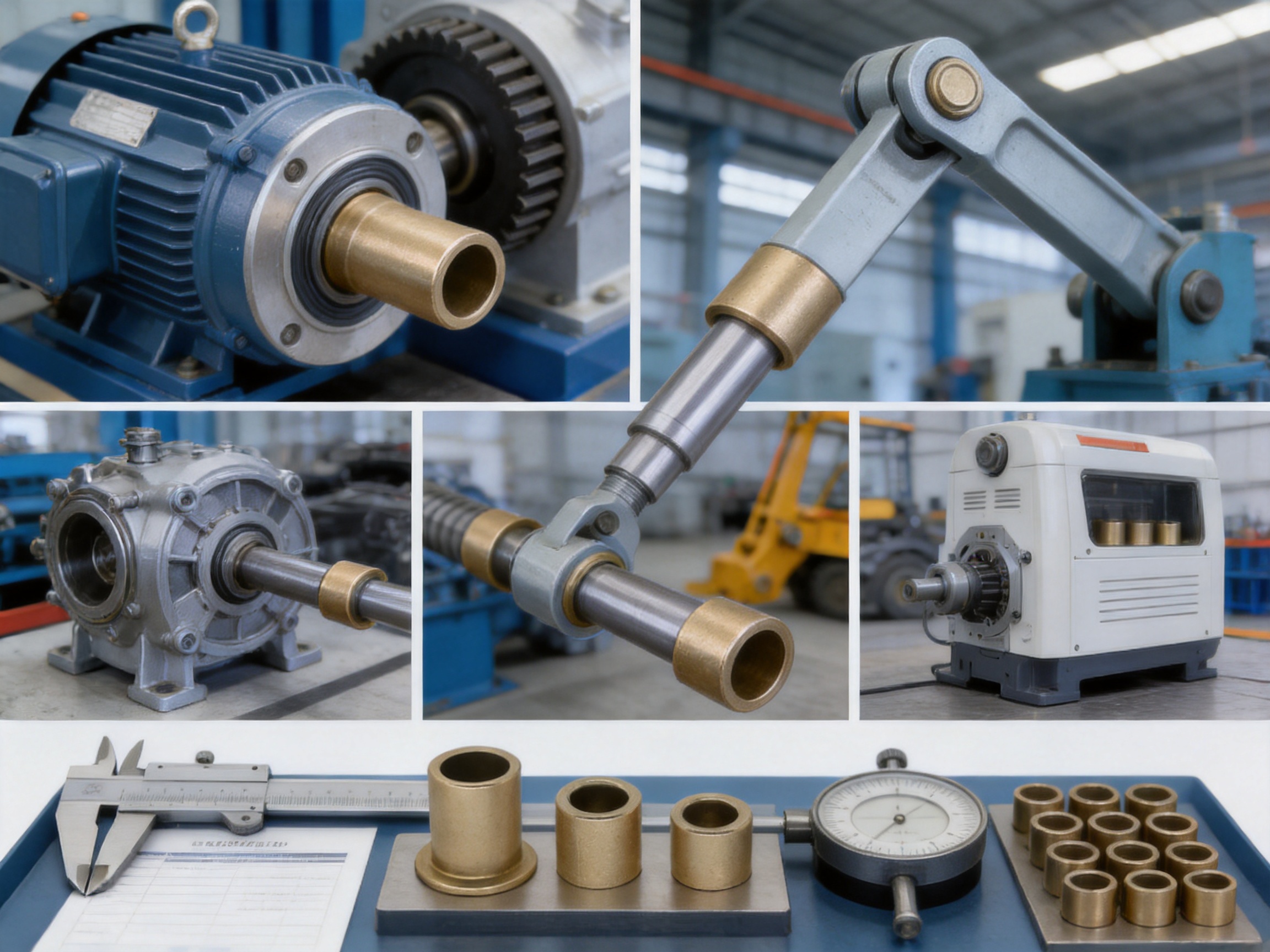
Sintered bronze self-lubricating bushings are engineered bearing components designed to support rotating, oscillating, and sliding motion while reducing the need for external lubrication. Manufactured through powder metallurgy, these bushings combine a porous bronze structure with carefully controlled material properties to deliver low friction, reliable wear resistance, and long operating life.
For equipment designers, maintenance teams, and industrial manufacturers, the selection of a suitable bushing can directly influence machine efficiency, service intervals, operating noise, and total ownership cost. Conventional bearings may require regular grease or oil application, while poorly matched bearing materials can experience rapid wear, seizure, corrosion, or unstable performance. Sintered bronze self-lubricating bushings provide an alternative for applications where maintenance access is restricted, contamination must be minimized, or dependable operation is required under demanding conditions.
Jiande Welfine Technology Co., Ltd. specializes in powder metallurgy bushings, self-lubricating bearings, and precision sintered metal components. With more than two decades of experience, a modern production base, advanced forming and sintering equipment, and certified quality management systems, the company provides customized bearing solutions for industrial machinery, automotive components, motors, gear systems, appliances, construction equipment, and other mechanical applications.
Understanding Sintered Bronze Self-Lubricating Bushings
A bushing is a sleeve-shaped bearing component that supports a shaft or moving member. Its primary functions are to reduce friction, guide movement, absorb operating loads, and protect the surrounding housing and shaft from excessive wear. Unlike rolling-element bearings, bushings operate through sliding contact rather than balls or rollers.
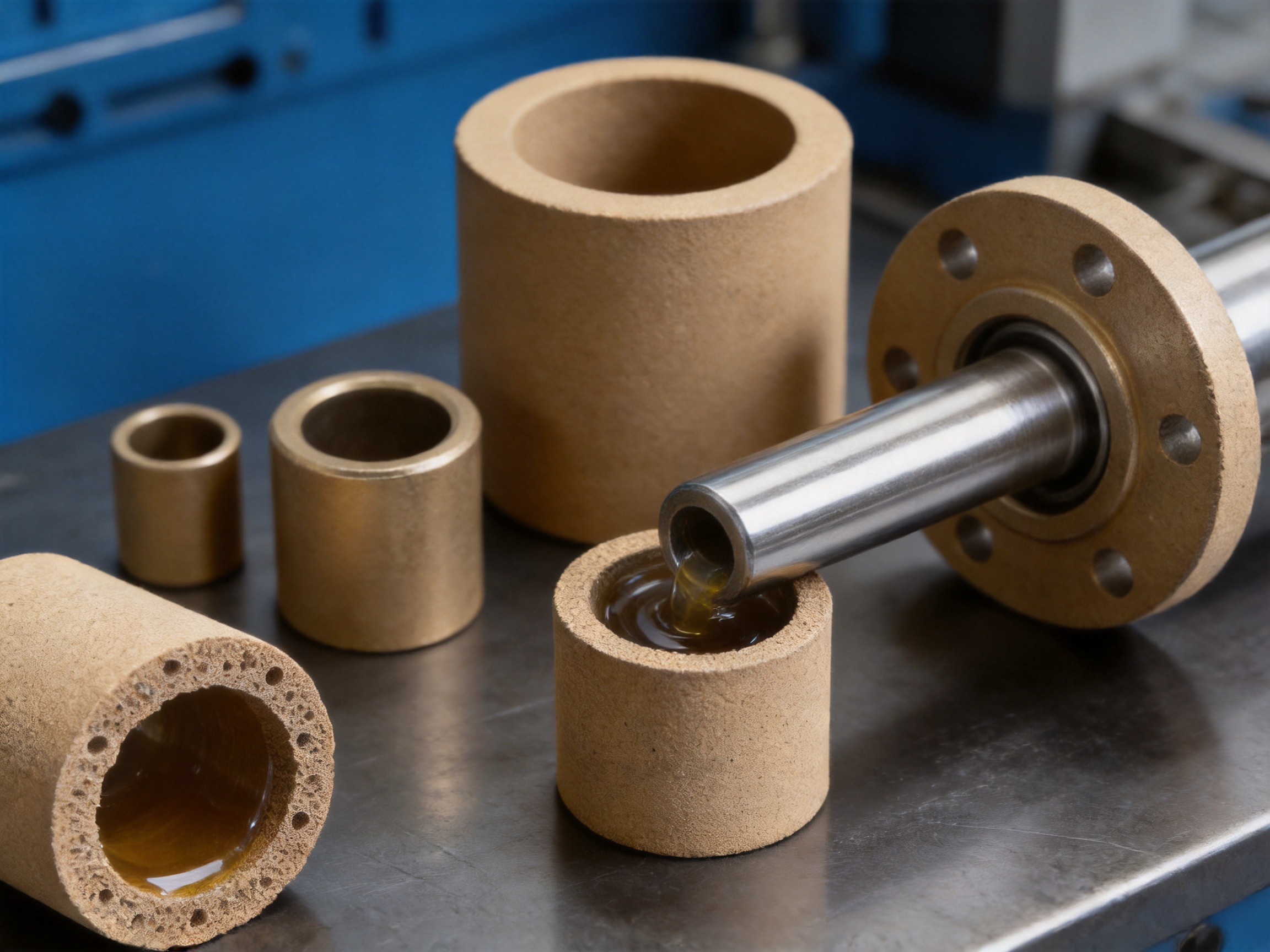
Sintered bronze bushings are produced from metal powders that are compacted into a near-net-shape blank and then heated below the material’s melting point. This controlled heating process, known as sintering, bonds the powder particles and creates a strong, dimensionally stable component. The resulting structure can contain interconnected pores that are filled with lubricating oil during a subsequent impregnation process.
During operation, heat and shaft movement encourage a controlled release of oil from the pores to the bearing surface. When the shaft stops, much of the oil can return to the porous structure through capillary action. This creates a replenishing lubrication cycle that helps the bushing operate for extended periods without frequent manual lubrication.
The self-lubricating performance of a sintered bronze bushing depends on several factors, including alloy composition, porosity, oil type, surface finish, shaft hardness, load, speed, temperature, alignment, and environmental conditions. For this reason, a professional manufacturer must control both the powder metallurgy process and the final inspection process.
Why Bronze Is Suitable for Self-Lubricating Bearings
Bronze is widely used for oil-impregnated bearings because it provides a balanced combination of strength, thermal conductivity, machinability, wear resistance, and friction performance. Compared with many nonmetallic bearing materials, bronze offers excellent dimensional stability under mechanical and thermal loads.
The metal matrix supports the applied load while the porous structure stores and releases lubricant. This combination allows the bushing to maintain a stable sliding interface without relying entirely on an external oil or grease supply. Bronze also conducts heat away from the sliding zone, helping reduce localized temperature increases during continuous operation.
Different bronze compositions can be selected for different service requirements. Tin bronze alloys may provide a useful balance of strength, wear resistance, and corrosion resistance. Lead bronze compositions can offer favorable embeddability and sliding characteristics in suitable applications. Special sintered alloys may be developed for dry-running, elevated-temperature, or other specialized environments.
Material selection should always be based on the complete operating profile rather than on load capacity alone. A bushing used in a clean, slow-speed mechanism may require different properties from one installed in a dusty industrial machine or a high-temperature actuator. Welfine’s engineering team can evaluate drawings, samples, working conditions, and performance objectives when recommending a suitable bushing structure and material.
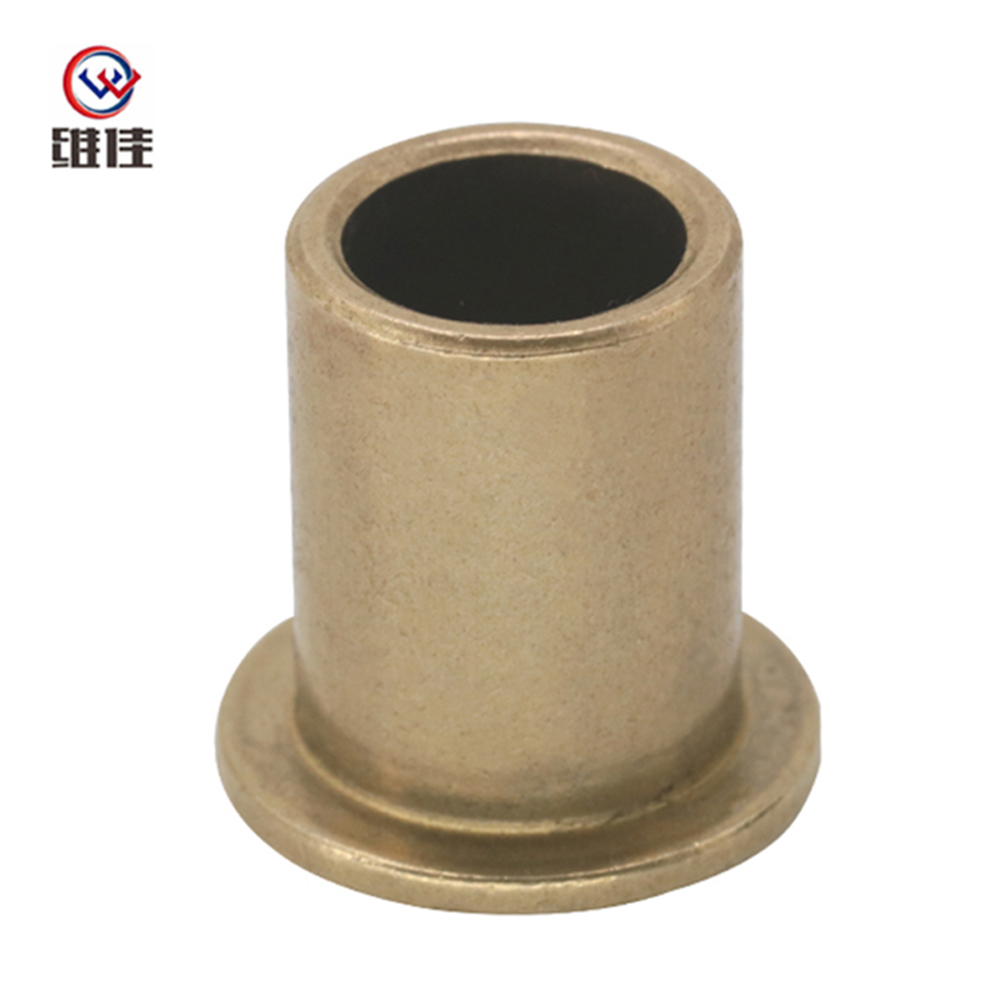
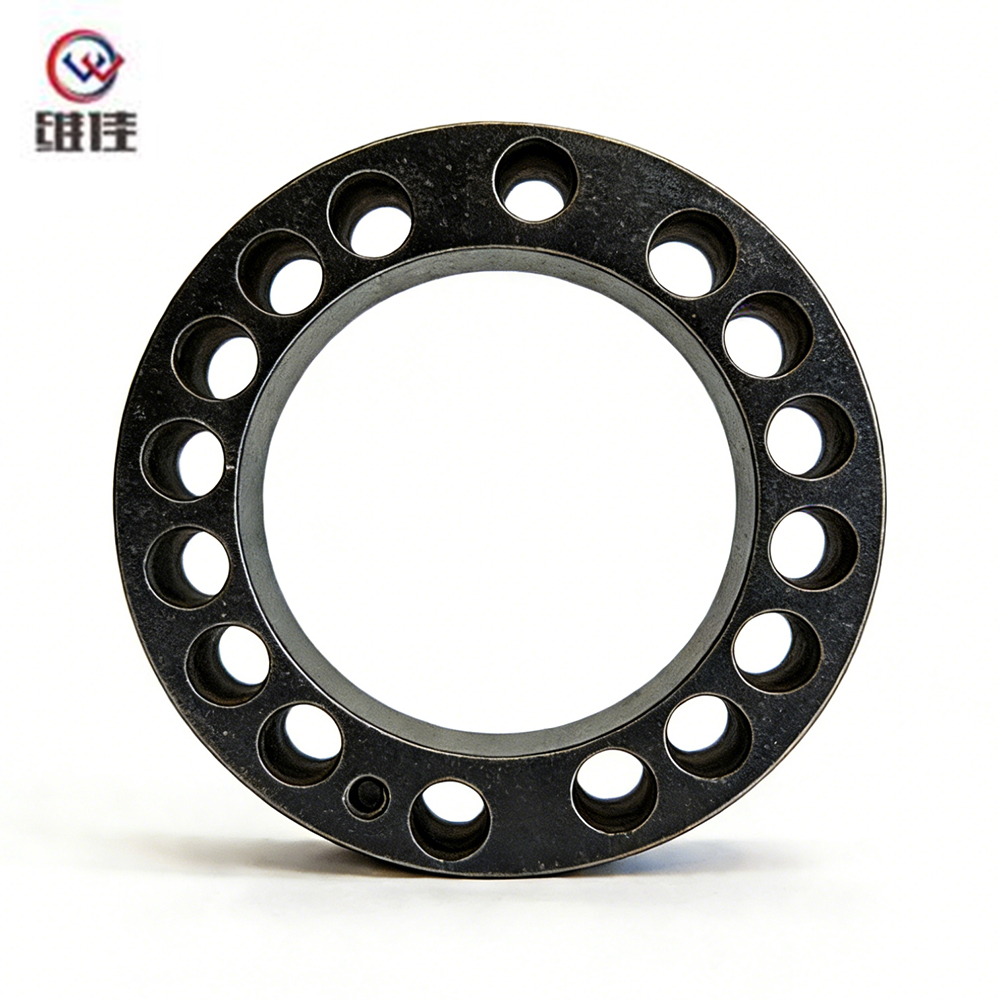
Sintered Bronze Self-lubricating Bushings
Product Range for Industrial Bearing Applications
A complete range of sintered bronze bearing solutions allows equipment manufacturers to select a product that matches their operating conditions. Standard products may be available in common cylindrical, flanged, or custom geometries, while OEM programs can be developed around customer drawings or samples.
Sintered Alloy Self-Lubricating Bearings
Sintered alloy self-lubricating bearings are designed for general industrial mechanisms that require controlled friction, reliable support, and reduced maintenance. Their porous structure can be impregnated with an appropriate lubricating oil, enabling stable performance during regular start-and-stop cycles and continuous operation.
These bearings can be manufactured in a variety of internal diameters, external diameters, lengths, flange configurations, and mounting features. The near-net-shape powder metallurgy process also makes it possible to produce repeatable components with reduced material waste compared with machining a complete part from solid bar stock.
Dry-Running and High-Temperature Bearings
Some mechanisms operate where conventional liquid lubrication is undesirable or difficult to maintain. Examples include equipment exposed to high temperatures, vacuum-related systems, clean mechanical assemblies, and components installed in locations where maintenance access is limited.
For these applications, the design may require a special material formulation, lubricant selection, surface treatment, clearance specification, or operating limitation. Dry-running capability should not be interpreted as unlimited operation without lubrication under every condition. Instead, it refers to a bearing design developed to tolerate limited or absent external lubrication within a defined range of load, speed, temperature, and environmental conditions.
Sintered Tin Bronze Bearings
Sintered tin bronze bearings, including CuSn series materials, are suitable where a combination of mechanical strength, wear resistance, and corrosion resistance is needed. Tin bronze is frequently considered for industrial mechanisms that experience moderate to heavy loading and repeated sliding or oscillating movement.
The final bearing performance depends on the specific composition and manufacturing parameters. Powder particle size, compacting pressure, sintering temperature, porosity, oil impregnation, and finishing operations must be controlled to produce a stable product.
Sintered Lead Bronze Bearings
Sintered lead bronze bearings, including CuPb series materials, can be selected for applications requiring favorable sliding behavior and resistance to certain forms of friction-related damage. The material may be suitable for mechanisms in which shaft alignment, start-up conditions, or intermittent operation create challenging lubrication conditions.
Because lead-containing materials may be restricted in certain markets or applications, material compliance requirements must be reviewed before production. A qualified supplier can help customers evaluate application restrictions, regulatory expectations, and alternative alloy options when necessary.
Key Performance Advantages
Maintenance-Free or Low-Maintenance Operation
The most important advantage of an oil-impregnated bushing is the reduction of routine lubrication work. Once installed correctly and operated within its design parameters, the bushing can provide a long period of service without regular grease application or connection to a centralized lubrication system.
This advantage is particularly valuable when bearings are located inside enclosed assemblies, behind protective covers, within compact mechanisms, or in equipment installed at height. Reducing lubrication points also helps decrease the risk of missed maintenance, incorrect lubricant selection, and contamination introduced during servicing.
In practical terms, maintenance reduction can improve equipment availability and lower labor costs. It may also simplify machine design because external oil passages, grease fittings, seals, and lubrication reservoirs may not be required. However, correct installation, shaft preparation, alignment, and operating conditions remain essential for achieving the intended service life.
High Load Capacity
Sintered bronze provides a strong metallic matrix capable of supporting static and dynamic loads. The bearing is designed to distribute contact pressure over the available sliding surface, reducing localized stress between the shaft and housing.
Load capacity is influenced by projected bearing area, shaft diameter, bearing length, load direction, speed, lubrication condition, temperature, and the duration of operation. A short bushing under a high radial load may experience a different stress profile from a long bushing carrying the same total force. Therefore, load calculations should consider both the total load and the load per unit projected area.
When the bushing is correctly specified, its stable structure helps prevent premature deformation and excessive clearance growth. This can support reliable motion in mechanical systems that experience frequent cycling, vibration, or intermittent shock loads.
Low Friction and Controlled Wear
The oil released from the porous structure forms a lubricating film between the shaft and bearing surface. This reduces direct metal-to-metal contact and helps control friction during movement. Lower friction can reduce drive power requirements, heat generation, noise, and wear on the mating shaft.
The bronze surface also has favorable sliding characteristics when paired with an appropriate shaft material and finish. In many applications, the bearing is intentionally designed to be the replaceable wear component, protecting a more expensive shaft or housing from damage.
Wear performance is not determined by the bushing alone. Shaft hardness, roundness, surface roughness, alignment, and cleanliness have a major influence on service life. A well-designed bearing system combines the bushing with a properly prepared mating surface.
Wide Temperature Capability
Sintered bronze bushings can be developed for a broad range of temperatures. The metallic structure offers good thermal stability, while the selected impregnating oil determines a significant portion of the usable temperature range.
At elevated temperatures, lubricant viscosity, evaporation behavior, oxidation resistance, and replenishment characteristics must be considered. At low temperatures, lubricant flow and start-up friction may become important. Special formulations can be evaluated for applications involving repeated thermal cycling or continuous exposure to heat.
Compared with some polymer-based alternatives, bronze bushings can maintain dimensional stability and load-bearing strength in environments where temperature fluctuations would soften, swell, or degrade nonmetallic materials. The actual operating limits must always be confirmed for the selected material and lubricant system.
Excellent Thermal Stability
Bronze has good heat-conduction characteristics, which helps transfer frictional heat away from the contact zone. This is useful in mechanisms that run continuously or experience repeated movement at moderate speed.
Thermal stability also supports consistent clearance and geometry. Excessive heat can change material dimensions, reduce lubricant viscosity, and accelerate wear. A properly designed sintered bronze bushing helps manage these effects through its metallic structure, controlled porosity, and suitable oil impregnation.
Electrical Conductivity
As a metal-based component, bronze can conduct electrical charge and reduce the risk of static accumulation in suitable mechanical assemblies. This may be beneficial in applications where static discharge could interfere with sensitive equipment or create an operational concern.
Electrical conductivity should be evaluated as part of the complete system because coatings, lubricants, insulation layers, surface contamination, and housing materials can influence electrical behavior. Nevertheless, a metallic bushing can provide an advantage over many electrically insulating bearing materials.
Resistance to Dust, Contamination, and Corrosion
Industrial equipment may be exposed to dust, dirt, moisture, process residue, or mildly corrosive atmospheres. Sintered bronze materials can provide reliable service in many such environments when the bearing design includes appropriate clearance, sealing, surface protection, and lubricant selection.
The bearing’s porous structure and oil film can help reduce direct contact between contaminants and the sliding surfaces. However, heavily contaminated conditions may still require protective seals or periodic inspection. Corrosive chemicals should be evaluated individually because compatibility depends on the bronze alloy, lubricant, temperature, concentration, and exposure time.
Suitability for Specialized Environments
Self-lubricating sintered bearings may be considered for vacuum-related systems, dry-friction mechanisms, clean equipment, and other special environments. In these applications, conventional grease can outgas, migrate, attract particles, or interfere with the process.
Radioactive environments and other extreme conditions require application-specific engineering. Radiation exposure, vacuum level, temperature, lubricant stability, and maintenance restrictions must be reviewed before final material selection. A product should never be assumed suitable for a specialized environment without confirming the full operating requirements.
Manufacturing Process Based on Powder Metallurgy
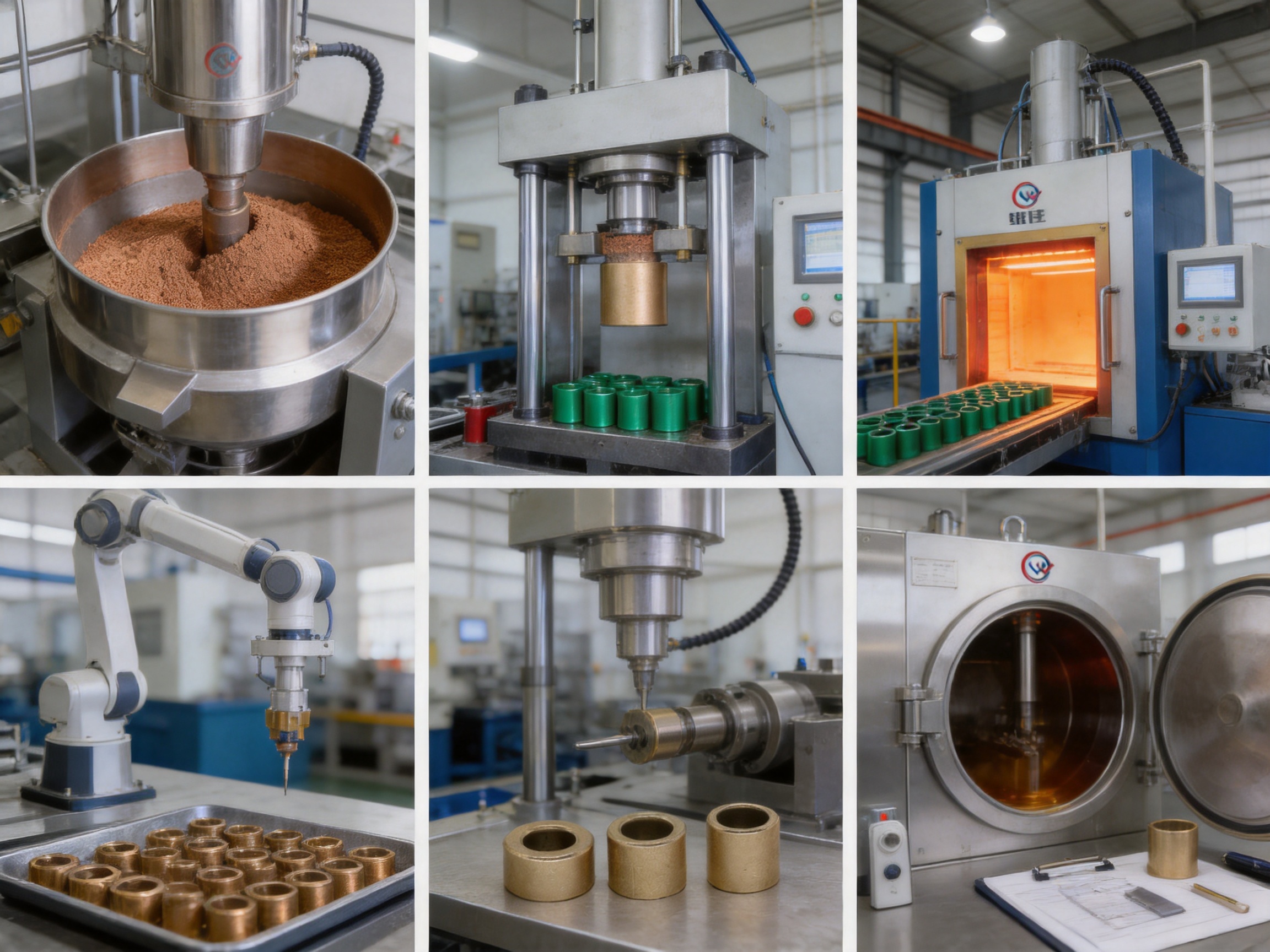
The performance of a sintered bronze bushing begins with disciplined control of the manufacturing process. Powder metallurgy allows the manufacturer to form complex, repeatable components while controlling density, porosity, dimensions, and material composition.
1. Material and Powder Selection
The process starts with the selection of copper-based powders and alloying materials. The powder blend is chosen according to the required strength, friction behavior, wear resistance, corrosion performance, thermal properties, and impregnation characteristics.
Particle size distribution affects compacting behavior, green strength, surface quality, shrinkage, and pore structure. Consistent powder preparation is therefore essential. The materials must be accurately weighed and blended so that each production batch has uniform composition.
2. Powder Mixing
Powder mixing is performed under controlled conditions to distribute alloying elements and processing additives throughout the blend. The objective is to produce a homogeneous mixture that can be pressed consistently.
Mixing parameters may include time, sequence, equipment speed, humidity control, and storage conditions. Poor mixing can lead to local variations in density or composition, which may later affect strength, dimensional stability, and lubrication behavior.
3. Compaction and Forming
The prepared powder is placed into a precision die and compacted under controlled pressure. High-efficiency presses apply the required force to create a green compact with the approximate shape of the final bushing.
Tooling design is especially important for cylindrical and flanged bushings. The die must support uniform filling and pressure distribution while allowing the compact to be ejected without cracking or deformation. The use of precision forming machines helps maintain repeatable dimensions and reduces the need for extensive machining.
Compaction density affects the final strength, porosity, oil capacity, and dimensional behavior of the component. A bearing intended to store a significant volume of lubricant may require a different density profile from a bearing designed for maximum mechanical strength. Engineering control is necessary to balance these requirements.
4. High-Temperature Sintering
After pressing, the green compacts pass through a controlled sintering cycle. High-temperature sintering furnaces heat the parts in a carefully managed atmosphere. The temperature remains below the melting point of the primary material, allowing particles to bond through diffusion while preserving the designed porous structure.
Furnace temperature, atmosphere, heating rate, holding time, cooling rate, and loading arrangement can all affect the final properties. Stable furnace control helps reduce oxidation, distortion, inconsistent density, and unwanted variation between batches.
Sintering strengthens the compact and gives it the mechanical integrity required for service. It also establishes the pore network that supports oil impregnation. The balance between strength and porosity is one of the defining features of an oil-impregnated bearing.
5. Sizing and Calibration
Following sintering, bushings may undergo sizing or calibration to achieve precise dimensional tolerances. This operation can improve roundness, internal diameter accuracy, external diameter consistency, and surface condition.
Accurate sizing is important because bearing clearance influences friction, heat generation, oil distribution, noise, and shaft movement. Excessive clearance may cause vibration and uneven wear, while insufficient clearance may cause high friction or seizure during thermal expansion.
6. Precision Machining and Finishing
Although powder metallurgy can produce near-net-shape components, some applications require additional machining. Precision turning, drilling, reaming, chamfering, face finishing, or special feature processing may be used to meet customer drawings.
Welfine integrates powder metallurgy sintering with related precision machining capabilities. This provides customers with a more complete supply solution and helps maintain coordination between the sintered blank and the finished component.
Machining operations must be selected carefully. Excessive removal of material from an oil-impregnated structure may alter the surface condition or expose an unsuitable pore profile. Process sequencing is therefore planned according to the material and geometry.
7. Oil Impregnation
Oil impregnation fills the interconnected pores of the sintered bronze structure with a selected lubricant. Vacuum impregnation is commonly used to remove air from the pore network and encourage deeper, more uniform oil penetration.
After impregnation, excess surface oil is removed or controlled so that the bushing can be handled and installed without unnecessary contamination. The oil type is selected based on speed, load, temperature, environment, storage requirements, and expected service life.
8. Inspection and Testing
Finished bushings are inspected for dimensions, visual quality, surface condition, density-related characteristics, and other customer-specific requirements. Depending on the product and application, inspections may include internal diameter, external diameter, length, roundness, concentricity, hardness, oil content, porosity, and load-related performance.
Quality control begins with incoming materials and continues through powder preparation, forming, sintering, finishing, impregnation, packaging, and shipment. This process-based approach helps identify variation early instead of relying only on final inspection.
| Manufacturing Stage | Primary Objective | Typical Quality Focus |
|---|---|---|
| Powder selection | Establish material composition and performance potential | Alloy consistency, particle characteristics, material compliance |
| Mixing | Create a uniform powder blend | Homogeneity, moisture control, batch traceability |
| Compaction | Form the green compact and control density | Dimensions, cracking, filling, ejection quality |
| Sintering | Bond particles and develop mechanical strength | Temperature, atmosphere, time, distortion |
| Sizing | Improve dimensional accuracy and roundness | Internal diameter, external diameter, clearance control |
| Machining | Produce customer-specific features and tolerances | Surface finish, concentricity, profile accuracy |
| Oil impregnation | Fill the pore network with lubricant | Penetration, oil retention, surface cleanliness |
| Final inspection | Verify conformity before shipment | Dimensions, appearance, performance-related requirements |
Why Powder Metallurgy Can Outperform Conventional Machining
Conventional machining begins with a solid bar, tube, or casting and removes material to create the finished bushing. This approach can be effective for certain geometries and low-volume requirements, but it may generate substantial material waste and require multiple machining operations.
Powder metallurgy forms the component close to its final shape. This can reduce raw material consumption, shorten production routes, and improve repeatability for high-volume programs. It also allows the manufacturer to create a controlled porous structure that is difficult to reproduce through ordinary machining of dense bronze stock.
For oil-impregnated bearings, the ability to design and control porosity is a major advantage. The pores serve as lubricant reservoirs, supporting self-lubricating behavior throughout the service cycle. A solid machined bronze bushing does not naturally provide the same internal oil-storage function.
Powder metallurgy can also support consistent production of small and medium-sized components with complex profiles. By using dedicated tooling and controlled pressing, manufacturers can achieve repeatable results across large production batches. The result is a practical combination of performance, customization, and manufacturing efficiency.
Customization for OEM and ODM Applications
Industrial equipment manufacturers often require bushings that differ from catalog dimensions. A custom component may need a special flange, lubrication hole, stepped profile, keyway, groove, mounting feature, or tolerance range. It may also need to fit an existing assembly without changing the housing or shaft.
Welfine provides OEM and ODM bushing solutions based on customer drawings or physical samples. The engineering process can include drawing review, material recommendation, tooling assessment, tolerance analysis, prototype development, sample approval, production validation, and ongoing batch supply.
Important information for a bushing quotation or technical review includes the shaft diameter, housing diameter, bearing length, radial or axial load, speed, movement type, operating temperature, duty cycle, environment, lubrication requirements, expected life, and annual quantity.
When a drawing is not available, a physical sample and application description may provide a starting point. Measurements of the existing part, installation method, shaft material, and failure history can help identify the cause of premature wear or unstable operation.
Common Customization Parameters
Customizable parameters may include inner diameter, outer diameter, length, flange diameter, flange thickness, chamfer size, groove geometry, surface finish, material grade, oil type, density, porosity, dimensional tolerances, packaging method, and inspection documentation.
Not every parameter can be changed independently. For example, increasing density may improve strength but reduce oil storage capacity. Reducing clearance may improve guidance but increase the risk of friction under thermal expansion. A successful design balances all relevant factors rather than optimizing one feature in isolation.
Comparison with Alternative Bearing Materials
Different bearing materials are suitable for different applications. Sintered bronze self-lubricating bushings are not intended to replace every bearing technology, but they offer a strong combination of benefits in applications where maintenance reduction, metallic strength, and oil retention are important.
Compared with Solid Bronze Bushings
Solid bronze bushings can provide high mechanical strength and good machinability. However, they generally require an external lubrication system or periodic manual lubrication unless they include a separate lubrication feature. Oil-impregnated sintered bronze bushings contain internal lubricant reservoirs, making them more suitable for maintenance-limited assemblies.
Compared with Plastic or Polymer Bushings
Polymer bushings can offer low weight, corrosion resistance, and quiet operation. However, some polymers may soften, swell, creep, or lose dimensional stability at elevated temperatures or under sustained loads. Sintered bronze provides a metallic load-bearing structure and may be preferable where thermal stability, electrical conductivity, or higher structural rigidity is required.
Compared with Rolling-Element Bearings
Rolling-element bearings can support high speeds and are often selected for applications requiring very low rolling friction. They may also require careful sealing, precise installation, and regular lubrication depending on the design.
Bushings have fewer moving parts, can be more compact, and may tolerate oscillating or limited-angle movement effectively. They are often simpler to install and can provide a cost-effective solution for moderate-speed sliding applications.
Compared with Dry Composite Bearings
Dry composite bearings can perform well where external lubrication is prohibited. Sintered bronze bushings may provide greater metallic strength, improved heat transfer, and internal lubricant storage. The best option depends on the combination of load, speed, temperature, environment, allowable maintenance, and required service life.
Applications Across Multiple Industries
Industrial Machinery
Industrial machines often contain conveyors, linkages, guide mechanisms, actuators, pivots, and rotating shafts. Sintered bronze bushings can support these components while reducing the number of lubrication points and improving maintenance efficiency.
Automotive Components
Automotive mechanisms require compact components that can tolerate vibration, repeated cycling, temperature changes, and limited maintenance access. Sintered bushings may be used in suitable actuator systems, adjustment mechanisms, hinges, gear-related assemblies, and other applications subject to engineering validation.
Electric Motors and Gear Systems
Small motors, gear systems, and transmission mechanisms can benefit from bushings that operate quietly and maintain stable shaft guidance. The bearing’s electrical and thermal properties may also be advantageous in selected motor-related designs.
Household Appliances
Appliances often require compact, economical, and low-maintenance bearing components. Sintered bronze bushings can be used in mechanisms involving fans, dampers, hinges, controls, gear trains, and other moving parts when the design parameters are appropriate.
Construction Equipment
Construction equipment operates under vibration, dust, shock loading, and changing environmental conditions. Bushings used in these systems must be selected with careful attention to load, contamination, sealing, clearance, and installation. A durable sintered bronze solution can support reliable movement in suitable auxiliary mechanisms and control assemblies.
High-Temperature Mechanical Systems
High-temperature systems require careful selection of both bearing material and impregnating lubricant. Sintered bronze can provide a stable structural base, while the lubricant and clearance must be chosen for the actual thermal conditions. Applications may include industrial ovens, thermal actuators, heating equipment, and other mechanisms requiring controlled movement near heat sources.
Installation Guidelines for Reliable Performance
Even a high-quality bushing can fail prematurely if it is installed incorrectly. The housing bore should be clean, accurately dimensioned, and free from burrs. The shaft should have the specified diameter, hardness, roundness, and surface finish.
Press-fitting should be performed with suitable tooling that applies force evenly. Impacting the bushing with a hammer can deform the component, damage the edge, or create an uneven internal diameter. If the design includes a flange or orientation feature, the bushing must be installed in the correct position.
The shaft should be inserted carefully to avoid scraping, scoring, or removing excessive lubricant from the bearing surface. Misalignment between the shaft and housing can create edge loading, increase friction, and produce uneven wear.
During installation, the bearing should be kept clean and protected from dust, metal chips, moisture, and incompatible lubricants. Additional lubrication should not be added automatically. In some applications, external lubricant may dilute the impregnated oil, attract contamination, or change the intended friction behavior.
After installation, the assembly should be checked for free movement, abnormal resistance, noise, interference, and excessive play. A controlled break-in period may be recommended depending on the product and operating conditions.
Design Considerations for Service Life
Service life depends on the interaction between load, speed, temperature, lubrication, alignment, and environment. A bearing operating at low speed under intermittent load may have a completely different life expectancy from one operating continuously at high speed.
Designers should evaluate the pressure-velocity relationship, often expressed using a PV value, as an initial method of reviewing sliding severity. The pressure component relates to the load carried by the projected bearing area, while the velocity component reflects shaft or sliding speed. The acceptable range depends on the specific material and lubrication system.
Start-stop operation can be more demanding than continuous operation because the bearing may experience boundary lubrication during acceleration and deceleration. Oscillating motion may also prevent the formation of a stable hydrodynamic film. These conditions should be included in testing and product selection.
Temperature should be measured at or near the bearing interface rather than assumed from ambient conditions alone. Frictional heat, nearby heat sources, restricted airflow, and housing conduction can create a bearing temperature substantially different from the surrounding environment.
Proper clearance is also critical. Clearance must accommodate thermal expansion, lubricant behavior, shaft variation, housing conditions, and expected wear. A specialist supplier can help determine a suitable clearance range based on the application profile.
Manufacturing Strengths of Jiande Welfine Technology Co., Ltd.
Jiande Welfine Technology Co., Ltd. was established in 2001 and focuses on powder metallurgy sintering, self-lubricating bushings, and related precision machining. The company combines research and development, production, sales, and technical support within one manufacturing organization.
The company operates a modern 13,039-square-meter production base with more than 150 skilled employees. Its equipment includes high-efficiency presses, high-temperature sintering furnaces, precision forming machines, and supporting inspection and processing equipment.
This equipment foundation allows Welfine to manage the main stages of the bushing manufacturing process, from powder forming and sintering to sizing, precision machining, oil impregnation, and final inspection. Integrated process control can improve communication between engineering, production, and quality teams.
More than 20 years of industry experience provide practical knowledge in material selection, tooling development, dimensional control, and application-specific customization. The company’s technical team can support customers that require products based on drawings, samples, special materials, or nonstandard dimensions.
Welfine has passed ISO 9001:2015 and IATF 16949:2016 certifications. These quality management systems support documented processes, traceability, corrective action, process monitoring, and continuous improvement. IATF 16949 experience is particularly relevant for customers in the automotive supply chain and other industries requiring disciplined quality procedures.
The company’s strengths include stable manufacturing, OEM and ODM support, precision component production, flexible product development, and a commitment to long-term cooperation with global customers. These capabilities help customers move from initial concept to repeat production with fewer supply-chain interfaces.
Quality Assurance and Customer Support
Quality assurance for sintered bushings involves more than checking the final dimensions. It requires control over powder materials, tooling, pressing conditions, furnace parameters, machining operations, lubricant impregnation, packaging, and shipment.
Production records can be used to connect finished products with material batches and process conditions. This supports traceability when customers need documentation or when a technical investigation is required.
Customer support may include drawing confirmation, technical clarification, sample review, tolerance discussion, packaging recommendations, and production feedback. Early communication is valuable because many bushing problems originate from unclear assumptions about load, temperature, shaft condition, or lubrication.
A strong supplier should also communicate application limits honestly. Self-lubricating does not mean immune to wear, and maintenance-free does not mean independent of correct installation. Clear technical information helps customers avoid overloading the product and improves long-term satisfaction.
Economic and Environmental Benefits
Oil-impregnated sintered bronze bushings can reduce the total cost of ownership by lowering maintenance labor, reducing lubricant consumption, and extending service intervals. Their compact construction may also simplify machine architecture and reduce the need for auxiliary lubrication components.
The near-net-shape powder metallurgy process can reduce material waste compared with machining a component from a larger solid blank. Efficient production is especially valuable for high-volume programs in which small reductions in raw material usage and processing time can create significant overall savings.
Longer service life can reduce the frequency of replacement parts, machine downtime, and disposal of worn components. At the same time, responsible material selection and regulatory review remain important, especially when using alloying elements that may be restricted in specific markets.
Frequently Asked Questions
What makes a sintered bronze bushing self-lubricating?
A sintered bronze bushing contains a controlled network of pores that can be filled with lubricating oil. During operation, the oil gradually reaches the sliding surface and helps reduce friction. When the bearing cools or stops, some oil can return to the pore structure, supporting continued lubrication.
Are sintered bronze bushings completely maintenance-free?
They can provide maintenance-free operation for many applications, but the term applies only when the bushing is correctly selected, installed, and operated within its design limits. Shaft condition, alignment, contamination, load, speed, and temperature all affect service life.
Can these bushings operate without external grease?
Yes, oil-impregnated bushings are specifically designed to operate without routine external grease in suitable applications. Adding grease without technical review may interfere with the intended lubrication system or attract abrasive particles.
What materials are available?
Available options may include sintered tin bronze, sintered lead bronze, and other copper-based sintered alloys. The most suitable material depends on load, speed, temperature, environmental exposure, regulatory requirements, and expected service life.
Can the bushings be customized?
Yes. Customization may include internal and external dimensions, length, flange design, grooves, chamfers, special profiles, tolerances, material grade, lubricant, and packaging. Welfine supports OEM and ODM projects based on customer drawings or samples.
What information is needed to select the correct bushing?
Useful information includes shaft diameter, housing diameter, bearing length, load, speed, movement type, operating temperature, duty cycle, environment, shaft material, shaft surface finish, expected life, and annual quantity.
Are sintered bronze bushings suitable for high-temperature applications?
They can be suitable when the bronze material, impregnating oil, clearance, and operating conditions are properly selected. High-temperature applications require evaluation of continuous temperature, peak temperature, lubricant stability, and thermal expansion.
Can they be used in vacuum or clean environments?
Special sintered bearing designs may be considered for vacuum, clean, or dry-friction applications. The lubricant’s vapor pressure, outgassing behavior, temperature stability, and compatibility with the equipment must be confirmed before use.
How should a sintered bronze bushing be installed?
The housing and shaft should be clean, accurately prepared, and free of burrs. The bushing should be pressed evenly with suitable tooling, aligned correctly, and protected from contamination. The shaft should be inserted without impact or forced misalignment.
Why choose a specialist powder metallurgy manufacturer?
A specialist manufacturer can control powder composition, compaction, sintering, porosity, sizing, machining, impregnation, and inspection as a connected process. This improves consistency and makes it easier to develop a product for specific load, speed, temperature, and dimensional requirements.
Does a porous bearing have lower strength than a solid bronze bushing?
Porosity influences strength, so a sintered bushing may not have the same properties as a fully dense machined bronze part. However, the porous structure provides the important benefit of oil storage. The material density and design must be balanced according to the application’s mechanical and lubrication requirements.
What industries use these products?
Typical industries include industrial machinery, automotive components, electric motors, gear systems, household appliances, construction equipment, and high-temperature mechanical systems. The final suitability depends on the specific working conditions.
Conclusion
Sintered bronze self-lubricating bushings provide a practical and versatile bearing solution for equipment that requires reliable sliding performance, reduced maintenance, compact construction, and controlled wear. Their oil-impregnated porous structure supports continuous lubrication, while the bronze matrix provides mechanical strength, thermal stability, electrical conductivity, and effective heat transfer.
Compared with conventional solid bronze bushings, polymer alternatives, and certain rolling-element bearing arrangements, sintered bronze products can offer a balanced combination of maintenance reduction, load support, customization, and manufacturing efficiency. Their performance is especially valuable in enclosed mechanisms, industrial machinery, motors, gear systems, appliances, automotive assemblies, and applications where routine lubrication is difficult.
The manufacturing process is central to product quality. Powder selection, mixing, compaction, high-temperature sintering, sizing, precision machining, oil impregnation, and final inspection must be carefully controlled to achieve consistent dimensions and reliable operating behavior.
Jiande Welfine Technology Co., Ltd. combines more than 20 years of powder metallurgy experience with advanced presses, sintering furnaces, precision forming equipment, machining capabilities, and certified quality systems. Through OEM and ODM support, the company helps customers develop sintered bronze bushings and precision components based on drawings, samples, and actual application requirements.
For the best result, bushing selection should begin with a complete review of the operating environment rather than a simple dimensional match. When the material, geometry, lubrication system, clearance, shaft condition, and manufacturing process are properly coordinated, sintered bronze self-lubricating bushings can contribute to dependable equipment performance and lower lifecycle costs.
References
1. ISO 9001:2015, Quality Management Systems — Requirements.
2. IATF 16949:2016, Quality Management System Requirements for Automotive Production and Relevant Service Parts Organizations.
3. ASM International, Powder Metallurgy Materials and Processes.
4. Metal Powder Industries Federation, Powder Metallurgy Design and Application Principles.
5. ASTM International, Standard Practices and Test Methods for Powder Metallurgy Materials and Sintered Components.
6. Engineering Materials Reference, Copper Alloys, Bronze Materials, and Sliding Bearing Applications.
7. Manufacturer technical information for sintered bronze oil-impregnated bearings and self-lubricating bushings.
Product: Sintered Bronze Self-lubricating Bushings

Related products
-
-
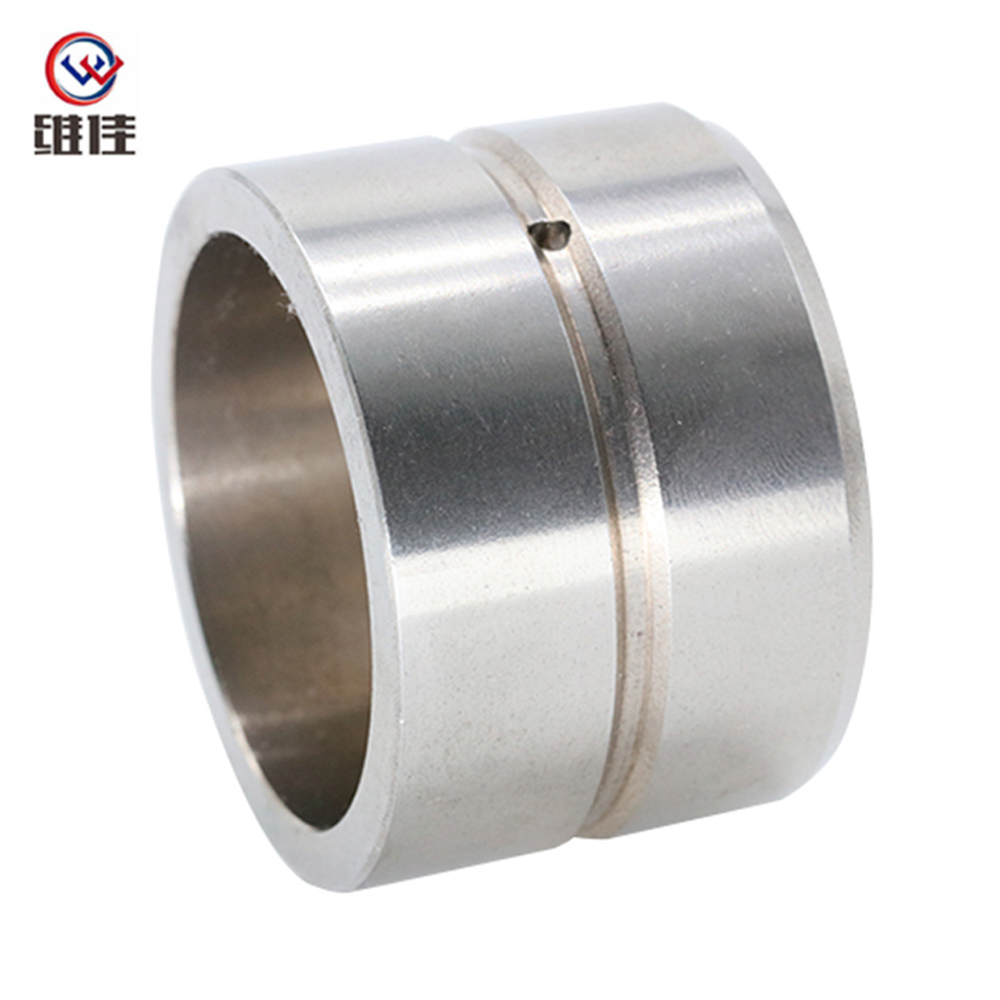
Our sintered bronze self-lubricating bearings are engineered for demanding industrial applications where traditional lubrication is impractical. Designed with advanced powder metallurgy technology, th...
See Details -
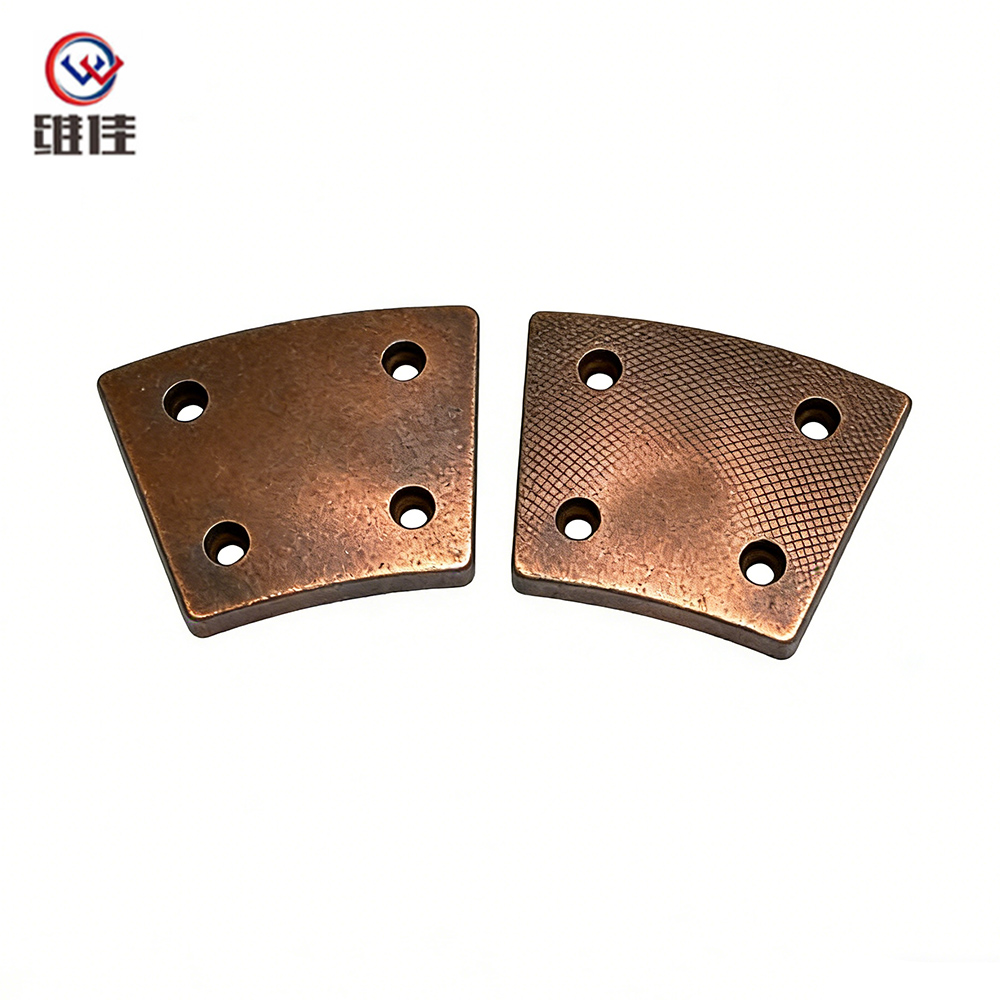
Description: 79.5×62×7.3mm copper-based brake pad with 4-hole design. Density 6.2g/cm³, weight 195g. Free from graphite segregation, cracks, and defects. Ideal for heavy-duty industrial braking system...
See Details
Copyright © Jiande Welfine Technology Co., Ltd. All Rights Reserved. Privacy Custom Self-lubricating Sintered Bushing Manufacturers
