E-mail us: [email protected]
Tel: +86-15239857375
 English
 中文简体
中文简体


What are the environmental impacts of using plain bearings?
 2025.12.02
 Company News
Hey there! As a supplier of Plain Bearings, I've seen firsthand how these little components play a big role in all sorts of machinery. But it's not just about their functionality; we also need to talk about their environmental impacts. So, let's dive in and take a closer look at what using plain bearings means for our planet.
Manufacturing and Resource Extraction
First off, let's talk about how plain bearings are made. The manufacturing process starts with extracting raw materials. Most plain bearings are made from metals like bronze, steel, or aluminum. Mining these metals is a resource-intensive process. It requires a ton of energy, often coming from non - renewable sources like coal or natural gas. And don't forget about the environmental damage caused by mining operations. There's deforestation, soil erosion, and water pollution. For example, when extracting copper (which is often used in bronze bearings), large amounts of waste rock are generated, and if not managed properly, it can contaminate nearby water sources.
Moreover, the refining of these metals is also energy-hungry. High-temperature furnaces are used to purify the metals, consuming vast amounts of electricity. This not only depletes our energy resources but also contributes to greenhouse gas emissions. As a Plain Bearing supplier, I'm aware that the industry needs to find more sustainable ways to source and process these materials.
Energy Consumption During Use
Once plain bearings are installed in machinery, they also have an impact on energy consumption. In some cases, if the bearings are not properly lubricated or are of poor quality, they can cause increased friction. This extra friction means that the machinery has to work harder, consuming more energy. For instance, in industrial equipment like conveyor belts, inefficient bearings can lead to higher electricity bills. And in automotive applications, it can reduce fuel efficiency, which is a major concern when it comes to reducing carbon emissions.
However, modern plain bearings are designed to be more energy-efficient. For example, some advanced materials used in Plain Bearing construction have lower friction coefficients. This means that the machinery can operate with less energy input, which is great for the environment. But still, there's room for improvement, and as a supplier, I'm always on the lookout for new technologies to make our bearings even more energy-friendly.
Lubrication and Its Environmental Impact
Lubrication is crucial for the proper functioning of plain bearings. It reduces friction, prevents wear and tear, and extends the lifespan of the bearings. But most traditional lubricants are petroleum-based. These lubricants are derived from crude oil, a non-renewable resource. And when these lubricants leak or are disposed of improperly, they can contaminate soil and water.
For example, in industrial settings, if a bearing housing leaks lubricant, it can seep into the ground and potentially reach groundwater sources. This can have a negative impact on local ecosystems, harming plants and animals. As a supplier, I'm promoting the use of more environmentally friendly lubricants. There are now biodegradable lubricants available that are made from natural sources like vegetable oils. These lubricants break down more easily in the environment, reducing the risk of pollution.
End - of - Life Disposal
When plain bearings reach the end of their useful life, they need to be disposed of. If they're made of metal, they can often be recycled. Recycling metals is much more energy-efficient than extracting new ones. It reduces the demand for mining and the associated environmental damage. However, not all bearings are recycled. Some end up in landfills, especially if they're contaminated with lubricants or other substances.
In addition, some types of bearings, like those with special coatings or composite materials, can be more difficult to recycle. As a supplier, I'm working on improving the design of our bearings to make them more recyclable. For example, we're looking into using more easily separable materials in our Slide Bushing and Flanged Shaft Bushing products.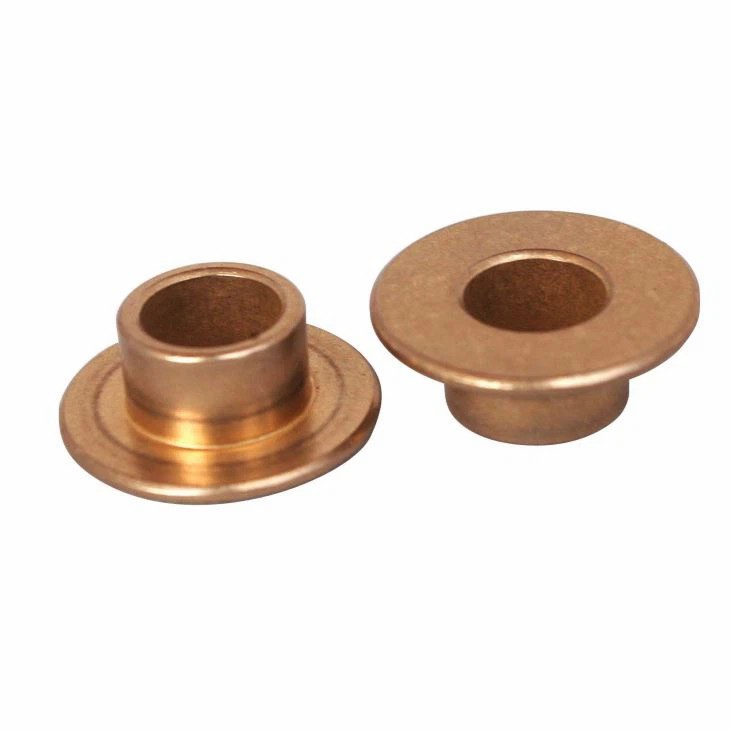

Noise Pollution
Another often-overlooked environmental impact of plain bearings is noise pollution. In machinery, worn - out or poorly designed bearings can produce a lot of noise. This is not only annoying for workers in industrial settings but can also have a negative impact on the surrounding environment. For example, in urban areas, noisy machinery can disrupt the peace and quiet, affecting the quality of life for nearby residents.
To address this issue, we're focusing on developing bearings that operate more quietly. By using better materials and improving the manufacturing process, we can reduce the amount of noise generated by our bearings. This not only benefits the environment but also makes the workplace a more pleasant and healthy place for workers.
How We're Addressing the Environmental Impact
As a Plain Bearing supplier, we're taking several steps to reduce the environmental impact of our products. Firstly, we're working with our suppliers to source raw materials more sustainably. We're looking for mines and refineries that follow strict environmental standards. We're also investing in research and development to find alternative materials that are more eco-friendly.
Secondly, we're promoting the use of energy-efficient bearings. We're educating our customers about the importance of proper bearing selection and maintenance to reduce energy consumption. And we're constantly improving our manufacturing processes to make them more energy - efficient.
In terms of lubrication, we're actively promoting the use of biodegradable lubricants. We're providing our customers with information on the benefits of these lubricants and helping them make the switch.
Finally, we're improving the recyclability of our products. We're working on designs that make it easier to separate different components of the bearings for recycling.
Conclusion
In conclusion, while plain bearings are essential components in many types of machinery, they do have environmental impacts. From the resource extraction and manufacturing process to energy consumption during use, lubrication, end - of - life disposal, and noise pollution, there are many areas where we need to make improvements.
But the good news is that as a Plain Bearing supplier, we're committed to reducing these impacts. We're constantly looking for new ways to make our products more sustainable. If you're in the market for high-quality, environmentally friendly plain bearings, we'd love to talk to you. Whether you need Plain Bearing, Slide Bushing, or Flanged Shaft Bushing, we have the expertise and products to meet your needs. Get in touch with us to start a conversation about your bearing requirements and how we can work together to make a more sustainable future.
References
- "Environmental Impacts of Metal Mining and Their Mitigation" - Journal of Environmental Management
- "Energy-Efficient Bearing Design for Industrial Applications" - International Journal of Machinery and Energy Engineering
- "Biodegradable Lubricants: A Review" - Tribology International
Related products
Copyright © Jiande Welfine Technology Co., Ltd. All Rights Reserved. Privacy Custom Self-lubricating Sintered Bushing Manufacturers
