 English
 中文简体
中文简体
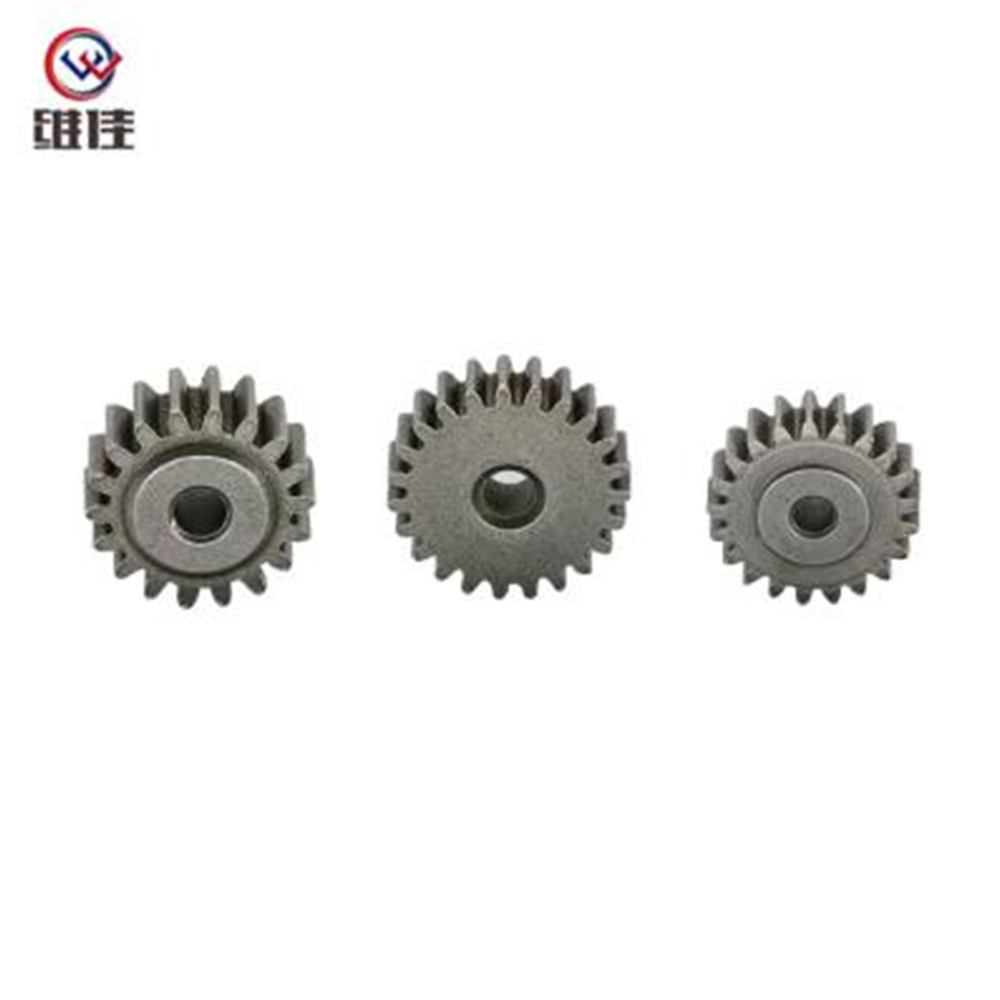
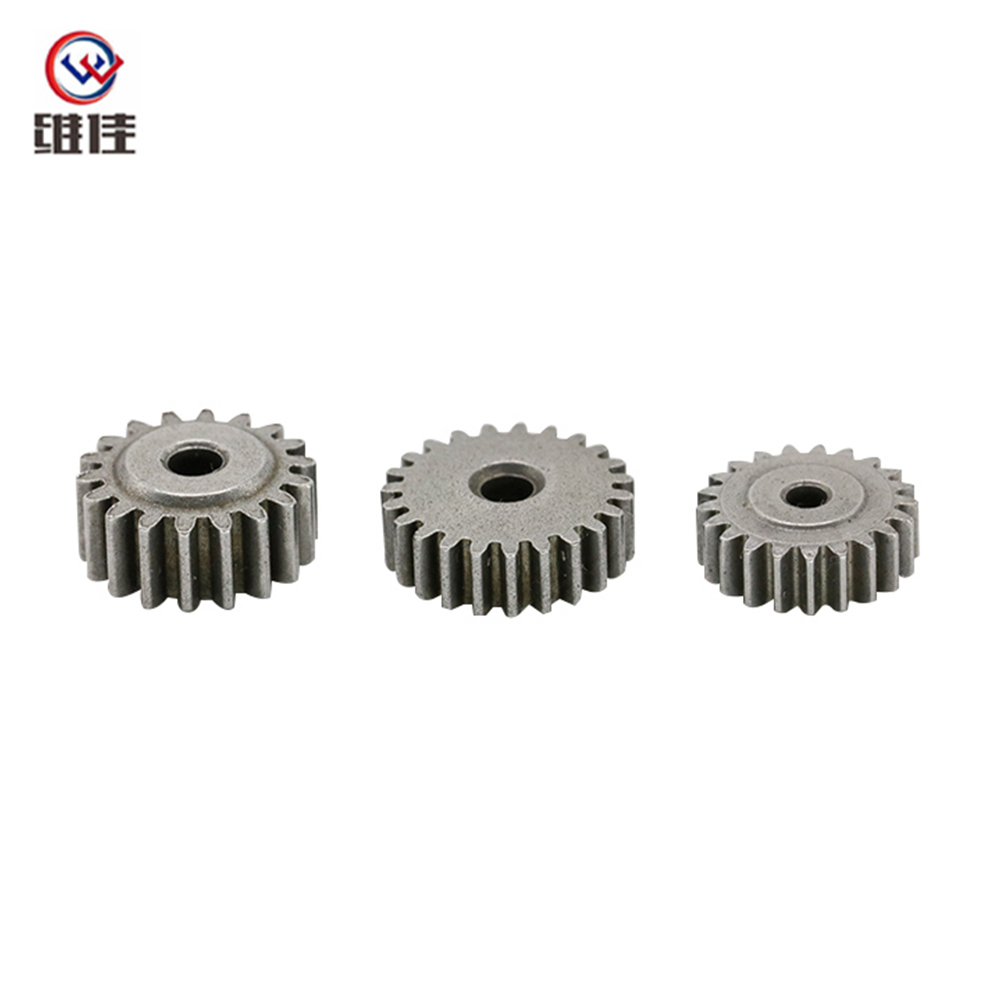
Description: Custom powder metallurgy planetary gear with high precision, wear resistance for automotive, industrial machinery & home appliances. OEM/ODM supported.
See DetailsE-mail us: [email protected]
Tel: +86-15239857375


Gear Knowledge Is Easy To Learn (learn Some Gear Knowledge Every Day)
 2024.01.01
 Industry News
Internationally, the power transmission gear device is developing in the direction of miniaturization, high speed and standardization. The application of special gears, the development of planetary gears, and the development of low-vibration and low-noise gears are some of the characteristics of gear design.
Gears are generally divided into three categories
There are many kinds of gears, and the most common classification method is according to the gear shaft. Generally divided into three types: parallel axis, intersecting axis and staggered axis.
1) Parallel shaft gears: including spur gears, helical gears, internal gears, racks and helical racks, etc.
2) Intersecting shaft gears: there are straight bevel gears, spiral bevel gears, zero-degree bevel gears, etc.
3) Staggered shaft gears: there are staggered shaft helical gears, worm gears, hypoid gears, etc.
The meshing of the gear pairs of the parallel shaft and the intersecting shaft is basically rolling, and the relative sliding is very small, so the efficiency is high. Staggered shaft gear pairs such as staggered shaft helical gears and worm gears, because they rotate through relative sliding to achieve power transmission, the impact of friction is very large, and the transmission efficiency is reduced compared with other gears. The efficiency of a gear is the transmission efficiency of the gear under normal assembly conditions. If there is an incorrect installation, especially if the bevel gear is not assembled at the correct distance, resulting in an error in the intersection of the same cone, its efficiency will drop significantly.
Gears with parallel shafts
1) Spur gear
The tooth line and the axis line are parallel to the cylindrical gear. Because it is easy to process, it is most widely used in power transmission.
2) Rack
A linear rack-shaped gear that meshes with a spur gear. It can be regarded as a special case when the pitch diameter of the spur gear becomes infinite.
3) Internal gear
A gear with gear teeth machined on the inner side of the ring to mesh with the spur gear. Mainly used in applications such as planetary gear transmissions and gear couplings.
4) Helical gears
The tooth line is a helical cylindrical gear. It is widely used because of its higher strength and smoother operation than spur gears. Axial thrust is generated during transmission.
5) Helical rack and pinion
A bar gear that meshes with a helical gear. It corresponds to the situation when the pitch diameter of the helical gear becomes infinite.
6) Herringbone gear
The tooth line is a gear formed by the combination of two left-handed and right-handed helical gears. It has the advantage of not generating thrust in the axial direction.
Related products
-
-
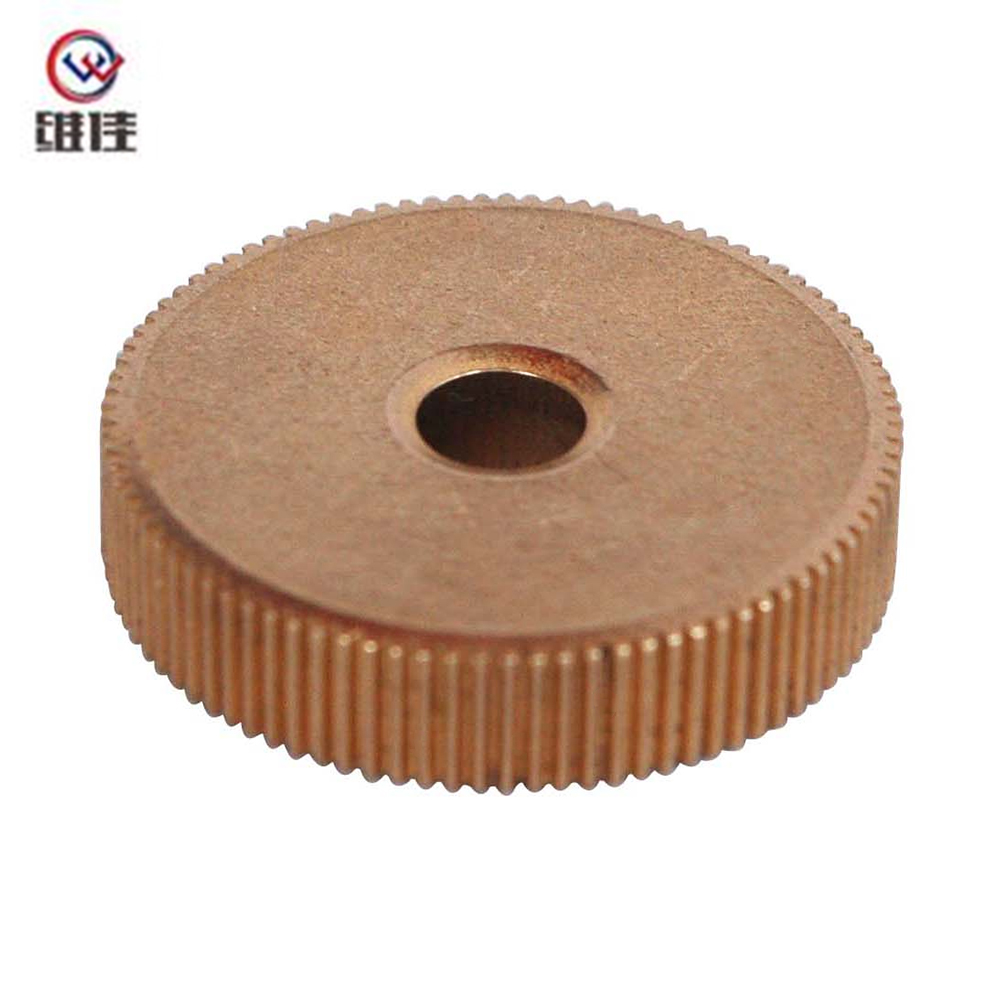
This 4×11.5×5.2mm powder metallurgy gear is manufactured through a precise press-sinter-through hole-oil impregnation process, with strict control of press density (6.7–6.8g/cm³) and sintering tempera...
See Details -
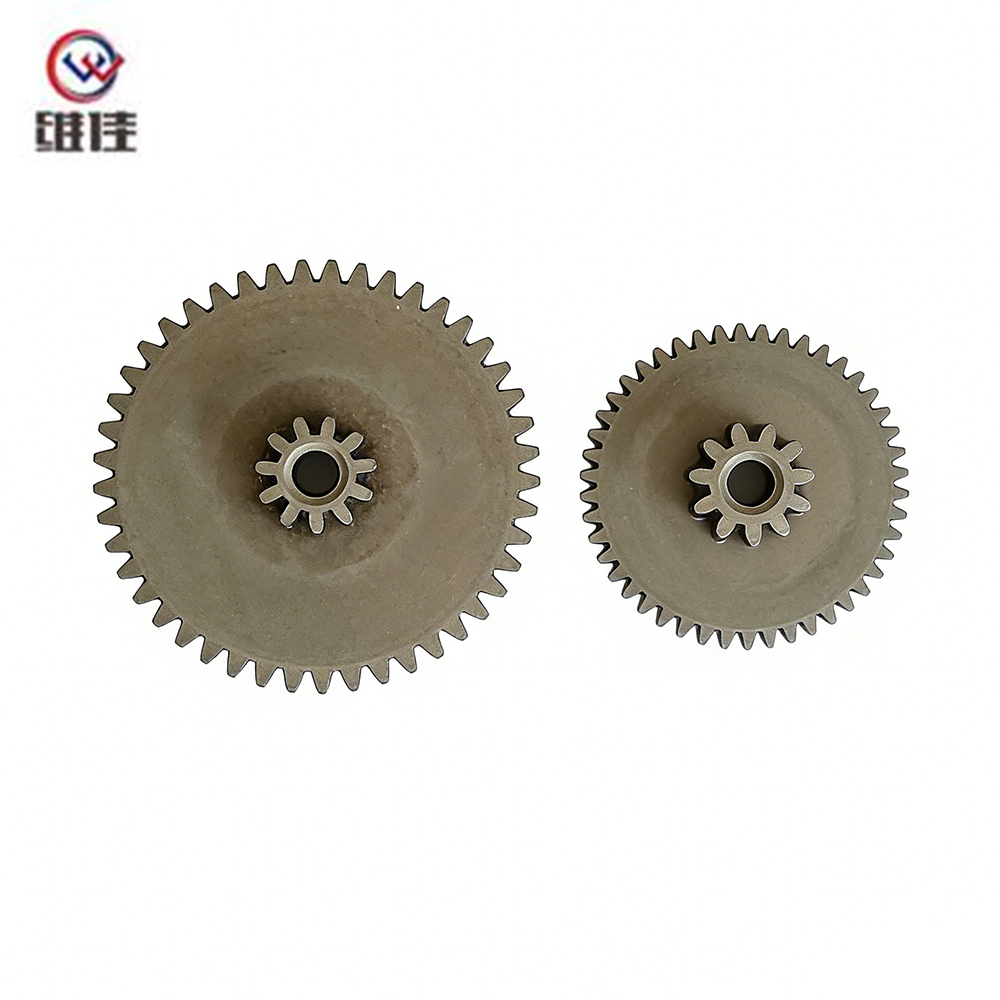
Core Specifications Parameter Specification Gear Teeth Z46 (large gear) & Z11 (small pinion) Module 0.8 Small Gear Bore 11 mm Material AB powder metallurgy (high-strength iron-based all...
See Details -
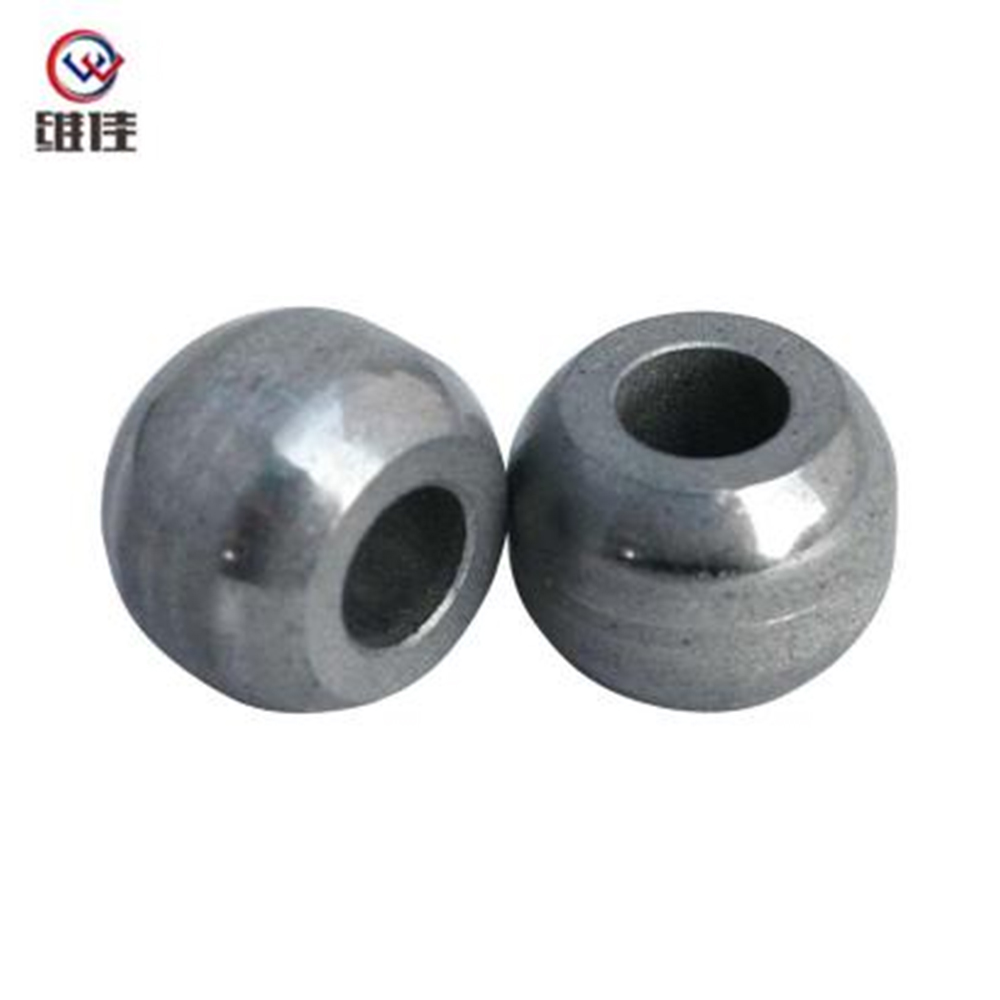
Product Description: High-precision powder metallurgy part (S14*7*10) made of iron material from Jiande Wefine, customized PM components with strict tolerance control.
See Details
Copyright © Jiande Welfine Technology Co., Ltd. All Rights Reserved. Privacy Custom Self-lubricating Sintered Bushing Manufacturers
